


January 27, 2026
AI actors are here, but what moves us hasn’t vanished
According to online research and analytics firm YouGov, 40% of Americans didn’t read a single book in 2025.
Is it any wonder? In a media ecosystem where things competing for attention are only getting louder, more frequent, and more… life-like, reading a book can feel like driving 15mph on the freeway.
In the past few weeks, Dave Snyder, Raphael Tsavkko Garcia, and Stephen Mackintosh all analyzed facets of a recently-emerged phenomenon: synthetic humans.
Tsavkko Garcia explored the unchartered territory described by AI actor Tilly Norwood, who has already signed more than 60 real-world movie deals — a haunting new reality. She even has an Instagram account, where real people interact with comments like, “So cute Tilly. Can we be friends?”
In the video game streaming world, where Twitch attracts over a billion platform visits per month, AI streamers (or “Vtubers”) are changing the game. They threaten not only the human streamers’ work, but introduce the possibility of what Mackintosh refers to as “AI-induced psychosis,” for viewers.
Mackintosh interviews FroggyLoch, a Twitch creator with over 75,000 followers. “‘It’s not human companionship,’ FroggyLoch says. ‘LLMs just show you what they think you want to see.’ Still, the tools are here to stay, she predicts, and will only become more advanced. ‘Pandora’s box is open.’”
Although synthetic, these AI characters are still eliciting the emotion that accompanies feeling connected to or inspired by a creator or actor.
In his latest opinion piece on synthetic humans, Snyder points to a similar concern, among others.
However, Snyder stakes an essential claim: “This isn’t an argument for panic, or nostalgia, or slamming on the brakes. You can’t unwind a technological inevitability. You can only prepare for its consequences. The question isn’t how to stop the identity industrialists but rather how to force a culture to confront what it’s about to lose: itself.”
If it’s inevitable, then those that harness it have the power. We’re in a cultural landscape where entertainment — including human connection and inspiration — is becoming easier to get.
So, I’ll say it again: I really can’t blame the 40% that didn’t read a single book.
But I still believe I can trust something fundamental: that the desire for deeply human things — products, media, art, literature, movies — will remain.
Take my twenty-something-year-old friend, for example, whose New Year’s resolution is to consume only physical media — yes, CDs, library books, DVDs, VHS tapes, etc. While everyone may not have that level of commitment, there’s still evidence for a growing trend in favor of all things analog.
And sometimes, the desire isn’t even conscious or intentional — it just lies dormant.
Recently, I went to see Hamnet, the recent winner of Best Motion Picture at the Golden Globes and recipient of eight Oscar nominations. The director, Chloe Zhao, takes the audience through scenes in the forest, in the home, and in the theater, which are all beautiful and unmistakably quiet. The scenes are so intimate, and the acting so raw, that in particularly emotional moments, I noticed my own impulse to look away. There are moments of such intense grief, and I forget for a moment that I’m not in the room with these people, and that I don’t, in fact, need to give them privacy.
I was absolutely stunned by the humanity in the movie. Its slow pace and authentic energy was so completely different from the normal slog of content on my feed that my slumbering desire for humanity felt slapped across the face.
I know the world is changing. But I believe Snyder is right when he says, “Someone will build the faces we trust. Someone will design the voices we follow. Someone will shape the characters we empathize with. And when that happens, we’ll still call it culture.”
And, I still believe that human ideas will stun us — even if they have to slap us across the face instead of floating by unnoticed. And maybe, their emotional impact will be more deeply felt.
Maybe the new Frankenstein Creatures — AI humans — won’t stumble on a suitcase filled with books to witness humanity, but hopefully everyone else will.
So, to add to Ellen’s call to action last week: yes, cook the food, watch the film, and read the book. But also, keep trusting that your human ideas are stunning people out of a haze.
Rachel Paese
Deputy Editor
Rachel@designobserver.com
P.S. Did someone who loves you send you this newsletter? Welcome! Subscribe here.
This edition of The Observatory was edited by Ellen McGirt.
This is the web version of The Observatory, our (now weekly) dispatch from the editors and contributors at Design Observer. Want it in your inbox? Sign up here. While you’re at it, come say hi on YouTube, Reddit, or Bluesky — and don’t miss the latest gigs on our Job Board.
Some fine print
Education
The Editors|Books
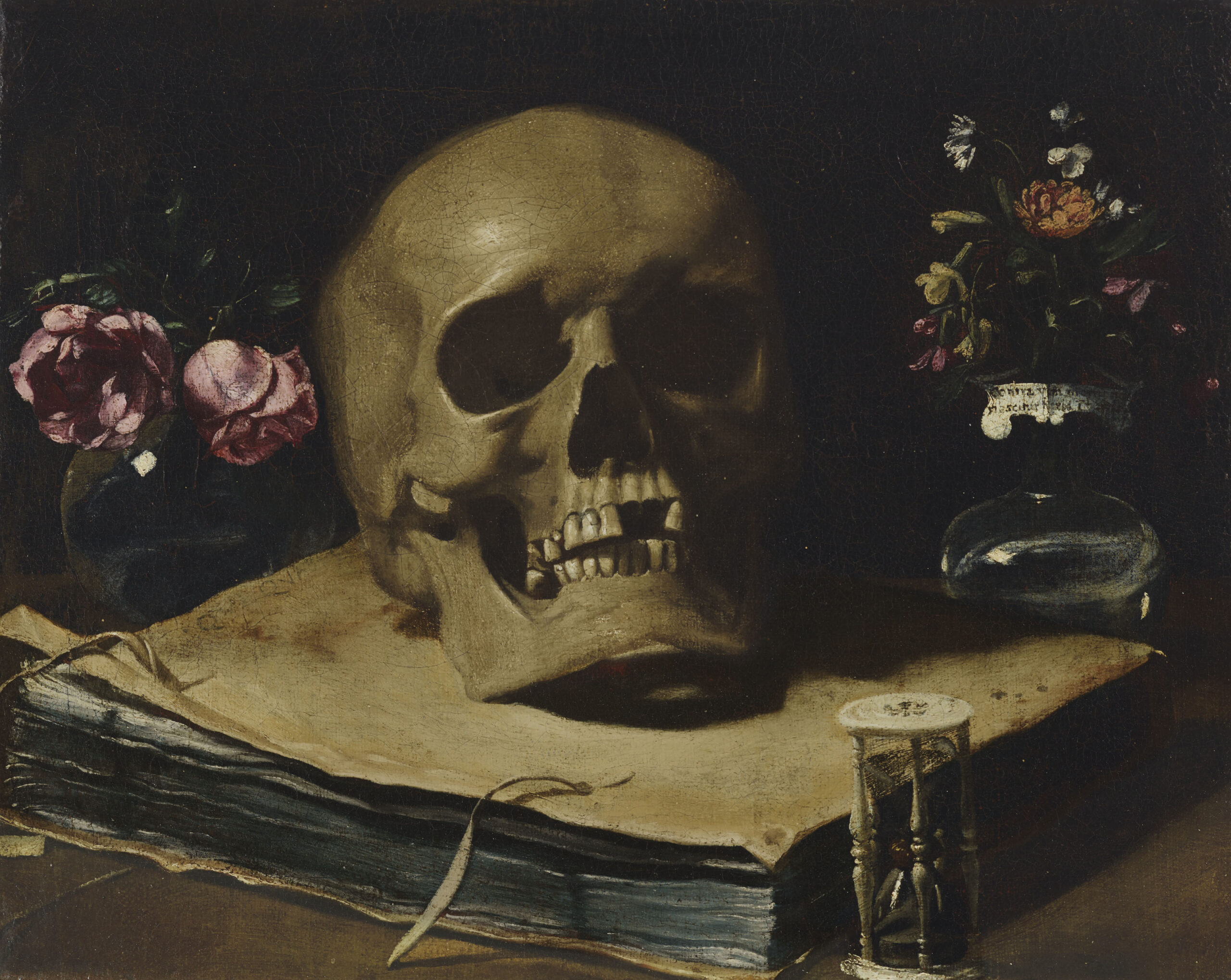
Your October reading list: The Design of Horror | The Horror of Design
A classic ghost story wrought with a faulty foundation. Bodies untamed and unethically built. Collapse through designs unfurled or too tightly wound. A meditation on the meaning of truly blank space.

Music
John Morrison|Analysis
‘6 Feet Deep:’ the hidden history of horror and occult imagery in rap music
From the satanic imagery of Memphis mixtapes in the 90s to the devilish aesthetic of contemporary acts like Doja Cat and Lil Nas X, rap artists have long used horror iconography to expose society’s seedy underbelly.
Innovation
Vicki Tan|Books
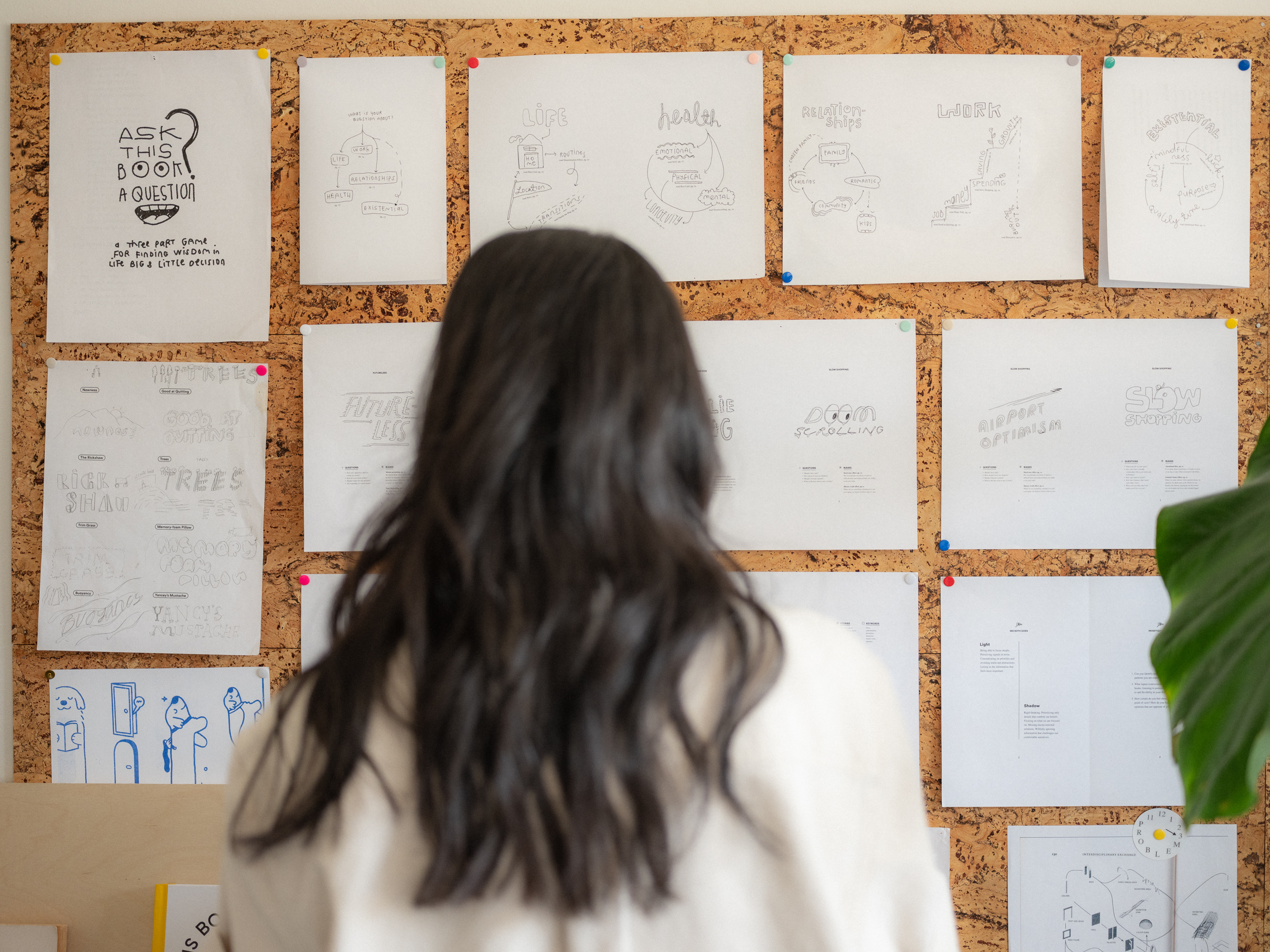
How can I design at a time like this?
A Pinterest product designer and author helps us each find our answer with a choose-your-own adventure approach to challenging our cognitive biases. Try it out!
Design of Business | Business of Design
Ellen McGirt|Audio
S11E8: Poetry is Anti Capitalist with Tracy K. Smith
In this episode of DB|BD, hosts Jessica Helfand and Ellen McGirt sit down with Smith to talk through the writing process of two of her most recent works.
Graphic Design
Kathleen Meaney|Essays
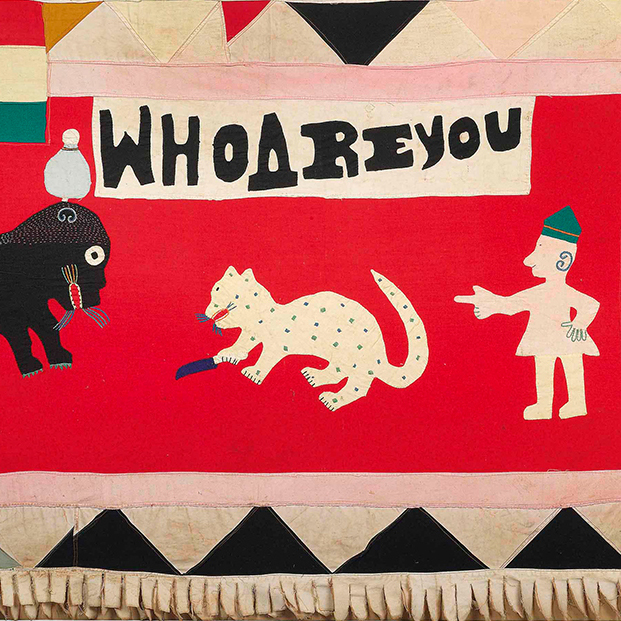
Asafo-fonts
The best graphic design teacher is over 100 years old, a brilliant story-teller, and still dances on air.
Media
Ken Gordon|Essays
Four Reasons You, Young Designer, Should Read This Academic History of Empathy
Empathy, you must know by now, is a major keyword in the design business.
Observed, the storm edition
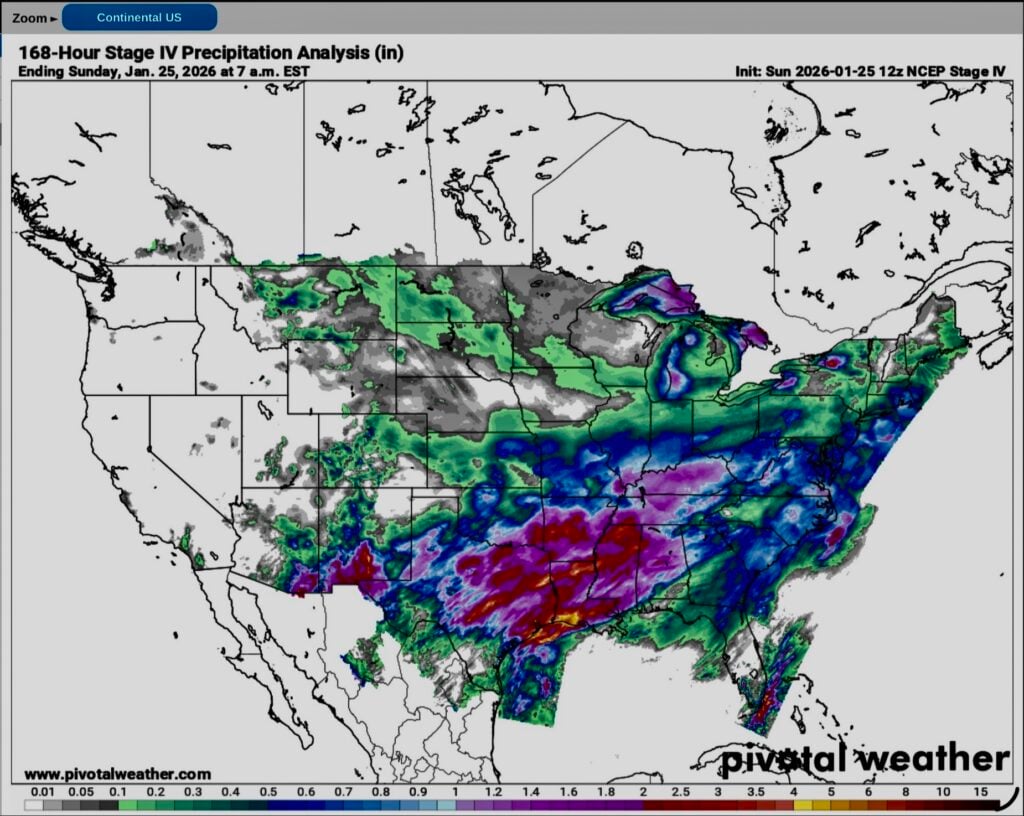
The design community has long claimed a necessary role as stewards of the built world, from aspirational architecture to co-creating happier, healthier, and more sustainable communities. This happens on sunny days, mostly. But when the earth rattles, when it rains or snows, or when onslaughts of fire, water, or mud come, designers, in partnership with their cousins in academia and research, often become second responders of the first order. These are the people who think through what comes next, taking the longest view possible while attempting to address the crisis at hand.
This weekend, a wide swath of U.S. residents struggled to absorb urgent news reports as they prepared for record cold temperatures and snow — maybe? — and ice — possibly? — in parts of the country where extreme weather events are clearly becoming more commonplace.
And while long-view experts are not the people you call (or blame) when a storm comes barreling through your neighborhood, it’s good to know they’re out there. In fact, they’re everywhere—working to find sustainable solutions in the communities currently under siege, from Baltimore to Austin, from the Chesapeake Bay to the Texas Gulf Coast—but their work rarely makes headlines.
Here are six worth knowing about.
Joshua Saks – Climate Adaptation Director, Georgetown Climate Center: Saks leads adaptation work supporting resilience and community-based solutions across local, state, and Tribal governments. As Virginia’s former Deputy Secretary of Natural Resources, he developed the Virginia Coastal Resilience Master Plan and created the Community Flood Preparedness Fund, which has provided over $120 million for local flood mitigation projects.
Dr. Xiaowen Li – Director, Climate Science Division, Morgan State University: Li leads Morgan’s Climate Resilience Center and serves as principal investigator for Department of Energy climate projects studying urban climate impacts in Baltimore. Her research examines how warming affects urban environments and helps communities manage extreme heat, flooding, and pollution.
Dr. James Hunter – Associate Professor of Civil and Environmental Engineering, Morgan State University: Hunter leads Morgan’s work with the Baltimore Social-Environmental Collaborative and serves as lead investigator for the Mid-Atlantic Regional Integrated Sciences and Assessments (MARISA) program. His research examines how Baltimore will face significant climate change by 2070, including increased extreme heat days, sea-level rise, and more intense rainfall.
Dr. Margaret Walls – Senior Fellow and Director, Climate Risks and Resilience Program, Resources for the Future: Walls is an environmental economist whose research focuses on floods, hurricanes, and coastal resilience in the Chesapeake Bay and mid-Atlantic regions. Her work examines how natural infrastructure, such as wetlands, can enhance community resilience, the economic impacts of sea level rise on jobs and communities, and how to design equitable adaptation policies.
Dr. Katherine Lieberknecht – Associate Professor, Community and Regional Planning, University of Texas at Austin, School of Architecture: Lieberknecht chairs Planet Texas 2050 and leads the Department of Energy-funded Southeast Texas Urban Integrated Field Laboratory, which studies the impacts of flooding and air pollution on Gulf Coast communities. Her research emphasizes community-led climate adaptation, integrating local knowledge from frontline communities into climate planning through projects like the Dove Springs Climate Navigators.
Dr. Gavin Smith – Professor, Landscape Architecture and Environmental Planning, North Carolina State University, College of Design: Smith is an internationally recognized expert in natural hazards, disaster recovery, and climate adaptation planning who served as Senior Recovery Advisor to North Carolina Governor Cooper following Hurricane Matthew. He led North Carolina’s acquisition and relocation of over 5,000 flood-prone homes and created NC State’s Graduate Certificate in Disaster Resilient Policy, Engineering, and Design.
What are you observing? Tell us.
End marks

The “Minnesota Rebel Alliance Logo” or “Rebel Loon” is a mashup of the common loon, the Minnesota state bird, and the Rebel Alliance logo from Star Wars. It was created by Redditor u/feral_user and is now available for public use via Creative Commons License CC0. You can find his store here.
This is the web version of The Observatory, our (now weekly) dispatch from the editors and contributors at Design Observer. Want it in your inbox? Sign up here. While you’re at it, come say hi on YouTube, Reddit, or Bluesky — and don’t miss the latest gigs on our Job Board.
More like this:
The Observatory Newsletter
Ellen McGirt|New Ideas
Gen-AI is a threat to human thinking
Generative AI doesn’t just change how we design, it may also change how we think.

The Observatory Newsletter
Ellen McGirt
Lessons in connoisseurship from the Golden Globes
Connoisseurship requires context, which requires time, commitment, and patience.

The Observatory Newsletter
Ellen McGirt|Holiday Gift Guide
Visions of sugar-plums
A year-end reflection on design’s evolving role—plus a thoughtful holiday gift guide featuring books to inspire curiosity, craft, and creative leadership.
Observed
View all
Observed
Share on Social


By Rachel Paese
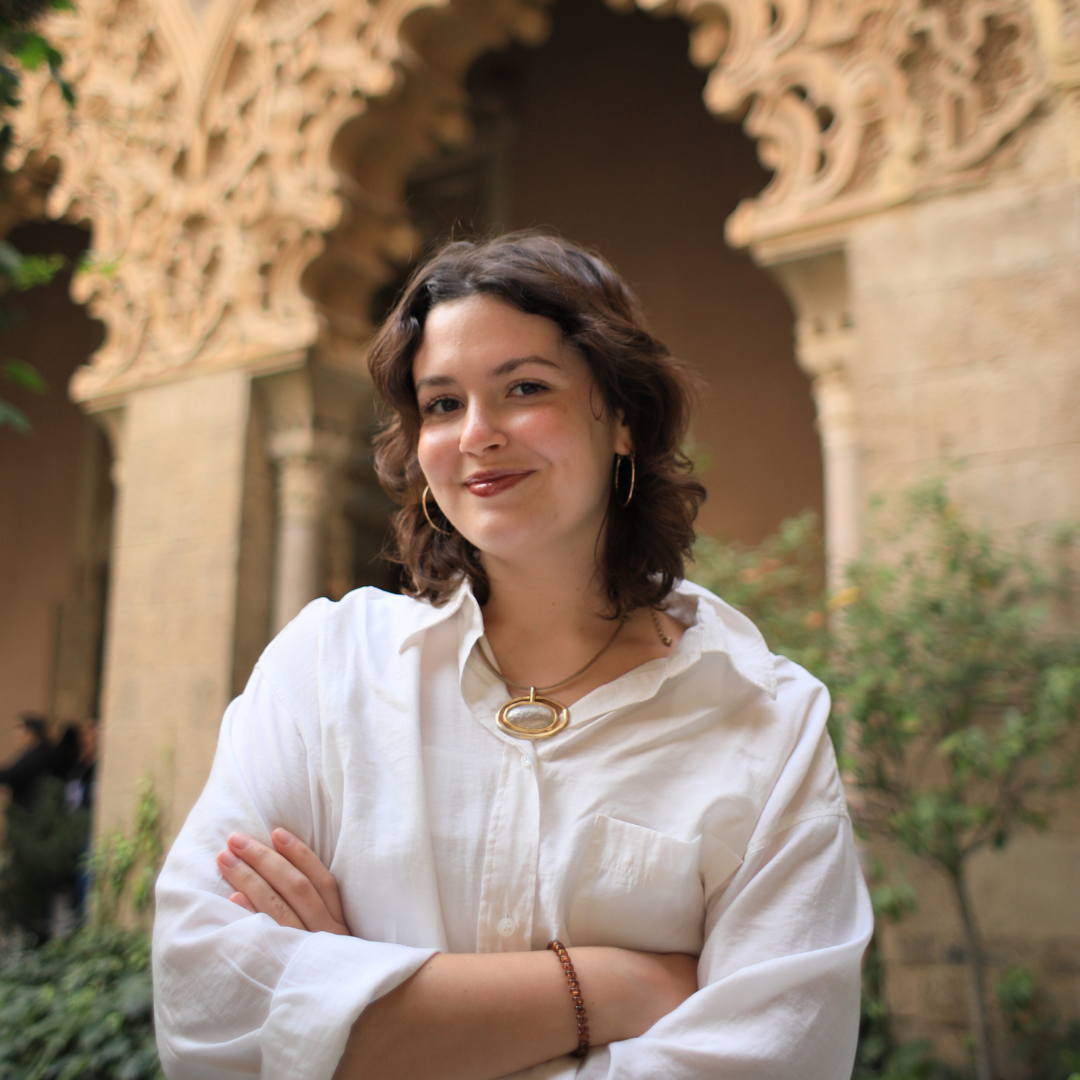 Rachel Paese is Design Observer’s Associate Editor. A recent graduate from The University of Kansas, where she earned a BA in English, Rachel honed her editing skills the old-fashioned way: by founding and leading her own multimedia magazine on campus. This, combined with her stint as a marketing intern at a community arts center, prepared her for her current role managing DO’s contributor network and social media content. Now wandering the cobblestone streets of Spain as a secondary English teacher, Rachel continues to explore how language, design, and storytelling help us make sense of the world — and find our place in it.
Related Posts
The Observatory Newsletter
Ellen McGirt|New Ideas
Gen-AI is a threat to human thinking
AI Observer
Dave Snyder|Analysis
The identity industrialists
The Observatory Newsletter
Ellen McGirt
Lessons in connoisseurship from the Golden Globes
AI Observer
David Z. Morris|Analysis
“Suddenly everyone’s life got a lot more similar”: AI isn’t just imitating creativity, it’s homogenizing thinking
Related Posts
The Observatory Newsletter
Ellen McGirt|New Ideas
Gen-AI is a threat to human thinking
AI Observer
Dave Snyder|Analysis
The identity industrialists
The Observatory Newsletter
Ellen McGirt
Lessons in connoisseurship from the Golden Globes
AI Observer
David Z. Morris|Analysis