


The Editors|Books, Recommended Books, The Design of Horror | The Horror of Design
October 16, 2025
Your October reading list: The Design of Horror | The Horror of Design
You’ll fiend for these spooky szn design reads.
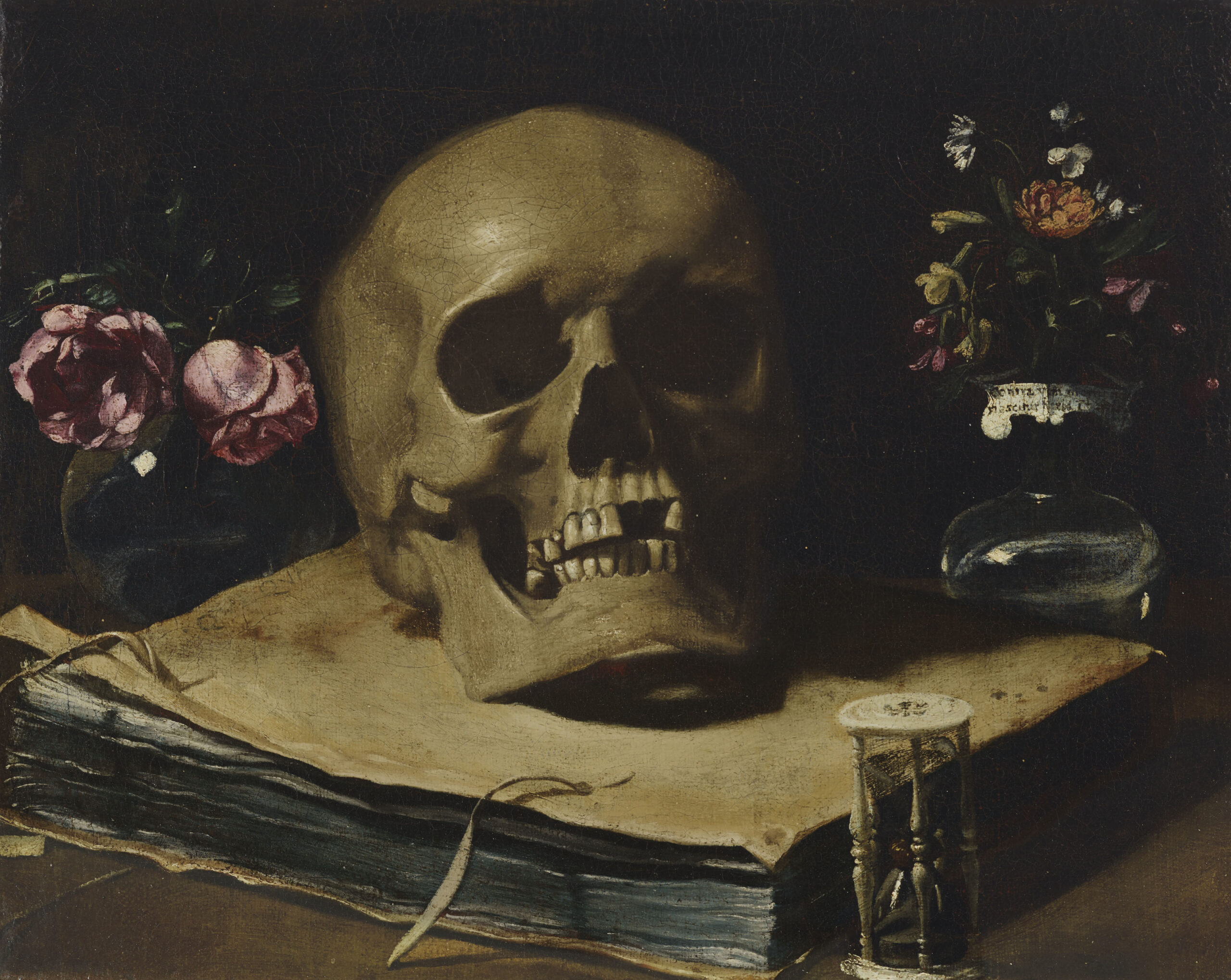
A classic ghost story wrought with a faulty foundation. Bodies untamed and unethically built. Collapse via designs unfurled or too tightly wound. A meditation on the meaning of truly blank space.
The scary-good reads curated by the contributors to Design Observer’s horror month run the gamut of cautionary tales, showing us, as writer Louise Eunice so aptly puts it, how design “can conjure awe and unease at the same time.”
If you shop these picks at our Bookshop.org store, proceeds from book sales support local booksellers and our editorial programs.
Happy (cursed) reading!
Horrorstör by Grady Hendrix
Horrorstör takes place at an Ikea-esque big-box store after hours, when three hapless employees working a double-shift encounter some late-night paranormal activity — and not the Casper kind. I’ll be honest, though: this rec is more about the gorgeous book design than the story itself, which is as hollow as the particle-board furniture at the center of its plot. The artwork, however, is a different animal altogether. It comes courtesy of book designer Andie Reid, photographer Christine Ferrara, illustrator Michael Rogalski, and art director Gregg Kulick. The cover and inside flaps showcase a miniature of a yellow-accented living room display — with just a few details amiss — while a generous collection of front-matter illustrations feature, among other visual treats, an in-world home delivery form along with assembly instructions and some choice furniture models. It’s a feast for the eyes and proof that, while you shouldn’t judge a book by its cover, its overall design is a different story. — Delaney Rebernik
Frankenstein by Mary Shelley
Often remembered as the birth of science fiction, Frankenstein is also a meditation on design: of bodies, of ambition, of creation itself. Shelley shows how the act of making without moral imagination breeds monsters. It calls every designer to reflect on the ethical and even existential dimension of what they bring into being. — Yahia Lababidi
Psycho by Robert Bloch
When I was a film student at UCLA, we studied the works of Hitchcock. His lighting, camera angles, and mastery of suspense were legendary. His iconic film Psycho (based on the book) built a chilling visual tension between the house on the hill and the Bates Motel. As part of a family that traveled by car in the 1960s, I fondly remember staying in many Bates-like motels — vibrating beds, sketchy pools, rabbit-ear TVs, and proprietors with too many cats. — Bruce Miller
The Change by Kirsten Miller
This novel tangles horror with questions of home and design. For a coven of women, menopause becomes a source of supernatural power. Much of the action takes place in a grand house in a wealthy neighborhood, whose owner — dismissed as a witch — allows to grow wild. She refuses to tame either the house or her own aging body. The lawn thickens into forest, the rooms darken, mushrooms sprout from the furniture, and the house begins to feel haunted. What looks like disorder turns out to be power. — Elizabeth B. Dyer
Perfection by Vincenzo Latronico; translated to English by Sophie Hughes
This story of an expat couple of “digital creatives” living in Berlin is meant to be satirical, but to me, the horror is in how it confronts my own thinking. Perfection follows the couple as they design a life that isn’t as unique as they wish it was. The lattes growing cold next to their MacBooks at their favorite Berlin café would taste the same in Paris. Or London. Or Brooklyn. Perfection is a terrifying, albeit beautifully written, reminder that that digital nomad visa won’t solve your problems. — Alexis Haut
There is no Antimemetics Division by qntm
This book contemplates the meaning of sheer nothingness — a useful tonic as we face the possible twilight of human-centered communication. Antimemetics Division imagines a monster that no one can see, hear, or interact with, but is controlling the human population from the shadows. — David Z. Morris
The Art of Metal: Five Decades of Heavy Metal Album Covers, Posters, T-Shirts, and More by Malcolm Dome and Martin Popoff
The Art of Metal is such a fascinating book. Heavy Metal music is surrounded and augmented by such a rich and distinct visual culture — including a long history of horror imagery. It’s cool to see the book trace Heavy Metal’s evolution from its origins. — John Morrison
Lanny by Max Porter
It’s an experimental folk horror–adjacent novel told through a patchwork of village voices. As the story reaches its breaking point, even the text stops behaving, breaking its straight lines and snaking across the pages. It’s a rare novel in which the text’s form can be used to mimic its subject’s growing sense of terror and confusion. — Sithara Ranasinghe
The Haunting of Hill House by Shirley Jackson
The titular Hill House is not just the setting for the novel, but its own character in its own right, described as having “…an unbelievably faulty design which left it chillingly wrong in all its dimensions…” The creeping tension set by Jackson’s atmospheric writing should be read by anyone who enjoys ghost stories. — Madison Jamar
The Library at Night by Alberto Manguelf
On the surface, it’s about the architecture and philosophy of libraries, but when you read closely, there’s something uncanny in how Manguelf describes the spaces we build to contain knowledge. The chapters veer into a kind of quiet horror: design choices that seem comforting — rows of books, enclosed reading rooms — become eerie once you realize they’re also traps for the imagination. The book shows how design can conjure awe and unease at the same time. — Louisa Eunice
For a perfect pairing (like fava beans and a nice chianti): Blindness by José Saramago and Fahrenheit 451 by Ray Bradbury
These novels anchor their horror at opposite ends of design. Fahrenheit 451 weaponizes the terror of oppressive design in control and surveillance within the void of a comfort-driven order, while Blindness evokes horror from total spatial and “de-designed” collapse — that is, the designed world losing all function and form when its inhabitants are all suddenly rendered blind. Whether it’s rigid order or utter disorder, horror takes root when the lived environment strips us of connection and autonomy. — Sanaphay Rattanavong
Observed
View all
Observed
Share on Social


By The Editors
 Design Observer is edited by Ellen McGirt and Rachel Paese, along with Sheena Medina and Alexis Haut.
Related Posts

Arts + Culture
Ellen McGirt|Books
“What book made you a better designer?”
Design Impact
Ellen McGirt|Books
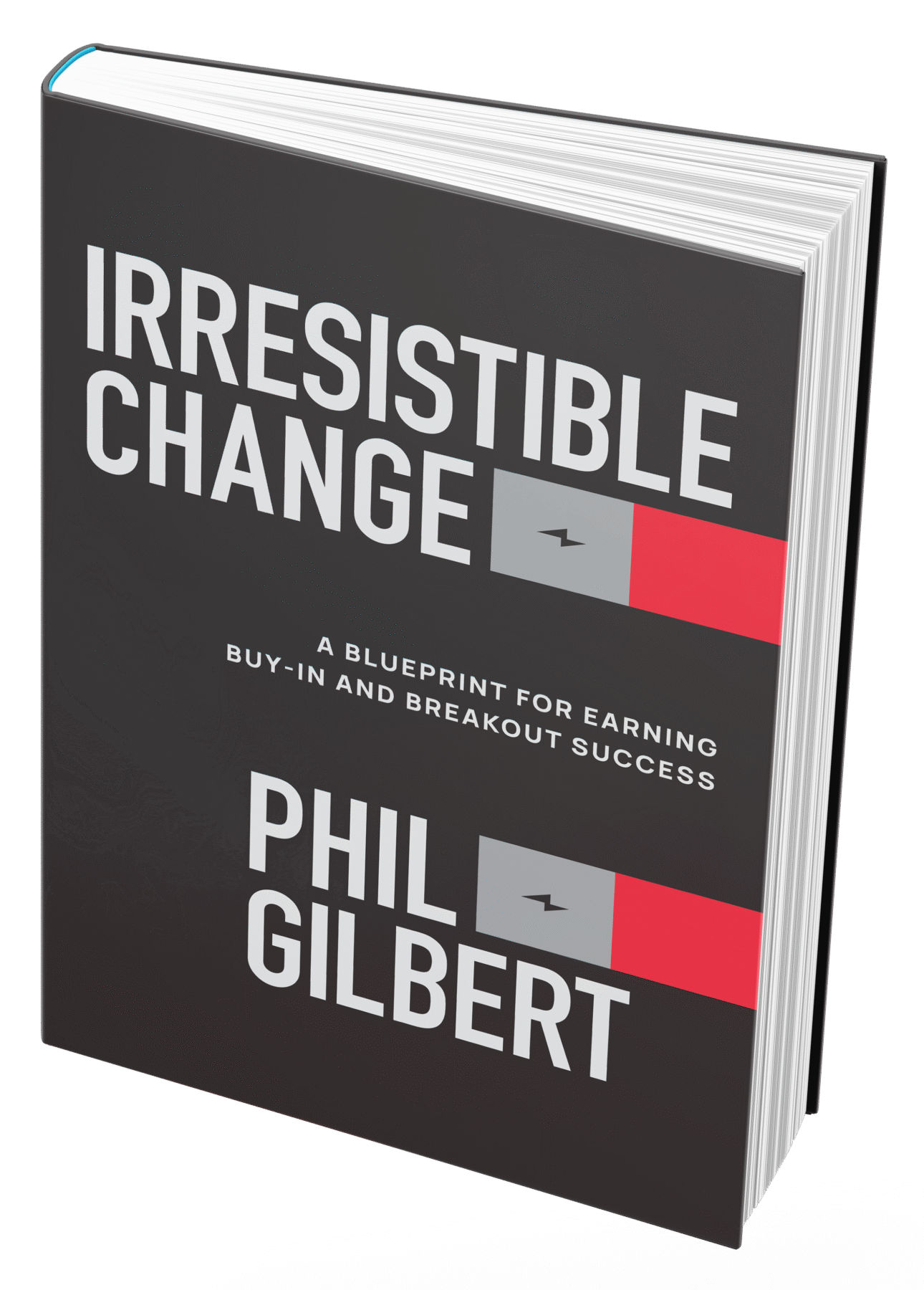
No mandates, only opportunities: IBM’s Phil Gilbert on rethinking change
Business
Louisa Eunice|Essays
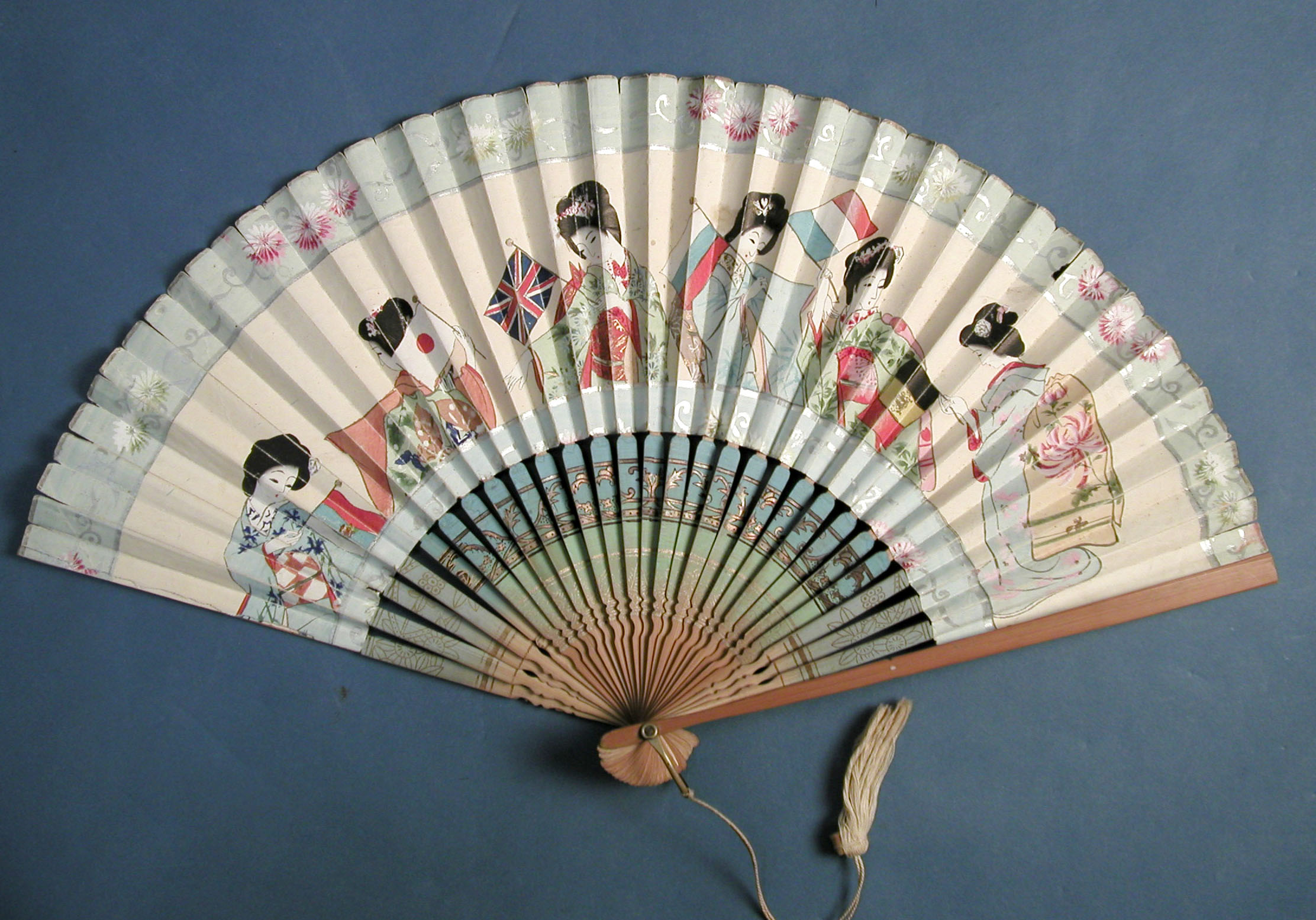
The afterlife of souvenirs: what survives between culture and commerce?
The Observatory Newsletter
Ellen McGirt|Fresh Ink
What happens when the social safety net disappears?
Subscribe to The Observatory
Related Posts
Arts + Culture
Ellen McGirt|Books
“What book made you a better designer?”
Design Impact
Ellen McGirt|Books
No mandates, only opportunities: IBM’s Phil Gilbert on rethinking change
Business
Louisa Eunice|Essays
The afterlife of souvenirs: what survives between culture and commerce?
The Observatory Newsletter
Ellen McGirt|Fresh Ink