


Jessica Helfand|The Icarus Diaries
June 1, 2026
20: Deus ex Machina
Read the introduction to this series.
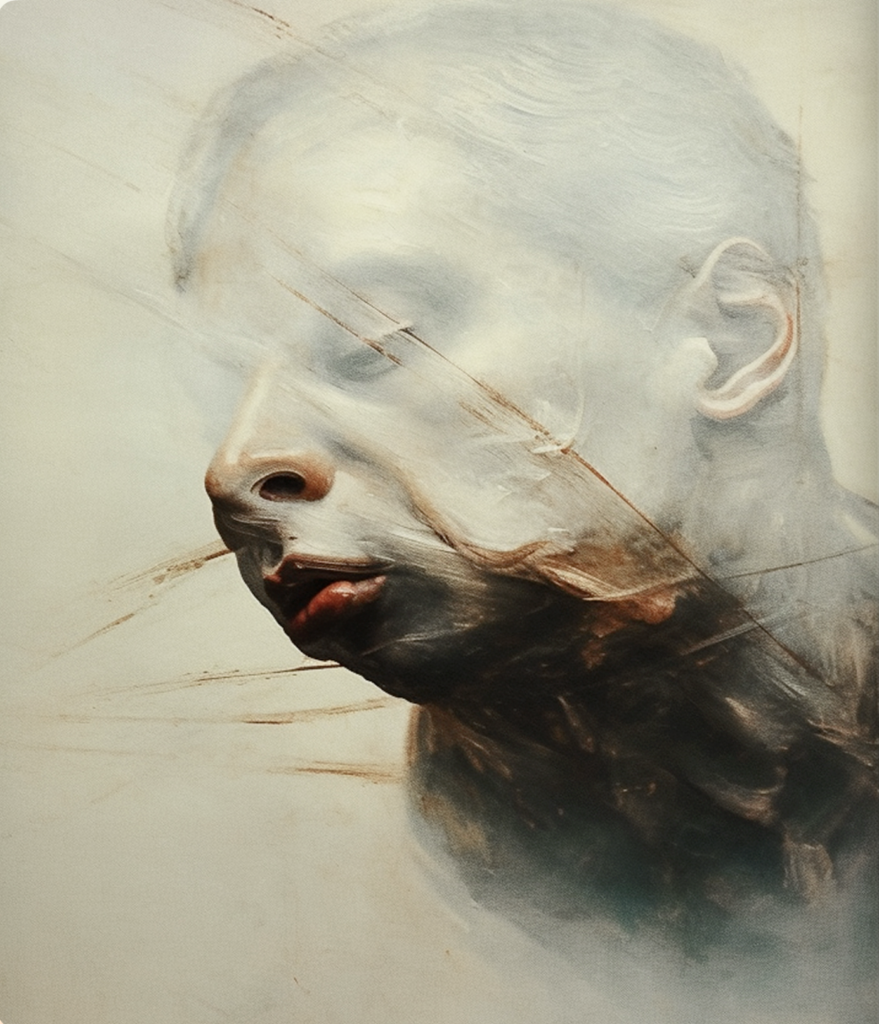
Archival ink on paper with pencil, conte crayon and waxed thread
8 x 10 inches
2026
I have separately begun a series of drawings exploring the line language that comes from combining an apparatus with a human form. Not quite cyborgs, these hybrid explorations tease at movement and stasis, veering into anatomical dislocation and a new (for me) kind of visual language. Pencil and paper. Some watercolor. Waxed thread, (because, well, wax).
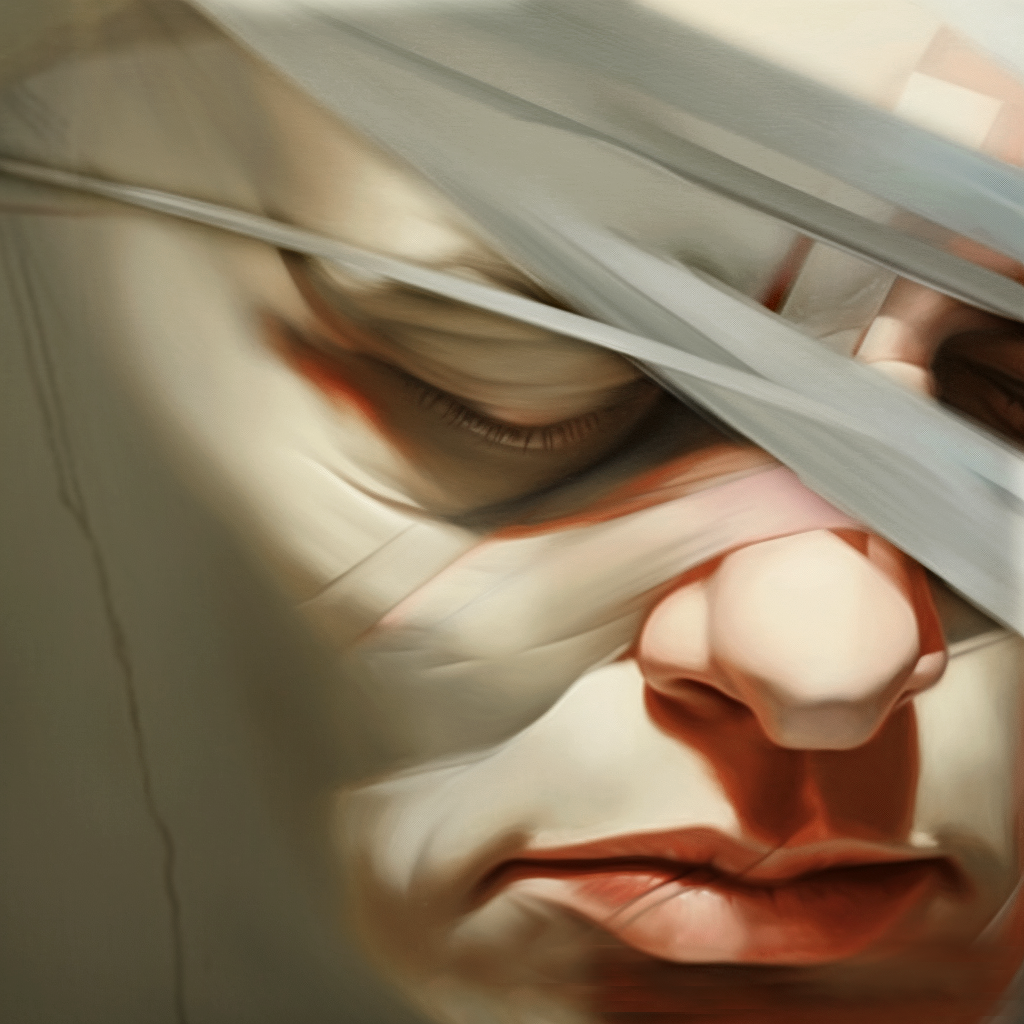
12 x 12 inches
Archival ink and prismacolor on paper, with watercolor
The word valve once referred to a leaf of a folding or double door.
An invitation, a deviation, a shapeshifting portal. Was Icarus coming or going?
Am I coming or going?
The term Deus Ex Machina comes from ancient Greek theater, where actors who were playing gods were brought on stage using a machine, a narrative maneuver that would later be derided by scholars and philosophers, who viewed it as a contrivance.
But the machine part—a crane that lifted an actor onto the stage and filled the audience with wonder? That interests me, contrivance or not.
If Icarus as a character is synonymous with whatever winged contraption carried him off on his final journey, then the contraption is just as much a protagonist here as the person attached to it. With this in mind, I began to consider machines as extensions of people (nothing new there), curious about what new formal territory I might uncover if I treated machines AS people (something new, possibly, there).
So. I combined photographs of Otto Lillienthal’s flying machine with a variety of facial studies, and what I got were cyborgs. (I chose to work with Lillenthal as he was known, in his day, as “The Flying Man”.)
Icarus, too, was a flying man.
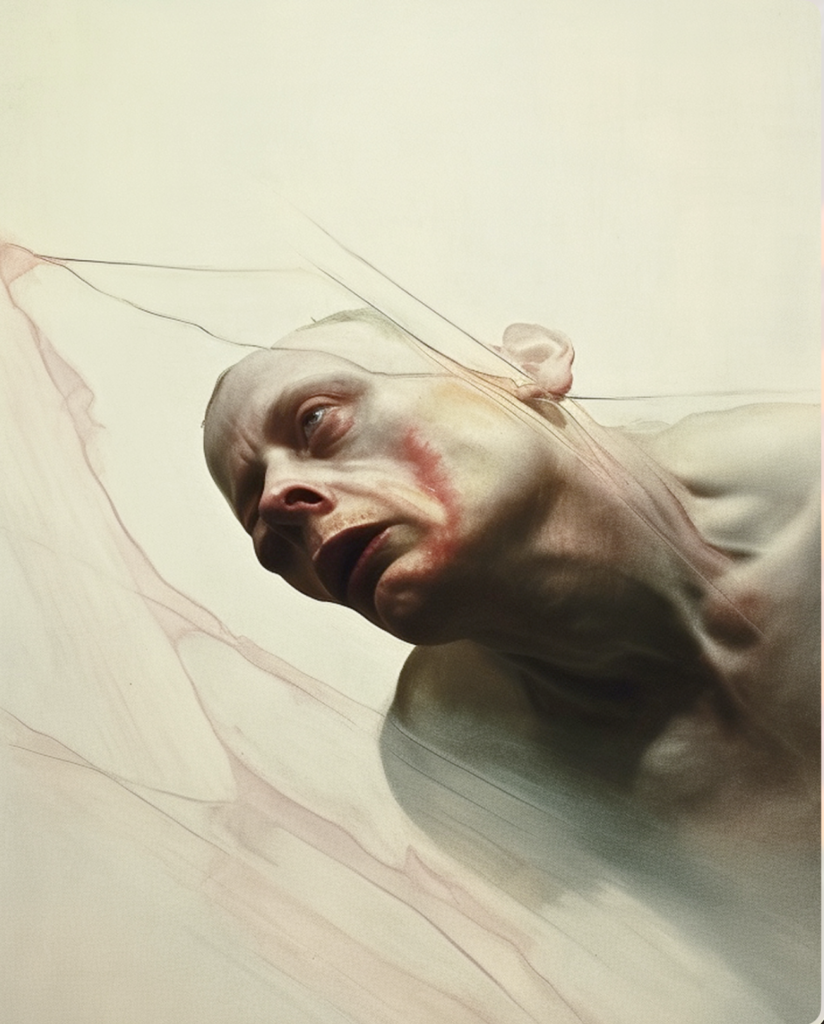
Archival ink on paper with pencil, conte crayon and waxed thread
8 x 10 inches
2026
Those shards of string-like things, inspired by metal wings (and honoring a kind of formal fidelity to Lillienthal’s own contraption) felt new. But trying to rework them led me nowhere. It was only when I looked at the line language as an extension of something else—a broken kite, a torn fishing net, a failed parachute, the detritus of a wing—that something else started to happen.
These sorts of perceptual adjacencies are a function of human observation: when the mind relaxes, we see more deeply, leading to new opportunities for pattern recognition.
Those lines made me think of flight maps. Why wouldn’t that kind of visual language find its way into a portrait? Icarus flew and flew, his temporal odyssey etched into his own human likeness: mileage made visible, graceful lines that repeat and fade, only to cycle back anew.
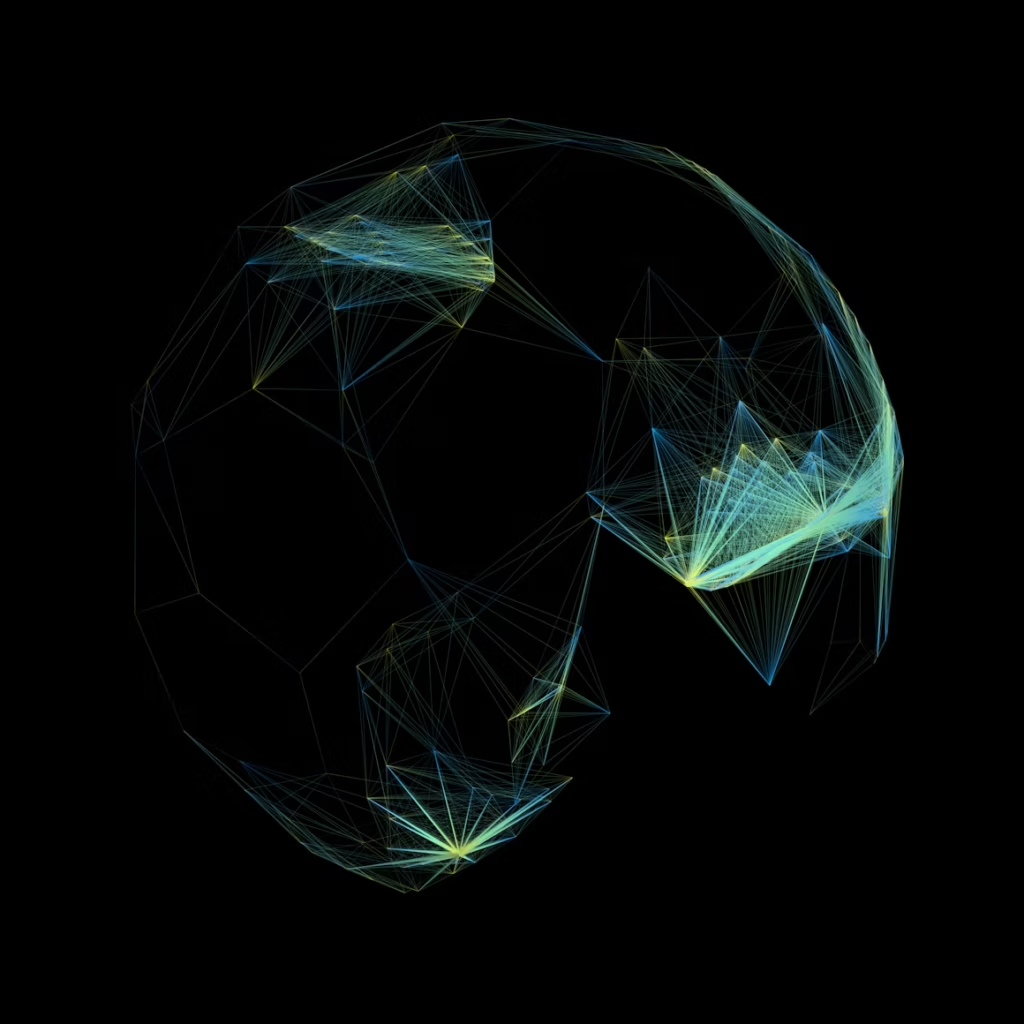
All of this is based upon a simple calculus: what happens when you ignore the line between inanimate objects and sentient beings?
If my earlier explorations were illustrative, these are the opposite. They are facial deconstructions, intentionally unfinished. Scared, maybe. Scarred, definitely. (They are their scars.) Integrating Lillenthal’s flying machine within my exploration of Icarus led me to think about aeroplasticity, specifically about how aerodynamic forces meet the body.
Aeroplasticity experts concern themselves with structural safety: they think about things like flutter, oscillation, and expressions of mechanical instability.
I am more interested in where all of this meets human instability. Uncertainty. Vulnerability.
Flight and fright. What could be more human than that?

Archival ink on paper with pencil, thread, watercolor, wax
8 x 10 inches
2026
Over the past eighteen months, I have absorbed myself not only in the myth of Icarus, but in the cultural fallout from his canonical story. I have imagined him as a child and an adolescent, a martyr and a dreamer, an aviator, a navigator, a misfit. I have sketched him soaring and falling, injured and drowning, hopeful and regretful, determined and doomed. I have thought about sun and skin, prosthetics and flight patterns, the complexity of family legacy and the long shadow of failed redemption.
I could not have done any of this without AI.
Part trusted deputy, part unreliable narrator, AI is my casting agent and my costume designer. It is flawed and it is fascinating precisely because it is flawed. Mostly, however, it empowers my work, supporting me as I build inventories, coordinate poses, revise features, and affirm or dispute critical details about materiality, anatomy, history, and more.
It helps me to dramatize, but also to humanize a likeness, which I now believe may be the same thing.
Along the way, I have come to rely on very specific things (iteration, duplication) and to tolerate certain unwanted things (misinterpretation, hallucination) but more than anything—and given the solitary nature of studio practice—I have come to value AI for its willingness to engage in a kind of free-wheeling randomization, which is, ironically, a pretty human trait. I have no interest in optimizing AI: what interests me is the opposite, the messiness and the miscalculations, the blending of opposites, those unbidden grace notes that make all human beings different from one another. It is this, more than anything, that makes me think AI may have a role to play in the studio, at least in mine.
For the minute: here is what I have learned.
I have learned to tease out meaning from AI and to tolerate its twisted interpretations, sometimes to resist, other times to absorb, to adapt, to invert, and always to iterate.
I have learned that some days are useless and some days are magical, and that the magic happens when I stop expecting magic to happen.
I have learned that the dialogue in my head is real and useful, and that keeping a diary about what I do in the studio helps me do it.
I have learned that the locus of originality in this collaboration lies in how I identify and integrate language into my work. This sometimes means treating an image as a collection of descriptors—word to image to word to image and back again—a choreographic blur of experimentation, red herrings, misplaced intentions and loopy translations. It means seeing a verbal lexicon as an extension of, or a companion to, a visual one. (This is the true promise of a chance operation.)
I have learned to trust my own ghosts, to accept my own need for a machine that helps me imagine more wildly, which might be AI’s greatest gift. For artists, this may be its only gift.
I have also learned to trust my own gut. Large language models, generative adversarial networks, the ideals of efficient algorithms and intentional, targeted computational accuracy all participate in a kind of scaffolding that enables a far more nuanced, emotionally powerful (read human) practice, one that requires my heart and mind, and relies on paint and canvas. Buttons are buttons. The work is the work.
Explore the whole series:
Jessica Helfand|The Icarus Diaries
19: Triumph’s End
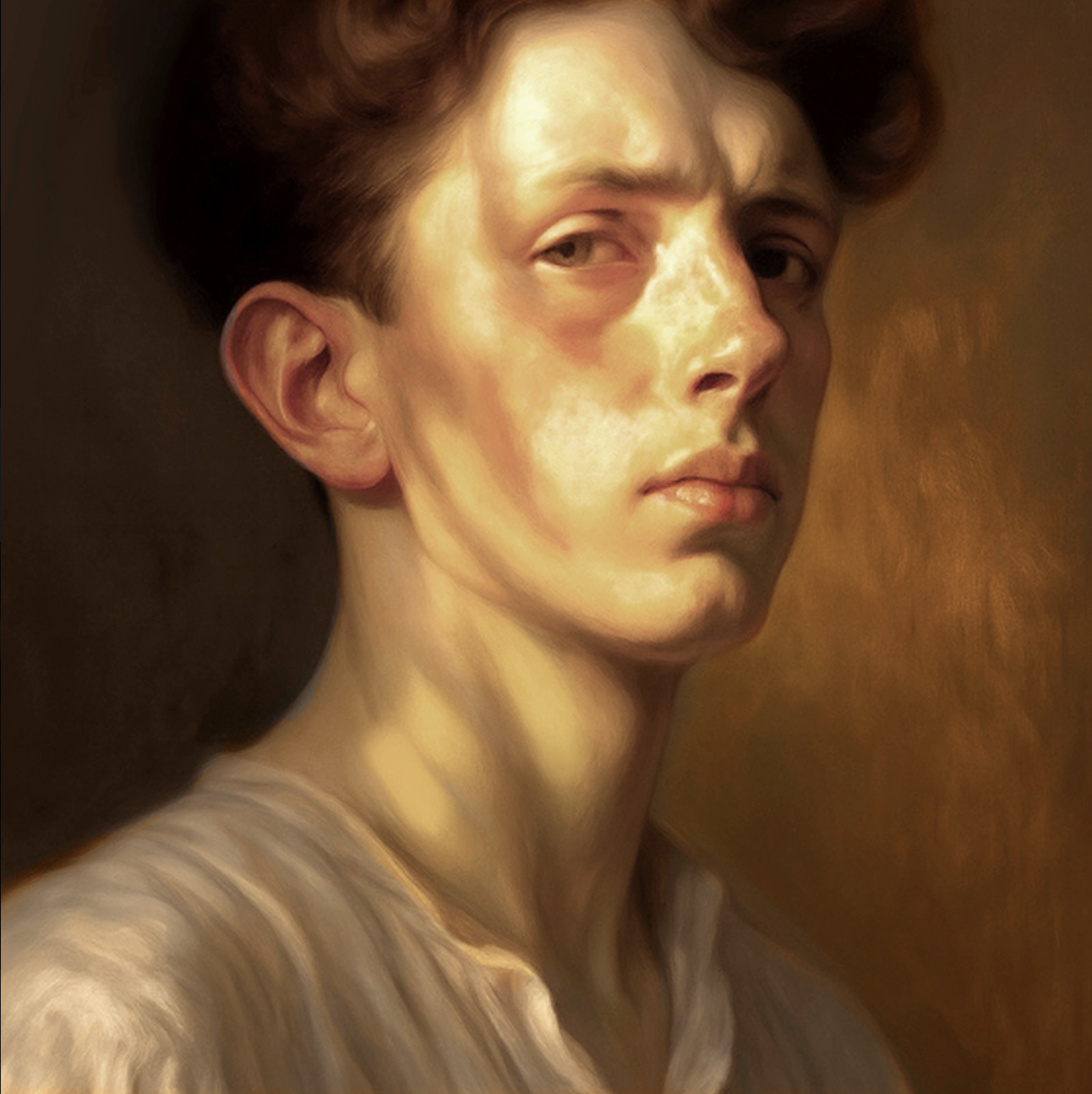
I am, I now realize, nearing the end of this exploration. Narratives unpacked, etymologies revealed, a story deconstructed, unpacked, reimagined.
Jessica Helfand|The Icarus Diaries
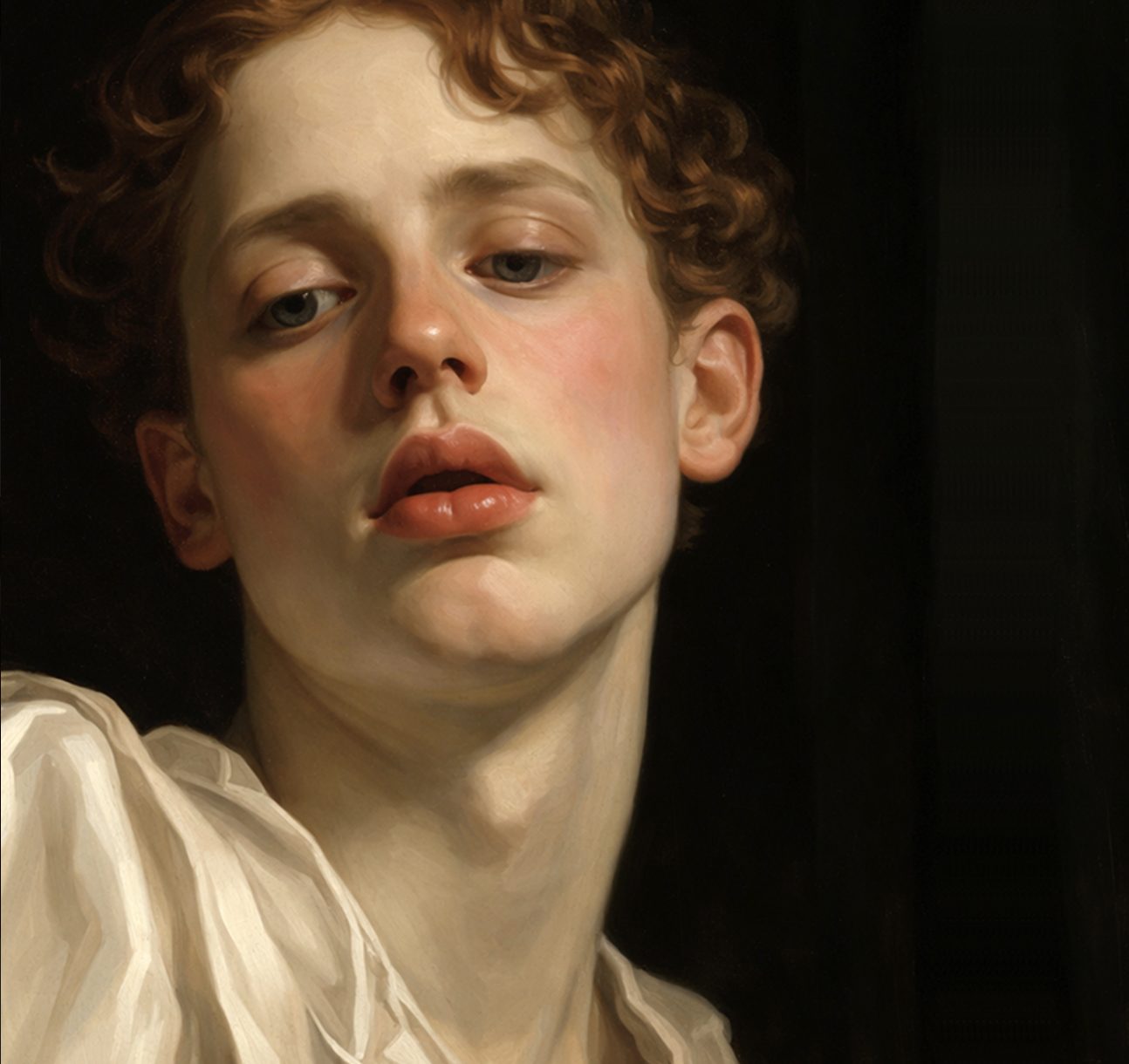
18: Perspective
The poet Mary Bernard called Icarus a disturber of the unseen.
Jessica Helfand|The Icarus Diaries
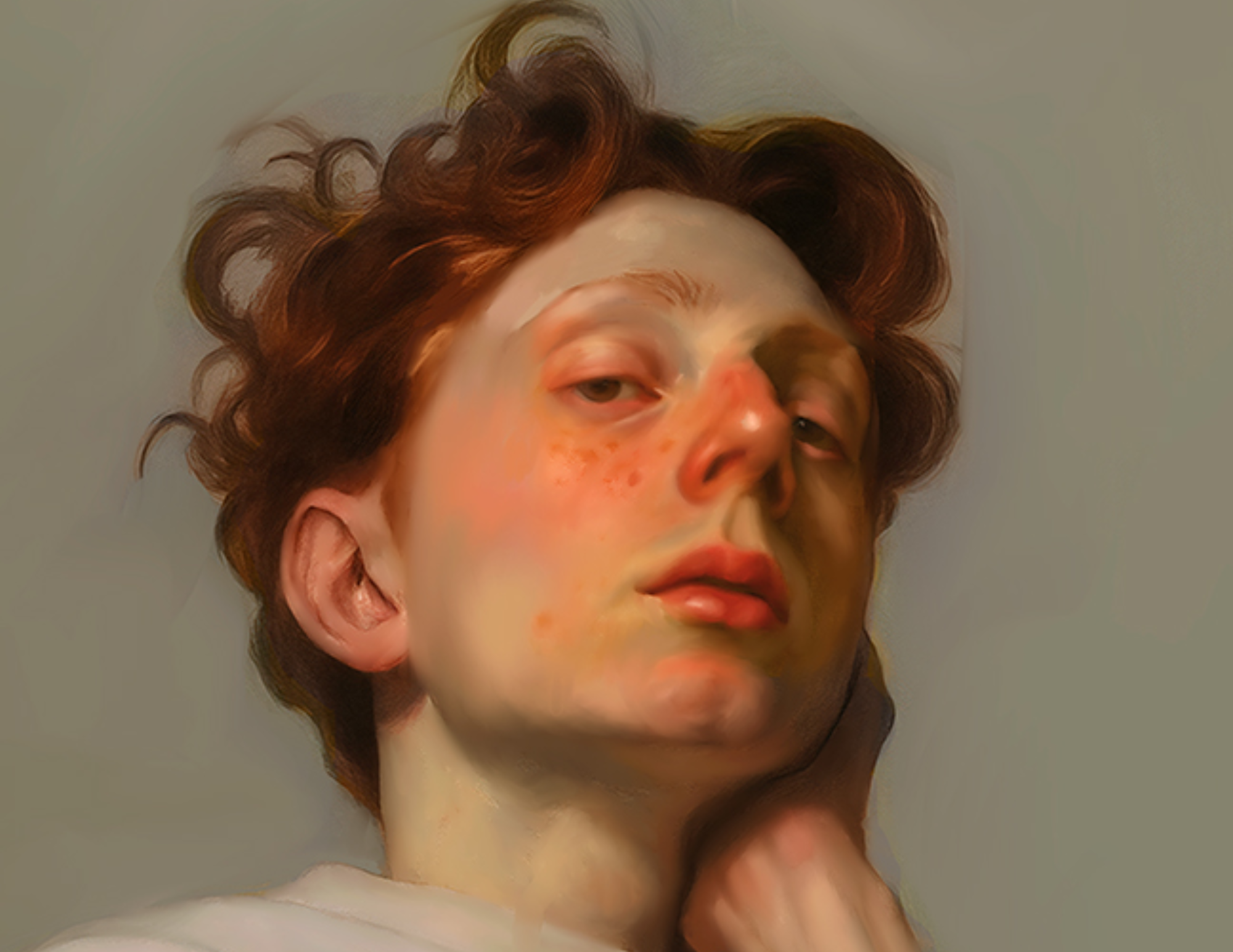
17: Solar Complex
An Icarus Complex is a psychiatric classification characterized by extreme ambition, high-risk behavior, and recklessness. To be Icarian is to be excessively ambitious. Foolhardy. Possibly (probably) to some extent delusional.
Jessica Helfand|The Icarus Diaries
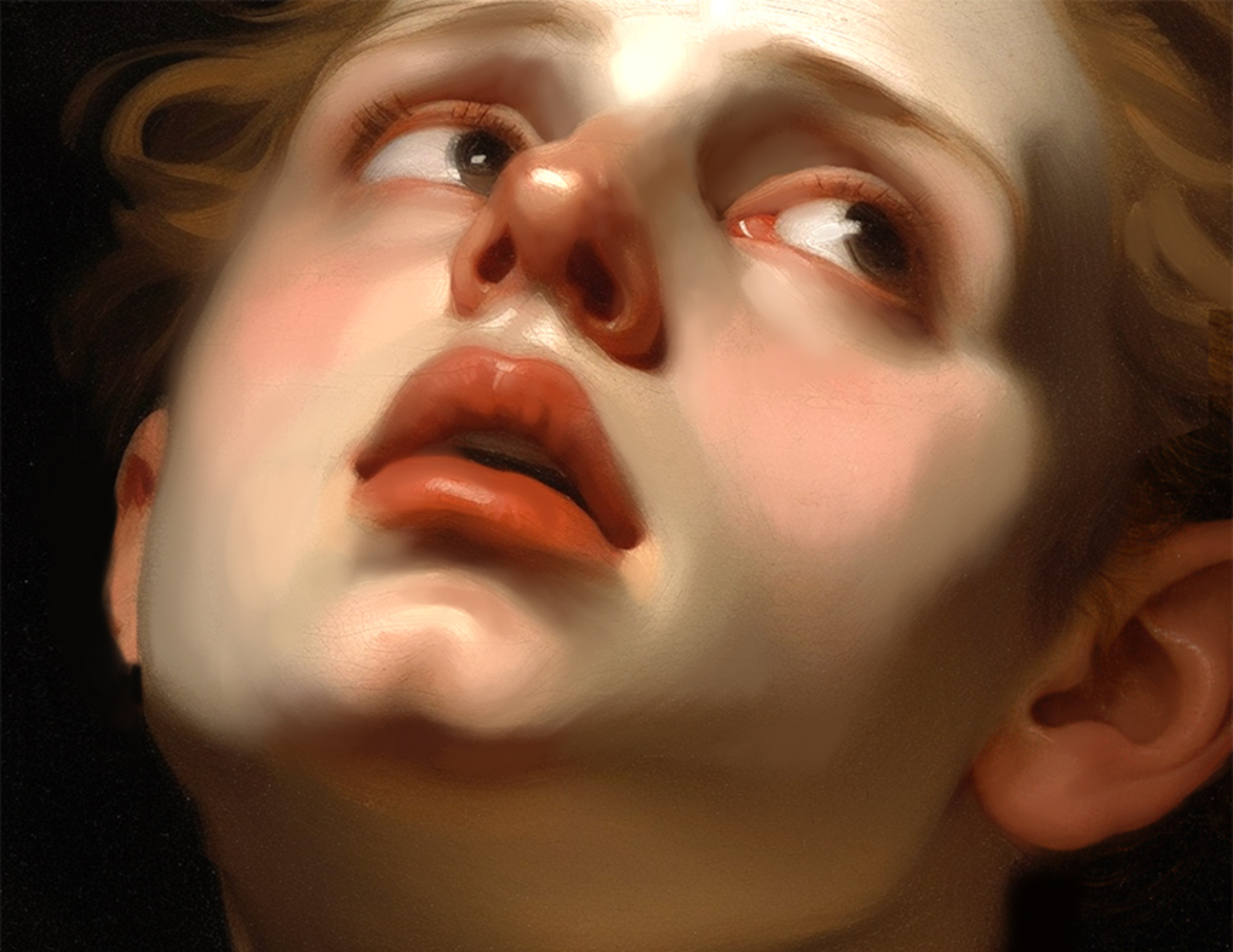
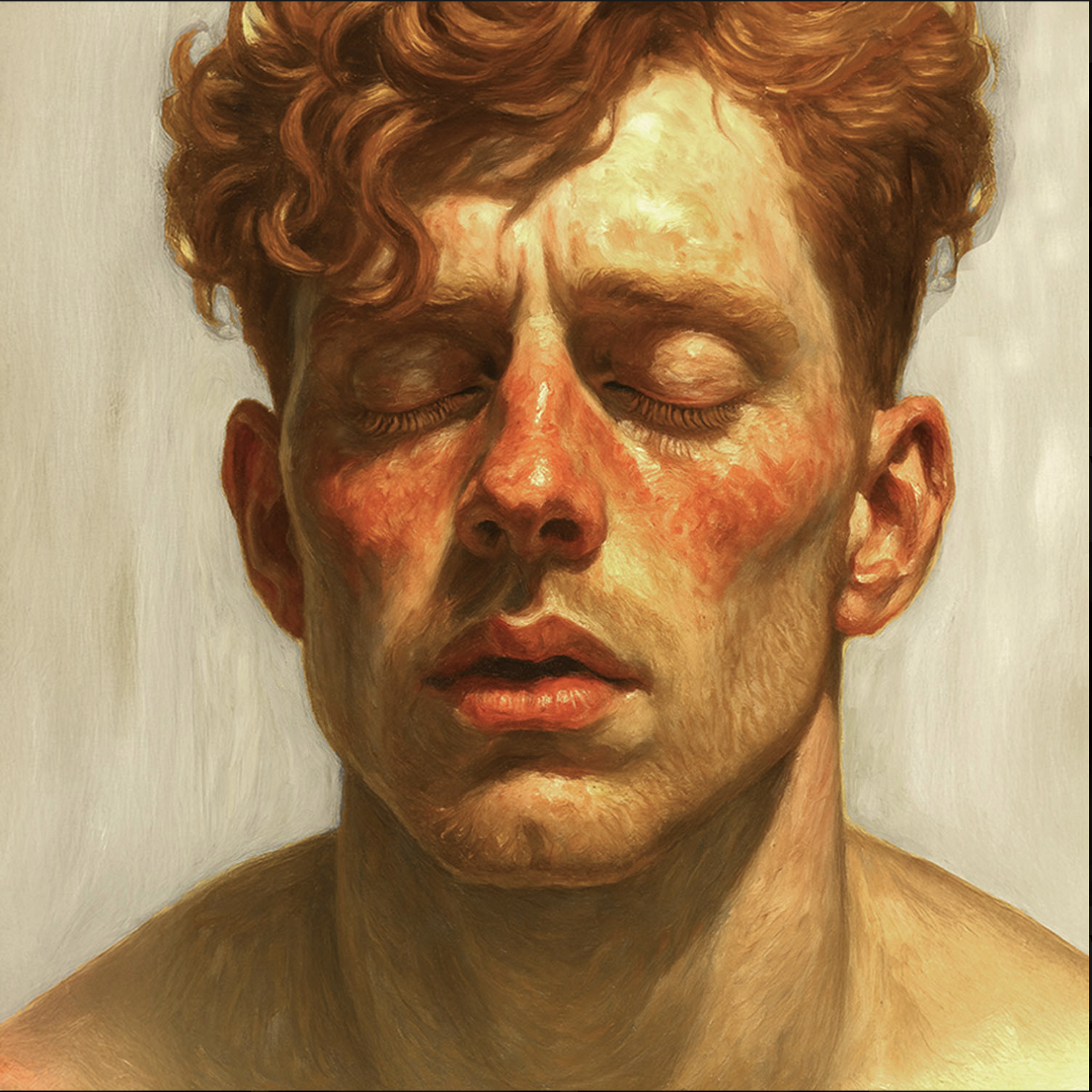
16: Seeing Red
Today was a hard day in the studio. I made a lot of mistakes. I had to start over and over and over again. I hated everything I did. Poor decisions. Many of them. Most, actually.
Jessica Helfand|The Icarus Diaries
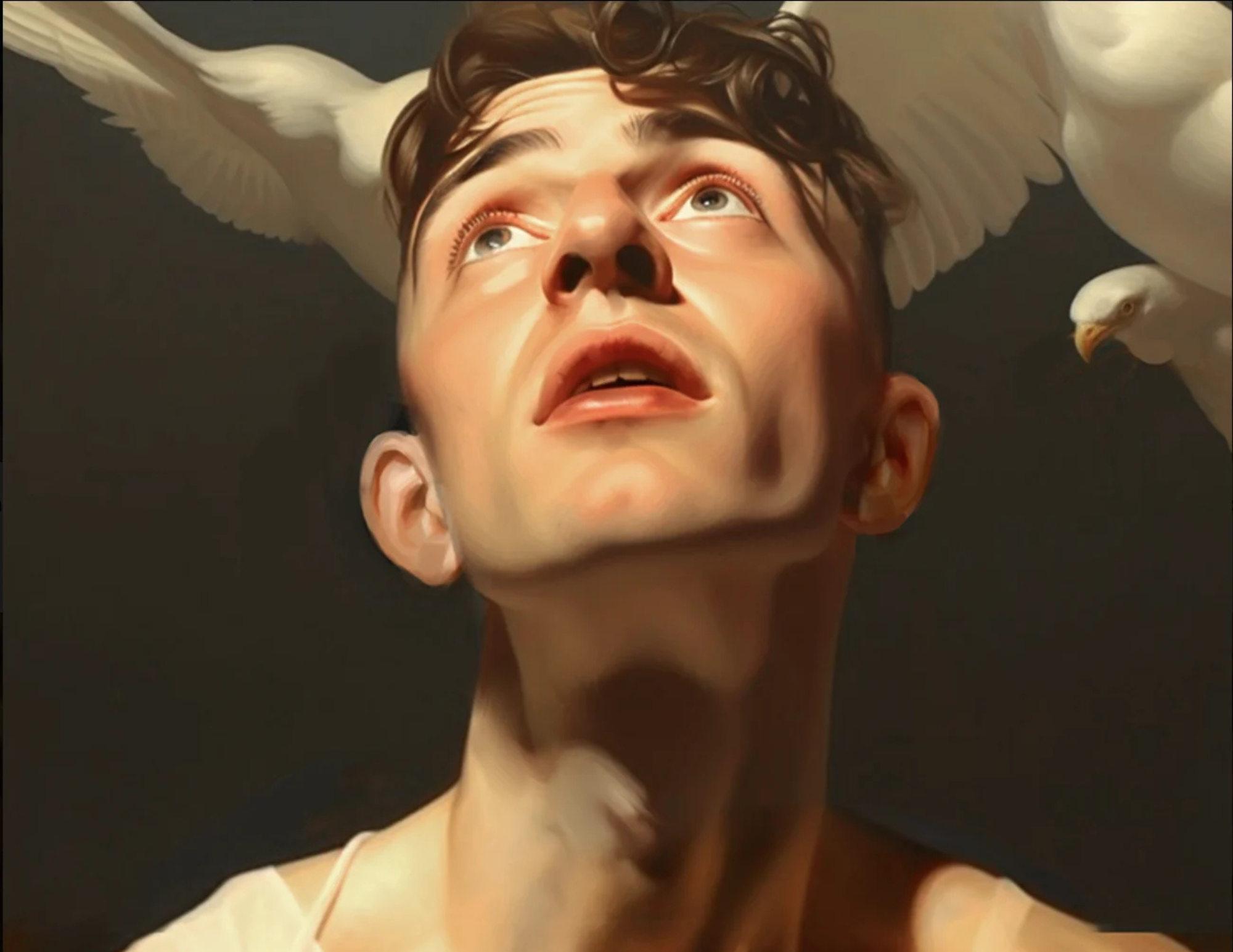
15: Flight Plan
Auden calls Icarusa boy falling out of the sky. I think about that sky and, and what else it might offer. Obstacles. Miracles. Birds.
Jessica Helfand|The Icarus Diaries
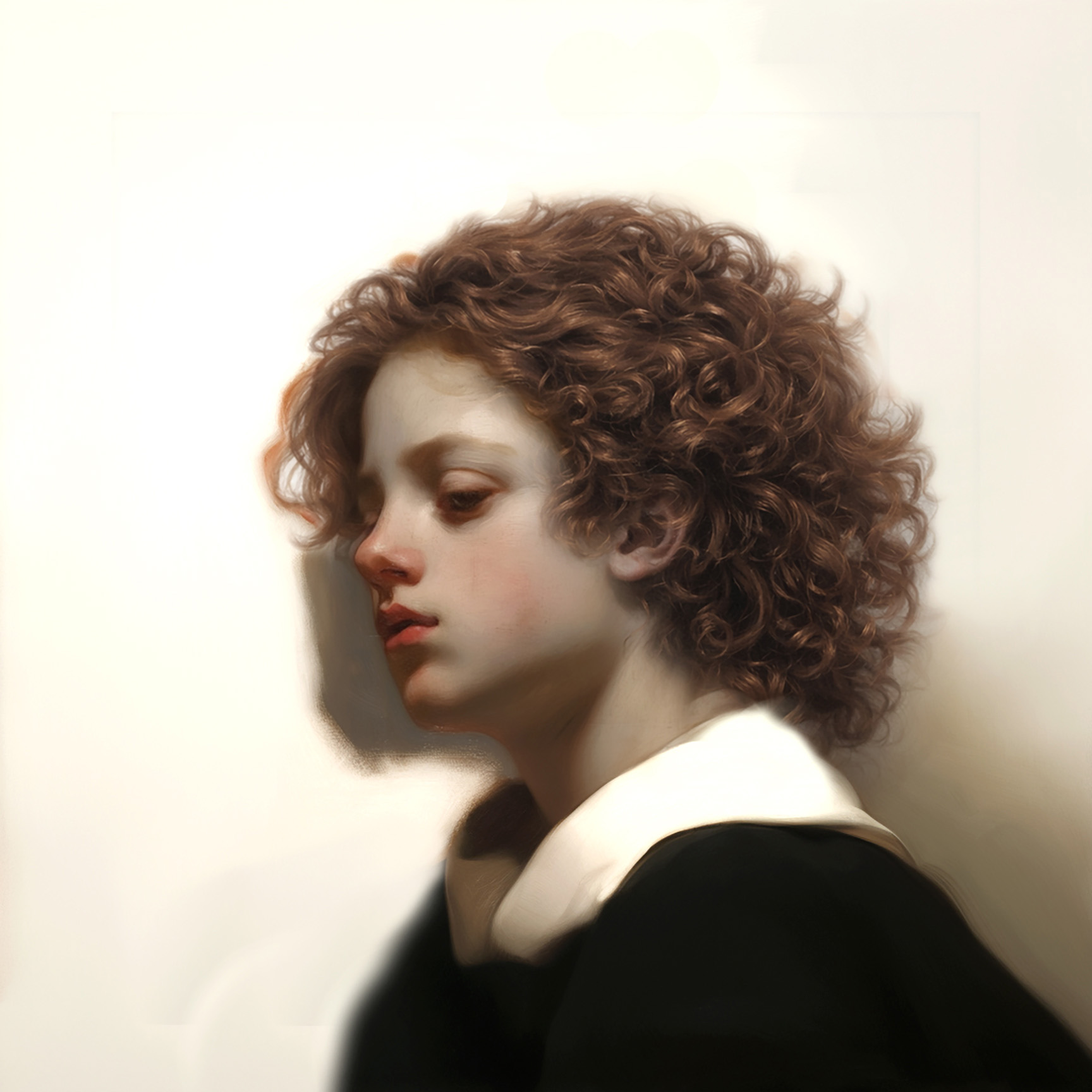
14: Puppet
I am picturing Icarus as a choir boy, isolated against a bright background as though pulled from a lineup. Ringlets, voice still high, dressed to fit in with the chorus. The gaze is downward, uncertain, mercurial.
Jessica Helfand|The Icarus Diaries
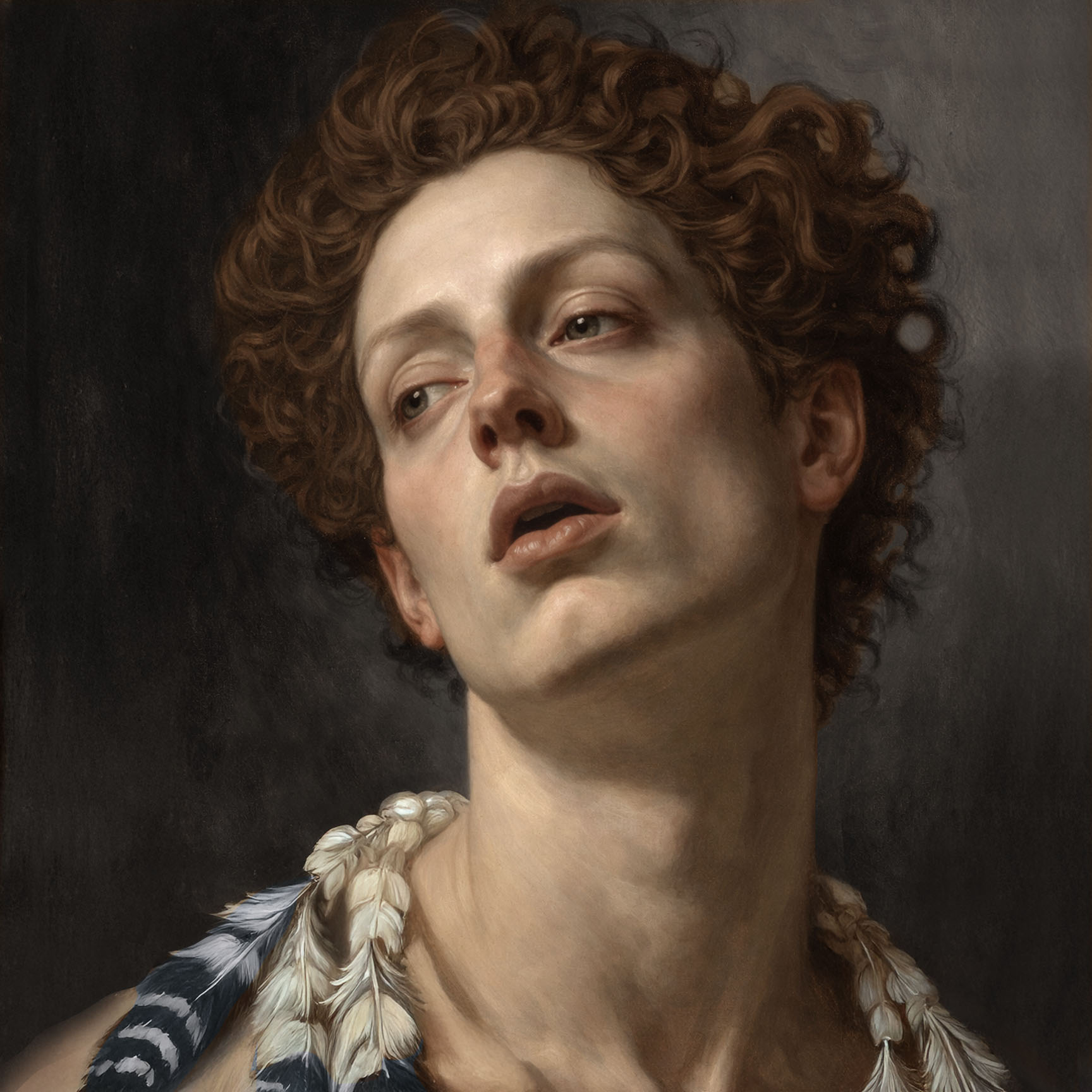
13: Fire
When I was a student, Gaston Bachelard’s The Poetics of Space was our bible. It never occurred to me to look for other things he wrote and it turns out that he wrote an entire book on the psychoanalysis of fire.
Jessica Helfand|The Icarus Diaries
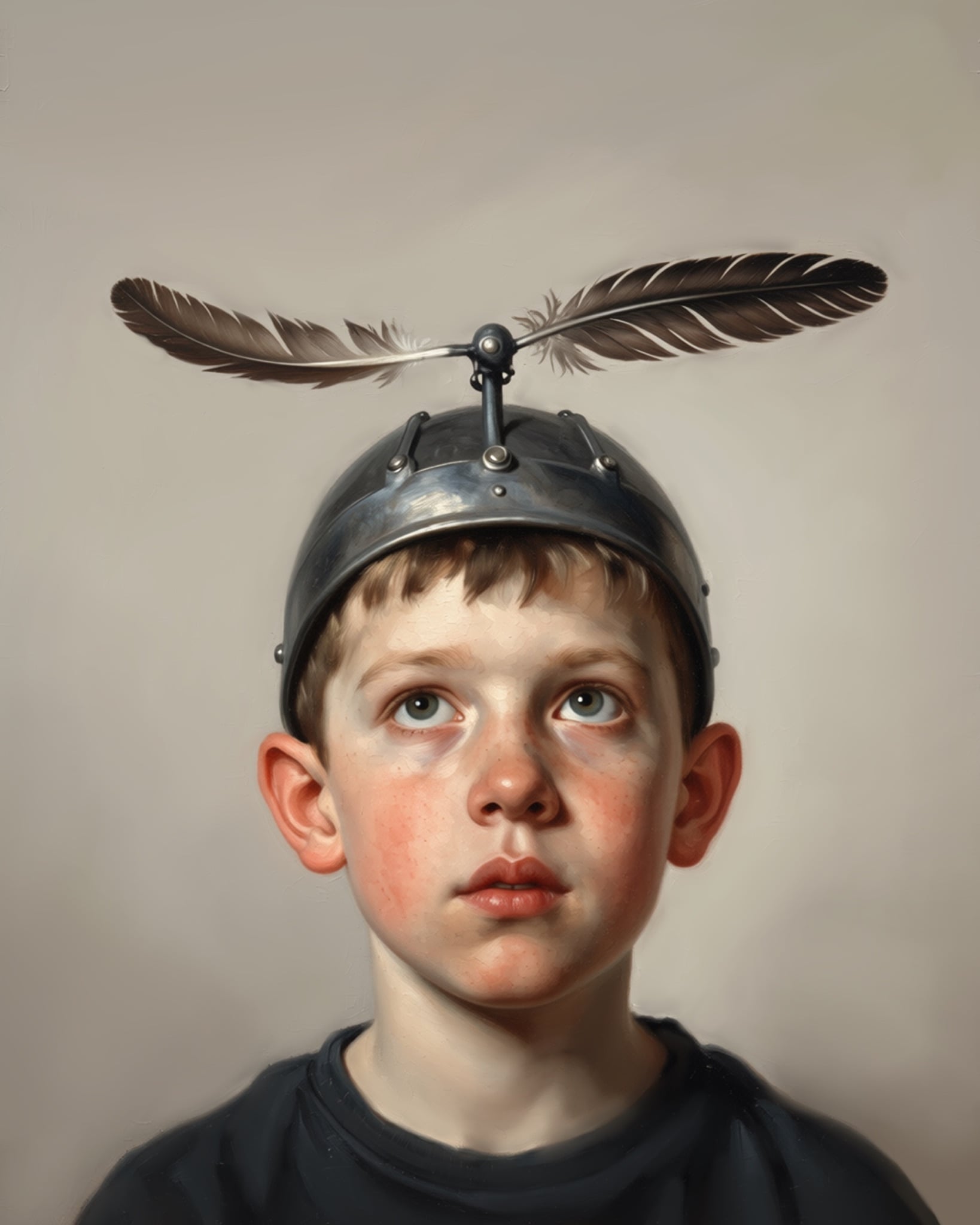
12: Scout
Read the introduction to this series. Sometimes when I slow down, strange things start to happen. Random associations. Curious deviations. I start to make mistakes, and (I think) the paintings become more interesting. Honor thy error as a hidden intention. (Brian Eno in Oblique Strategies.) I consider gravity—as in the graveness of the situation, and the … Continued
Jessica Helfand|The Icarus Diaries
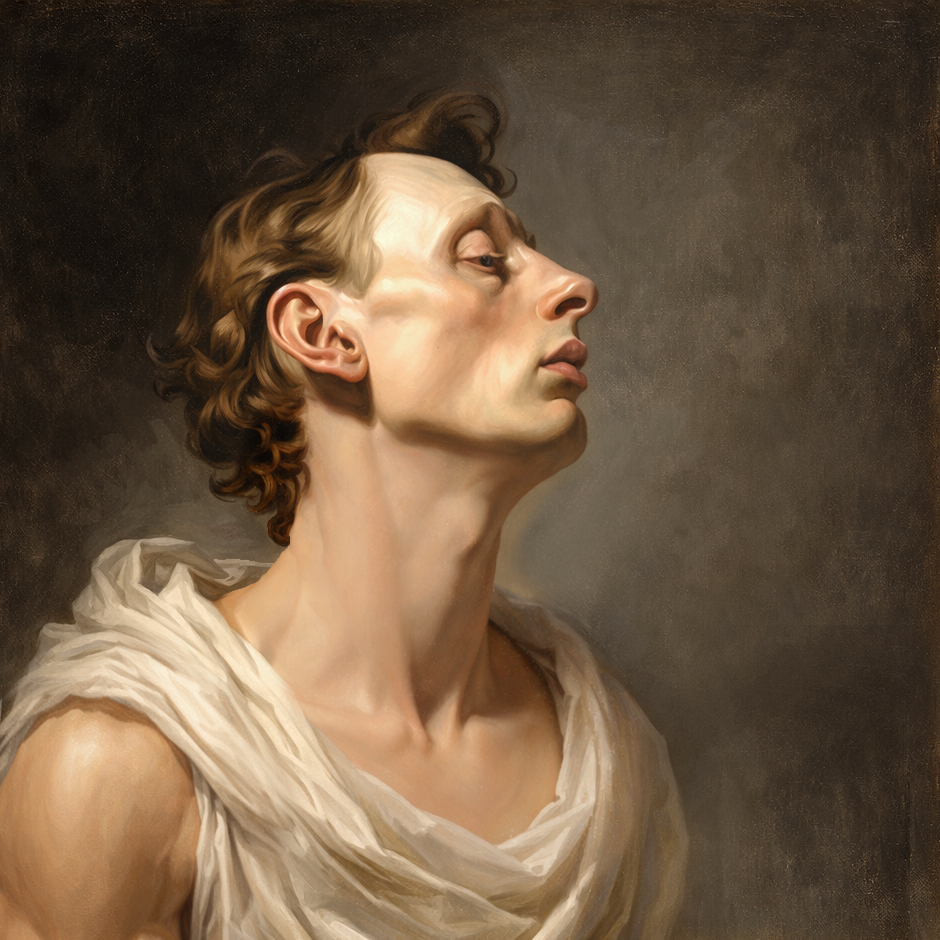
11: Propeller
Read the introduction to this series. David Moolten imagines Icarus as an immigrant, adrift on a wayward voyage: He doesn’t fall into the sea, but back Toward Russia Bill Callahan imagines him in hiding: Young Icarus flew at night for years He flew and flew and flew … As obsessed with evolution as ever From a … Continued
Jessica Helfand|The Icarus Diaries
10: Precipice
I have been thinking about Icarus’s father, Daedalus, and about the often persistent impasse between adults and adolescents that is hardly unique to Greek myth. Unspoken rivalries. Complex legacies. A parable of a different sort.
Jessica Helfand|The Icarus Diaries
09: Hullabaloo
Polyommatus Icarus is known colloquially as the common blue butterfly. Its adult lifespan lasts, on average, two to three weeks.
Jessica Helfand|The Icarus Diaries
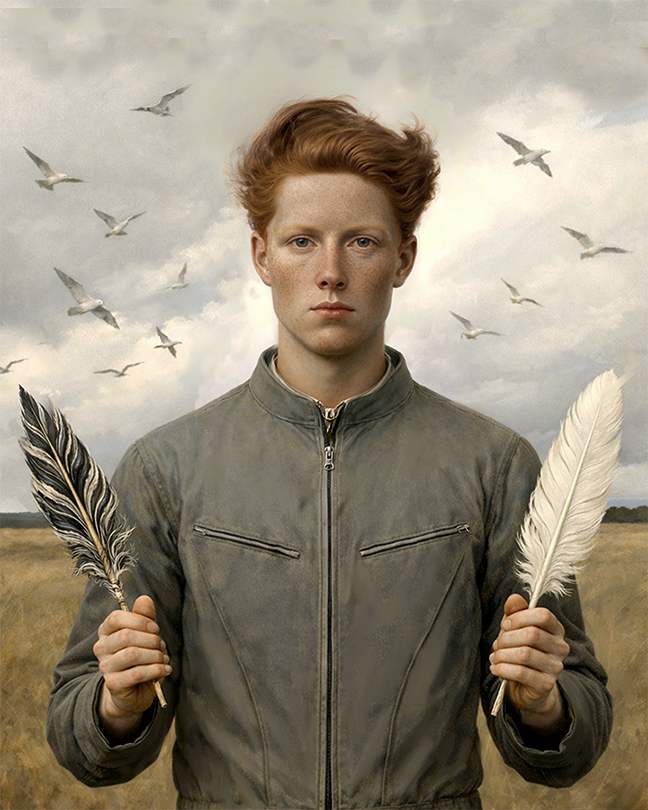
08: Featherweight
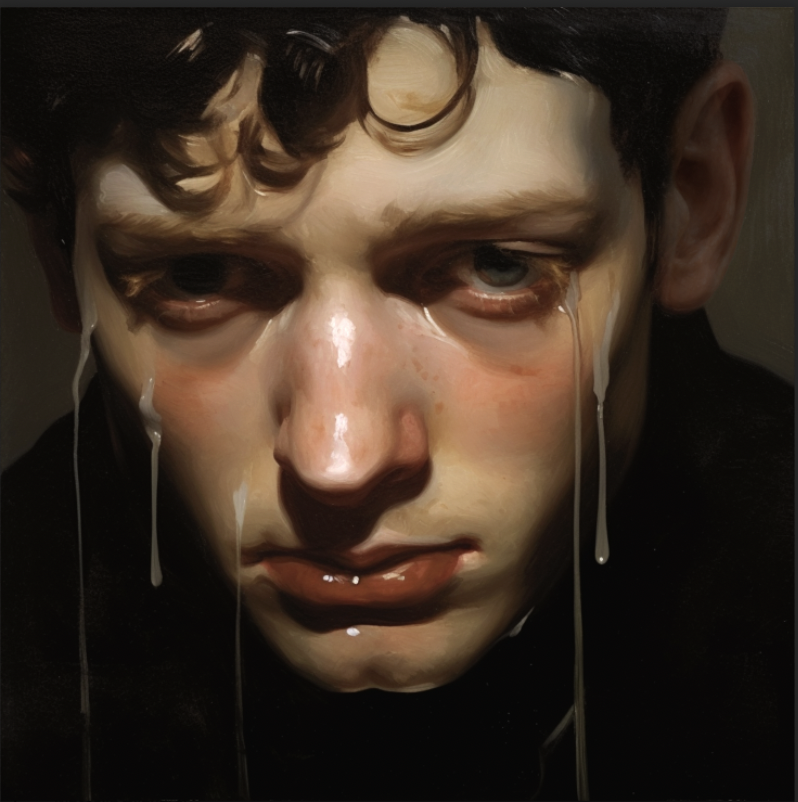
Recently I have been thinking of Icarus as a kind of footsoldier, out scavenging in an open field. Acquiring his arsenal. Gathering materials, and weighing his options. (Weighing his fate.)
Jessica Helfand|The Icarus Diaries
07: Meltdown
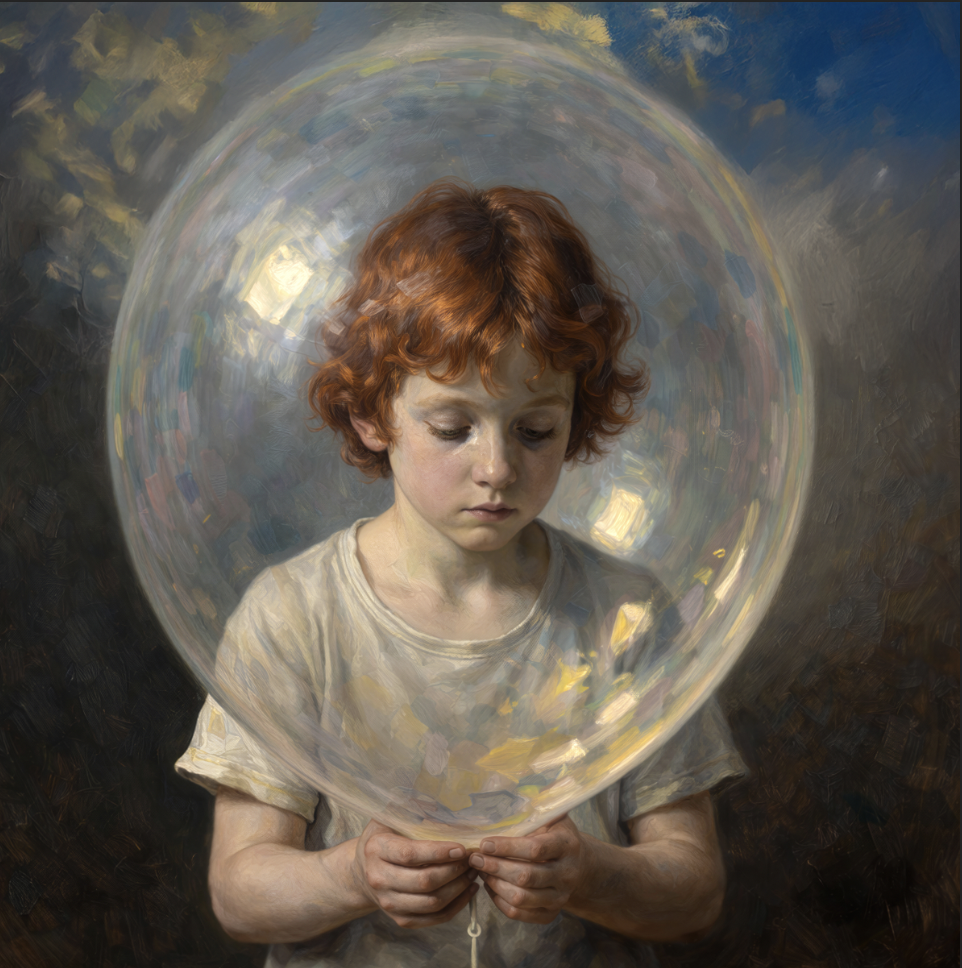
I have been thinking about wax as a medium for simulation, about how I might use it to morph or maneuver the skin into some kind of altered state. Tissue stripped away, facial integrity diluted. A face that dissolves.
Jessica Helfand|The Icarus Diaries
06: Every Man His Own Balloon
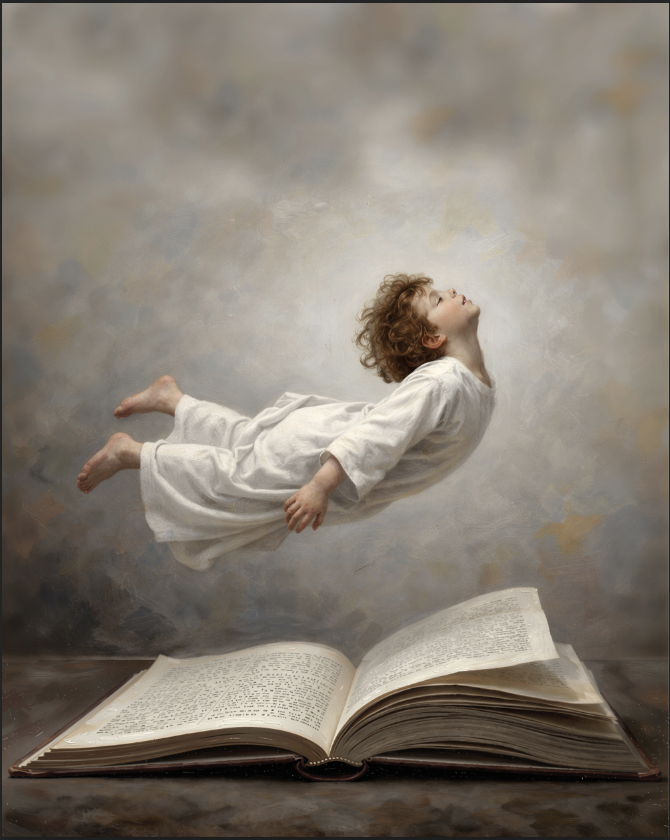
I’ve been thinking about halos. And the halo effect (which is its own kind of myth). The simplicity of that geometric form, a simple curvature above the head. The perfection of it. The divinity of it.
Jessica Helfand|The Icarus Diaries
05: Waxing
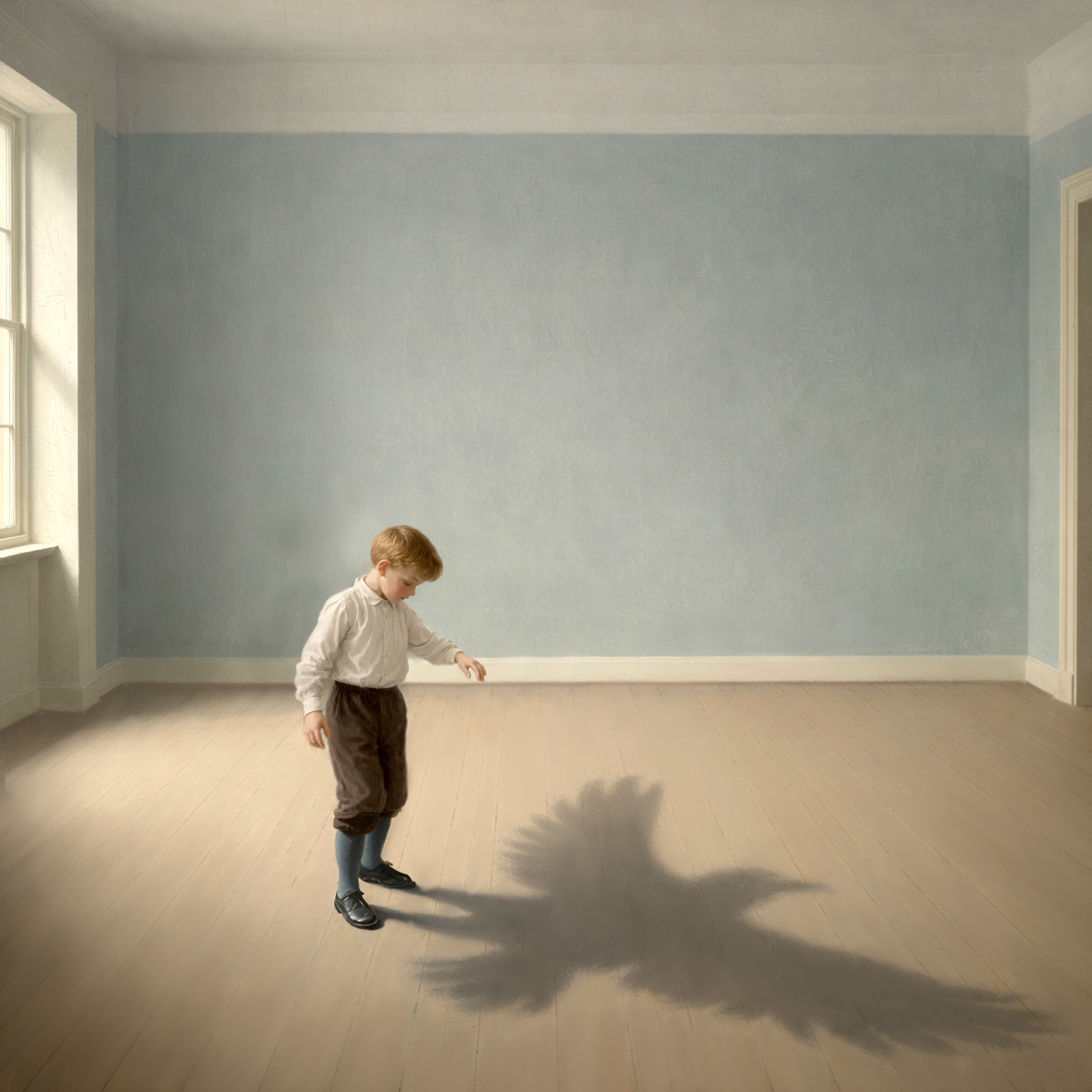
I am finding Icarus references everywhere. He’s a symbol for so much: adventure and aspiration, peril and mishap, the embodiment of recklessness, the fragility of youth. I’m still stuck on the youth part.
Jessica Helfand|The Icarus Diaries
04: Shadow Box
Flare up like a flame, wrote Rilke,and make big shadows I can move in.
Jessica Helfand|The Icarus Diaries
03: Born to Fly
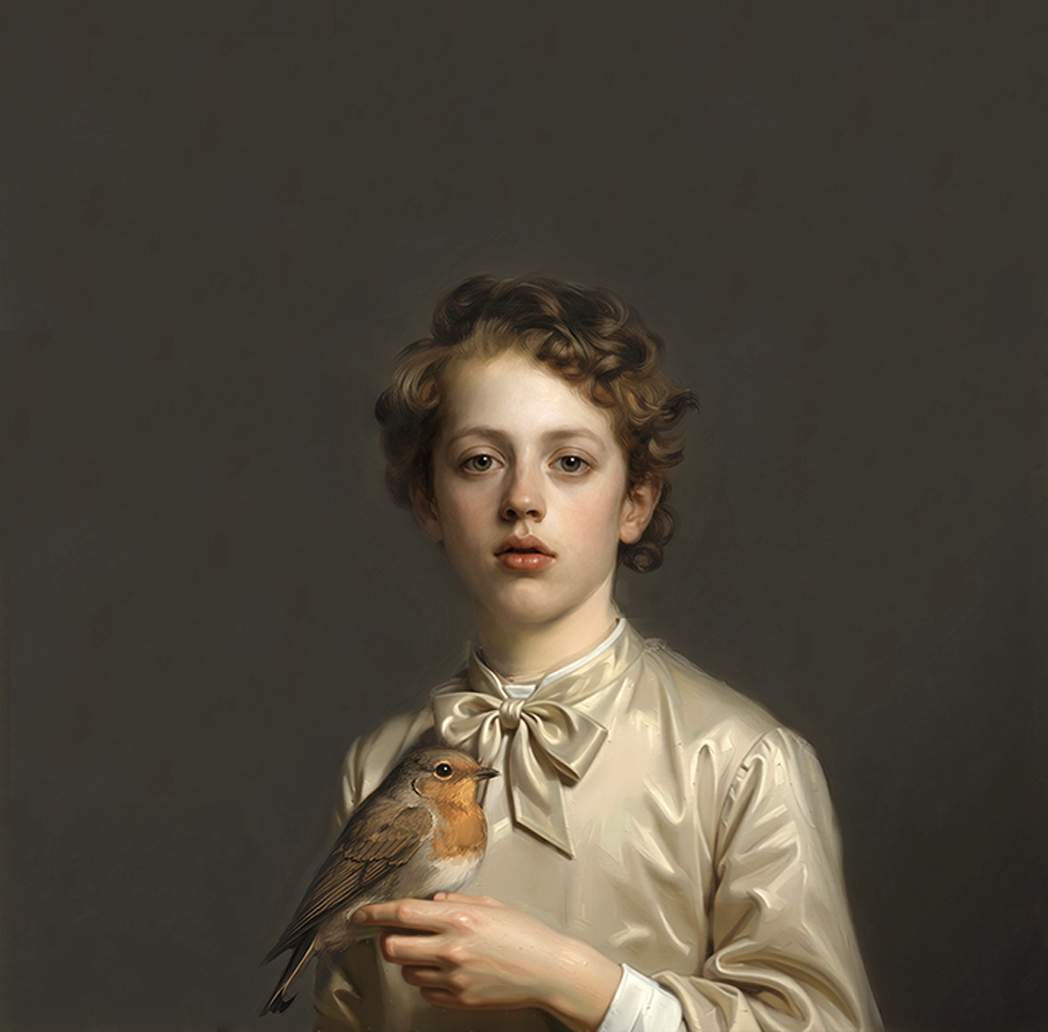
I imagine Icarus as a child, dreaming of adventure. A double portrait of a boy and a bird. A moment of stillness, calm before storm.
Jessica Helfand|The Icarus Diaries
02: The Backstory
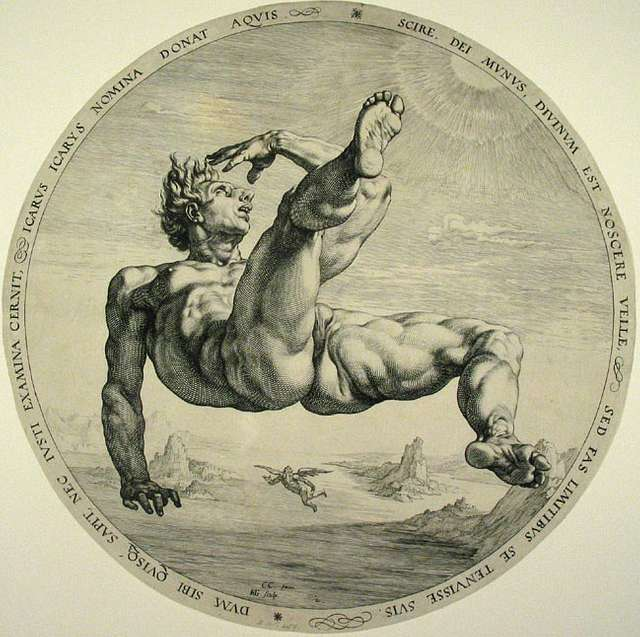
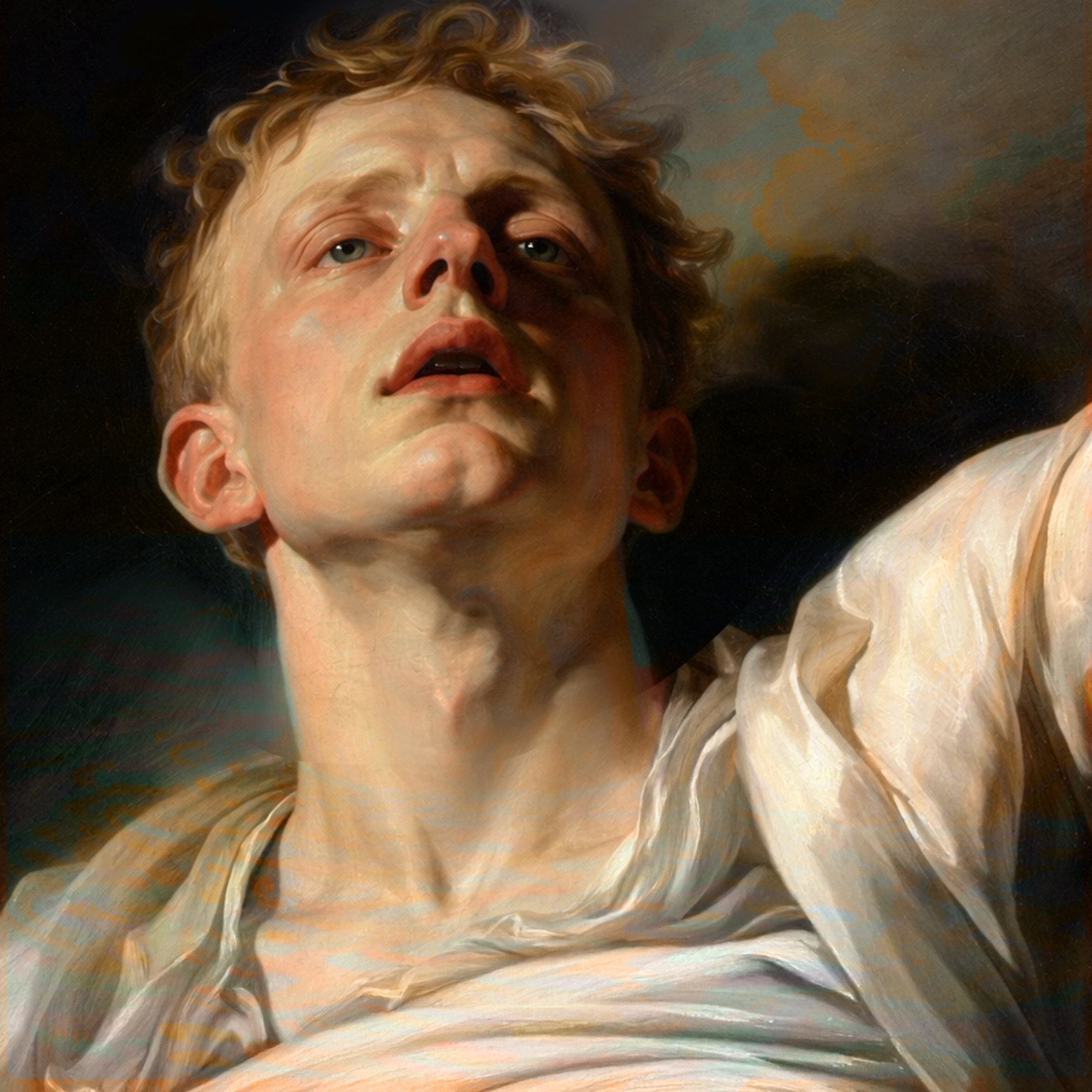
Classically, Icarus is shown as a fallen angel, muscled body in freefall. The focus is on his flight, not his face. But who was he, really?
Jessica Helfand|The Icarus Diaries
01: Facing Icarus
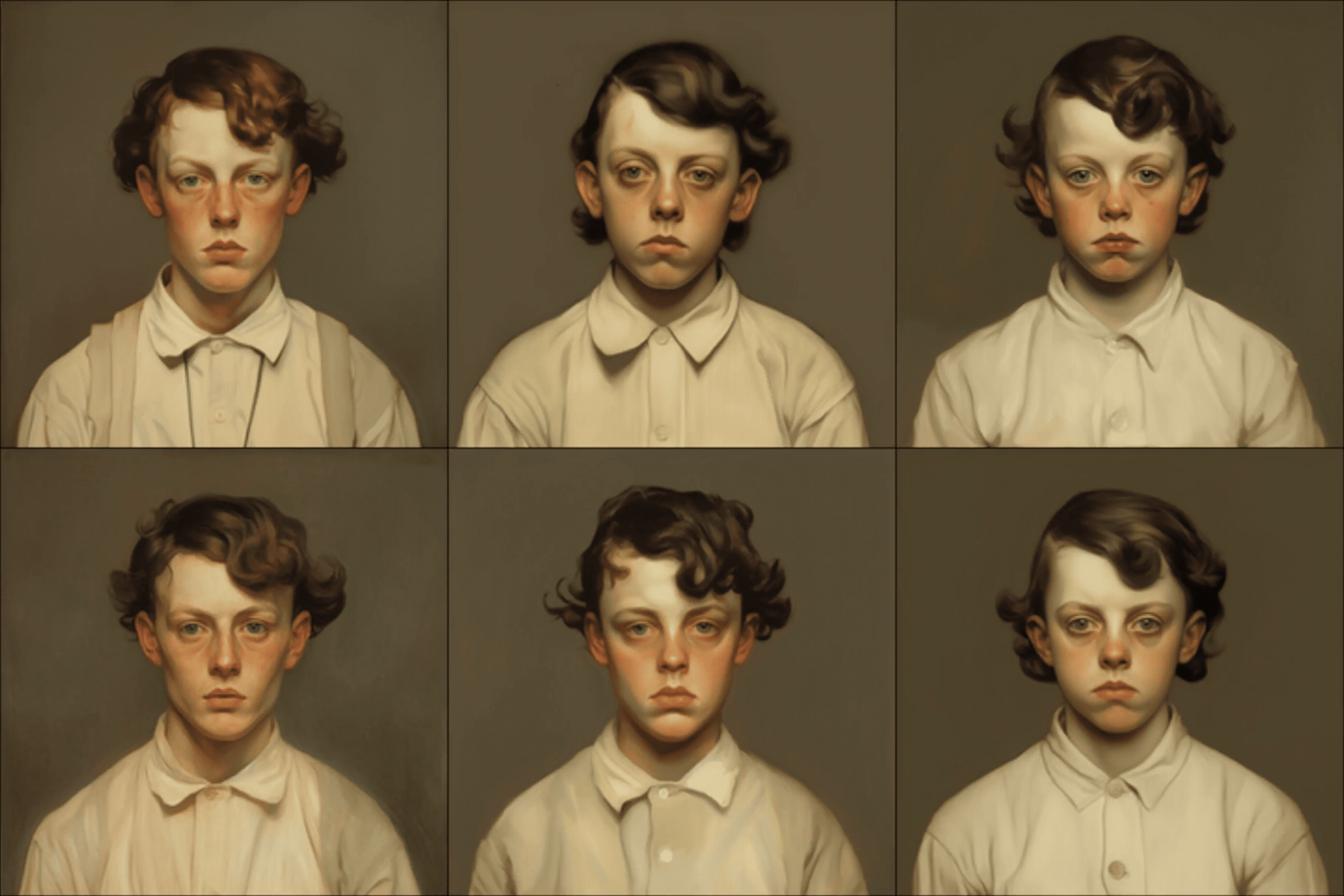
I am working on a series of paintings about Icarus, beginning, as I always do, by making sketches and combining them in AI with specific texts—in this case, from Ovid—who famously wrote about Icarus in book eight of his fifteen-volume epic poem, Metamorphoses.
Arts + Culture
Ellen McGirt|Interviews
The face, reconsidered
In 2019, artist, designer, writer, and Design Observer co-founder Jessica Helfand published Face: A Visual Odyssey, a compelling examination of the history of images of the human face—from historical mugshots to medical research images to humanoid robots, and beyond. “The face has always been a hieroglyph, at once the instrument of lucidity (we all have … Continued
Observed
View all
Observed
Share on Social


By Jessica Helfand
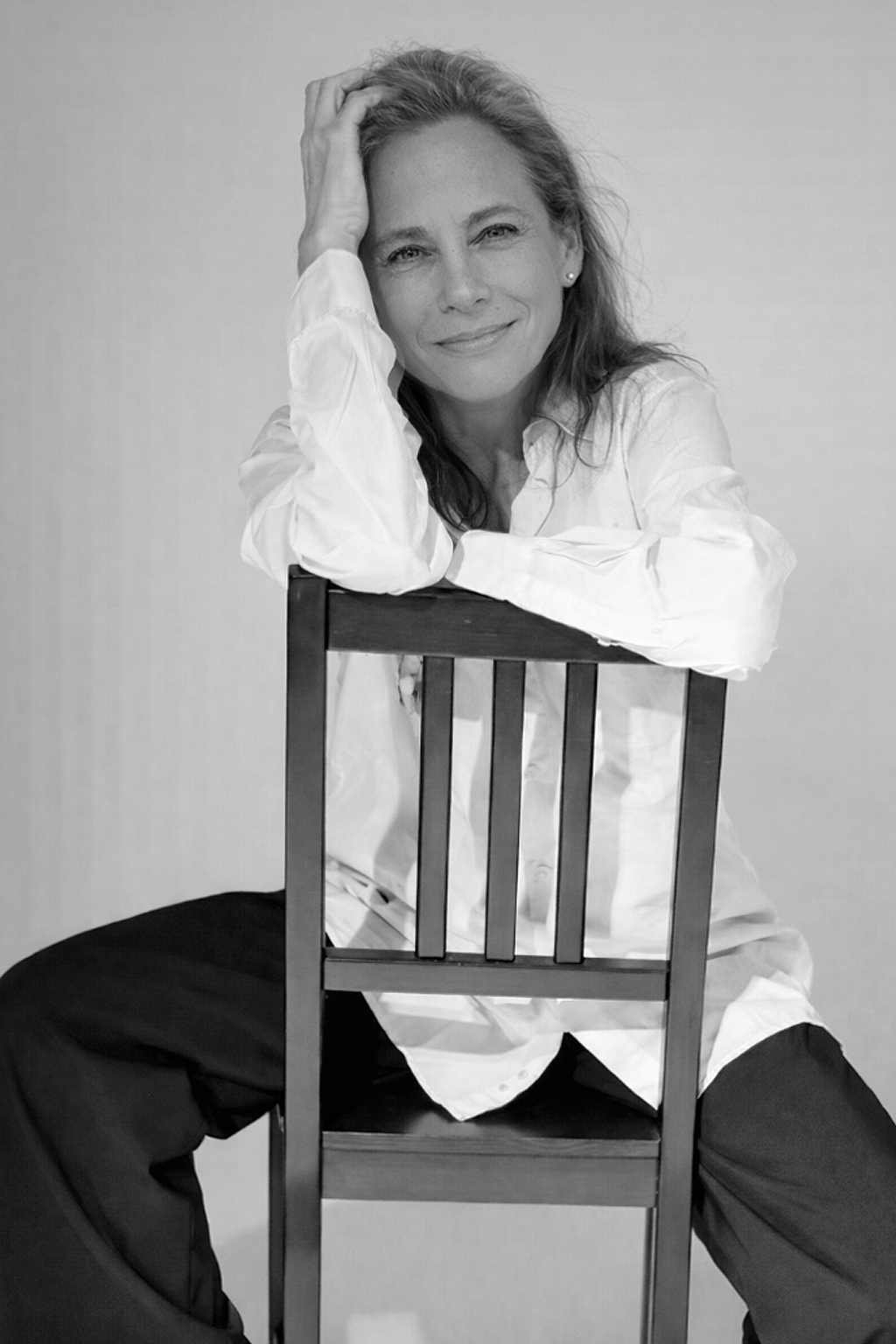 Jessica Helfand is an artist and writer based in New England. A former critic at Yale School of Art and one of the founding editors of Design Observer, she is the author of several books on visual culture including Self Reliance, Design: The Invention of Desire, and Face: A Visual Odyssey. jessicahelfand.com
Subscribe to The Observatory