


Rachel Paese|Design Juice, Interviews
July 30, 2026
Finding your voice is slower than going viral, but it’s worth it, says designer Guillermo Flores Pacheco
After 20 years designing for big brands like Nike, Adobe, and Marc Jacobs, the artist says the real work was learning to draw from his Mexican identity to cultivate a unique style.
Editor’s note: If you prefer, find a version in Spanish below
Nota del editor: Si lo prefiere, encontrará una versión en español a continuación
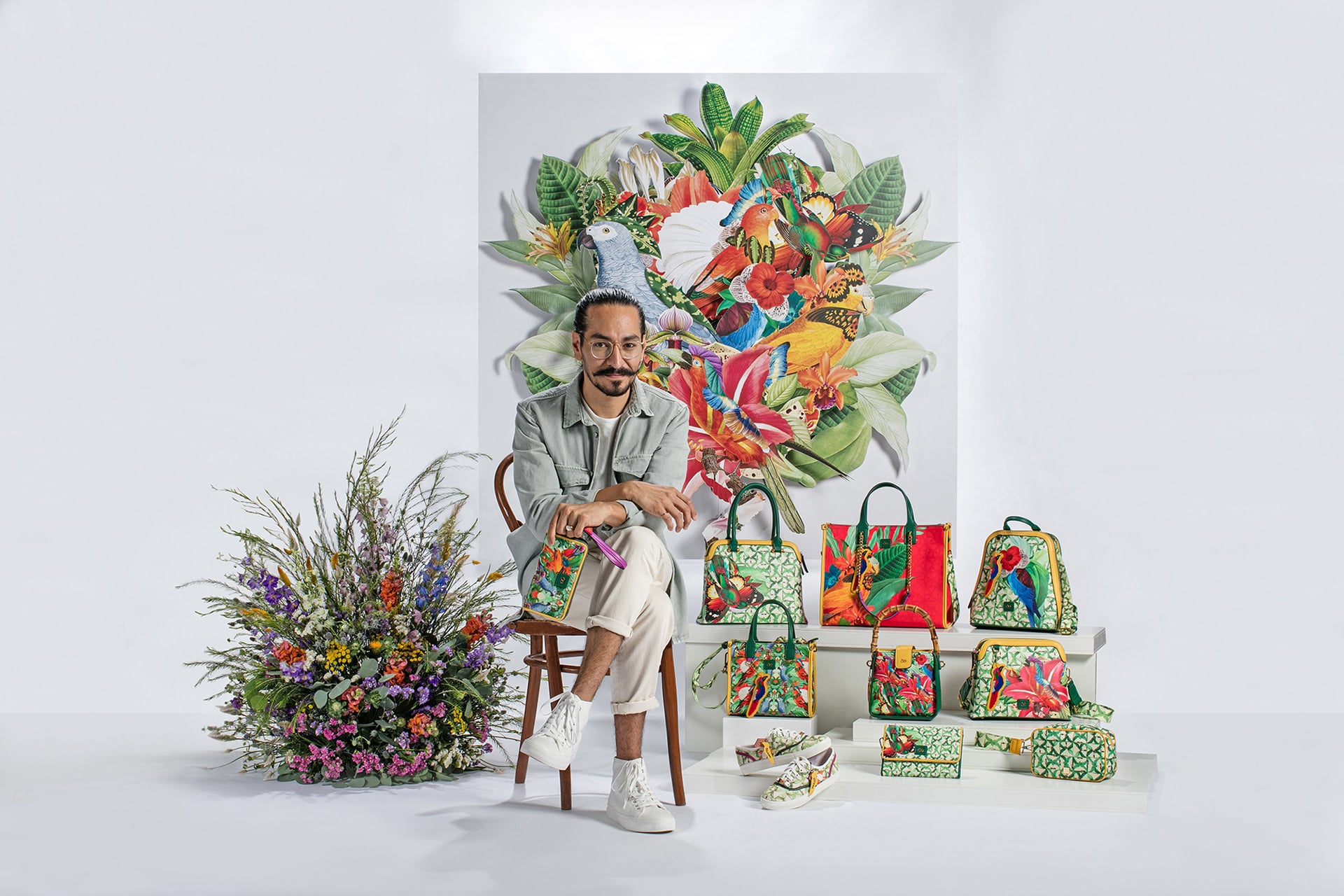
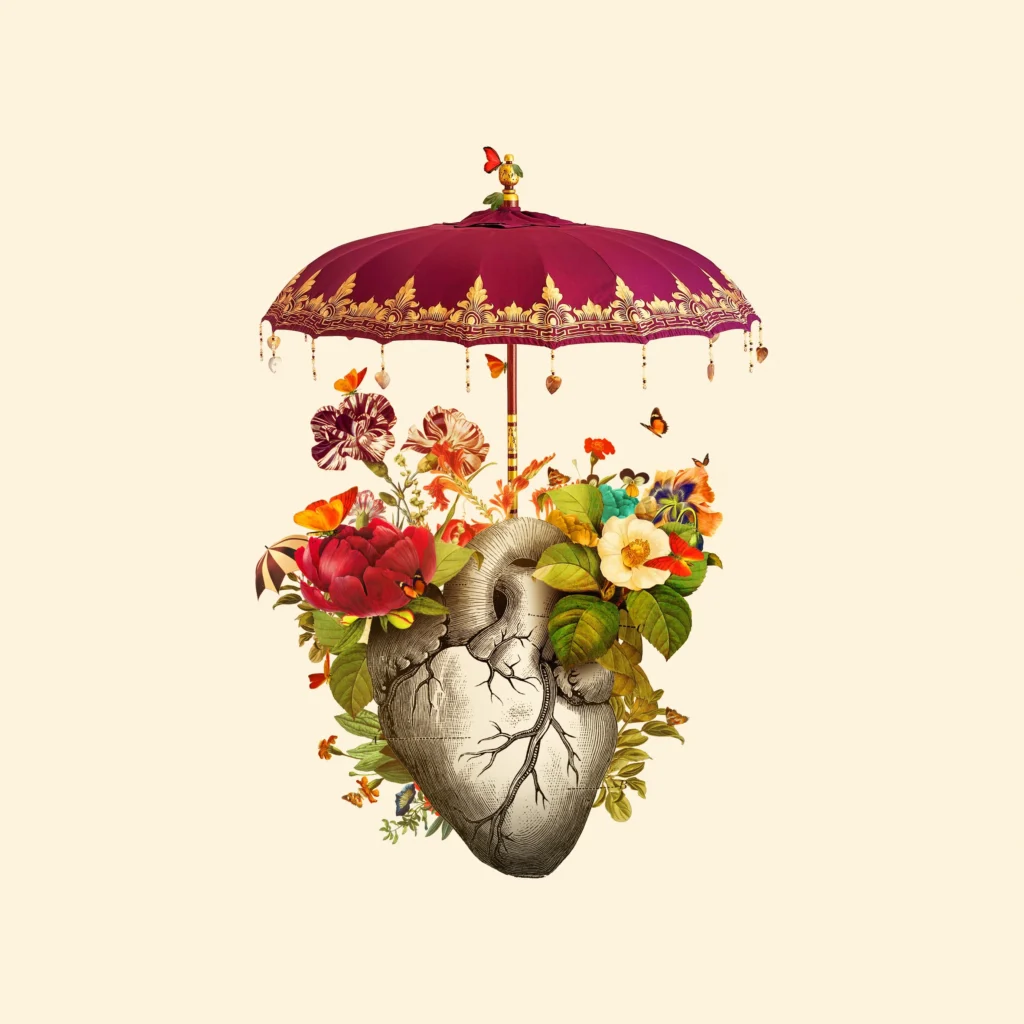
Guillermo Flores Pacheco has a distinctive illustration style: vibrant colors, birds, lush plants, whimsical characters. It’s a style that has landed him projects with big companies like Adobe, Apple, Nike, Sephora, Burning Man, Marc Jacobs, Citi Private Bank, and Cirque du Soleil.
Flores Pacheco has cultivated a 20-year career as an art director, graphic designer, mixed media artist, and speaker. But the kind of style that gets you noticed doesn’t happen overnight, he says.
“A lot of people all over the world think my style is so ‘Mexican’ and they love it,” he says.
His work is informed by his childhood in Guadalajara, Mexico, surrounded by flowers, his family, colorful birds, and illustrated books. His focus was protected, in part, by circumstance. “We didn’t have internet,” Flores Pacheco says, “So instead, we have a huge collection of records and musical instruments and a lot of books.” It was his first introduction to editorial design; his favorite among them was an illustrated edition of John James Audubon’s The Birds of America.
Flores Pacheco says he’s often the only person from Mexico in the professional spaces he enters, and represents his identity through his work, illustration style, and more recently, on the conference circuit. In those moments, he feels a responsibility to tell people, “We have a lot of talented people here, so you need to work with us.”
He inherited this conviction from his mother, “Chelo” (Consuelo Pérez Rubio), the famous ranchera singer who, in 1984, became the first woman to receive a Grammy nomination for best Mexican-American Performance. “This is not about me. This is about our culture,” she reminded him.
Embracing his culture helped him uncover his voice, an investment that he believes is the key to having a career he’s proud of. “There are a lot of designers trying to be viral, but developing your voice takes time, trial and error, and hard-learned lessons.” Now, after two decades, he says, “When I look back, I think, My gosh, I have a career.”
His advice: do the disciplined work of finding your voice, even at the expense of instant validation or public acclaim. Remember, “We’re the ones who make the project special,” he says.
Design Observer chatted with Guillermo Flores Pacheco about what it’s like to work with big brands, preserving his artistic voice, culture, AI, and periquitos.
This interview has been edited and condensed for length and clarity.
Do you have a project that you’re most proud of?
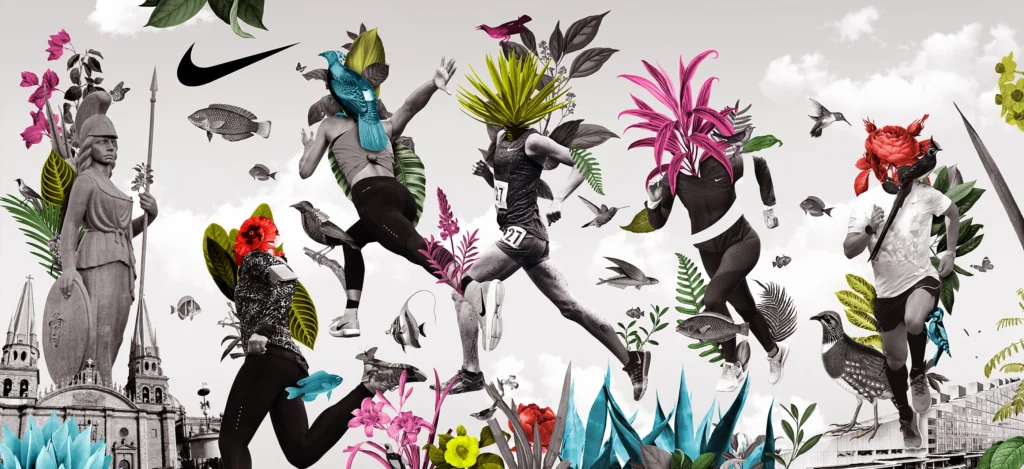
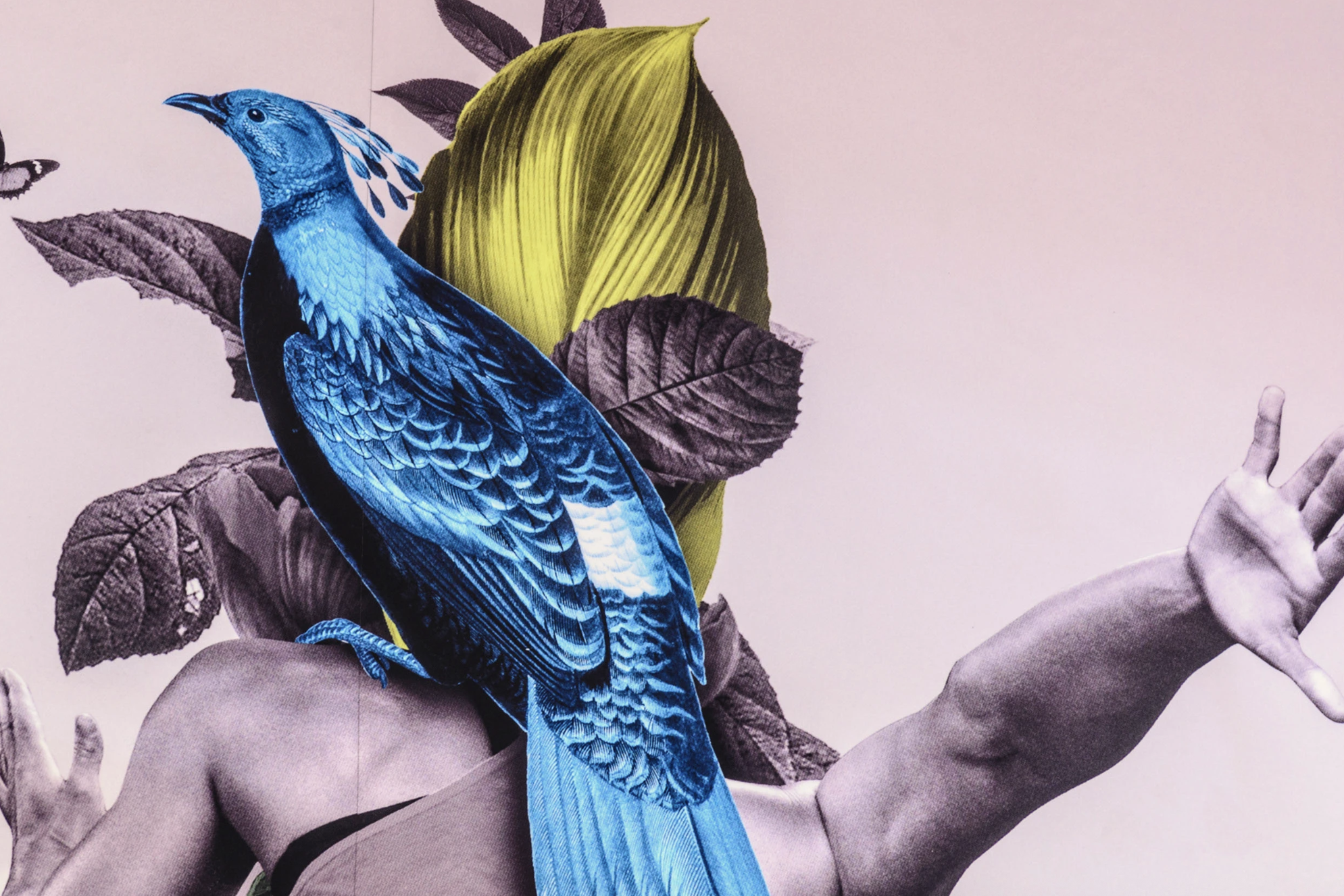
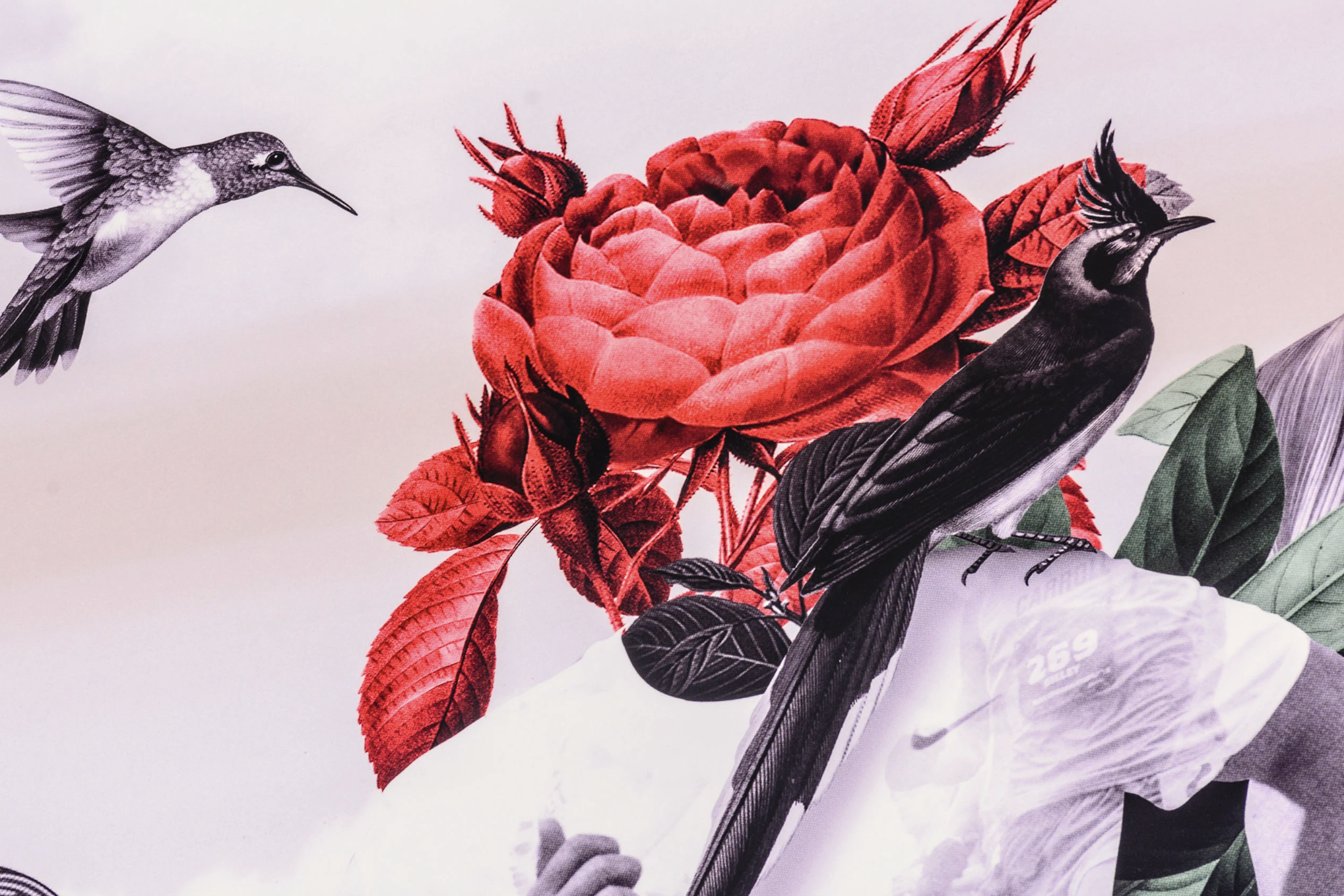
Once, I worked with Nike, because they came to my hometown in Mexico. They have a lot of stores all over the world, and they decided to come here. They asked me to design a mural, and the final result was incredible. That was my first big client as a freelance artist.
It was an amazing experience to work with a large brand like that, but on the other hand, I love when small projects come my way. Two years ago, I worked with a couple of entrepreneurs in New York City.
First, they asked me to create some illustrations for their chocolate product packaging, but then we became friends, and they asked me to design the whole branding.
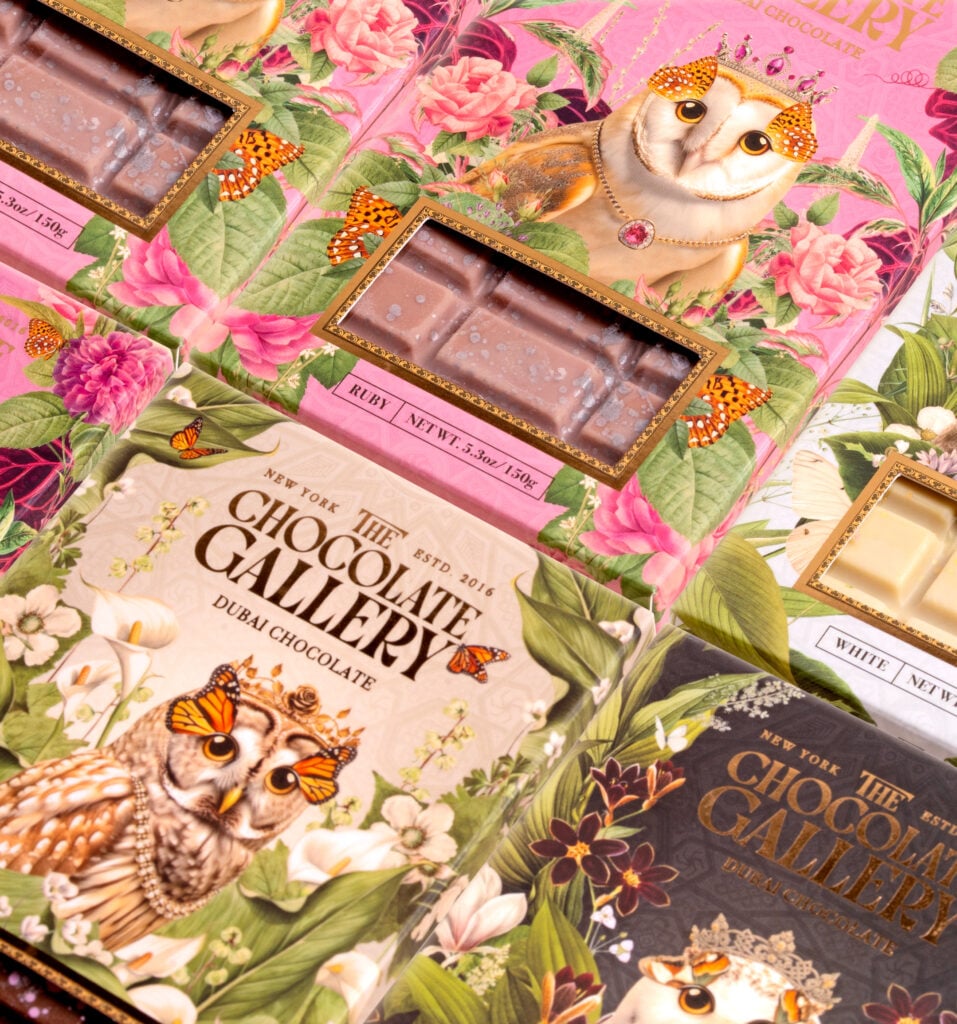
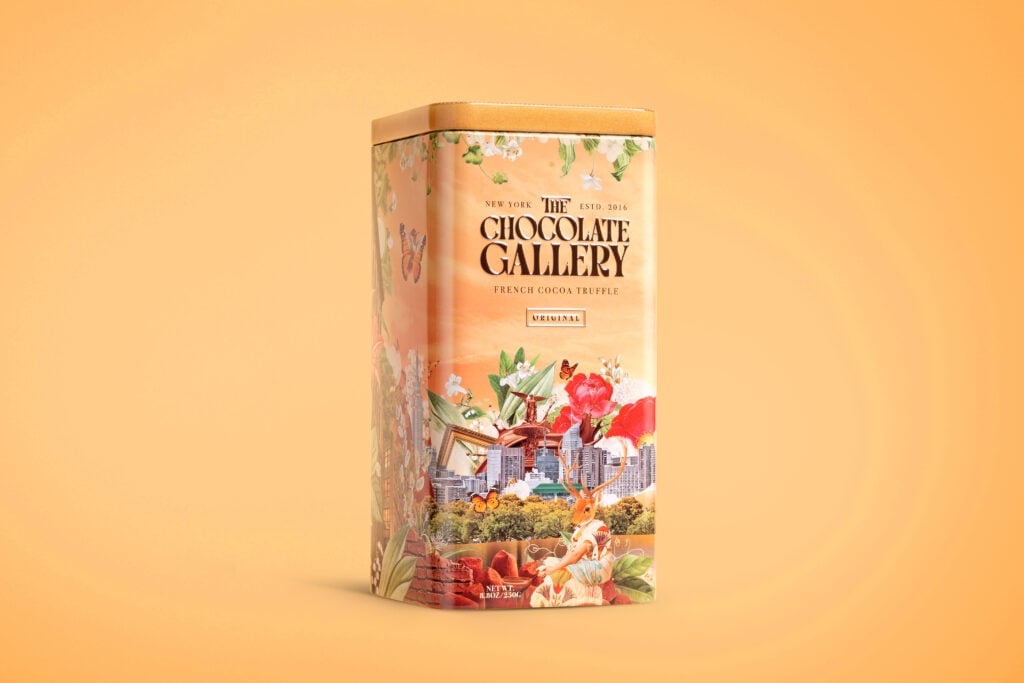
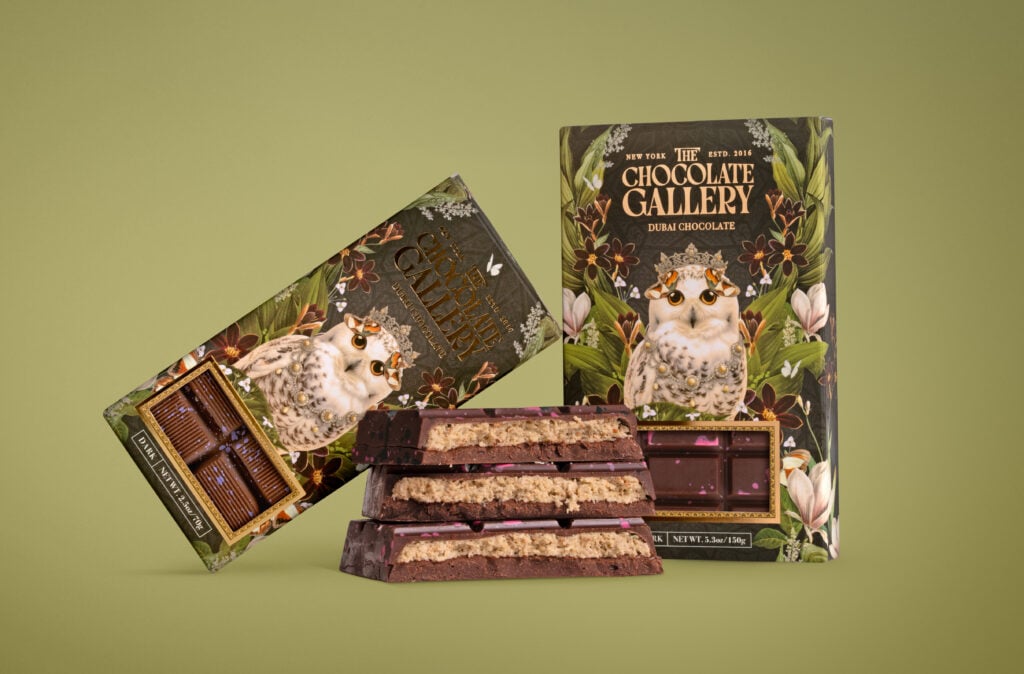
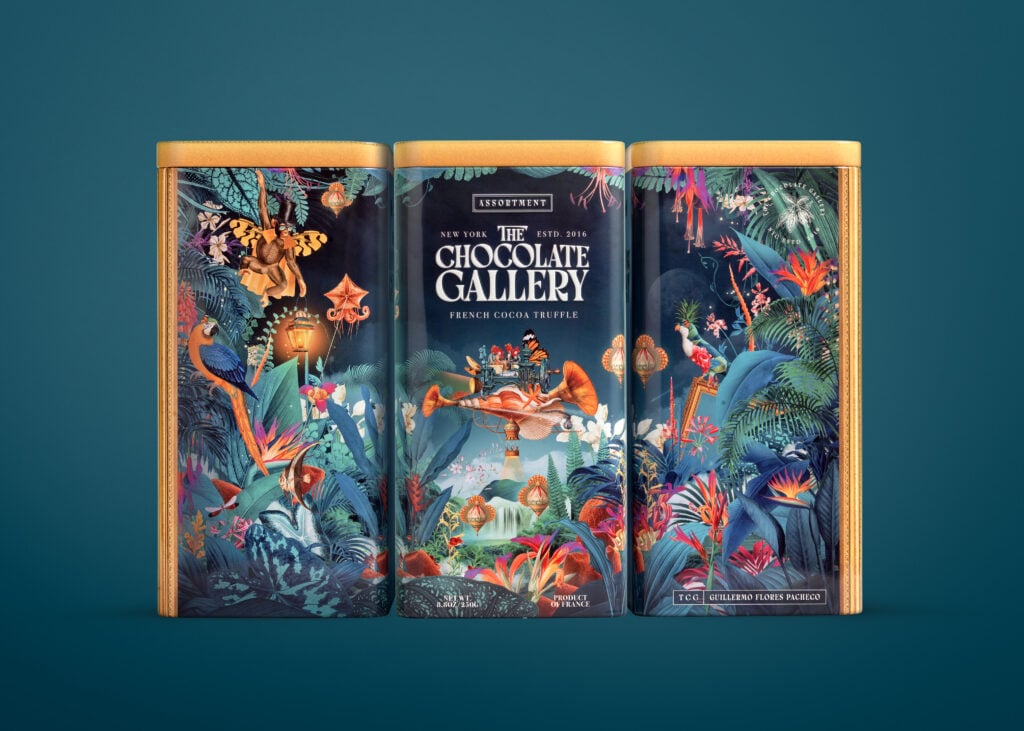
Suddenly, I was in charge of the entire project. I was the art director. I was working with web developers, photographers, with animators.
I love to work with huge brands, but I love to work as an art director in small projects. It’s pretty interesting when the client invites you to be part of their dream.
What is challenging about working with big brands?
Many of us are waiting for the project and hoping that will make us — hoping that a product or brand will make our lives special. But it won’t. We need to understand that we are who make the project special. It’s not about the brand, it’s about us.
When I worked with Adobe, I used to think: “Wow, I’m a huge fan of the brand, and that brand is everything — I feel validated!” You’ll end up losing sight of who you are if you think that way. What happens when you don’t have those kinds of big clients or major brands? You feel like something is missing, as if you aren’t good enough.
I think it’s important to understand that we’re the ones who make the project special.
Before you worked with big brands, how did you present your work and build a name for yourself?
I started by posting my projects on Behance, but I didn’t just limit myself to showing an illustration and leaving it at that. I’ve always tried to show the final result (often using mockups) so that art directors could see the complete idea in my head. I also always made an effort to have a good website, which gave me credibility with clients.
Have you ever made a mistake during a project that taught you a hard lesson?
Yes. Once, I worked with a musician that asked me to do a lot of things. And at the beginning, it was a great project, but then I started to feel like they were making every single decision. I became the guy doing whatever they asked for. That’s something I regret, because at the end, the final result wasn’t the best I know I can do.
This is so important. You need to protect your own voice as an artist.
A lot of designers and graphic designers ask me, how can I find my voice?
I’ve been doing this for over 20 years, and I remember at the beginning, I really felt a commitment to my style, to flowers, to the vintage style, to animals, to birds. And when I look back, I think, My gosh, I have a career.
I always try to keep that in mind: this is my style, this is my voice. When you understand that and you embrace that, you can grow as an artist.
What does your artistic practice look like?
I have a whole ritual, I love to grab a coffee and sit down in a coffee shop for hours and just watch everything. I’m doing some kind of research in my mind — understanding my environment.
When someone asks me to create something, I directly go straight to those kinds of activities. That’s just part of my life routine.
Although the inspiration for each project definitely comes from research, you need to read extensively on the subject so that whatever you propose fits within the project’s ecosystem.
Three years ago, I went to Australia to a design conference in Brisbane. I traveled to Sydney, where I went to the Australian Museum. They have a library with drawers of butterflies. It’s pretty awesome.
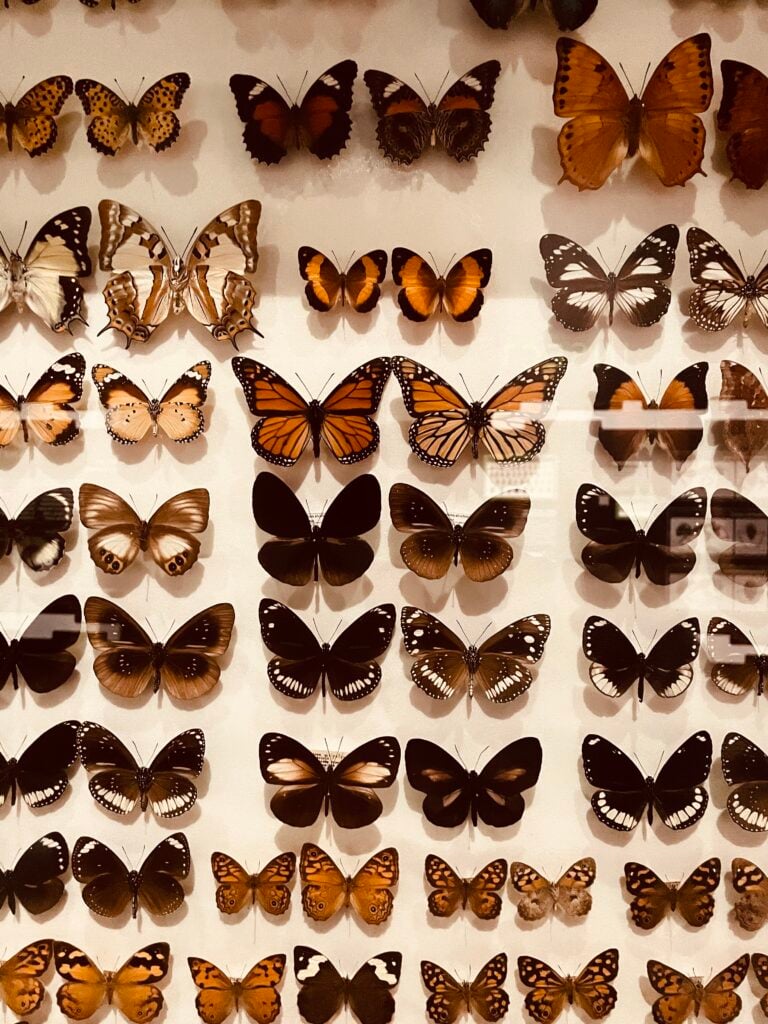
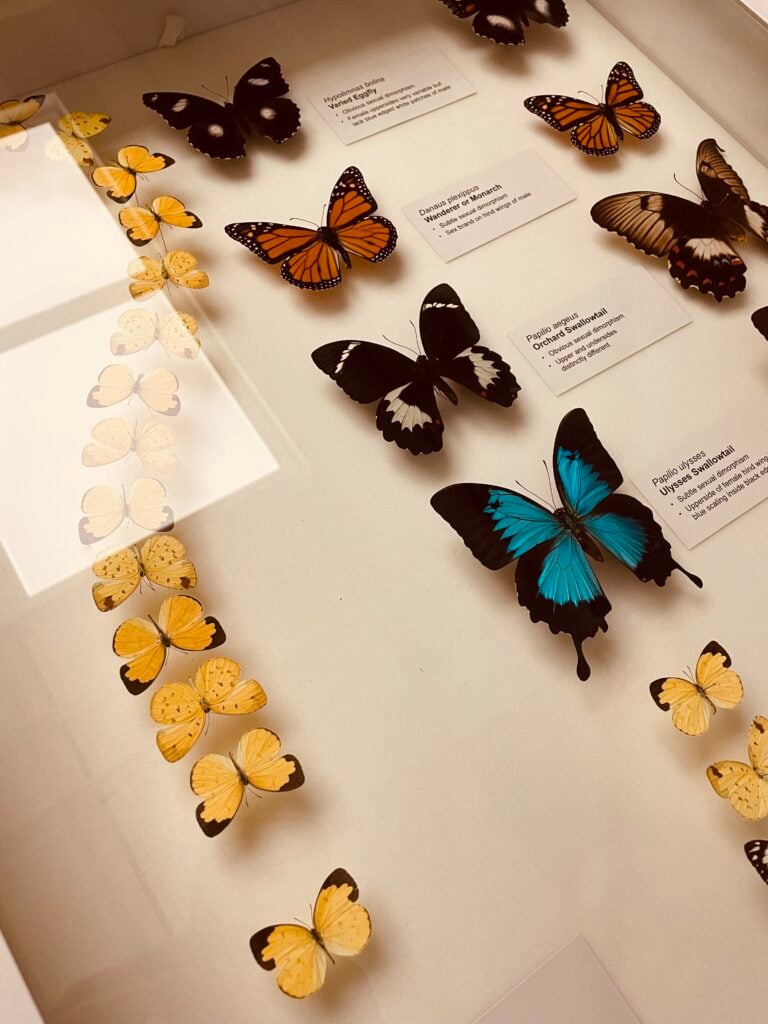
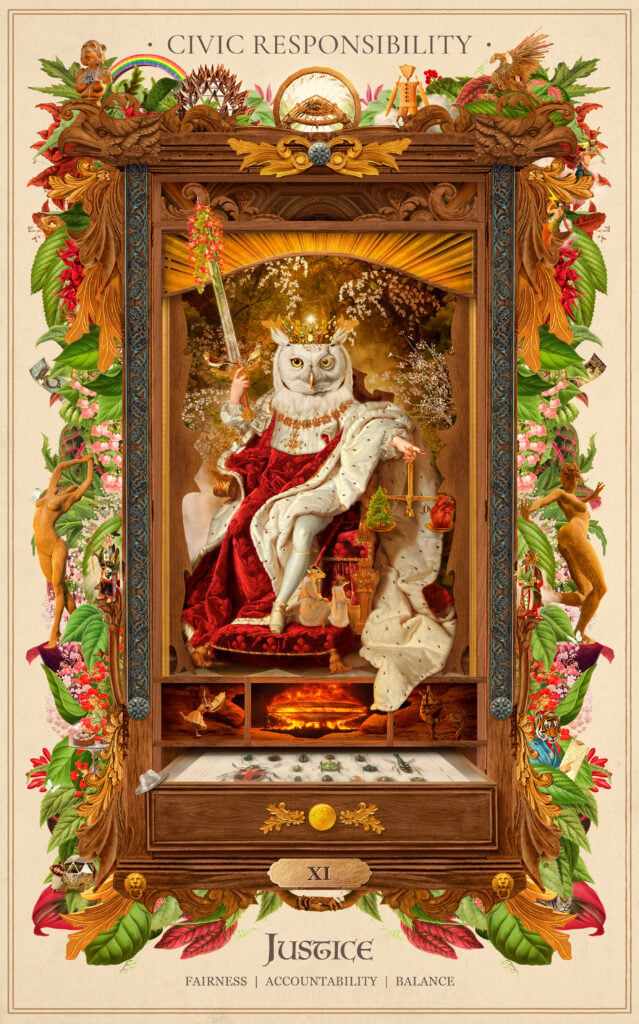
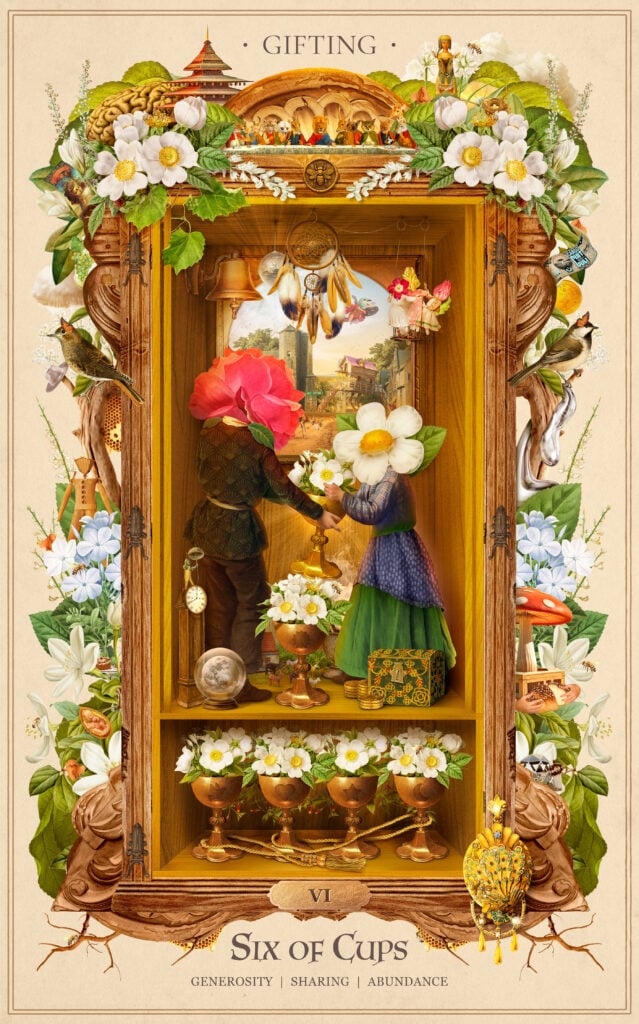
A few months later, Burning Man asked me to create something about their festival. The project was about tarot cards inside cabinets of curiosities.
In the end, I remember my trip to Sydney. In my illustrations, I added elements of that. That’s why I love to watch and observe everything, because I’m going to use it.

How have you learned to represent Mexican culture in your work?
I learned this from my mom, ‘Chelo’ (Consuelo Pérez Rubio), when I was a kid. She was a famous singer in Mexico and in the U.S.. Actually, she was the first Mexican woman to receive a Grammy nomination in 1984. She was a big deal. And I learned this from her: this is not about me. This is about our culture. This is an opportunity for a lot of artists in the future to come along with us. So that’s why I decided to stop fighting against my culture, and I decided to embrace it.
This is part of my culture: there are a lot of flowers. There is a lot of color. Everything here is so vibrant. So why am I fighting against that? I’m going to incorporate to my work in my daily practice.
Right now, I’m traveling all over the world as a speaker. There are a lot of people from all over the world, but sometimes I’m the only Mexican there.
I have a responsibility to my culture and to my colleagues in Mexico. Instead of saying, Look at me, I’m the best designer in the world, I prefer to say, Hey, look at this: we are a community and we have a lot of talented people here, so you need to work with us. And not only in Mexico. There are more people in Latin America, in Colombia, Argentina, Brazil, and Chile.
There’s one thing I’m very clear about: this isn’t just about me. Before me, there were many Mexicans and Latinos—many talented people working in the creative industry: painters, actors, directors, musicians. Thanks to them, I’m here now.
How has your style evolved over time?
When I was a little kid, I didn’t have internet. So instead, we had a huge collection of records and musical instruments and a lot of books. Those books had a lot of illustrations. So basically, that was my first contact with editorial design. My favorite book as a kid was John James Audubon’s The Birds of America. My aunt had a lot of birds — the small ones — periquitos. They were yellow and blue.
My emotions are always involved with my art, no matter if it’s for a client, so I’m always talking about my family.
There is a huge brand in Mexico called Cloe, and they asked me to create a bag collection. There were eight bags, and I designed a character for each one of them.
Each character was inspired by my fiancee’s family. Her parents, her sister, her brother. So it was like a gift for them.
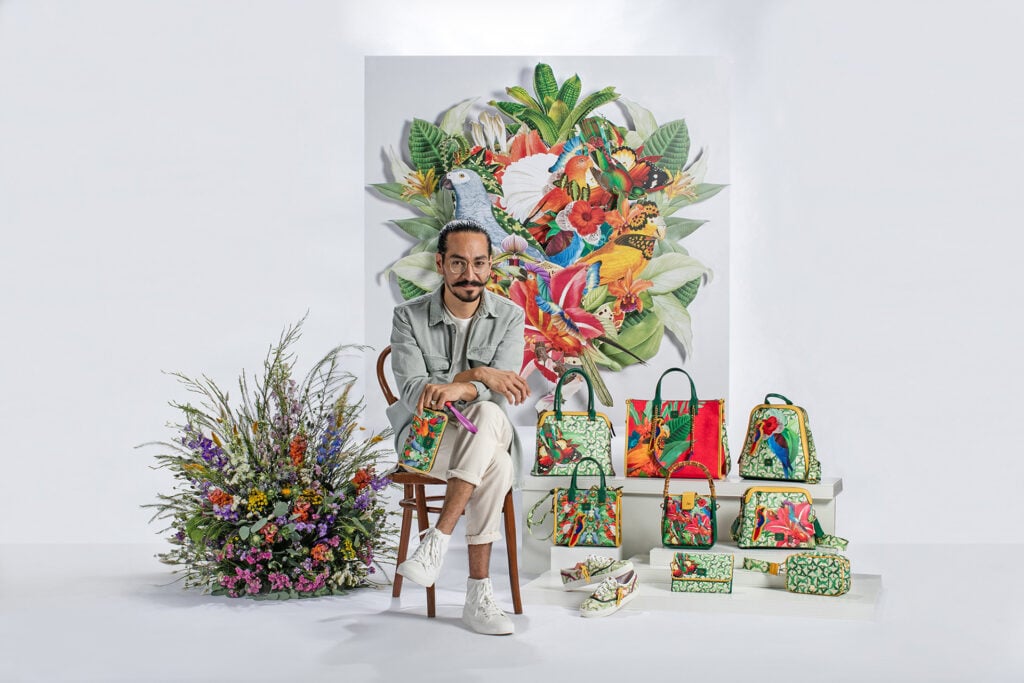
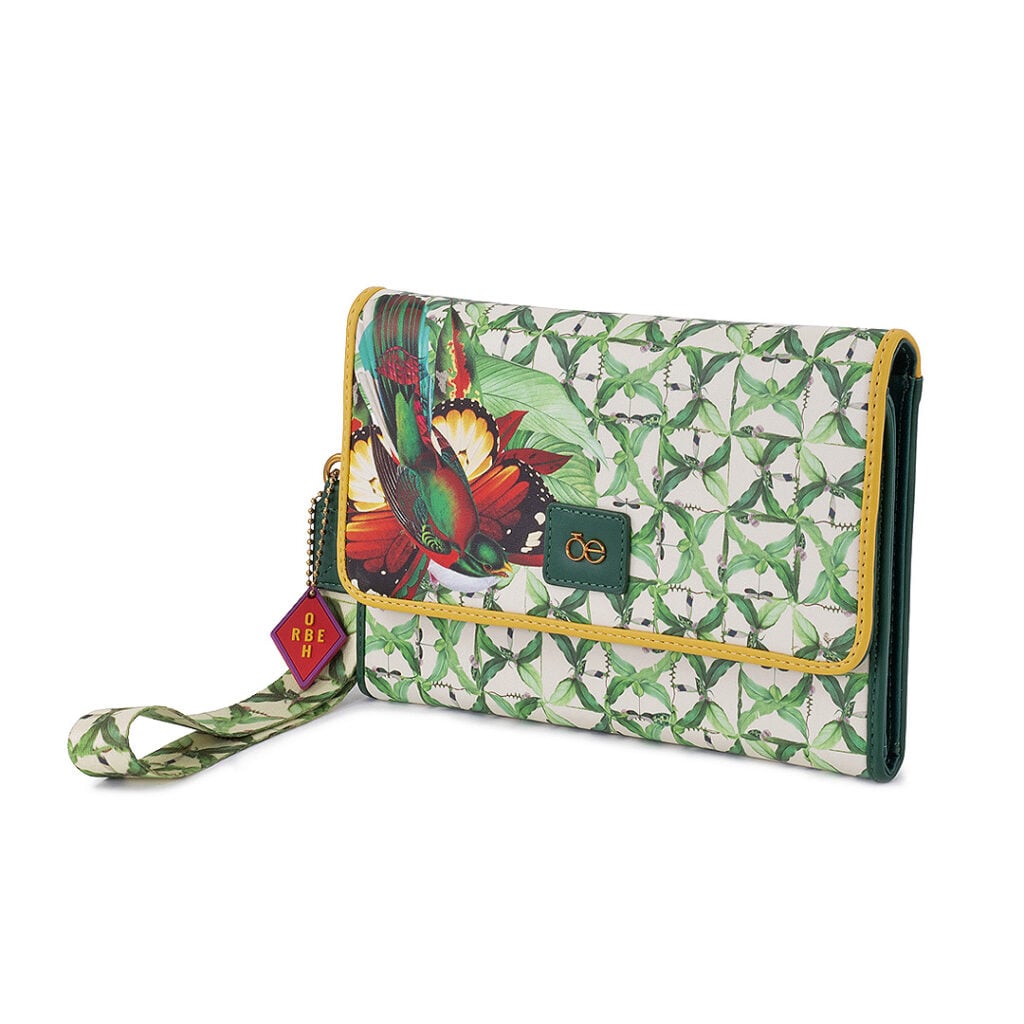
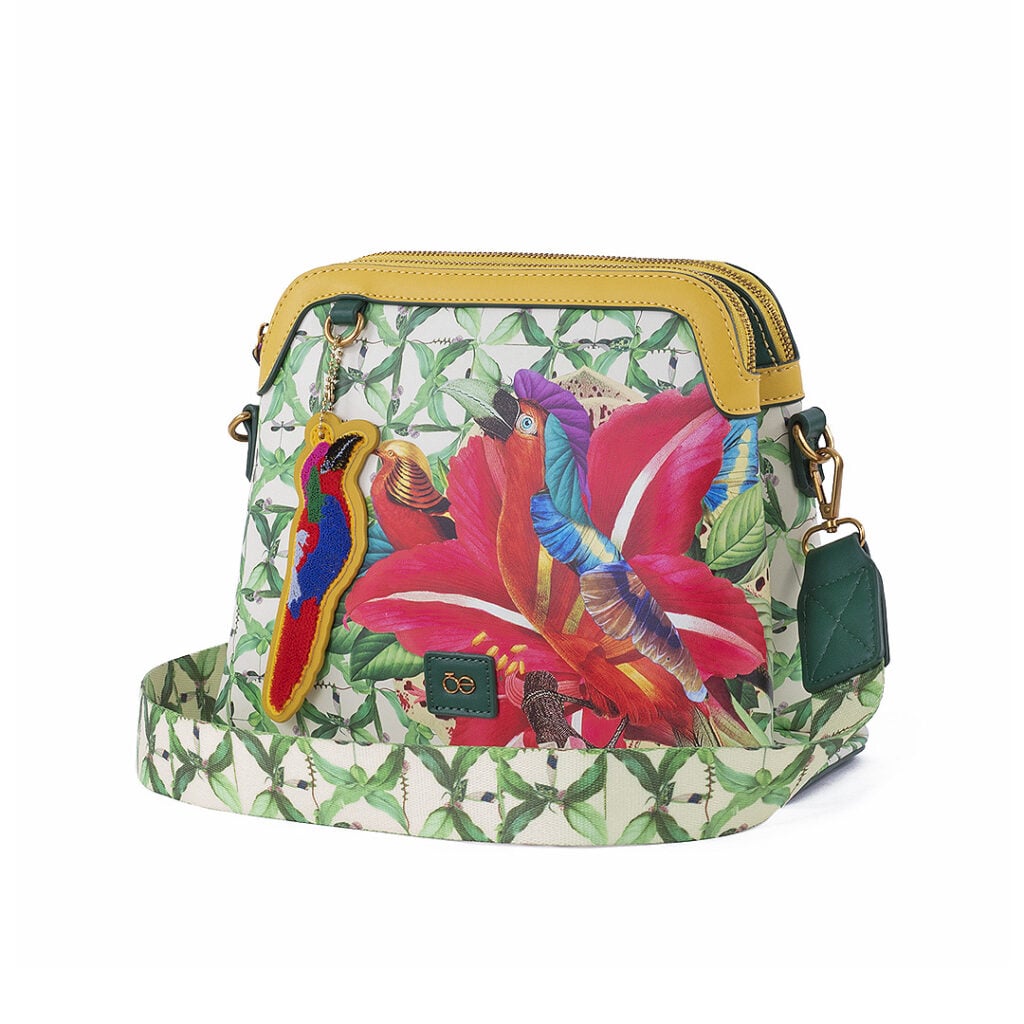
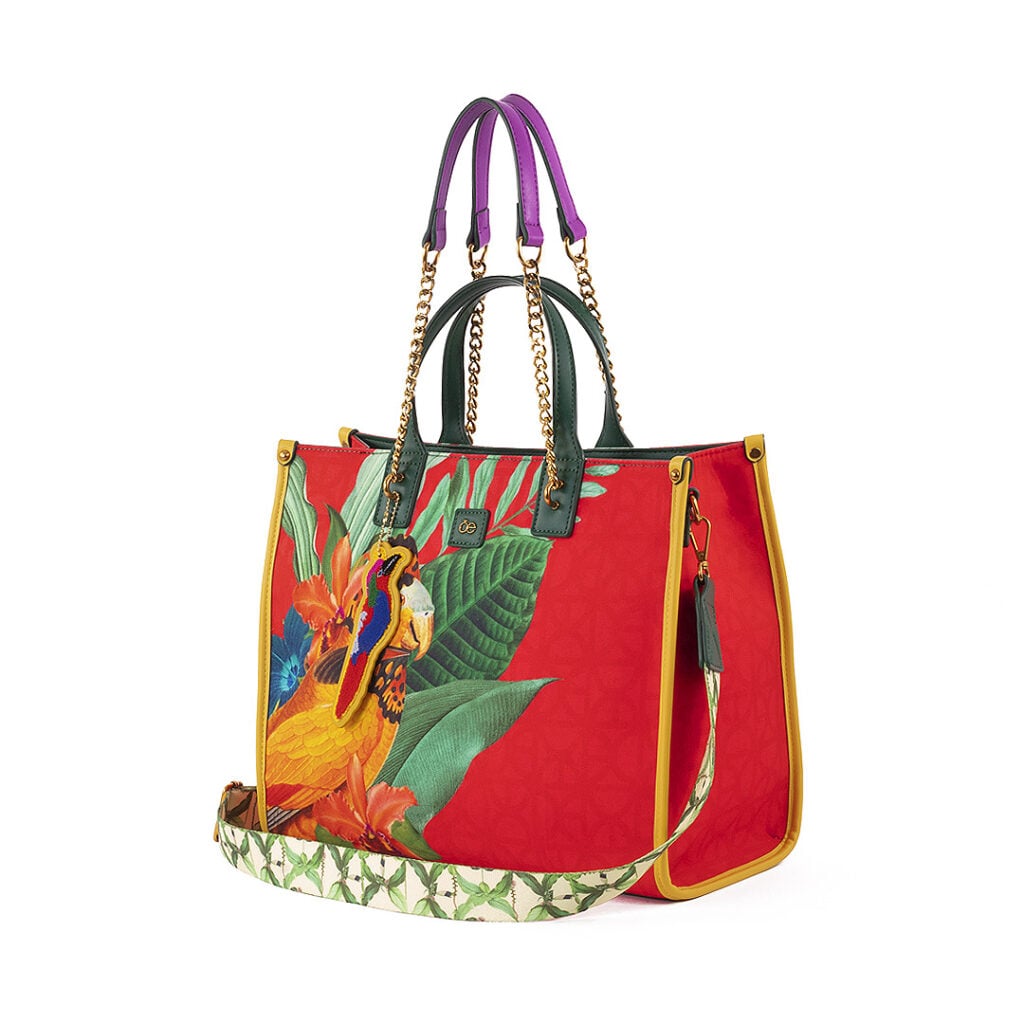
How do you use AI? How do you see AI affecting designers?
I use AI in order to enhance the quality of my images and make them more contemporary.
With AI, I can spend more time in the storytelling, in the idea. So that’s why maybe we need to stop fighting against this — because it’s already there.
A few days ago, I watched a video about Salvador Dalí. He was talking about personality and how the things we see are in our souls. And he said: “If Velázquez copies a photograph as best he can, you’ll get a Velázquez. If a fool copies a photograph exactly, the result is nonsense. If Dalí copies a photograph, you’ll get a Dalí. Personality is absolutely impossible to avoid.”
No matter if you are working with AI, it’s about your personality, it’s about the storytelling, it’s about your context, it’s about your city, your background.
What would you say to yourself if you were starting your career today?
A lot of people—and I include myself from 5 and 10 years ago—try to become famous quickly. There are many designers who try to make their work go viral. Some succeed, but there are many people, like me, who need to work every day and be consistent, and maybe in 20 years we’ll be able to do something similar to what those big stars do. That’s what I’ve been working on: being aware that I’m in no rush to become the most famous or the most important.
If you’re focused on your artwork and on your personal journey, that’s when opportunities will arrive.
Encontrar tu propia voz toma más tiempo que hacerse viral, pero merece la pena, afirma el diseñador Guillermo Flores Pacheco
Tras 20 años diseñando para grandes marcas como Nike, Adobe y Marc Jacobs, el artista afirma que el verdadero trabajo consistió en aprender a inspirarse en su identidad mexicana para desarrollar un estilo único.
Guillermo Flores Pacheco tiene un estilo de ilustración inconfundible: colores vivos, aves, plantas exuberantes y personajes surreales. Es un estilo que le ha permitido conseguir proyectos con grandes empresas como Adobe, Apple, Nike, Sephora, Burning Man, Marc Jacobs, Citi Private Bank y el Cirque du Soleil.
Flores Pacheco cuenta con una trayectoria de 20 años como director artístico, diseñador gráfico, artista de técnicas mixtas y conferencista. Pero, según él, el tipo de estilo que te hace destacar no se consigue de la noche a la mañana.
«Mucha gente de todo el mundo piensa que mi estilo es muy “mexicano” y les encanta», afirma.
Su obra se inspira en su infancia en Guadalajara (México), rodeado de flores, su familia, pájaros de colores y libros ilustrados. Su enfoque se vio protegido, en parte, por las circunstancias.
«No teníamos Internet», explica Flores Pacheco, «así que, en su lugar, teníamos una enorme colección de discos, instrumentos musicales y muchos libros». Ese fue su primer contacto con el diseño editorial; su favorito entre ellos era una edición ilustrada de The Birds of America, de John James Audubon.
Flores Pacheco señala que a menudo es la única persona de México en los entornos profesionales a los que acude, y representa su identidad a través de su trabajo, su estilo de ilustración y, más recientemente, en el circuito de conferencias. En esos momentos, siente la responsabilidad de decirle a la gente: «Aquí tenemos mucha gente con talento, ustedes deberían trabajar con nosotros».
Aceptar su cultura le ayudó a descubrir su voz, una decisión que, en su opinión, es la clave para tener una carrera de la que pueda sentirse orgulloso. «Hay muchos diseñadores que intentan hacerse virales, pero desarrollar tu propia voz lleva tiempo, ensayo y error, y lecciones aprendidas a base de esfuerzo». Ahora, tras dos décadas, afirma: «Cuando miro atrás, pienso: Vaya, tengo una carrera».
Su consejo: trabaja con disciplina para encontrar tu voz, incluso a costa de la validación inmediata o el reconocimiento público. Recuerda: «Somos nosotros quienes hacemos que un proyecto especial sea especial», afirma.
Design Observer charló con Guillermo Flores Pacheco sobre cómo es trabajar con grandes marcas, preservar su voz artística, la cultura, la IA y sus periquitos.
Esta entrevista ha sido editada y resumida por motivos de extensión y claridad.
¿Tienes algún proyecto del que te sientas especialmente orgulloso?
La vez que trabajé con Nike, ese fue mi primer gran cliente como artista independiente. Abrieron una tienda especializada en Running en mi ciudad natal y me pidieron que diseñara un mural para la tienda y el resultado final fue increíble.
Trabajar con una gran marca de ese tamaño fue una experiencia realmente increíble, sin embargo, disfruto mucho cuando llegan proyectos pequeños.
Hace dos años, trabajé con una pareja de emprendedores en Nueva York. Al principio, me pidieron que creara unas ilustraciones para el empaque de su marca de chocolate, después nos hicimos amigos y me pidieron que diseñara toda la identidad de marca.De pronto, me encontraba al frente de todo el proyecto. Era el director de arte, trabajando de la mano con desarrolladores web, fotógrafos y animadores.
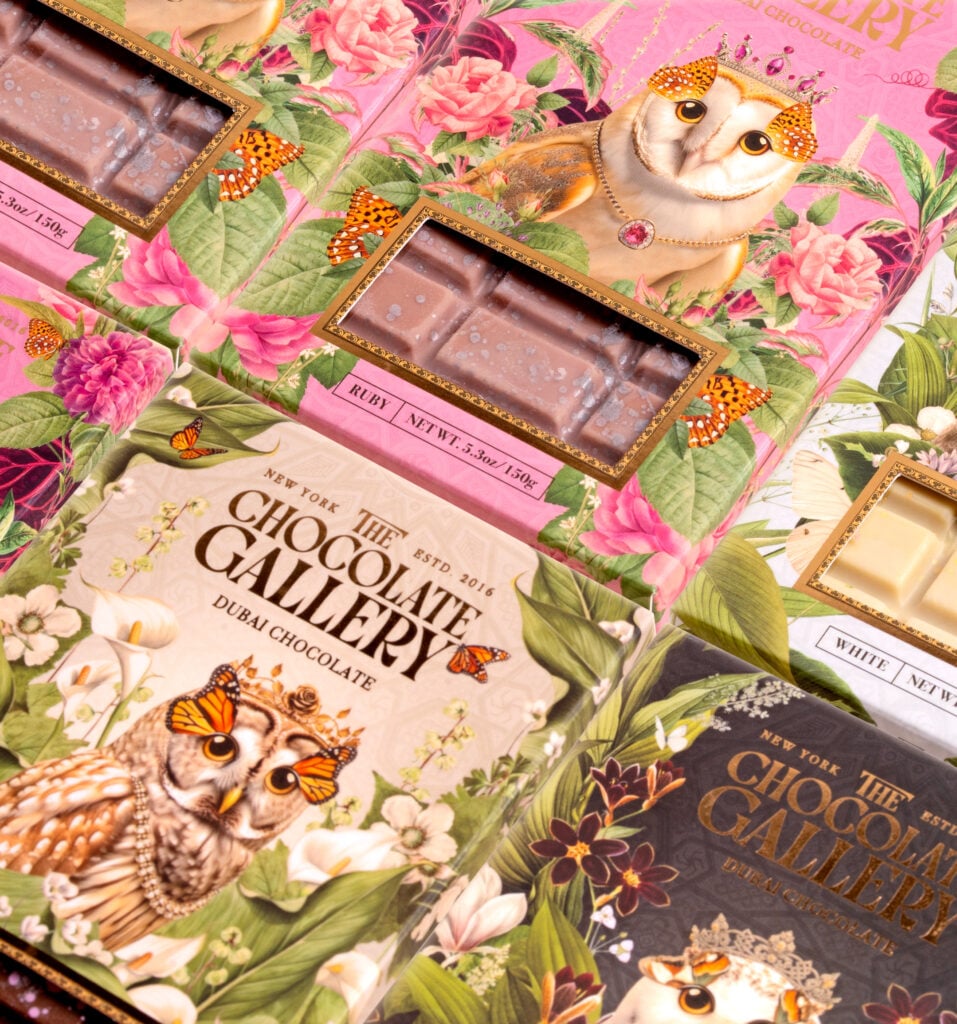


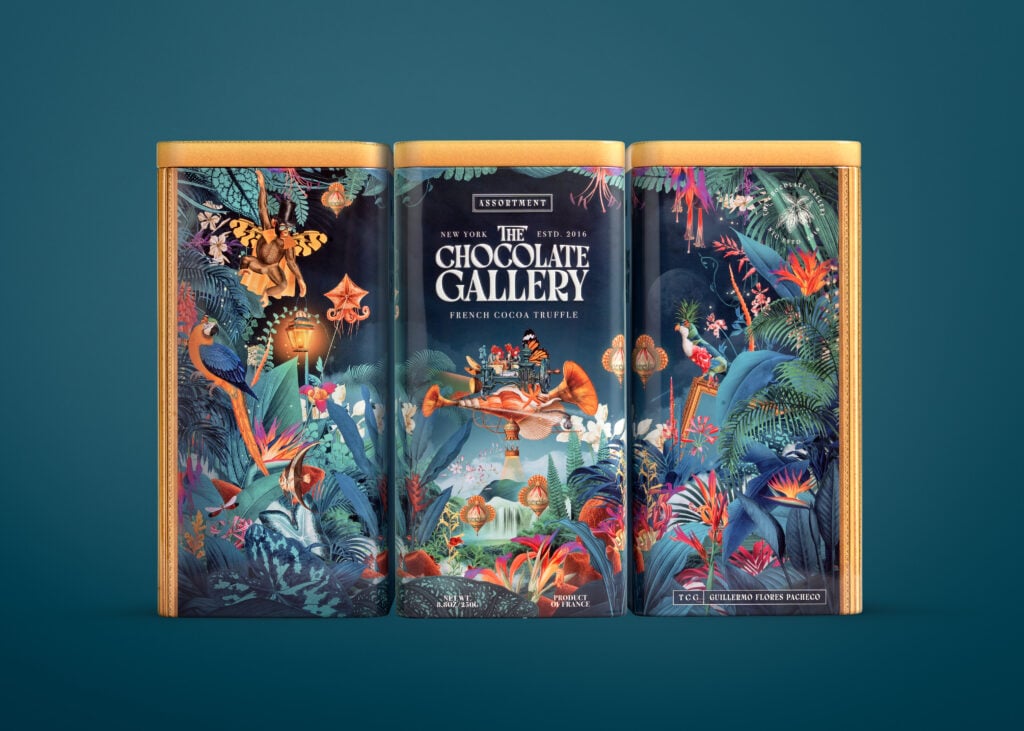
Es muy interesante cuando un cliente te invita a colaborar y a formar parte de su sueño.
¿Qué es lo más complicado de trabajar con grandes marcas?
Muchos de nosotros pasamos el tiempo esperando “el” proyecto ideal, creyendo que eso nos hará especiales, o que un producto o una marca cambiará nuestras vidas. Sin embargo, no funciona así. Creo que es importante comprender que somos nosotros quienes hacemos que un proyecto sea especial. No se trata de la marca, se trata de nosotros y de lo que aportamos
Cuando trabajé con Adobe, pensaba: «¡Soy un gran admirador de la marca, y esa marca lo es todo para mi… ¡Me siento validado!». Acabarás perdiendo de vista quién eres si piensas así. ¿Qué pasa cuando no tienes ese tipo proyectos o si no trabajas con marcas “importantes”? Sientes que te falta algo, como si no fueras lo suficientemente bueno.
Antes de trabajar con grandes marcas, ¿cómo presentabas tu trabajo y cómo te hiciste de un nombre?
Empecé publicando mis proyectos en Behance, pero no me limité a simplemente mostrar una ilustración y dejarlo así. Siempre he intentado mostrar el resultado final (a menudo utilizando mockups) para que los directores de arte pudieran ver la idea completa que tenía en mente. Además, siempre me esforcé por tener una buena página web, lo que me dio credibilidad ante muchos clientes.
¿Alguna vez has cometido un error durante un proyecto que te haya enseñado una dura lección?
Sí. Una vez trabajé con un músico que me pedía que hiciera un montón de cosas. Al principio era un proyecto estupendo, pero luego empecé a sentir que era él quien tomaba todas las decisiones. Me convertí en el tipo que hacía todo lo que me pedían. Es algo de lo que me arrepiento, porque al final el resultado no fue el mejor que sé que puedo conseguir.
Si realmente deseas proteger tu voz como artista, debes ser un poco más firme y decir cuando no estás de acuerdo.
Muchos diseñadores y diseñadores gráficos me preguntan: ¿cómo puedo encontrar mi voz?
Llevo más de 20 años dedicándome a esto, y recuerdo que al principio me sentía muy comprometida con mi estilo (todavía me siento así): con las flores, con el estilo vintage, con los animales, con los pájaros. Y cuando echo la vista atrás, pienso: «Dios mío, tengo una carrera».
Siempre intento tenerlo presente: este es mi estilo, esta es mi voz. Cuando entiendes eso y lo abrazas, puedes crecer como artista.
¿Cómo es tu práctica artística?
Tengo todo un ritual, me encanta tomar un café y sentarme en una cafetería durante horas simplemente a observar todo lo que pasa a mi alrededor. Estoy llevando a cabo una especie de estudio en mi mente: tratando de comprender mi entorno.Cuando alguien me pide que cree algo, me pongo directamente a hacer ese tipo de actividades. Es simplemente parte de mi rutina diaria.
Aunque la inspiración para cada proyecto proviene sin duda de la investigación, hay que leer mucho sobre el tema para que cualquier propuesta que se haga encaje en ese ecosistema.
Por ejemplo, hace tres años fui a Australia a una conferencia de diseño en Brisbane. Viajé a Sídney, donde visité el Museo Australiano. Tienen una biblioteca con cajones llenos de mariposas. Es impresionante.
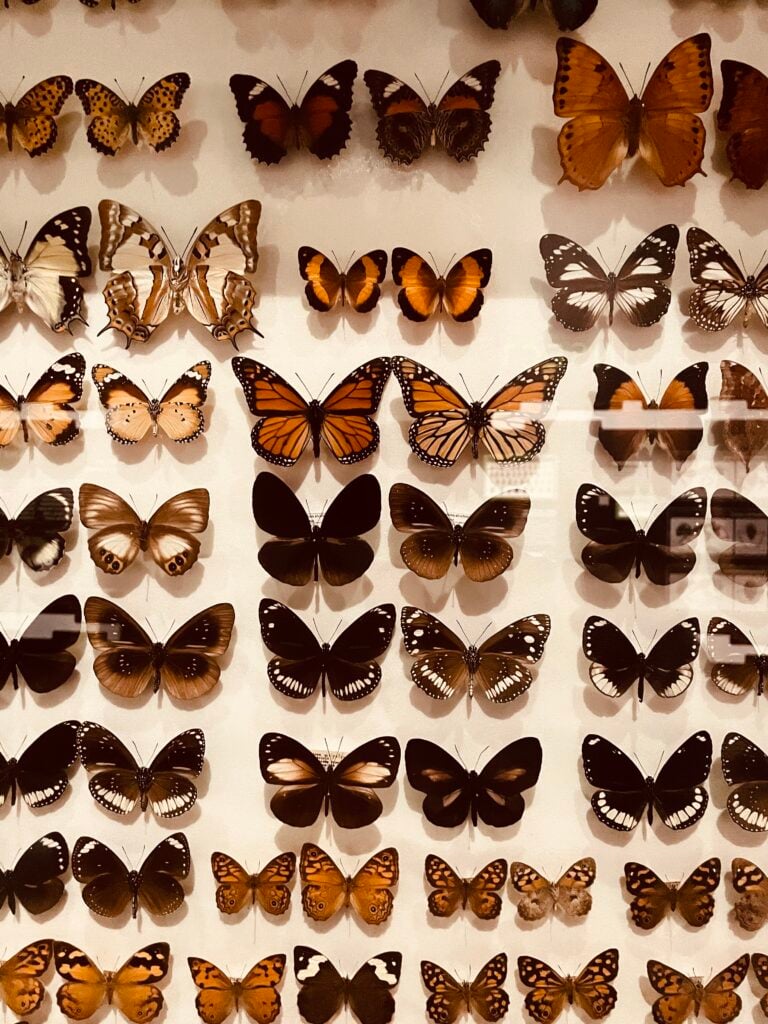
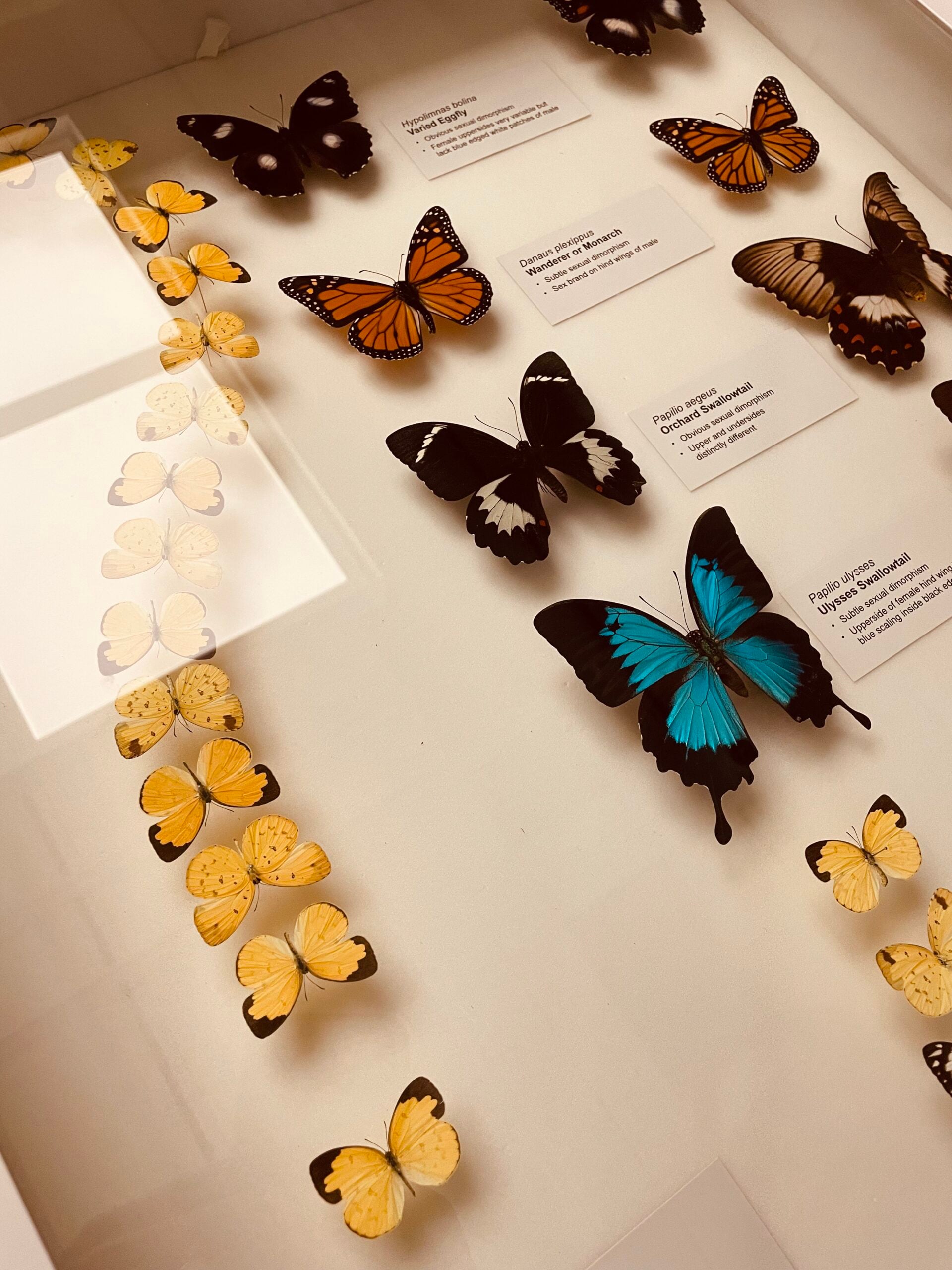
Unos meses más tarde, me encontraba diseñando unos posters para los 10 principios de Burning Man. El proyecto consistía en crear unas cartas del tarot dentro de gabinetes de curiosidades. Mientras trabajaba en las ilustraciones, recordé mi viaje a Sídney e incorporé elementos de ese viaje. Por eso me encanta fijarme en todo y observar: porque se que lo voy a aprovechar.
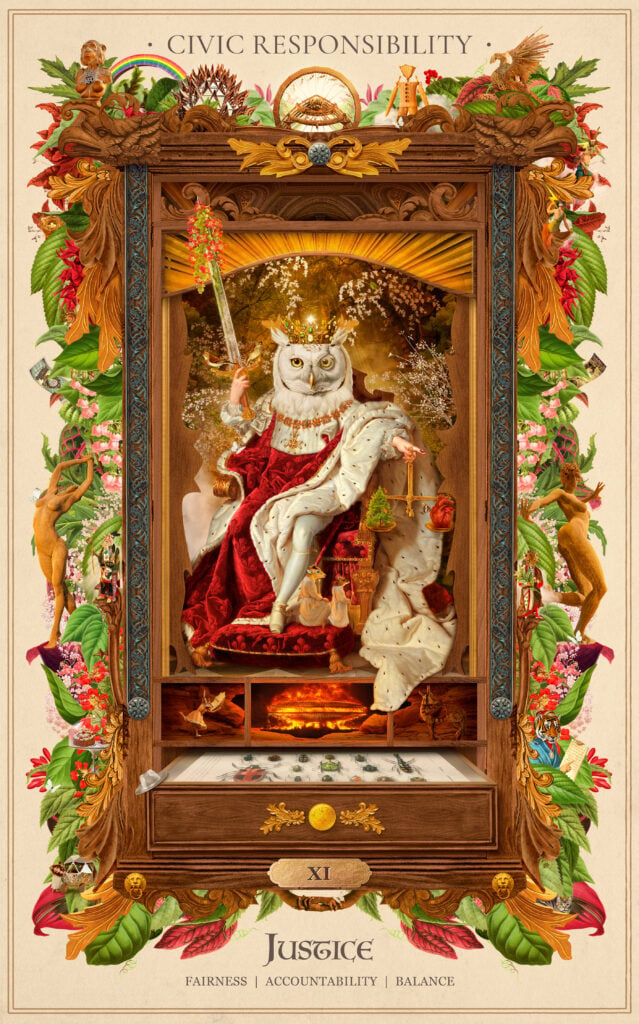
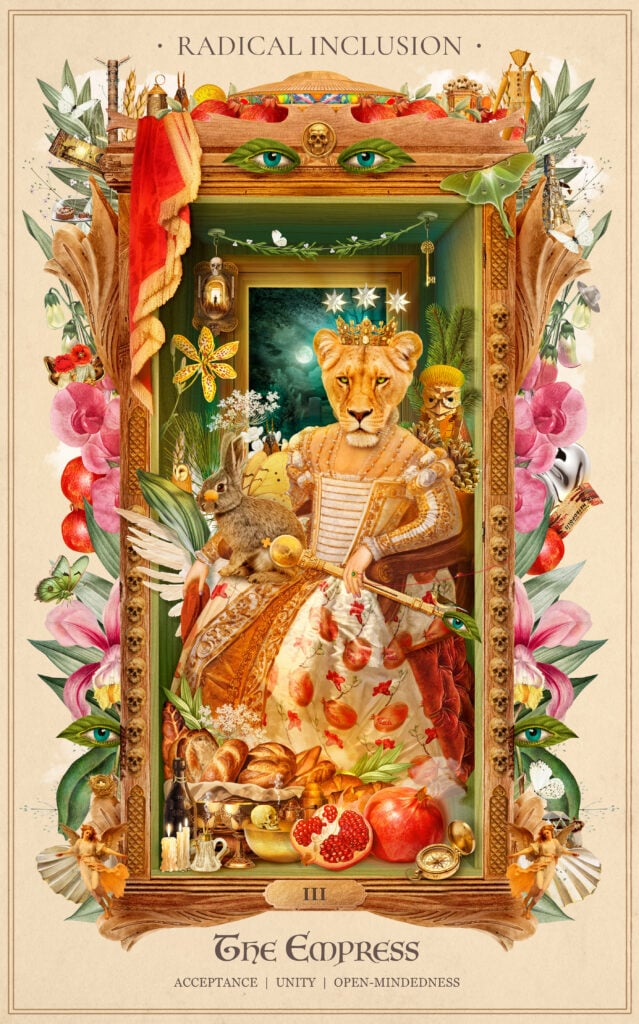
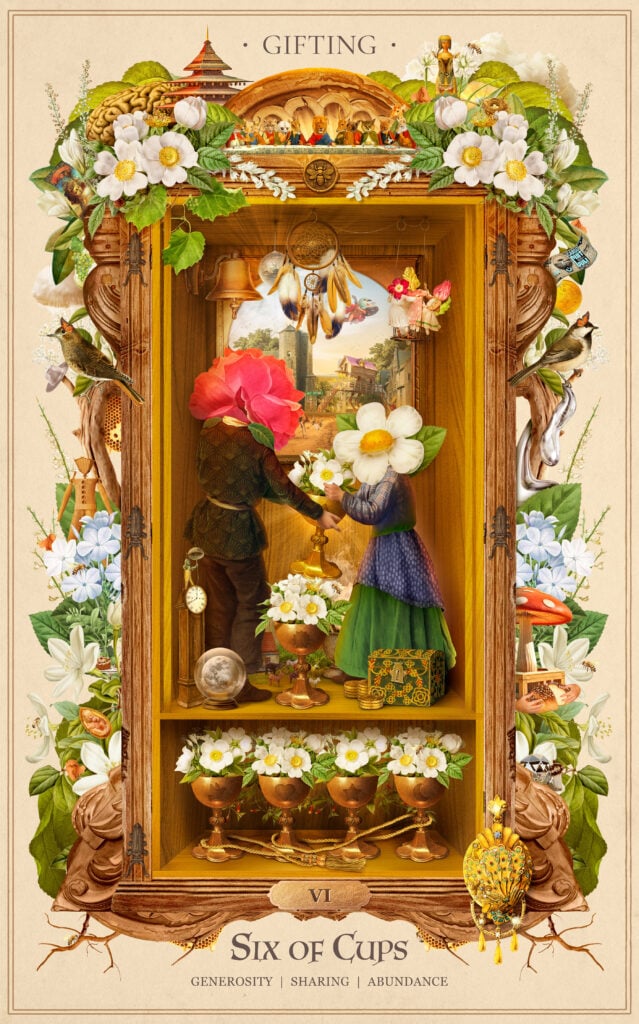
¿Cómo has llegado a representar la cultura mexicana en tu trabajo?
Lo aprendí de mi madre, «Chelo» (Consuelo Pérez Rubio), cuando era pequeño. Ella fue una cantante muy famosa tanto en México como en Estados Unidos. De hecho, fue la primera mujer mexicana en recibir una nominación a los Grammy en 1984. Era toda una figura. Y de ella aprendí esto: no se trata de mí. Se trata de nuestra cultura. Es una oportunidad para que muchos artistas del futuro nos sigan los pasos. Por eso decidí dejar de luchar contra mi cultura y decidí aceptarla.
Esto forma parte de mi cultura: hay muchas flores. Hay mucho color. Aquí todo es tan vibrante. ¿Por qué iba a luchar contra eso? Mejor voy a incorporarlo a mi trabajo y a mi práctica diaria.
Ahora mismo, viajo por todo el mundo como conferencista. Hay mucha gente de todas partes, pero a veces soy el único mexicano allí.
Tengo una responsabilidad con mi cultura y con mis colegas en México. En lugar de decir: «Mírame, soy el mejor diseñador del mundo», prefiero decir: «Somos una comunidad y aquí hay mucha gente con muchísimo talento, deberías trabajar con nosotros». Y no solo en México. Hay más gente en Latinoamérica, en Colombia, Argentina, Brasil, y Chile.
Hay algo que tengo muy claro: no se trata solo de mí. Antes de mí, había muchos mexicanos y latinos, mucha gente talentosa trabajando en la industria creativa, pintores, actores, directores, músicos. Gracias a ellos, ahora estoy aquí.
¿Cómo ha evolucionado tu estilo con el tiempo?
Cuando era pequeño, no tenía Internet. En su lugar, teníamos una enorme colección de discos e instrumentos musicales, además de muchos libros. Esos libros tenían muchas ilustraciones. Así que, básicamente, ese fue mi primer contacto con el diseño editorial. Mi libro favorito de niño era The Birds of America, de John James Audubon. Además una tía tenía muchos pájaros —de los pequeños ya sabes?—, periquitos. Eran amarillos y azules.
Mis emociones siempre están presentes en mi arte, independientemente si es para un cliente o no, así que siempre hablo de mi y de mi familia. Por ejemplo, hay una gran marca en México llamada Cloe, y me pidieron que creara una colección de bolsos. Eran ocho bolsos, y diseñe un personaje para cada uno de ellos. Cada personaje se inspiró en la familia de mi prometida: sus padres, y sus hermanos. Así que fue como un regalo para ellos.
¿Cómo utilizas la IA? ¿Cómo crees que afectará la IA a los diseñadores?
Usualmente utilizo IA para mejorar la calidad de mis imágenes y darles un toque más contemporáneo.
Gracias a la IA, puedo dedicar más tiempo a la narración y a la idea. Por eso quizá debamos dejar de luchar contra ella, porque ya está aquí.
Hace unos días, vi un vídeo sobre Salvador Dalí. Hablaba sobre la personalidad y de como las cosas que vemos estan en nuestra alma. Y dijo: «Si Velázquez copia una fotografía lo mejor que puede, obtendrás un Velázquez. Si un tonto copia exactamente una fotografía le sale una tonteria. Si Dalí copia una fotografía obtendrás un Dalí. La personalidad es absolutamente imposible de evitar».
Da igual si trabajas con IA: lo importante es tu personalidad, tu forma de contar historias, tu contexto, tu cultura y tus orígenes.
¿Qué te dirías a ti mismo si estuvieras empezando tu carrera hoy?
Mucha gente —y yo mismo me incluyo hace 5 y 10 años— intentamos hacernos famosos rápido. Hay muchos diseñadores que intentan que su trabajo se haga viral. Hay a quien le sale, pero hay mucha gente, como yo, que necesita trabajar cada día y ser constante, y quizá dentro de 20 años podamos hacer algo parecido a lo que hacen esas grandes estrellas. Eso es en lo que he estado trabajando: ser consciente de que no tengo prisa por convertirme en el más famoso ni en el más importante.
Si te centras en tu obra y en tu trayectoria personal, es entonces cuando llegarán las oportunidades.
Observed
View all
Observed
Share on Social


By Rachel Paese
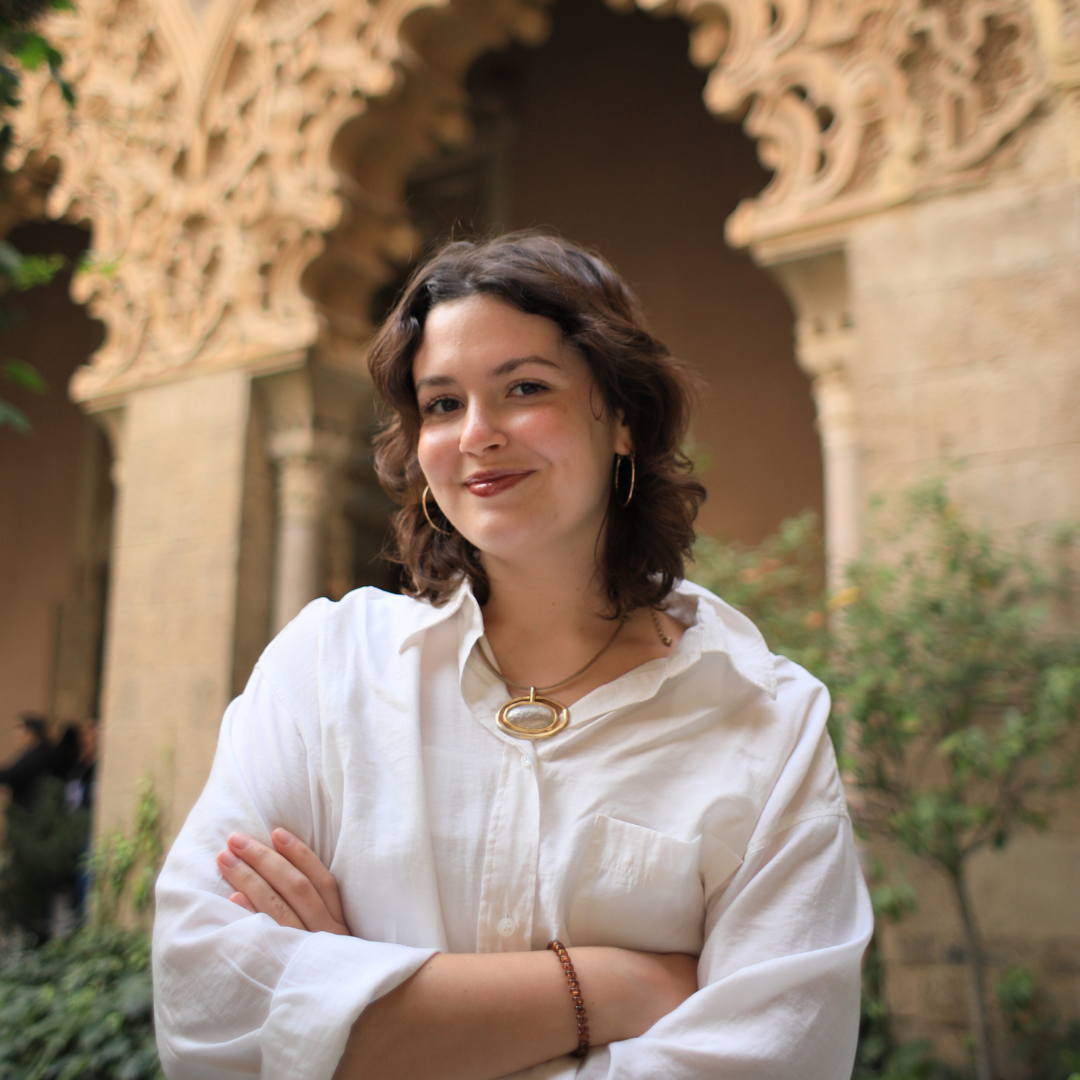 Rachel Paese is Design Observer’s Deputy Editor, and she loves giving curious people access to stories that change the way they see the world. It began with a major in English, and then evolved with a project that sharpened her editorial instincts the old-fashioned way: founding and leading her own multimedia magazine at the University of Kansas. After college, she carried that passion to education, helping students in Spain and Thailand think beyond their culture. Today, she brings that same spirit to Design Observer, working to connect readers with the people and ideas shaping a better future. Connect with her on LinkedIn, and ask her about her quest to sew her own wardrobe.
Related Posts
Design Juice
Rachel Paese|Design Juice
‘What if care were foundational to systems design?’ asks Rachael Dietkus
Arts + Culture
Alexis Haut|Interviews
The Kardashians will make you cringe, but first they’ll sell you shapewear
Design Juice
Rachel Paese|Design Juice
Sara Soskolne is a typeface designer who thinks of herself as a craftsperson

Design Juice
Rachel Paese|Design Juice
Ira Blossom created a games-only, print-only newspaper — and it’s sold at a newsstand in New York City
Subscribe to The Observatory
Related Posts
Design Juice
Rachel Paese|Design Juice
‘What if care were foundational to systems design?’ asks Rachael Dietkus
Arts + Culture
Alexis Haut|Interviews
The Kardashians will make you cringe, but first they’ll sell you shapewear
Design Juice
Rachel Paese|Design Juice
Sara Soskolne is a typeface designer who thinks of herself as a craftsperson
Design Juice
Rachel Paese|Design Juice