


October 28, 2026
The professional responsibility that’s not in your job description
Rachael Dietkus wants you to build a care practice, and that starts with paying attention to who your work affects
Rachael Dietkus’s long, winding list of professional experiences — from design practitioner to human services and beyond — has led her to a clear point of view on how we can make the world better. And unlike many of the leading voices in tech and government who say the same thing, I think hers may actually be right.
Dietkus began as an art and design student, and then pivoted to social work. She’s also taken on multiple advocacy and human rights positions, including joining an effort to abolish the death penalty in Illinois and serving as an NGO delegate to the United Nations Human Rights Council.
Her professional focus and philosophical conviction emerged in 2013 while she worked at the U.S. Department of Veterans Affairs. Dietkus describes feeling “struck by lightning” after witnessing the harm complex systems often cause. She says she saw what was missing in the system’s design: an intentional focus on care.
This is where the rest of us come in.
“We often just say ‘design thinking’ or just ‘design,’ implying or inferring that the human-centeredness is there.” But, she argues, that’s not necessarily the case. “I think any design practitioner could give many examples of when design has not been human-centered, or has been dehumanizing and traumatizing.”
This insight has shaped her entire career and has led her to the questions that have become central to her work: “What does it mean to care for the public? What does it mean to have care as critical infrastructure? What if care were foundational?”
Answering questions like these is likely not in your job description. But it should be, Dietkus says. “You don’t necessarily have to be working in a government context to need an ethical compass for the work.” We’re seeing a growing need in corporate tech, design, and beyond.
What would the systems we live in every day, the stories we’re told, or the products we use look like if all designers adopted a care-forward practice? And what changes can you make starting now?
You can read my interview with Dietkus here. Her insights are well worth your time, and they’re likely to leave you with an existential question of your own: how closely am I paying attention to the people I’m designing for?
Recalling her role as the first social worker for the United States Digital Service (USDS) under the Biden administration, she says, maybe not close enough. At least, not yet.
Working alongside top experts in their field, she realized, “There were quite a few teams and individual technologists whose own life experience and professional background had not exposed them to the high volume of poverty, racism, and harm that exists in all of these government structures and systems,” she says. “I witnessed quite a few people struggling with what they were seeing.”
Dietkus’s advice is to pay attention to the people on the other end of your work, whether you call them users, customers, or the public. Once you’re more tuned into potential harm, you’ll begin to think about your work differently.
When your work affects the lives of others, that’s a responsibility, she argues. (Plus, sometimes, the one affected is actually you. More on that in the full interview.)
“I think there’s so much emphasis — especially if you’re early career or a leader in design — on the portfolio, on the arc of your design practice, on how you can explicitly talk about the work you’ve done,” she says. “But I would say just as equally important, if not more so: what is your care practice, and can you articulate that? How do you support people?”
Rachel Paese
Deputy Editor
Rachel@designobserver.com
Substack
LinkedIn
P.S. Did someone who loves you send you this newsletter? Welcome! Subscribe here.
This edition of The Observatory was edited by Ellen McGirt.
This is the web version of The Observatory, our weekly dispatch from the editors and contributors at Design Observer. Want it in your inbox? Sign up here. While you’re at it, come say hi on YouTube, Instagram, LinkedIn, or TikTok — and don’t miss the latest gigs on our Job Board.
Join our community on Substack
We’re building a community, and we hope you join us. Design Observer has always been free, and The Observatory always will be, but when we’re looking to build more than a newsletter.
YouTube
Hear from Rachael Dietkus and others on our YouTube channel.
Podcasts
Design of Business | Business of Design
DB|BD is back!
This season we are thinking about radical collaboration. DB|BD host Ellen McGirt interviewed eight thoughtful, important, and provocative leaders who are thinking deeply about AI, sustainability, and the role of business in a chaotic world.

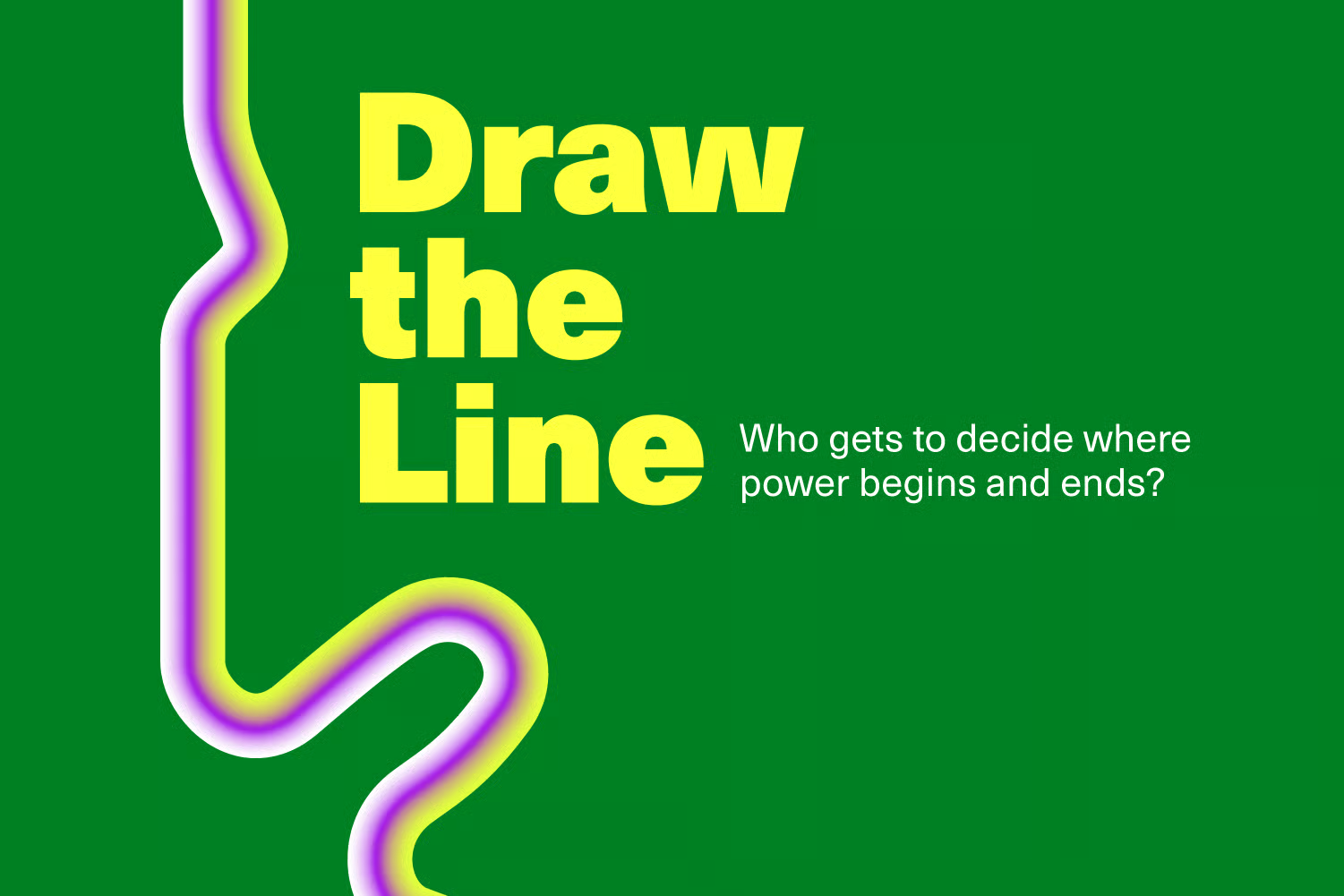
Draw the Line
The Supreme Court case Louisiana v. Callais gutted the Voting Rights Act and rewrote the rules of American democracy. Design Observer’s brand new audio documentary, Draw the Line, is telling the inside story of Louisiana’s fight over power, maps, and who gets left off them.
Every district line is a design decision — and every decision is about who gets power.
Observed
Meta hits the streets, looking to raise some $95 billion to help fund its AI expansion.
All the Apple sauce: the iPad mini gets a facelift, the secret behind the Duo’s unfortunate screen cracks revealed, and soon you’ll be able to touch your MacBook Pro!
Buckle up, amateur stockpickers, your time has come. Anthropic has filed for US stock listing with a $1.5 trillion valuation.
In other news, Anthropic also disclosed that its Claude model accessed voter data in Georgia, bypassing a paid firewall.
AI agents are “roaming around consumers’ bank accounts.” The unauthorized access is becoming a “nightmare for America’s banks,” according to a report by Axios.
Re-thinking technology-fueled learning in a post-pandemic world. Parents are leading the conversation: Schools Beyond Screens is a grassroots movement with thousands of members and roughly 230 chapters in school districts across 40 states.
Read more at designobserver.com or in your Substack feed.
Happenings
Cairo Design Week (November 2026 | Cairo, Egypt): Spotlighting regional design, architecture, and the business framework supporting the North African creative economy.
Design-Build Conference & Expo (November 4–6, 2026 | Cleveland, OH): AI and the future of work take center stage at this year’s event for design and building professionals. Collaboration is also a track this year, along with cross-industry architectural workflows, commercial strategy, and leadership.
Adobe MAX 2026 (November 10–12, 2026 | Miami Beach, FL & Online): The powerhouse creative technology event tracking the newest digital workflows, design tools, and business applications.
Find a full list here or keep an eye on your Substack feed.
Job board
Hiring a designer? Post your role on the Design Observer Job Board to reach a highly engaged audience of designers, creative leaders, and studios across the Design Employment Network.
Digital Operations Associate at Earthjustice, United States.
Traffic & Marketing Coordinator at Bish Creative, Lake Zurich, IL.
Lecturer in Industrial Design at University of Tennessee, Knoxville, TN.
End marks
Rachael Dietkus isn’t the only one who’s thinking deeply about the role care can play in design and beyond. Season 2 of Design As, hosted by Lee Moreau, features the episode “Design As Care.” Hear from Rachael Dietkus alongside Jadalia Britto, Sofie Hodara, and Giorgia Lupi.
This is the web version of The Observatory, our weekly dispatch from the editors and contributors at Design Observer. Want it in your inbox? Sign up here. While you’re at it, come say hi on YouTube, Instagram, LinkedIn, or TikTok — and don’t miss the latest gigs on our Job Board.
Observed
View all
Observed
Share on Social


By Rachel Paese
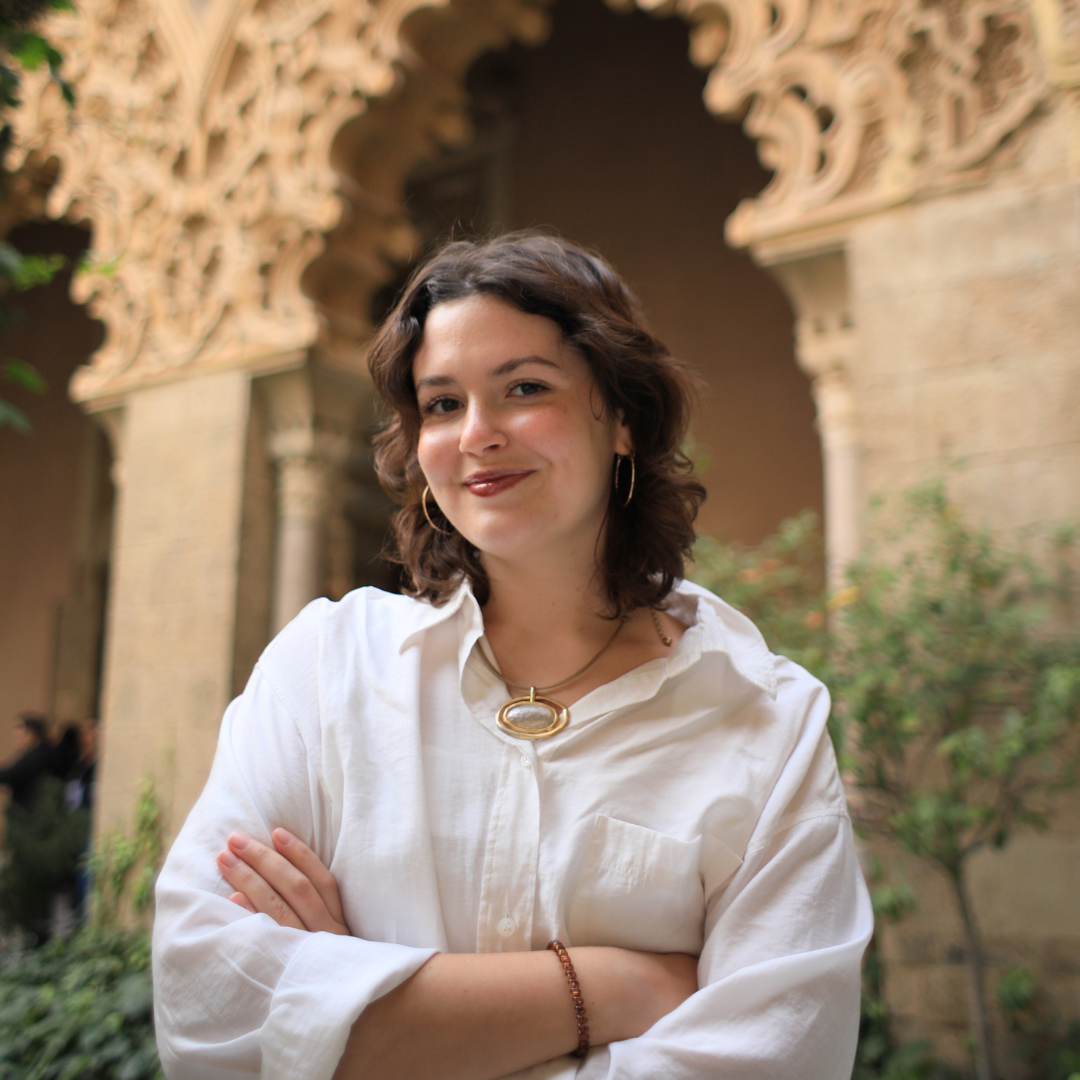 Rachel Paese is Design Observer’s Deputy Editor, and she loves giving curious people access to stories that change the way they see the world. It began with a major in English, and then evolved with a project that sharpened her editorial instincts the old-fashioned way: founding and leading her own multimedia magazine at the University of Kansas. After college, she carried that passion to education, helping students in Spain and Thailand think beyond their culture. Today, she brings that same spirit to Design Observer, working to connect readers with the people and ideas shaping a better future. Connect with her on LinkedIn, and ask her about her quest to sew her own wardrobe.
Related Posts

The Observatory Newsletter
Ellen McGirt
A design lesson from Major League Baseball
Design Juice
Rachel Paese|Design Juice
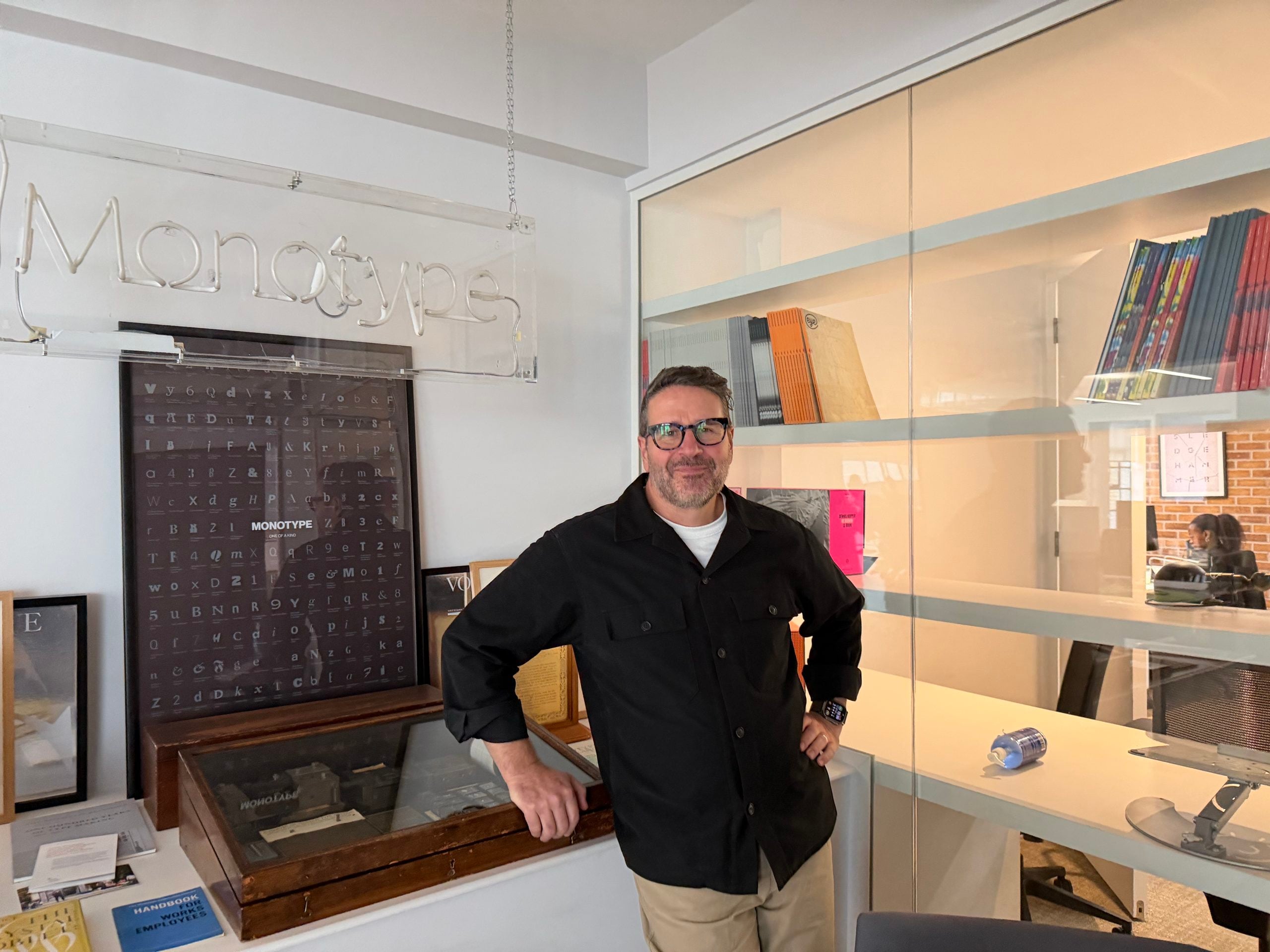
Typography is an accessibility, usability, and customer care issue, says Charles Nix
The Observatory Newsletter
Ellen McGirt
Who gets to decide where power begins and ends?
The Observatory Newsletter
Rachel Paese
You need an observation practice
Subscribe to The Observatory
Related Posts
The Observatory Newsletter
Ellen McGirt
A design lesson from Major League Baseball
Design Juice
Rachel Paese|Design Juice
Typography is an accessibility, usability, and customer care issue, says Charles Nix
The Observatory Newsletter
Ellen McGirt
Who gets to decide where power begins and ends?
The Observatory Newsletter
Rachel Paese