


October 20, 2026
A design lesson from Major League Baseball
The World Series was the unexpected solution to a familiar problem
Not long ago, baseball needed to be saved from itself.
By 1900, the 55-year-old sport had become a brawling, corrupt, dangerous mess. It was beset by alcohol-fueled violence — there were as many fights in the stands as there were on the fields. Gambling, public profanity, declining attendance, rogue umpires, player contract disputes, and warring team owners made the entire project feel doomed. The National League, baseball’s sole professional league at the time, was collapsing under the weight of its own unbridled testosterone.
Enter Byron Bancroft “Ban” Johnson.
The former sportswriter had long lobbied for a more civilized version of the sport, and in 1901, he did something about it: he created the American League and set out to make it a family-friendly version of the now rowdy game.
His theory was simple. If you can make baseball a place where women feel safe, the sport will thrive.
You’ll see where I’m going with this in a minute, but stick with me here.
Johnson began by banning liquor from all major league parks, removed violent players, and professionalized the umpiring staff. He then woo’d away like-minded players, giving them a competitive salary and better playing conditions in new markets.
It worked!
Now, I’m truncating a lot of interesting and complex history here, but it doesn’t take much imagination to see the unexpected benefits of Johnson’s redesign efforts.
Before the move to family-friendly games, baseball’s primary sponsors were liquor and tobacco brands. (Clearly bail bondsmen missed the memo.)
Coca-Cola entered the arena around 1909, and household goods came into the picture in a serious way in the 1920s and ’30s, wrangling stars like Ty Cobb and Babe Ruth as spokesplayers. Wheaties expanded the field, with billboards and sponsored game radio broadcasts, which targeted women and kids listening at home. By the early 1940s, General Mills was one of the main sponsors of baseball, hiring popular athlete Helen Dettweiler as the first woman to broadcast a major league game on radio.
But it was Ford that really changed the game, according to historian James Walker. From 1921 to 1933, the World Series was broadcast as a public service with no commercial sponsor, but as the Great Depression took its toll on the back office, Ford Motor Company bought the broadcast rights for $100,000.
The players got 42%, the clubs took the rest, and the World Series became a valuable property all its own.
But the promise of safety in the ballpark also turned baseball into a civic investment opportunity and an ongoing experiment in American identity.
Fire-prone wooden bleachers were replaced by real stadiums with grandstands, concessions and restrooms, which became multi-use monuments to sport, local pride, myth-, and memory-making. A broader audience created a boom in sports journalism, expanding newspaper readership and fueling the new media of radio. In the decades leading up to the 19th Amendment, the ballpark was one of the few public places where women were included as fans with equal passions and opinions. Speaking of equals, the effort to make baseball “respectable” became a well documented civic integration mechanism for waves of immigrants, who were able to use the communal experience of the sport to enter their American lives with shared norms and values.
And because baseball came to stand for American fairness and opportunity, its grotesque bigotry became harder to defend.
Black sportswriters and Negro League stars used the game’s own standards of talent, statistics, family values, and fair play to argue that the color line contradicted everything baseball claimed to represent. That pressure helped bring Jackie Robinson to the major leagues in 1947.
My simplified version of this history: life is better when everyone is included, considered, and safe.
Here’s where Johnson’s example becomes instructive.
Like many of you, I read the news of the accusation of gang rape at a Cornell University fraternity house with a familiar horror. And, like many of you, I perhaps spent more time than was healthy digging into the details, while generating opinions about the law, administration responsibilities, and why does this keep happening lamentations.
Then I read this opinion piece by Michael S. Roth, the president of Wesleyan University.
In it, he shares a story that reminded me of Ban Johnson’s own epiphany.
“A few years after I was appointed to my current role, it became clear that a disproportionate share of Wesleyan’s disciplinary infractions were tied to parties at the large houses of three all-male fraternities,” he begins. Surveys showed academic infractions of all kinds, including alcohol consumption requiring hospitalization and “harrowing” cases of sexual assault.
“The problem of sexual assault was not confined to fraternities alone, but reasonable people — and insurance companies! — saw a high degree of risk in these institutions,” he says.
He shares his information gathering, analysis, and stakeholder process in some detail, but I’ll skip to the controversial reveal: buoyed by a resolution from the student government, Roth concluded that fraternities could remain open, but only if they admitted women.
His career has survived the predictable blowback, and he reports that as social spaces are no longer controlled by male-only institutions, sexual assaults are way down. “Violence against women and trans people is still far too prevalent nationwide, and many incidents go unreported,” he says. “Our campus continues to be plagued by these factors, but people who see someone in a vulnerable position here are more likely to speak up than they were in the past.”
It’s also been an opportunity to have rich conversations about the lives of students, and how the very institutions fraternity members sought to protect had discriminated in the past.
I understand that there are no easy answers here. But the questions are worth parsing, because I know what a shared cultural experience can mean for individuals, families, communities, and civic life.
So once more for the cheap seats: life is better when everyone is included, considered, and safe.
And that’s a design constraint we can all embrace.
Ellen McGirt
Editor-in-Chief
Ellen@designobserver.com
P.S. Did someone who loves you send you this newsletter? Welcome! Subscribe here.
This edition of The Observatory was edited by Rachel Paese.
This is the web version of The Observatory, our weekly dispatch from the editors and contributors at Design Observer. Want it in your inbox? Sign up here. While you’re at it, come say hi on YouTube, Instagram, LinkedIn, or TikTok — and don’t miss the latest gigs on our Job Board.
Join our community on Substack
We’re building a community, and we hope you join us. Design Observer has always been free, and The Observatory always will be, but when we’re looking to build more than a newsletter.
Podcasts
Design of Business | Business of Design
DB|BD is back!
This season we are thinking about radical collaboration. DB|BD host Ellen McGirt interviewed eight thoughtful, important, and provocative leaders who are thinking deeply about AI, sustainability, and the role of business in a chaotic world.

Draw the Line
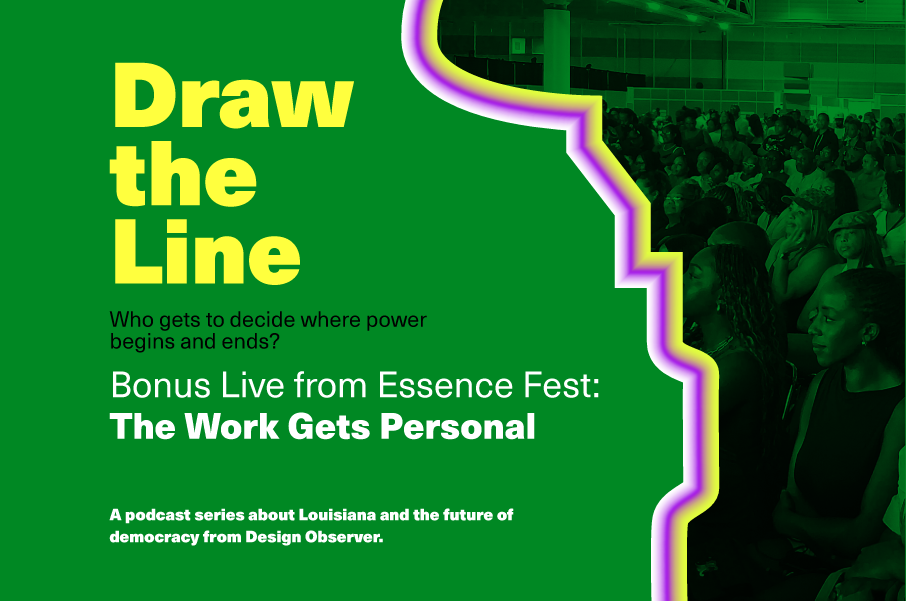
The Supreme Court case Louisiana v. Callais gutted the Voting Rights Act and rewrote the rules of American democracy. Design Observer’s brand new audio documentary, Draw the Line, is telling the inside story of Louisiana’s fight over power, maps, and who gets left off them.
Every district line is a design decision — and every decision is about who gets power.
Some fine print
Design Juice
Rachel Paese|Design Juice
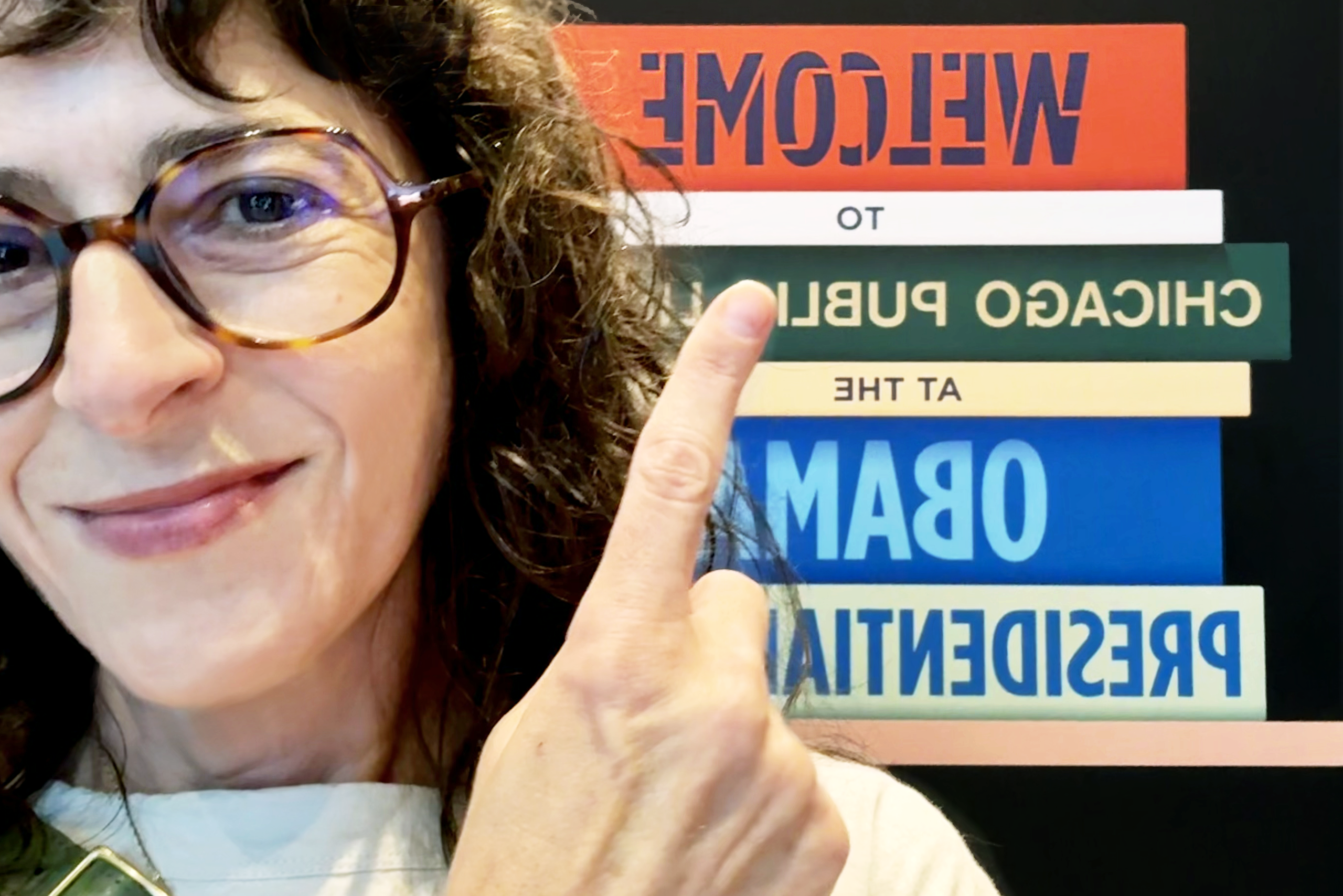
Sara Soskolne is a typeface designer who thinks of herself as a craftsperson
We’re surrounded by letters created by the human hand, and this “micro-nerdery” is what makes the viewer feel something
Arts + Culture
Alexis Haut|Interviews
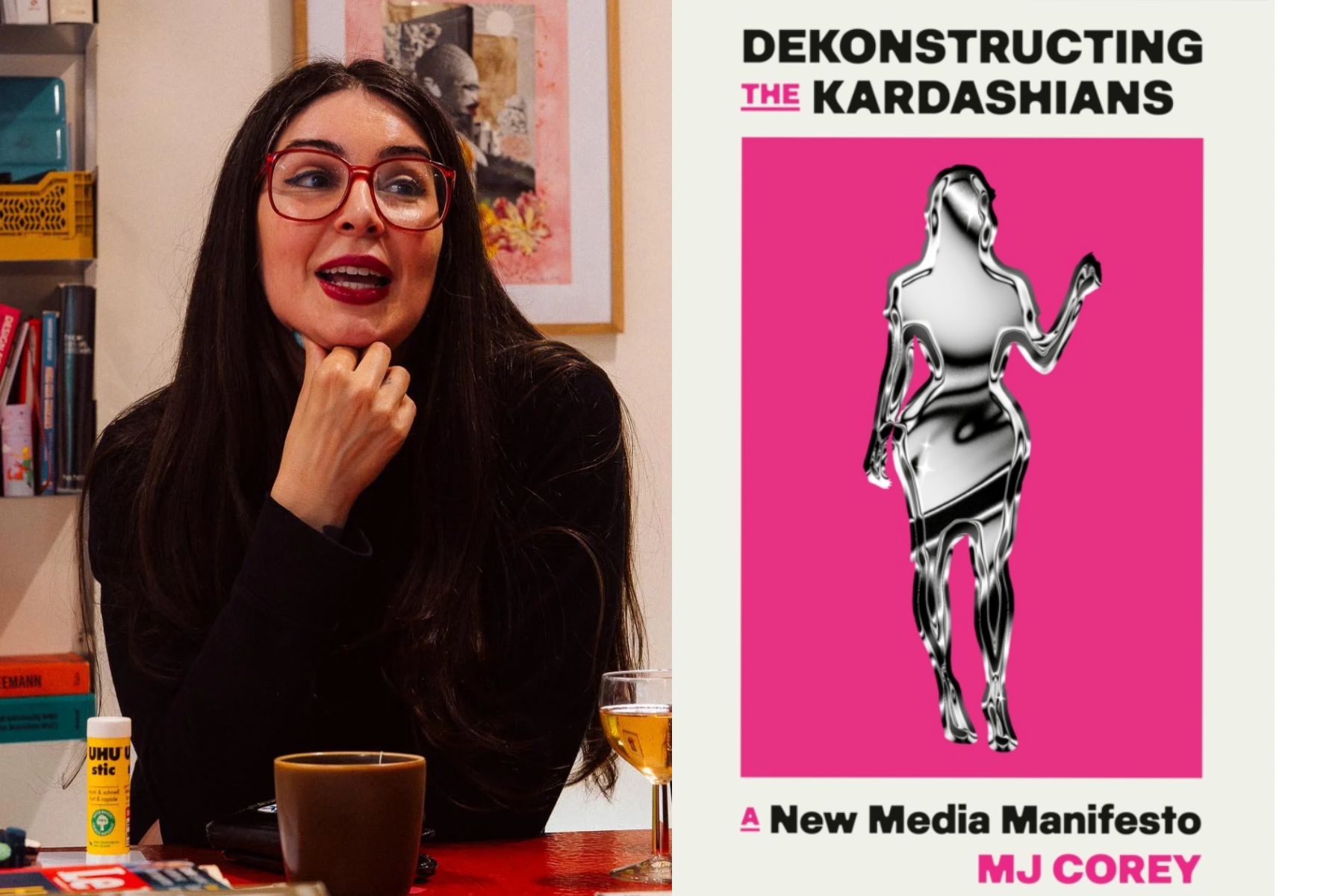
The Kardashians will make you cringe, but first they’ll sell you shapewear
Writer and Media Theorist MJ Corey, aka Kardashian Kolloquium, on making a career out of taking the Kardashian’s influence seriously
Design Juice
Rachel Paese|Design Juice
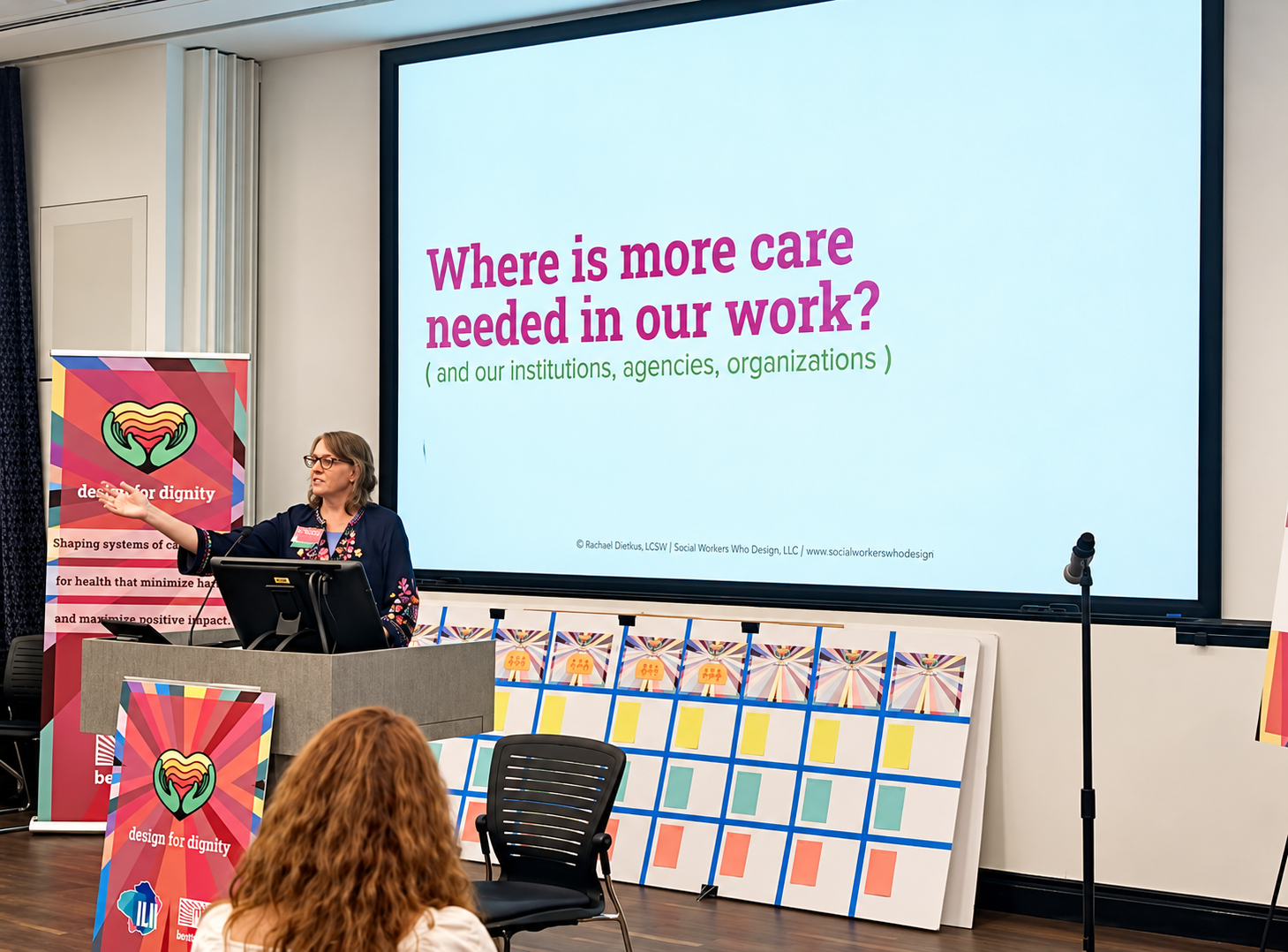
‘What if care were foundational to systems design?’ asks Rachael Dietkus
The founder of Social Workers Who Design asks what it means to care for the public, and argues that care-centered design is what makes systems last
Observed
MIT’s School of Architecture and Planning is open, and it’s spectacular. The 1894 brick storage facility is now a light-filled vision. “The project speaks volumes about where the design profession is heading these days,” notes Bloomberg’s Kriston Capps. “It’s a conscious exercise in retrofitting an existing building rather than building something new, which may well be the majority of the work students will be doing when they graduate.”
What’s in a stripe? About $500 million, conservatively. Adidas has sued Australian fashion brand White Fox Boutique for selling clothes featuring a four-stripe design that Adidas says is “deceptively similar to its own three-stripe trademark.” The court injunction would ask White Fox to surrender profits earned from the products. The Guardian has the numbers involved and buried the lede: the justice hearing the case is Ian Jackman, brother of Hugh.
Sit up straight when you speak her name. A new show at the Met remembers that Jackson Pollack was married to one helluva painter. Lee Krasner’s full range is on display, including tantalizing glimpses into their shared lives — as some of his rejected material finds its way into her collages. “Krasner is finally getting her due — and on her own terms,” says NPR.
Read more at designobserver.com or in your Substack feed.
Happenings
Service Design Global Conference 2026 (October 28–29, 2026 | Frankfurt, Germany & Online): Beyond Boundaries: Enabling Solutions that Shape Tomorrow is focused om the operational business value of human-centered systems, corporate transformation, and service design.
Pan Afrikan Design Week 2026 (October 21–24, 2026 | Cape Town, South Africa): How do we design to thrive? Held at the V&A Waterfront, this hybrid conference focuses on systemic changes, storytelling, and building sustainable solutions for African businesses and “purpose-driven people.”
Find a full list in last week’s newsletter or keep an eye on your Substack feed.
Job board
Hiring a designer? Post your role on the Design Observer Job Board to reach a highly engaged audience of designers, creative leaders, and studios across the Design Employment Network.
Professor of Practice in Design at Tulane University, New Orleans, LA.
3D Event Designer / Experiential Designer at Design Foundry, Hyattsville, MD.
Mechanical Engineer at FYi Design Dept., Squamish, BC.
End marks
Tune in to a behind-the-scenes Design Juice chat with Sara Soskolne, Executive Creative Director at Monotype.
This is the web version of The Observatory, our weekly dispatch from the editors and contributors at Design Observer. Want it in your inbox? Sign up here. While you’re at it, come say hi on YouTube, Instagram, LinkedIn, or TikTok — and don’t miss the latest gigs on our Job Board.
Observed
View all
Observed
Share on Social


By Ellen McGirt
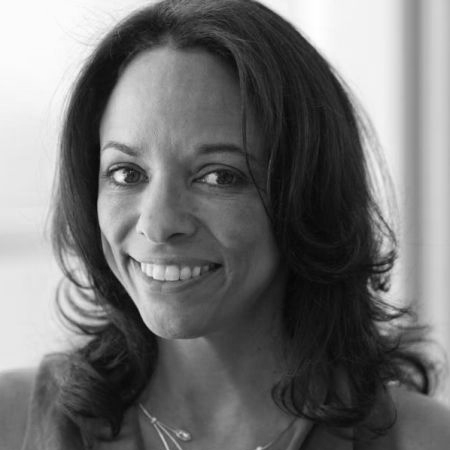 Ellen McGirt is an author, podcaster, speaker, community builder, and award-winning business journalist. She is the editor-in-chief of Design Observer, a media company that has maintained the same clear vision for more than two decades: to expand the definition of design in service of a better world. Ellen established the inclusive leadership beat at Fortune in 2016 with raceAhead, an award-winning newsletter on race, culture, and business. The Fortune, Time, Money, and Fast Company alumna has published over twenty magazine cover stories throughout her twenty-year career, exploring the people and ideas changing business for good. Ask her about fly fishing if you get the chance.
Related Posts
Design Juice
Rachel Paese|Design Juice
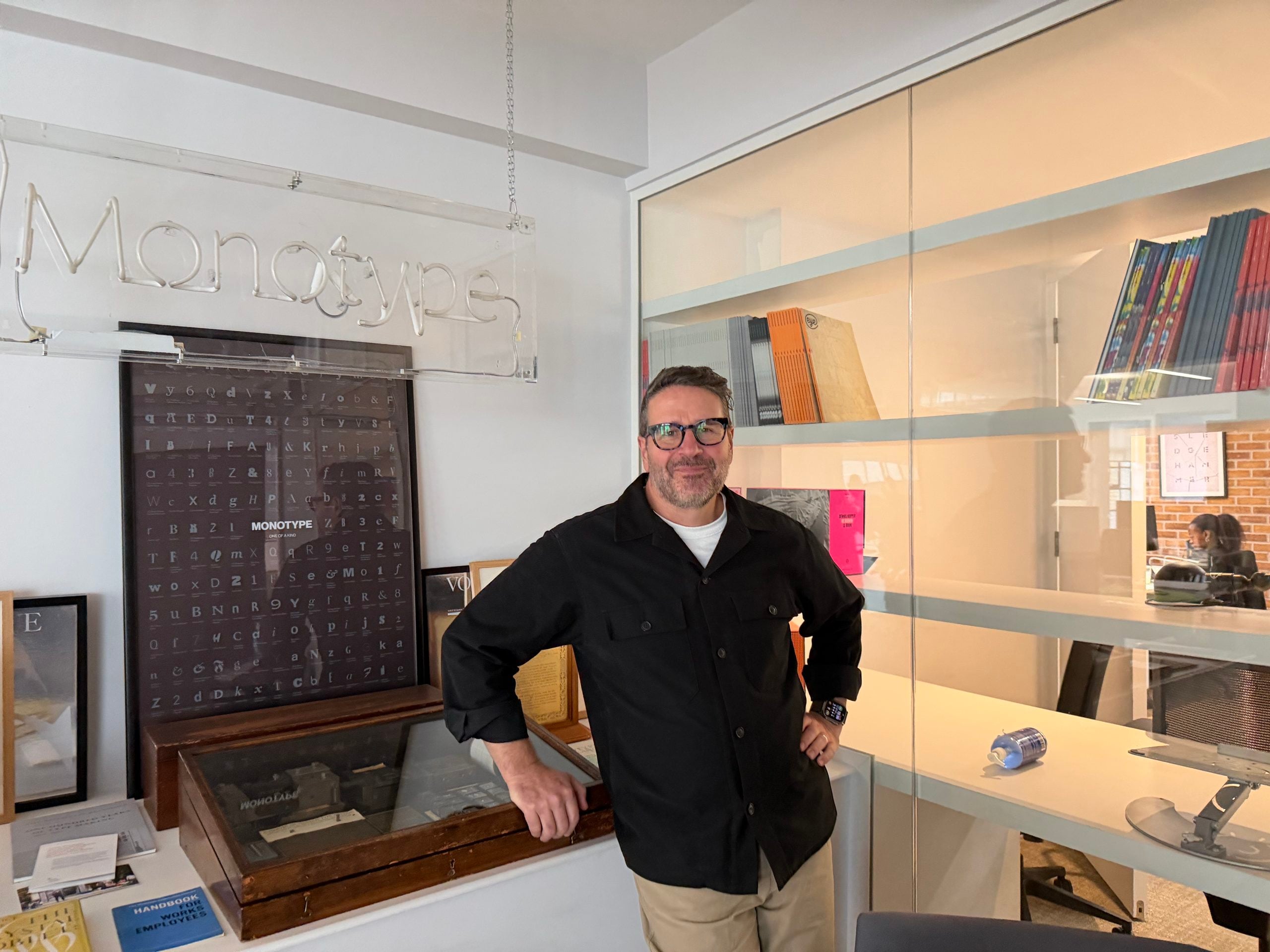
Typography is an accessibility, usability, and customer care issue, says Charles Nix
The Observatory Newsletter
Ellen McGirt
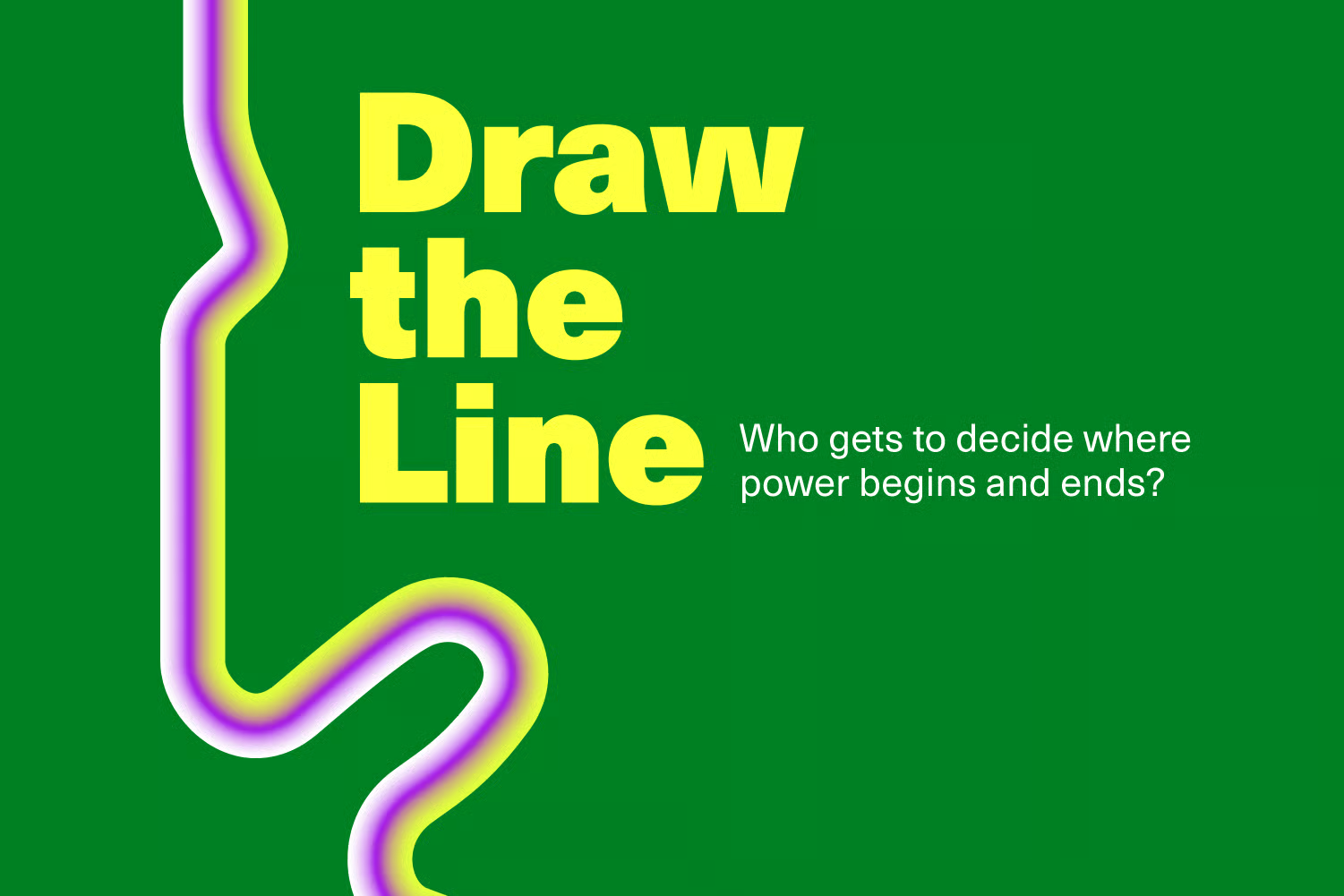
Who gets to decide where power begins and ends?
The Observatory Newsletter
Rachel Paese
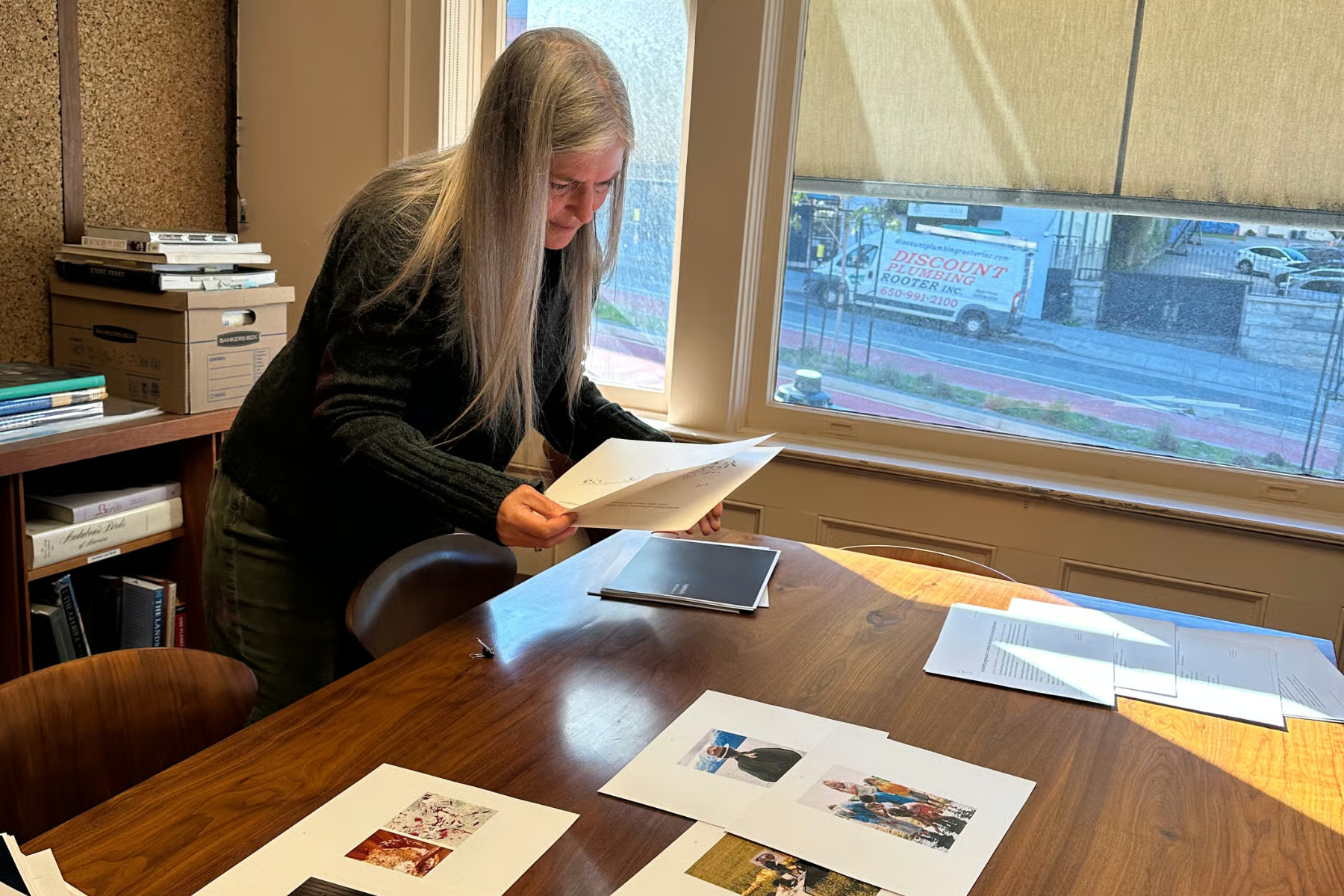
You need an observation practice
Draw the Line
Audio
BONUS: Live from Essence Fest – The Work Gets Personal
Subscribe to The Observatory
Related Posts
Design Juice
Rachel Paese|Design Juice
Typography is an accessibility, usability, and customer care issue, says Charles Nix
The Observatory Newsletter
Ellen McGirt
Who gets to decide where power begins and ends?
The Observatory Newsletter
Rachel Paese
You need an observation practice
Draw the Line
Audio