


Jessica Helfand|The Icarus Diaries
February 10, 2026
02: The Backstory
Read the introduction to this series.
Classically, Icarus is shown as a fallen angel, muscled body in freefall. The focus is on his flight, not his face.
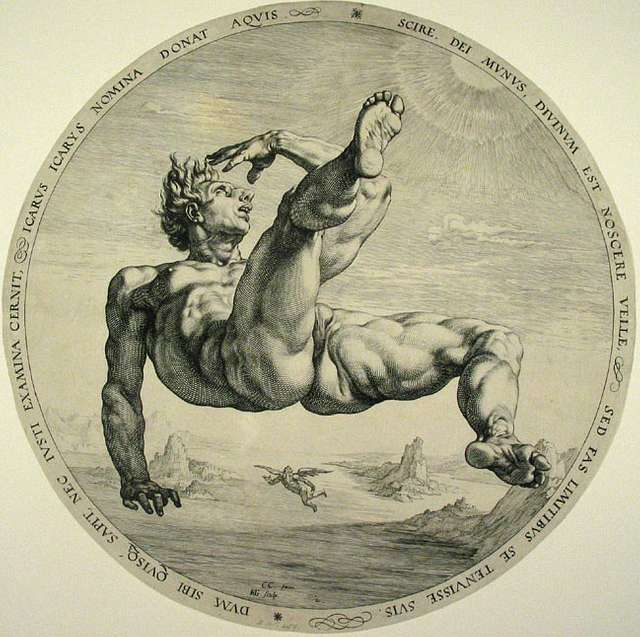
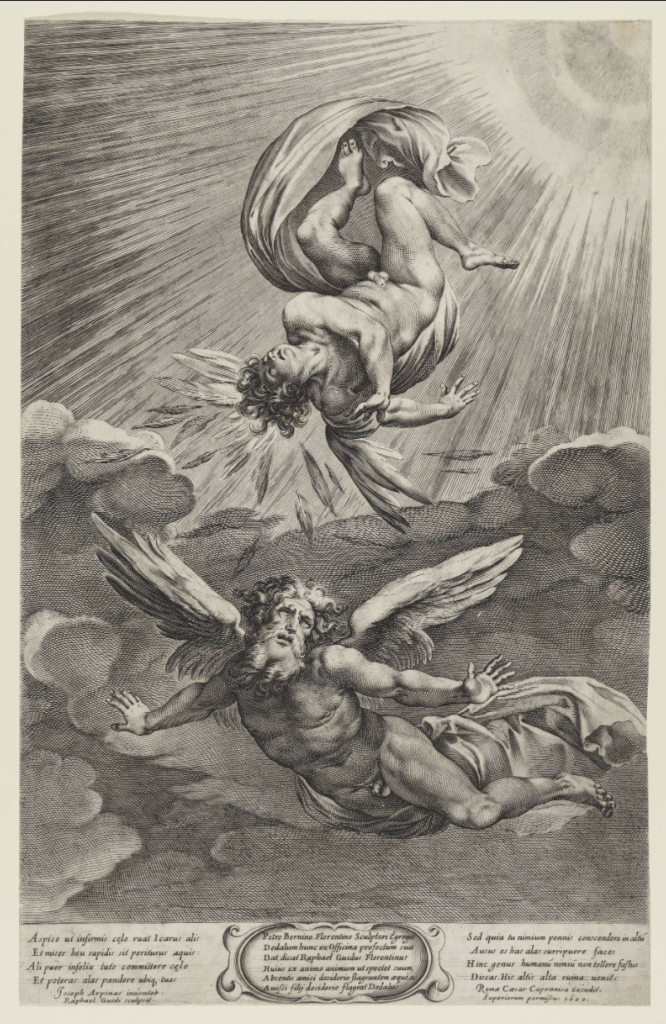
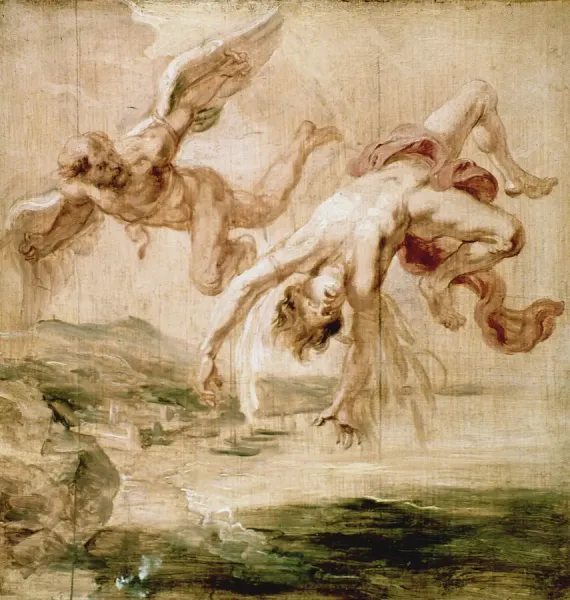
But who was he, really?
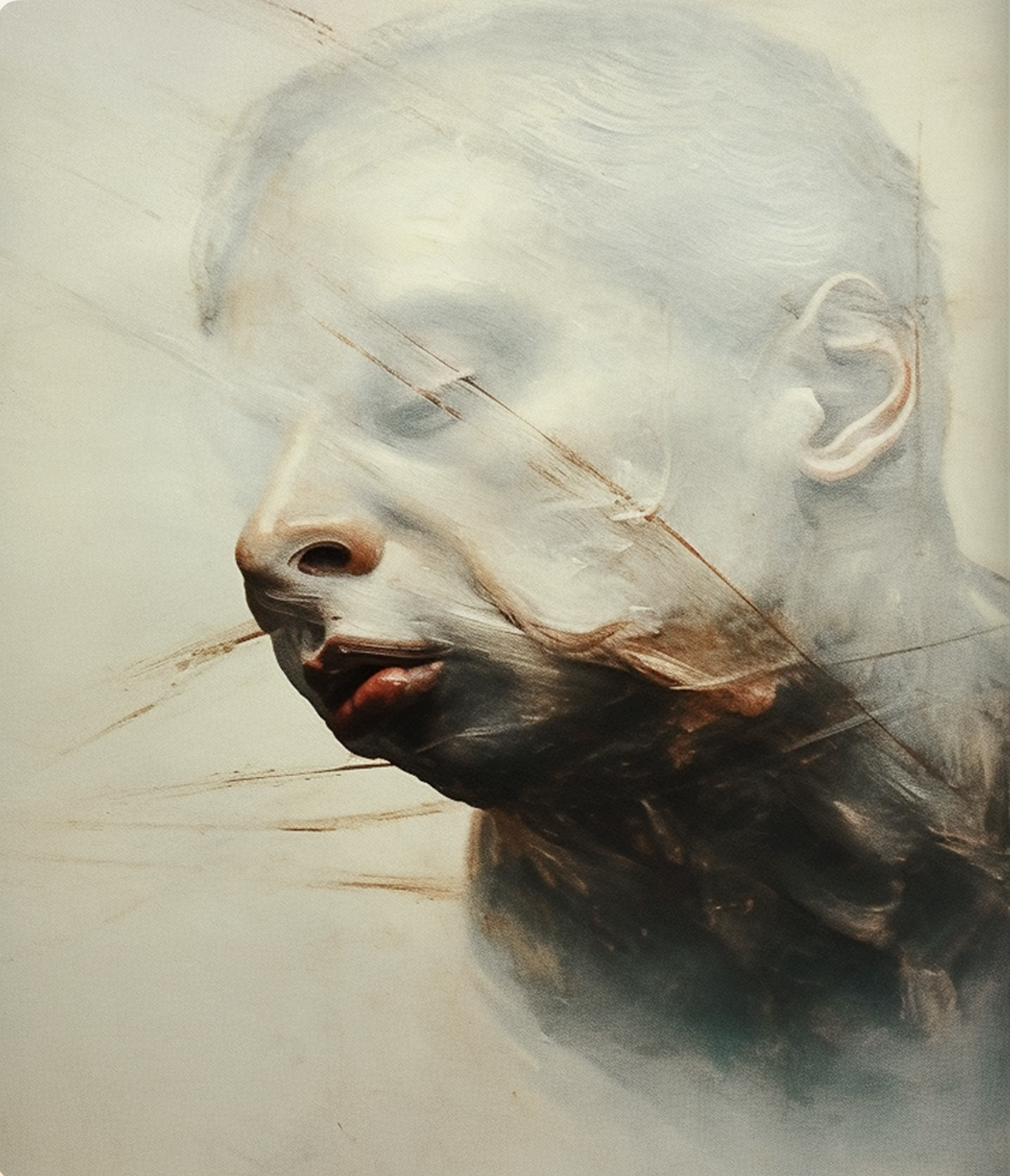
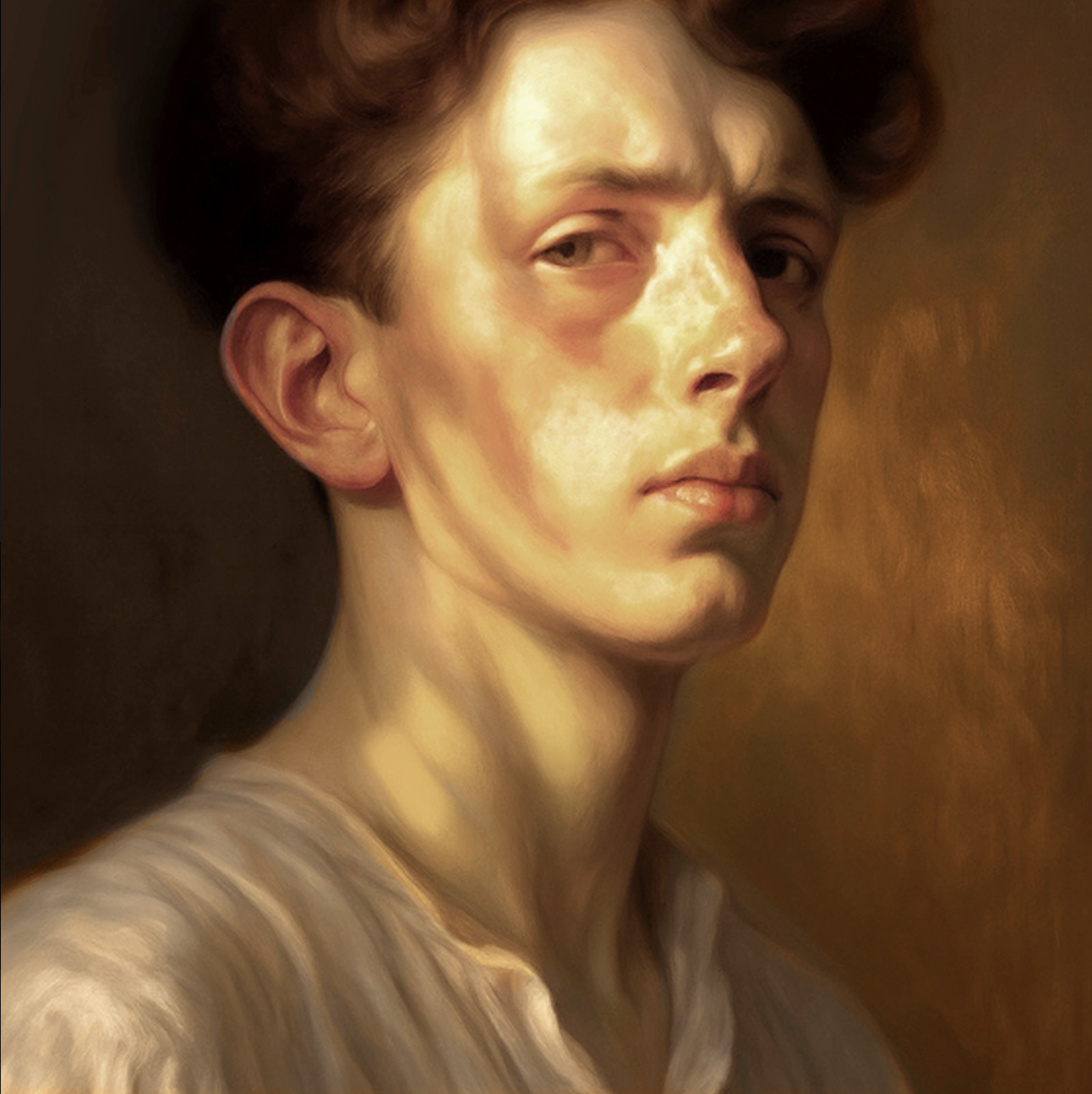
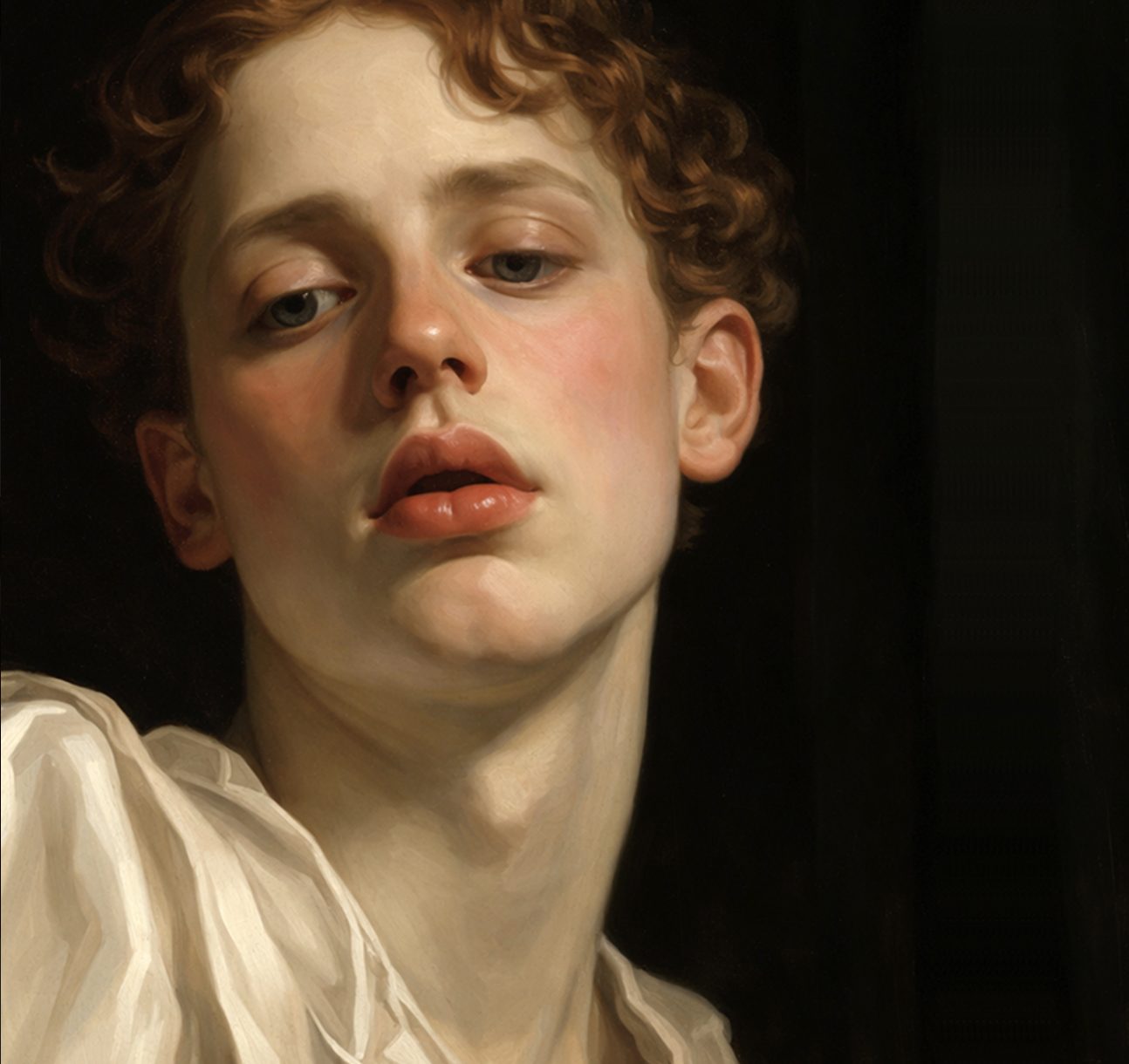
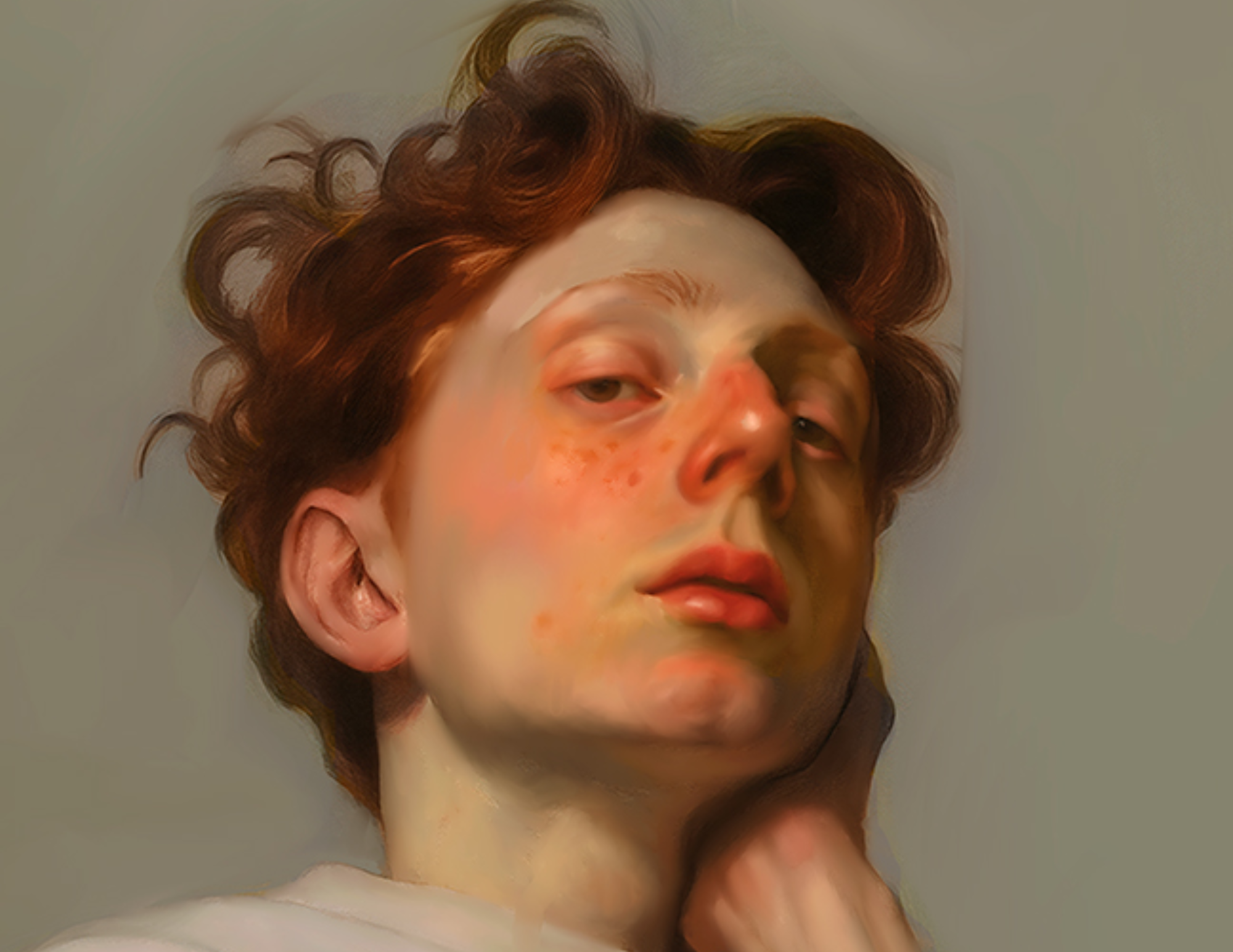
The paintings in this series each imagine Icarus as human: at turns hopeful and penitent, ascendant and lost. There’s so much territory to mine, here: it is an ancient story but a modern one, too. So modern. (Maybe too modern.) I think of struggle and tension, of aspiration and hubris and a violent, unforgettable end.
But it begins with the hopefulness of a boy who is about to soar.
Next:

Observed
View all
Observed
Share on Social


By Jessica Helfand
 Jessica Helfand is an artist and writer based in New England. A former critic at Yale School of Art and one of the founding editors of Design Observer, she is the author of several books on visual culture including Self Reliance, Design: The Invention of Desire, and Face: A Visual Odyssey. jessicahelfand.com
Subscribe to The Observatory