


Jessica Helfand|The Icarus Diaries
February 10, 2026
01: Facing Icarus
Read the introduction to this series.
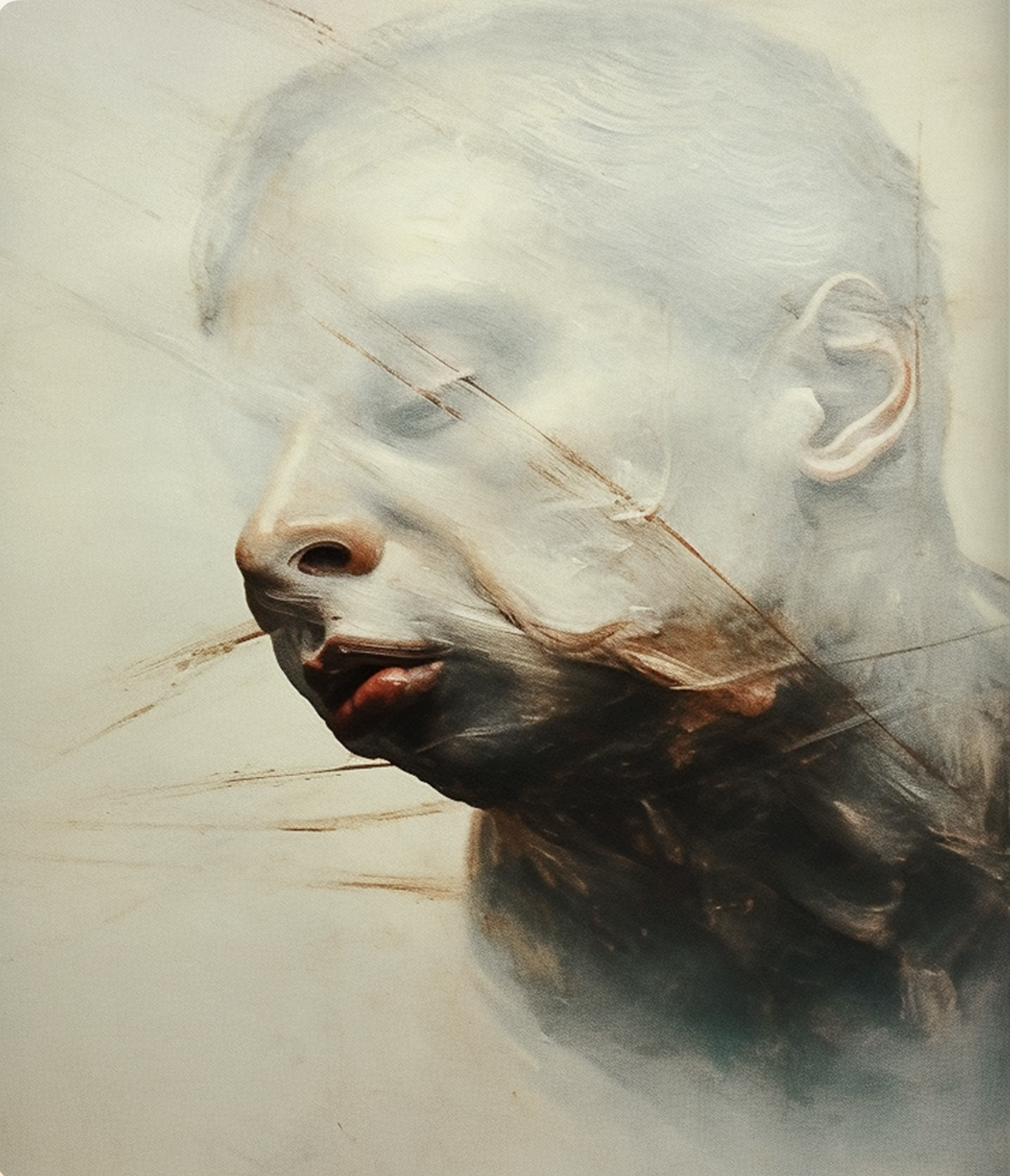
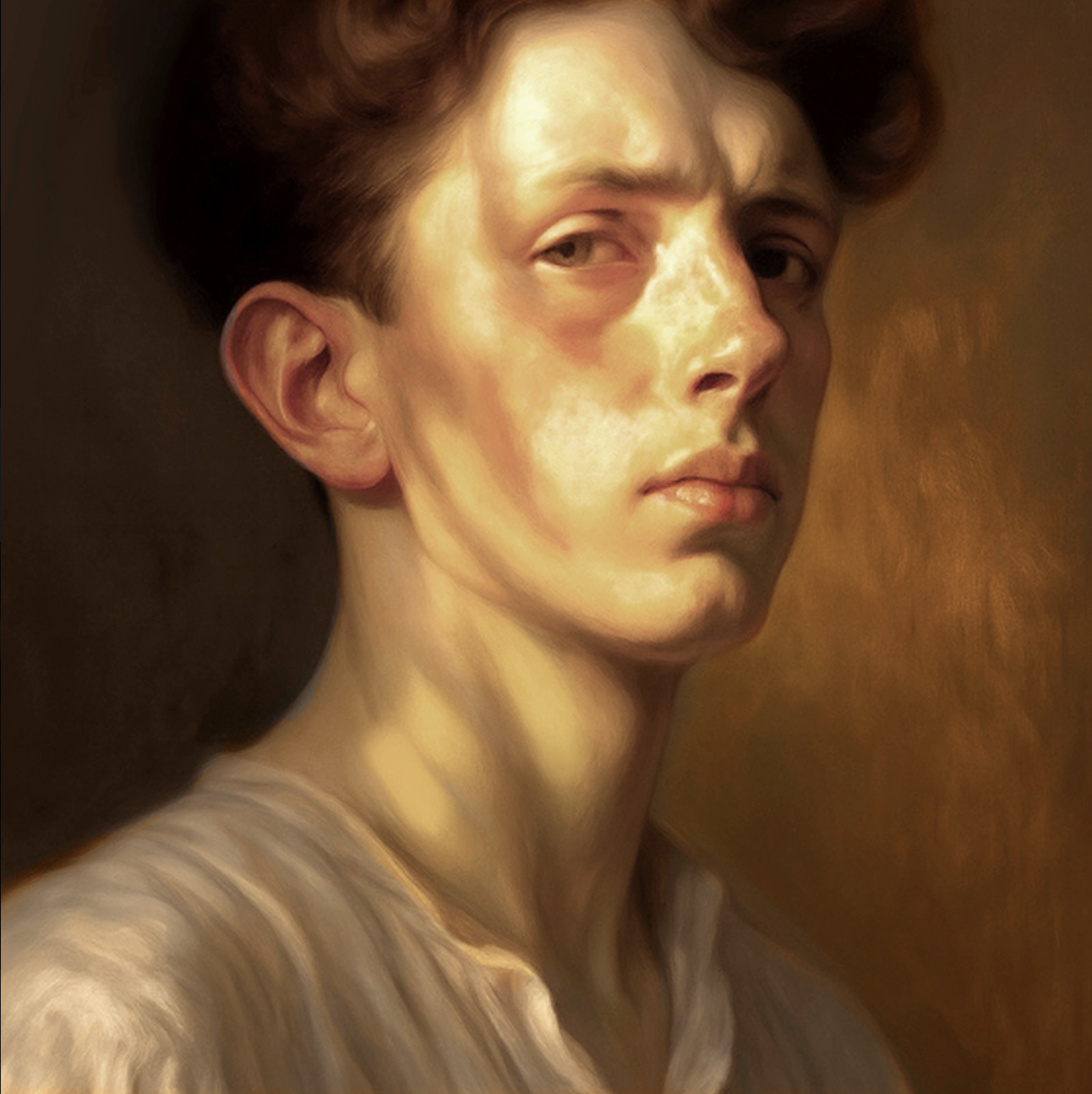
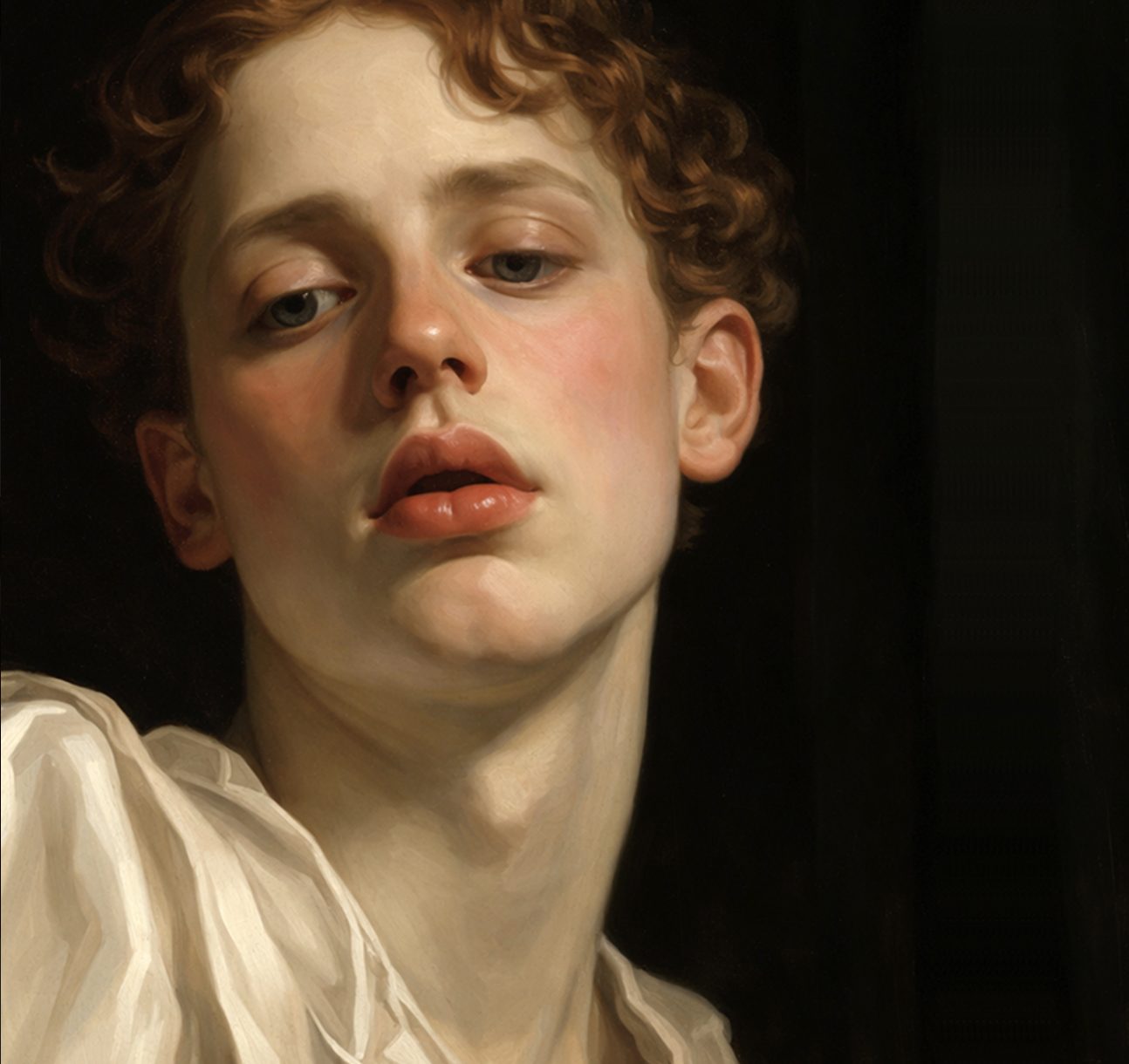
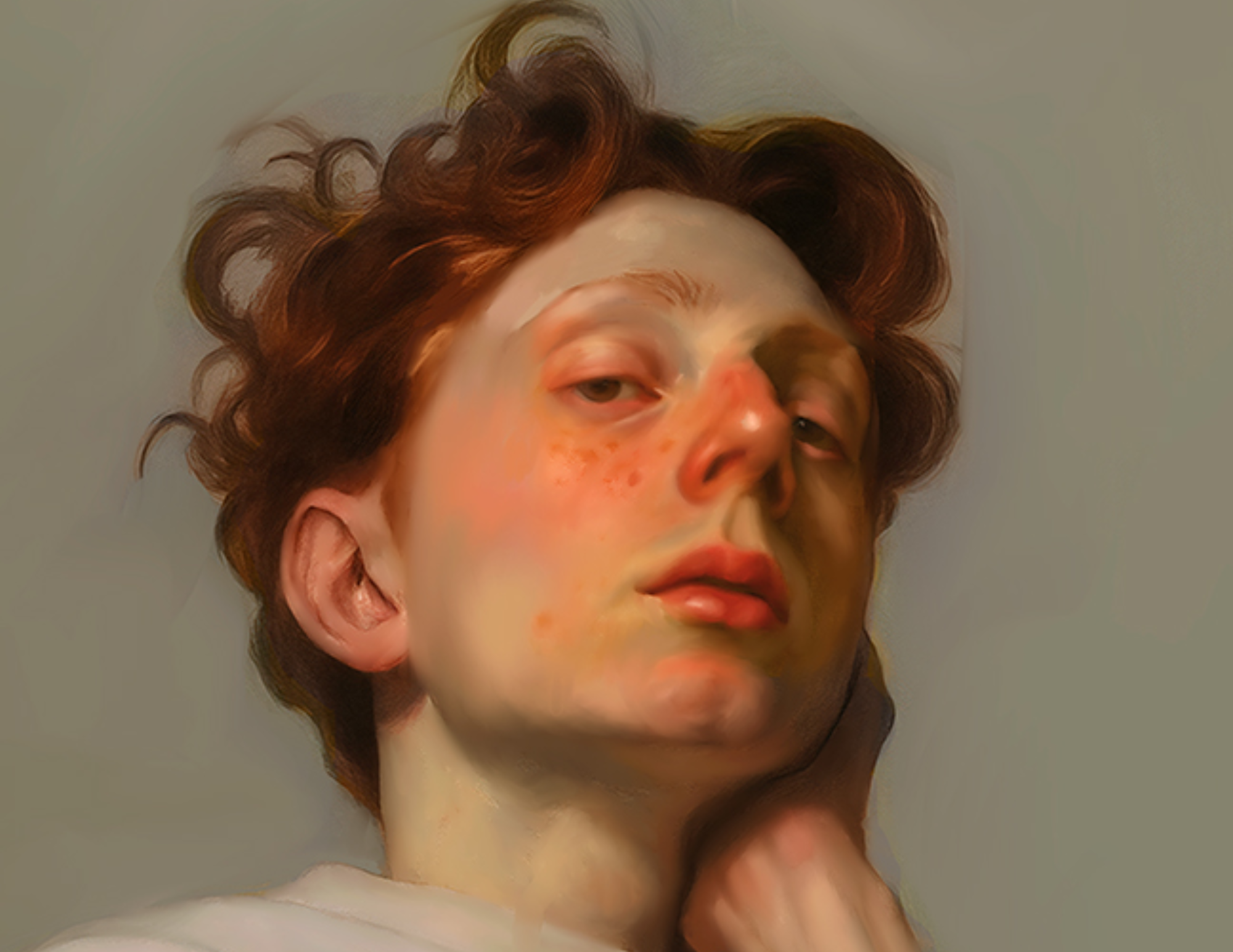
I am working on a series of paintings about Icarus, beginning, as I always do, by making sketches and combining them in AI with specific texts—in this case, from Ovid—who famously wrote about Icarus in book eight of his fifteen-volume epic poem, Metamorphoses.
I tell myself that of all the Greek myths, the story of Icarus is the one most people know. And if that is true, I don’t need Ovid: I need to find some way to open up the story and with it, my exploration. Because a story this persistent is about more than tragedy.
Joan Didion wrote: I write entirely to find out what I’m thinking, what I’m looking at, what I see and what it means.
That’s the goal, here: to reason through the making. To dig a little deeper. To go wider. (Weirder.)
The tale of Icarus is a myth and a fable, an allegory and a parable, but most of all, it is a cautionary tale. A boy buoyant. A parent defied.
Who among us does not know someone flying too close to the sun?
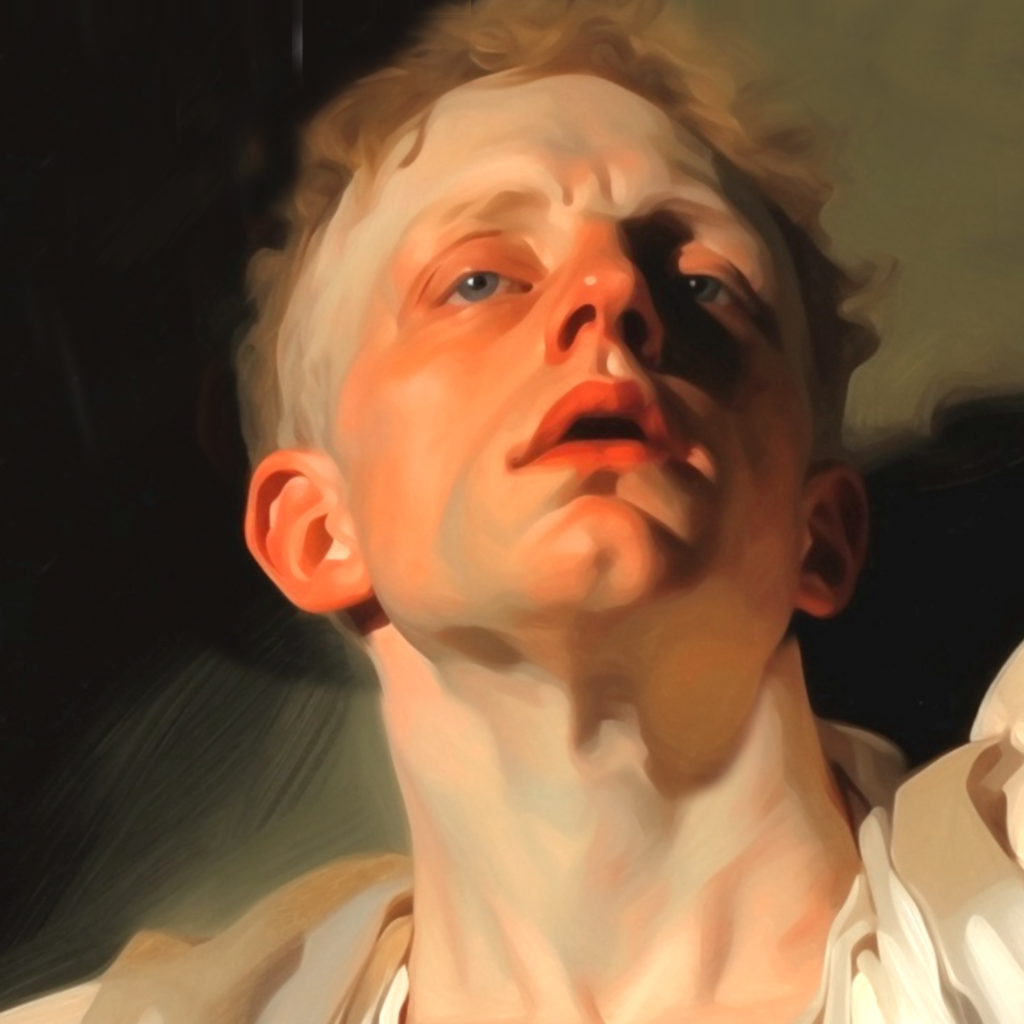
I spend my days squeezing paint from tubes and images from words.
I am training AI on my own work. At times this results in mutant deviations. (Buggy eyes.) But often, it is the opposite, this back and forth, a constant volley with software, with large language models, and with all the analogue tools that fill up the arsenal, the paint and canvas and brushes and rags and knives and linseed oil.
And the words, which I think of as the fundamental raw material that AI needs to help me tease out a story. This emerging lexicon is its own curious palette. Back and forth I go, editing, reverse engineering, adjudicating. Sometimes it feels like a waltz. Other times—most times, if I’m honest—it feels like a tug of war.
Language always brings me back, though not because of any fidelity to the written word. In fact, it’s the misreadings, the digressions that interest me most.
Many years ago when I wrote about the history of scrapbooks, I was taken by the idea of something sociologists call “episodic time”: not the birthdays and anniversaries but the in-between moments, those daily, banal bursts of reality.
I’m dealing with a mythical subject here, but I think excavating those in-between moments is what motivates me most. Not the archetype, but the actual person.
This is a story that never seems to die, this tale of rising again and again from the ashes, part person, part Phoenix.
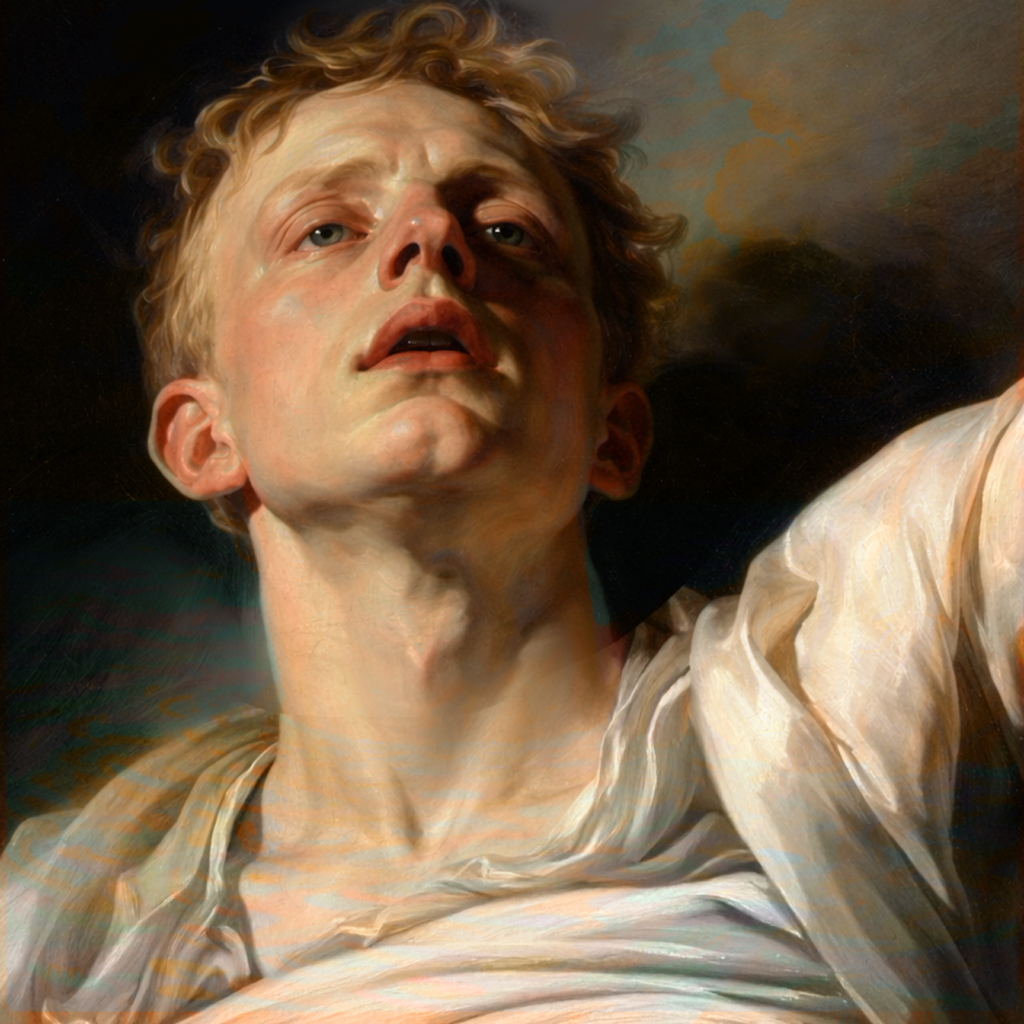
Next:
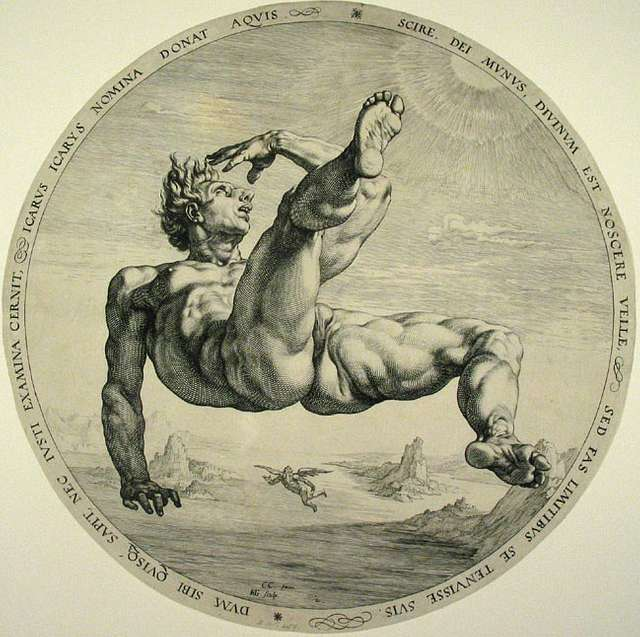
Observed
View all
Observed
Share on Social


By Jessica Helfand
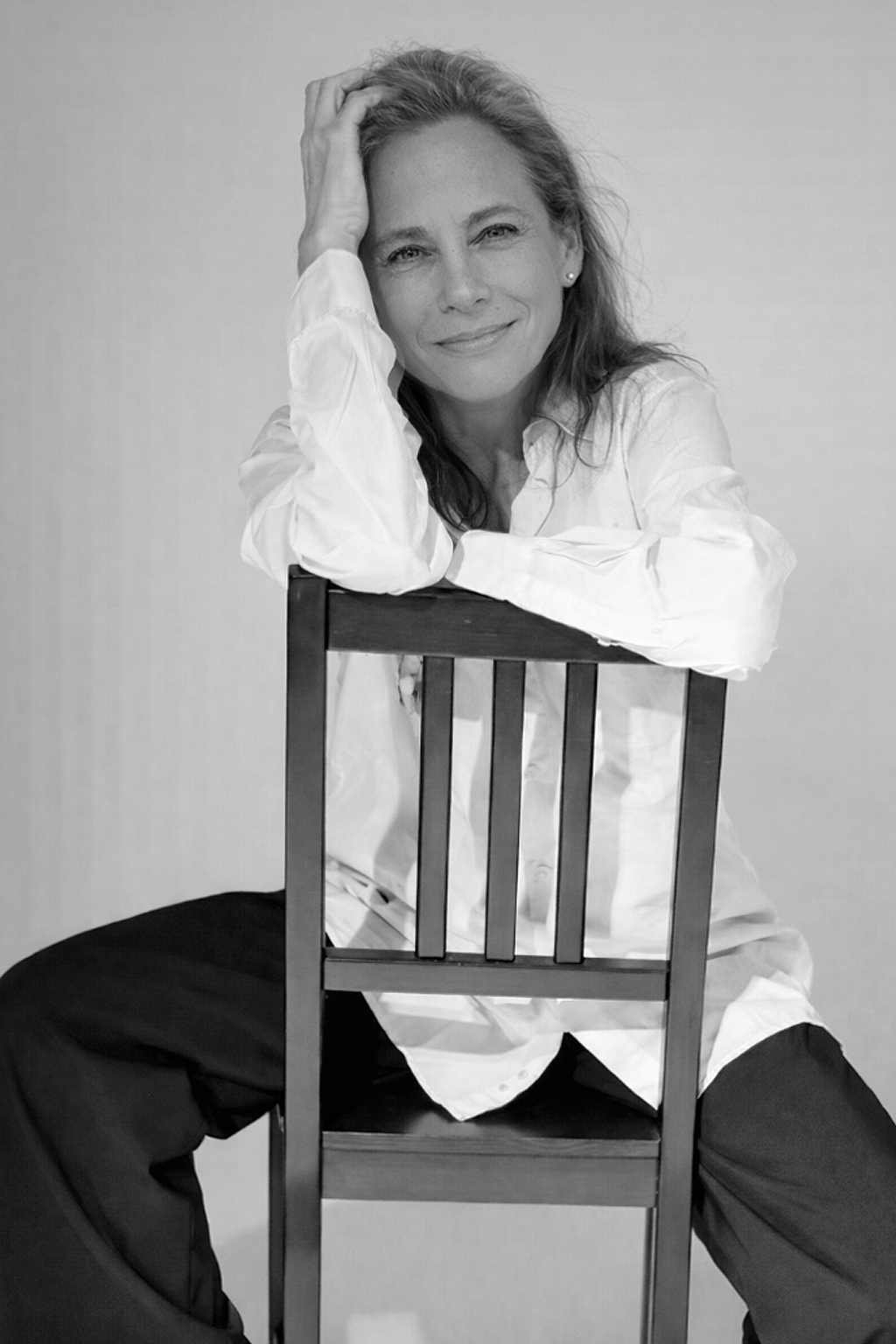 Jessica Helfand is an artist and writer based in New England. A former critic at Yale School of Art and one of the founding editors of Design Observer, she is the author of several books on visual culture including Self Reliance, Design: The Invention of Desire, and Face: A Visual Odyssey. jessicahelfand.com
Subscribe to The Observatory