


April 20, 2026
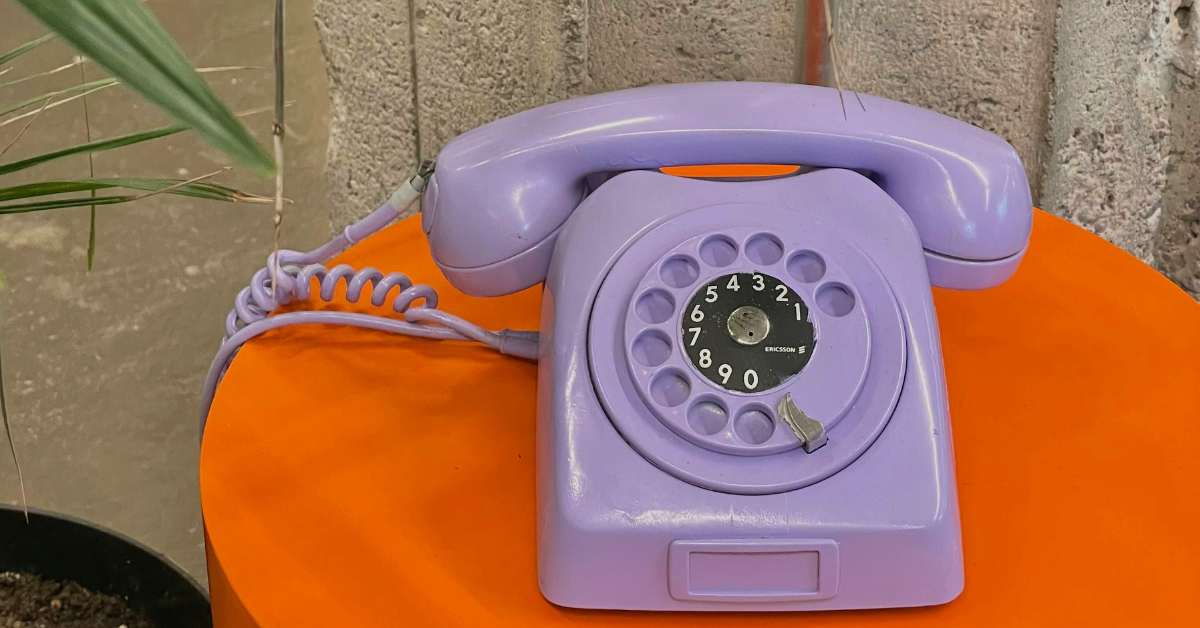
Landlines. #90s Tik Tok. Medievalcore. Strategists are proclaiming that 2026 is the year of nostalgia.
For brands that want to get ahead, this isn't just a trend
My colleagues’ takes are often quite diverse, but this year a chorus has emerged — of strategists proclaiming 2026 to be the year of nostalgia. Wired headphones, workwear (back, so soon), medievalcore, landlines for kids, #90s TikTok. Reading this year’s reports, I find myself agreeing with the observations — nostalgia is big right now, and there’s an opportunity for brands to tap into it.
But I also see nostalgia not just as a passing 2026 trend but a full-scale, post-digital revival — one that’s been a long time coming and will last beyond the end of the year.
“The world is too much with us; late and soon,
Getting and spending, we lay waste our powers;”
These lines could have been written about impulse shopping on Instagram. But alas, they were penned by William Wordsworth, in 1802, several decades into the Industrial Revolution. They are among his most famous critiques of the materialism and overstimulation of that era, a conviction that would lead him and his Romantic peers to embrace nature, medievalism, and the human mind as antidotes to a modern world that was just “too much.” They were the original anti-industrialists, inspiring generations of artists and thinkers to mobilize human craft and imagination against the mechanical, logical, and commercial.
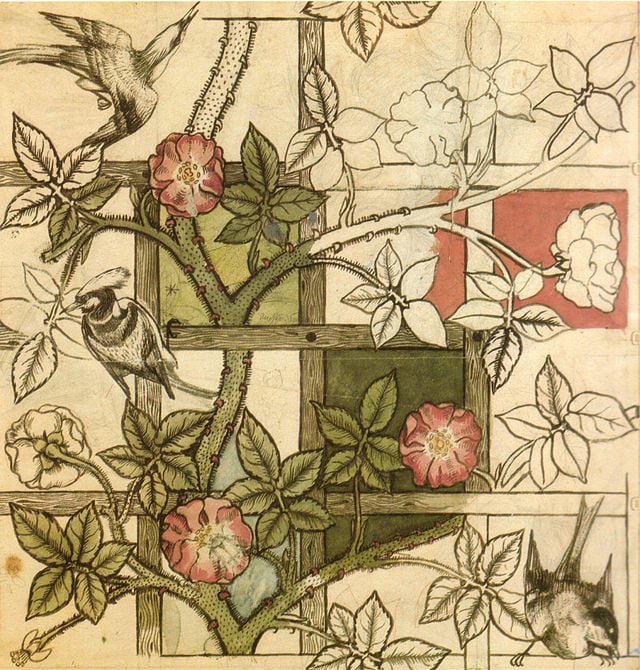
Which is all to say, we’ve been here before. Gazing into the past, looking for wholesome aesthetic references and historic anchors that might restore for us a sense of meaning and purpose. Remember the post-recession heritage movement, with its selvedge denim, IPA, and exposed brick? #heritage #artisanal #americana.

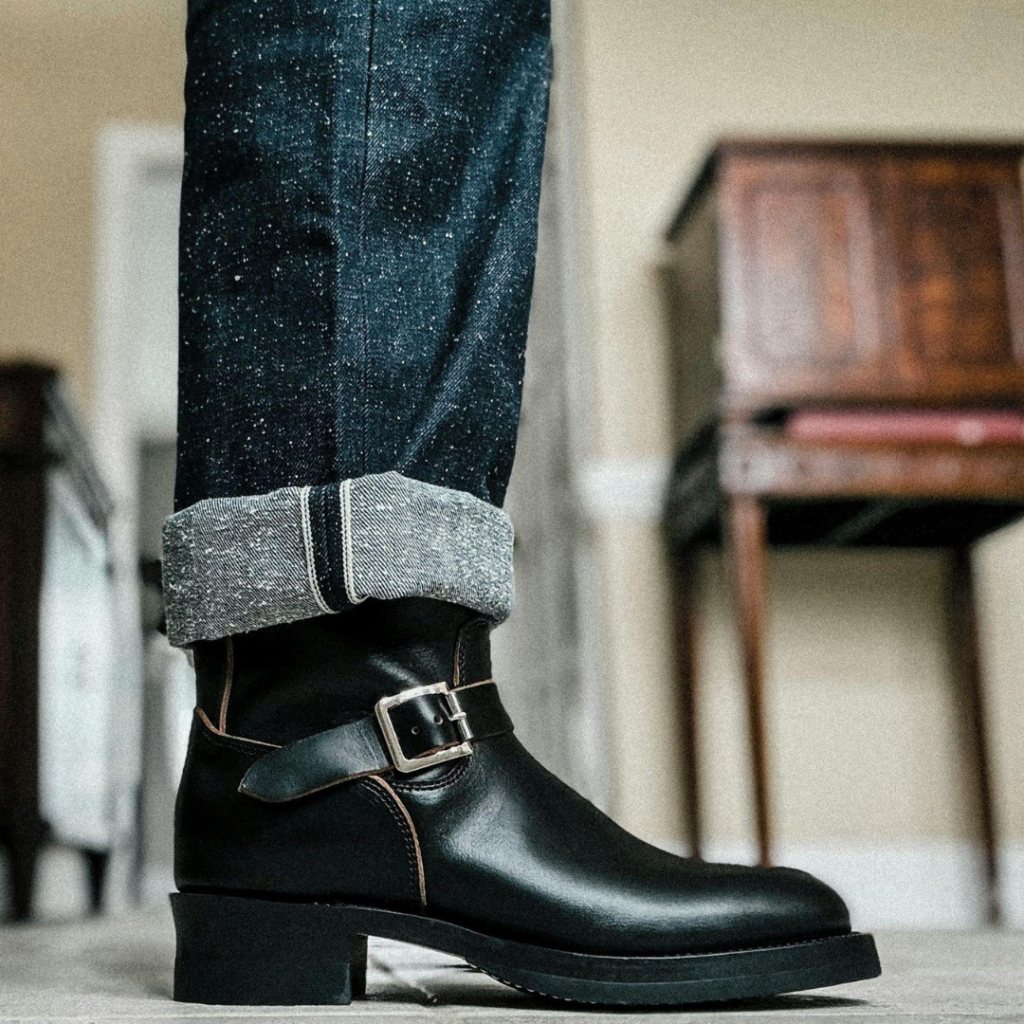
Right credit: Anthony Massaro via Unsplash
The funny thing about this heritage movement — besides the mustaches? It didn’t last very long. Only about half a decade (2008-2014), in part because it grasped onto entrepreneurialism and digital technology as lifelines from the economic morass.
In a global economy hopped up on cultural amnesia and a cornucopia of addictive social media networks that claimed to be building community, many of us saw tech as a progressive, democratic way forward.
Not anymore.
A recent Pew survey found that 50% of respondents were “more concerned than excited” about increased use of AI (vs. 10% who were “more excited than concerned”). This, while theOECD Consumer Confidence Index dips down to 2008 and 2020 lows and thelatest Harvard Youth Poll puts Gen Z confidence in the future at 13%.
More to the point, trust in tech brands is declining. In a 2024 survey, less than 30% of respondents reported trusting X and TikTok. Meta registered not far above them at 36%. In 2025, 64% of surveyed teens reported not trusting Big Tech to care about their mental health and well-being. That’s not the sound of a passing trend.
It’s technological disenchantment going mainstream, a full-scale rejection of this fifth industrial revolution (AI) and its financial, psychological, and political tolls.
The values up for grabs may sound familiar to those of us who lived through the last recession: material honesty, personal authenticity, craft as virtue, human connection, and durability as an ethical stance. These values are relevant again, with fresh nuances and a new urgency, now that the world is more obviously on fire and Big Tech has shifted from a light-mode ally to a dark-mode antagonist in the story.
Another thing that has shifted over the past fifteen years: we are ever more divided, even in what unites us. As of this writing, a majority of Americans seem aligned in their tech skepticism but split on most other topics — including what their tech skepticism means, where it comes from, and what a more wholesome future looks like. Which raises the question: will this disjointed tech skepticism last? Will it cohere into collective action, spur more people to opt out of social media and AI? Or will inertia, convenience, nihilism, and cultural fragmentation get in the way? This, for me, is the great macro strategy question of 2026.
It’s not a given. After all, billions still shop on Amazon and doomscroll on Instagram, the same brands they ostensibly oppose on ethical or moral grounds.
But plenty of cultural signposts point towards more coherence, not less. We are witnessing a rehabilitation of the ideas of difficulty and friction, a growing suspicion of optimization, a renewed fondness for judgment and taste. People are starting to opt out. Migrate from URL to IRL. Buy dumb phones. Critique toxic positivity. These phenomena may still be niche, but they’re gaining cultural cachet and positioned quite explicitly against platform monopolies, attention extraction, and the consolidation of wealth and influence. The groundwork is visible. Now imagine what a tech-bubble recession, deeper rounds of AI layoffs, or anti-authoritarian unrest could do to mobilize concerted action around these issues.
The trick for brands will be finding their voice in this pendulum shift back to an Arts & Crafts mindset, selling themselves and their products as gateways to the things more people want and desire. Things like human connection, community, texture, imperfection, humility, and dignity.
My advice to brands is to promote these qualities very intentionally, even it requires your team to think counter-intuitively:
Think Anti-Optimally
For the past decade, optimization has been a virtue. Reducing friction. Working smarter, not harder. Delivering the right message to the right person at the right time. We’ve internalized these goals. But an Arts & Crafts mindset defies them, interprets them as mechanistic and Taylorized. Push against optimization culture. Look for moments to slow down and let your brand acquire personality, even if it lowers click-through rates by 5%. Invest in real-life illustrators and directors who add human depth and texture to your work. Resist canned language. You may reach fewer people, but you will make a more meaningful impression.
Craft Honestly
Unless you’re targeting tech bros, or your campaign concept relies on it, steer clear of gen AI in your production. Not because the technology is bad per se, but because it signals the wrong virtues. Material honesty is a moral position now. Whatever it is you need to make, plan on making it yourself—and talking about how it was made, if that’s your thing.
Communicate Humbly
The era of hyperbolic brand purpose has passed. People aren’t expecting their shoe brands to save the world or solve climate change. What they do crave, though, are brands and business leaders who can speak frankly—even if it’s to admit uncertainty or moral ambiguity. There’s more risk today in reciting a pre-baked script than speaking your mind extemporaneously (as long as you’re articulating a semi-defensible moral position). Go ahead, take a stance.
Frame Things Historically
People are sick of disruption. Both the word and the idea of breaking things for the sake of breaking things. Instead of anchoring your innovation in violent disruption, look for historical continuity. What foundations are you building on? What tradition are you updating? Whose thinking have you been inspired by? Give your brand the gift of depth this year. Establish its lineage.
Observed
View all
Observed
Share on Social


By Matt Colangelo
 Matt Colangelo is a Senior Strategy Director at Athletics, where he’s worked with clients such as The New York Times, Google, Christie’s, and Major League Soccer. Before joining Athletics, he was a Fulbright Scholar in Italy and an English Literature graduate student at Oxford University, where his interest in anti-industrial revival movements began.
Related Posts
Business
William Richardson|Commentary
Brands cannot afford to speak in the same voice as countless others right now. Typeface designers can help.
Arts + Culture
John Ball|Commentary
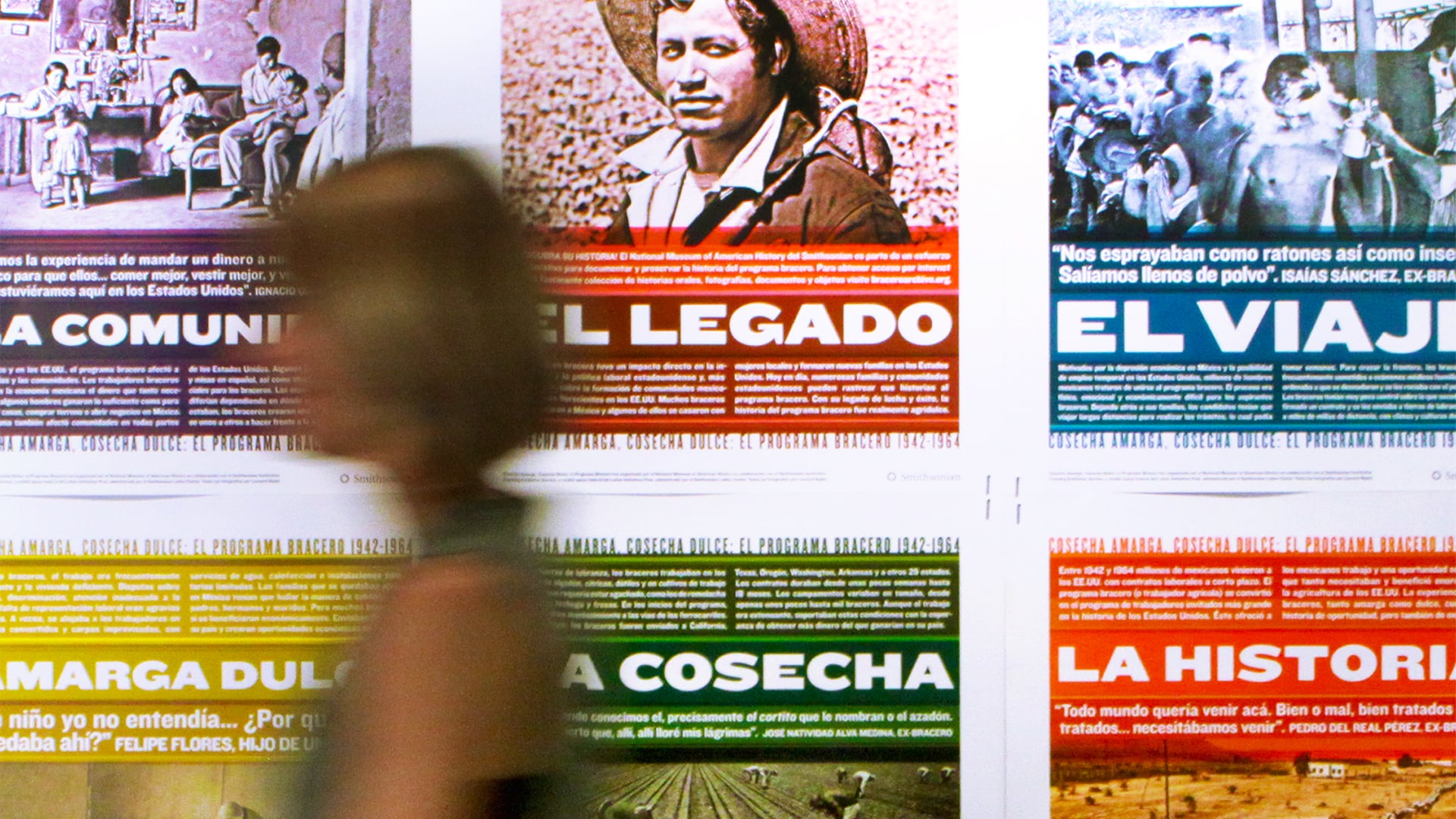
The Smithsonian was ordered to flag “inaccurate information.” I designed a poster series that required complicated truths.

Business
Chris Mele|Commentary
Radical collaboration requires friction
Business
Helder Santo|Commentary
AI will offer you confidence and conviction. Don’t fall for it.
Subscribe to The Observatory
Related Posts
Business
William Richardson|Commentary
Brands cannot afford to speak in the same voice as countless others right now. Typeface designers can help.
Arts + Culture
John Ball|Commentary
The Smithsonian was ordered to flag “inaccurate information.” I designed a poster series that required complicated truths.
Business
Chris Mele|Commentary
Radical collaboration requires friction
Business
Helder Santo|Commentary