



March 18, 2026
Power is designed
The Epstein files expose how systems are built to protect the powerful. Accountability requires a different blueprint: making power visible and open to scrutiny.
In recent weeks, renewed attention on the Epstein files has resurfaced a familiar and unsettling truth: abuse of power never exists in isolation. It is sustained by networks of wealth, reputation, institutions, and silence.
What’s striking is not that powerful individuals behaved badly. History is painfully consistent on that point. What is difficult to absorb, even now, is the scale of harm survivors describe, and the realization that many of these stories were told for decades before they were taken seriously. More difficult still is how long abusive behaviors were known, normalized, or quietly managed — and how many systems worked efficiently to protect access rather than accountability.
Scandal is a story of design
As managing partner at Thought Matter, an independent design and creative studio in New York City working across civic and cultural spaces, I’ve come to believe that design is a civic tool. And civic tools should assume misuse.
For decades, systems, awards programs, speaking circuits, donor recognition platforms, and media narratives have been designed with the presumed goodness of powerful individuals. Visionaries. Patrons. Founders. “Important people.” We’ve wrapped them in a language of impact, innovation, and generosity. We’ve helped convert private power into public benefit often without building in mechanisms for scrutiny or consequence.
These systems rely on the belief that power will behave.
Design has long played a role in upholding power — from the platforms that smooth reputations to the systems that make power feel inevitable and therefore unquestionable. Then, in the aftermath of scandal, design returns to help restore trust.
We talk about anticipating harm as if it requires imagination. But for many people, the outcome was visible all along. Survivors saw it. Journalists documented it. Marginalized communities recognized the pattern immediately. Accountability, if it comes at all, has to be demanded over and over again unless we design systems where accountability is built in, not bolted on after harm.
A fight against the ugliness
I was recently reminded of a popular quote Massimo Vignelli from the modernist era: “The life of a designer is a life of fight: a fight against the ugliness”. In a time of rapid industrialization and political disillusionment, ugliness was confusion, incoherence, and the absence of clarity in public life. Designers responded with order: unified typefaces, structured maps, legible systems that helped people orient themselves. Design helped people navigate complex systems.
These ideas still matter. They just arrive in a different landscape now, one where ugliness is structural. It’s the quiet normalization of harm, the professionalization of silence, the ease with which power is made and designed to look credible.
Power should be made easier to understand, not easier to hide
If design is serious about accountability, it has to start with making power visible, rather than obscuring it. Ethical systems cannot depend on ethical people to function.
On an institutional level, it begins with protecting the transparency survivors have insisted on. The continued public hearings around Epstein and Gisèle Pelicot’s decision in France to keep her trial open both show how visibility can become a form of accountability.
In other contexts, designers are already holding power accountable by making it more visible. Unlock NYC is a platform that allows tenants to document illegal housing practices and collectively pressure city enforcement.
Others are responsibly shaping how systems appear to the public. Good communication design helps people see how institutions actually work. It can clarify how decisions are made, where accountability sits, and how the public can respond when those institutions fail.
I’ve carried a related idea with me since working with Milton Glaser’s studio in 2016: his belief that being a good designer is being a good citizen. Citizenship, as he understood it, wasn’t symbolic. It meant participation in shared systems, and responsibility to the public beyond any single client or brief.
Being a good citizen is no longer just about doing the right thing. It’s about understanding how power operates and whether the systems around us make that power visible and accountable. Communication design helps make that participation possible, showing people how systems work and how collective pressure can shift power from the few to the many.
Observed
View all
Observed
Share on Social


By Jessie McGuire
 Jessie McGuire is Managing Partner of Thought Matter, the independent design and creative studio awarded the 2026 National Design Award for Communication Design by Cooper Hewitt, Smithsonian Design Museum, the field’s highest national honor. She leads the studio’s strategy, partnerships, and long-term vision, building a practice where design shapes how institutions and companies communicate, earn trust, and engage the public.
Jessie works at the intersection of culture, business, and civic life, helping organizations translate complex ideas into identities, campaigns, digital platforms, and civic experiences that last. The studio’s portfolio spans cultural institutions, nonprofits, and commercial brands, and each project is shaped by the same conviction: the most powerful design shapes what people believe, not just what they see.
Jessie believes imagination should not shrink to fit the market and that design carries a responsibility to shape the future.
Jessie McGuire is Managing Partner of Thought Matter, the independent design and creative studio awarded the 2026 National Design Award for Communication Design by Cooper Hewitt, Smithsonian Design Museum, the field’s highest national honor. She leads the studio’s strategy, partnerships, and long-term vision, building a practice where design shapes how institutions and companies communicate, earn trust, and engage the public.
Jessie works at the intersection of culture, business, and civic life, helping organizations translate complex ideas into identities, campaigns, digital platforms, and civic experiences that last. The studio’s portfolio spans cultural institutions, nonprofits, and commercial brands, and each project is shaped by the same conviction: the most powerful design shapes what people believe, not just what they see.
Jessie believes imagination should not shrink to fit the market and that design carries a responsibility to shape the future.
Related Posts
Business
William Richardson|Commentary
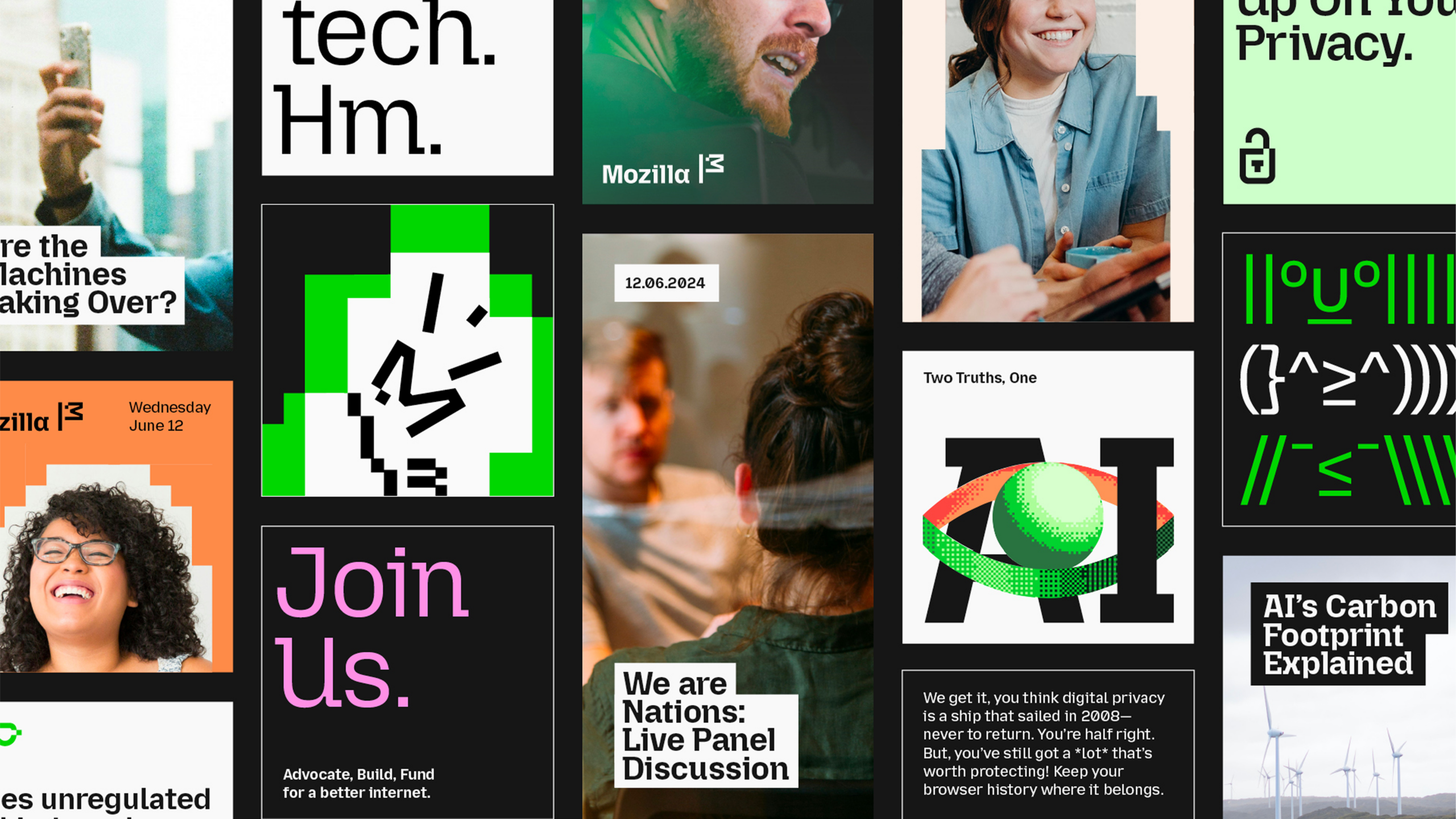
Brands cannot afford to speak in the same voice as countless others right now. Typeface designers can help.
Arts + Culture
John Ball|Commentary
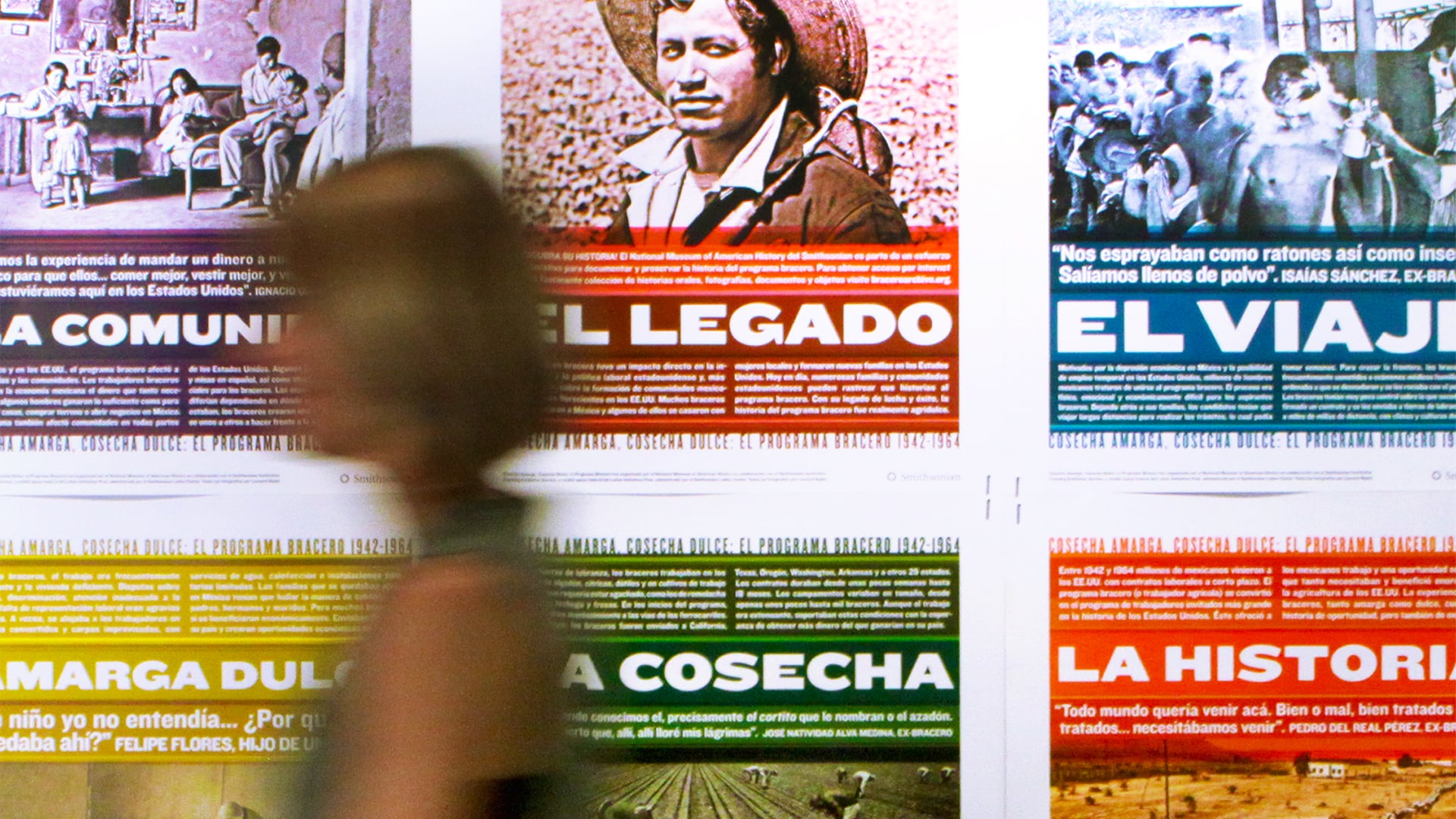
The Smithsonian was ordered to flag “inaccurate information.” I designed a poster series that required complicated truths.

Business
Chris Mele|Commentary
Radical collaboration requires friction

Business
Helder Santo|Commentary
AI will offer you confidence and conviction. Don’t fall for it.
Subscribe to The Observatory
Related Posts
Business
William Richardson|Commentary
Brands cannot afford to speak in the same voice as countless others right now. Typeface designers can help.
Arts + Culture
John Ball|Commentary
The Smithsonian was ordered to flag “inaccurate information.” I designed a poster series that required complicated truths.
Business
Chris Mele|Commentary
Radical collaboration requires friction
Business
Helder Santo|Commentary