


May 12, 2026
“The world needs what you’re making,” and the deadline is May 29.
Release Day 2026: a collective deadline for creatives, and the built-in community to get them there
Sam Furness, cultural producer, experience designer, and founder of Channel Twelve, hates the word hobby.
“‘Hobby’ implies that it’s an activity that doesn’t go anywhere. Try telling that to somebody who works a 9 to 5 soulless job, but they have an art studio in their spare bedroom. That’s where they like bring their soul to life.”
“Hobbies” are exactly the things that take you places, he argues. Furness knows the power of pouring into his own creative curiosity. Years ago, when he felt he had lost his creative spark, he devoted twelve months to twelve different creative endeavors: origami, flight, movement, color, songwriting.
It’s what led him to guiding others to unlock their creative spirit at his company Channel Twelve, their Creative Quests programs, and it’s what led him to dream up Release Day in 2025.
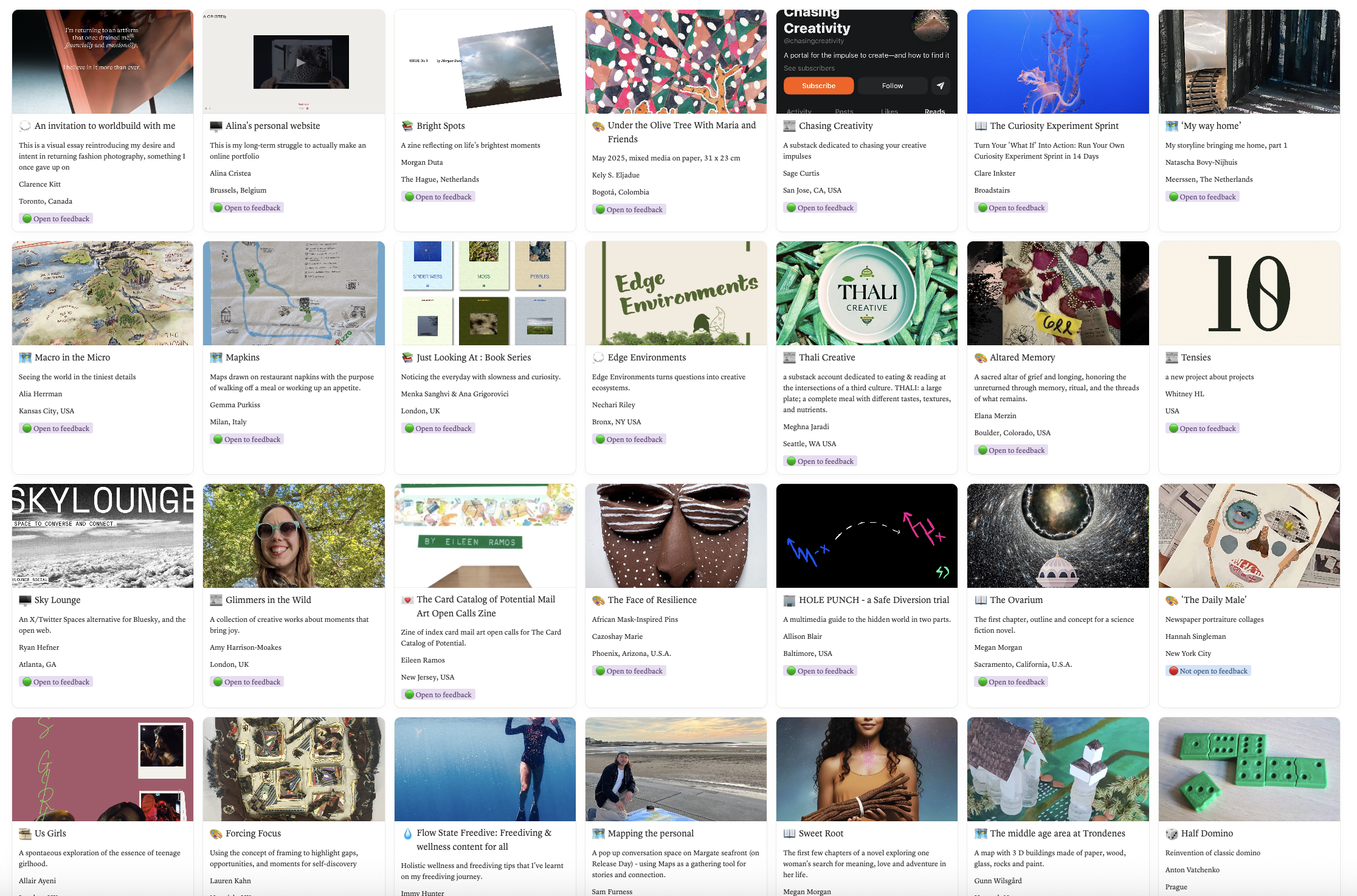
Release Day, happening on May 29th, is a collective deadline for any kind of creative project. Projects of all kinds — zines, songs, paintings, websites, essays, and films — will be released simultaneously as a shared online gallery, tagged with #ReleaseDay2026, in what organizers are calling a global fireworks display of creativity.
“It’s a way for people to get over the procrastination, perfectionism, and fear that stops us from sharing the projects that we care about most,” says Furness. “The world needs what you’re making.”
It’s also completely free and open to anyone. This year, he’s partnering with CreativeMornings and Adobe, bringing the reach to the next level.
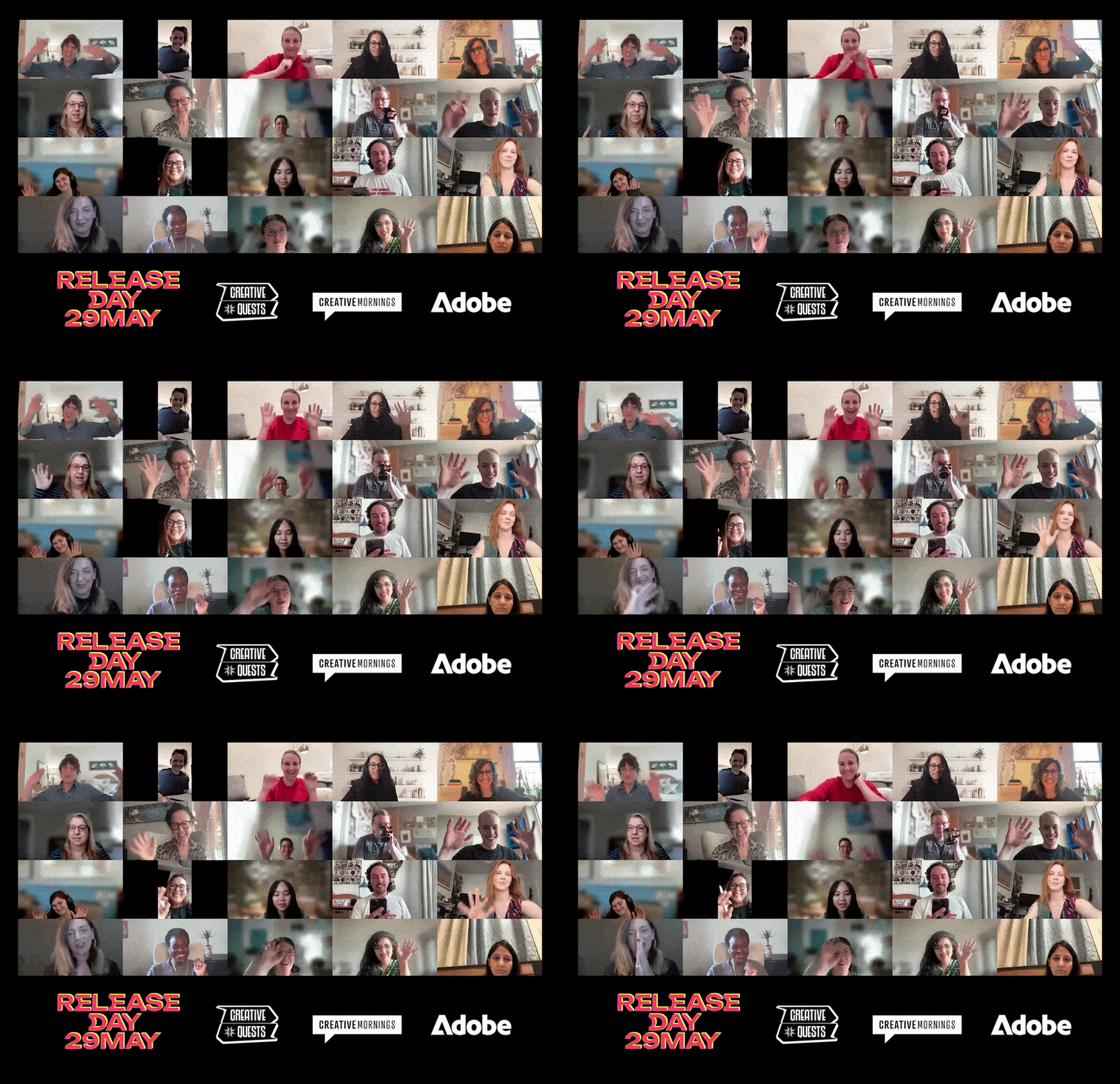
Tina Roth Eisenberg — founder of CreativeMornings, a global community organization that brings creatives together — met Furness when he was conducting a “virtual field trip” for CreativeMornings during COVID. Hosting thousands of people in each Zoom, these virtual gatherings were a lifeline to many creative folks. “Sam put one on that literally made my heart explode,” shares Roth Eisenberg. His virtual field trip began with the command, “Go get whatever you can to build a hat!” bringing joy to the crowd, with his unicorn enthusiasm that just bulldozes every cynic.”
Roth Eisenburg believes that to be creative is to be optimistic, and also that “living life is inherently a creative act.” Sometimes, she acknowledges, people need permission to define themselves as a creative person.
And it’s the community that gets them there. An expert in creating convenings for creative folks around the world, she’s learned that meaningful convenings foster bravery. “We need more spaces where… you become brave because the environment is so kind.” As a result, people dare to share their work. “They dare to take the mic and pitch themselves. They dare to start a club and create community around something they love.”
This is the exact sentiment that Furness has brought to his vision for Release Day. When you sign up for Release Day, you get access to weekly workshops and an online community of other creatives with the same shared goal.
Find a full Design Juice interview with Furness and Roth Eisenberg here for insights on community, convening, and building a creative practice.
Rachel Paese
Deputy Editor
LinkedIn
Rachel@designobserver.com
P.S. Did someone who loves you send you this newsletter? Welcome! Subscribe here.
This edition of The Observatory was edited by Ellen McGirt.
This is the web version of The Observatory, our (now weekly) dispatch from the editors and contributors at Design Observer. Want it in your inbox? Sign up here. While you’re at it, come say hi on YouTube, Reddit, or Bluesky — and don’t miss the latest gigs on our Job Board.
Draw the Line
The Supreme Court has gutted the Voting Rights Act. We’re making a podcast.
Redistricting is one of the most consequential design problems in American life: lines drawn on a map determine whose voice counts, whose neighborhood thrives, and whose representation vanishes.
That is exactly the kind of design we exist to examine, and we’ve been on the ground since March doing exactly that.
Coming to you soon. Find updates here in our newsletter and on our social media.
Observed
What are you observing? Tell us.
A small group of “data rescuers” has been working to save vital U.S. government datasets that have been removed or altered by the Trump administration in the name of eliminating “woke” ideology — think climate change, reproductive health, international aid, LGBTQ issues, etc. “We didn’t really know what was going to go down usually until right before it happened,” says one. “Things were going dark left and right.”
Stealing the sun in Chile. Brazen theft of solar panels and pricey equipment is now widespread across the country, reports Bloomberg, thanks to a newly booming industry made possible by “exceptionally sunny conditions, market-based electricity pricing and a favorable investment climate [that] have fueled a swift photovoltaic build-out.” Solar now accounts for a third of the country’s electricity; nearly every industry player in Chile has been hit.
A new AI system is allowing chemists to design molecules by describing them. “Creating new molecules is one of the toughest tasks in chemistry,” say researchers from Ecole Polytechnique Fédérale de Lausanne. “Mapping out these steps requires deep expertise and strategic thinking, which is why chemists often spend years mastering the process.”
Crypto users keep getting robbed because of a massive design flaw. Unlike the other financial infrastructure, crypto “wallets” aren’t wallets at all. “It is a vault with a public-facing slot,” says William Mougayar in Fortune. “Each time you connect that wallet to an application, sign an approval, or send a transaction, you re-expose the whole thing to the open internet.” That’s why you got no money. (Well, partly.)
Design luminary Dr. Dori Tunstall asks, “Who is protecting the design students?” In Cut, her monthly short column for PRINT, she highlights Theresa “Nacho” Montiel-O’Donnell, a Yaqui/Irish American design educator, maker, and former roller derby diva. The column itself is a delight, as it pairs 100 words and one image, “an invitation to pause, reflect, and reimagine design’s role in cultural life.” More from Tunstall here.
Job board
Hiring a designer? Post your role on the Design Observer Job Board to reach a highly engaged audience of designers, creative leaders, and studios across the Design Employment Network.
Head of Design and Production: Gallery Scale Works at Leo Villareal Studio, Brooklyn, NY.
Senior FF&E Decorator at Pembrooke and Ives, New York, NY.
Design Lead at Yellow Goat Design, Remote.
End marks
What makes a convening meaningful?
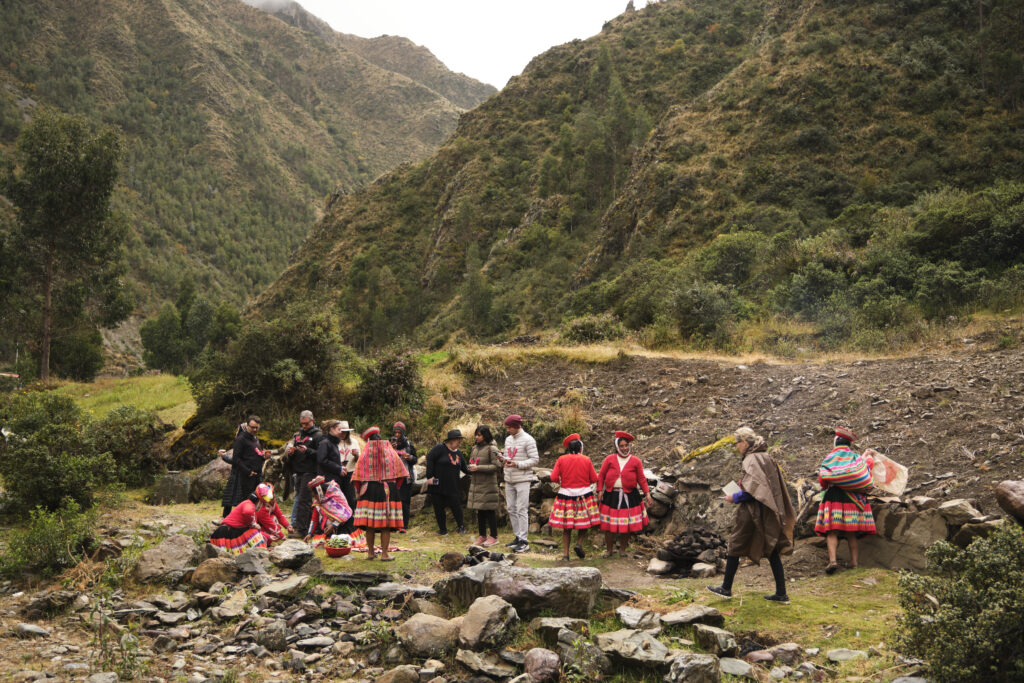
Along with her team and their partners, Ashley Lukasik designs immersive experiences around the world, including in Peru’s Sacred Valley. Her goal? To help leaders slow down and answer complex questions.
Many cohort members of the Reclaiming Value immersion in Peru’s Sacred Valley walked away with new ways of thinking about their design practice.
This is the web version of The Observatory, our (now weekly) dispatch from the editors and contributors at Design Observer. Want it in your inbox? Sign up here. While you’re at it, come say hi on YouTube, Reddit, or Bluesky — and don’t miss the latest gigs on our Job Board.
Observed
View all
Observed
Share on Social


By Rachel Paese
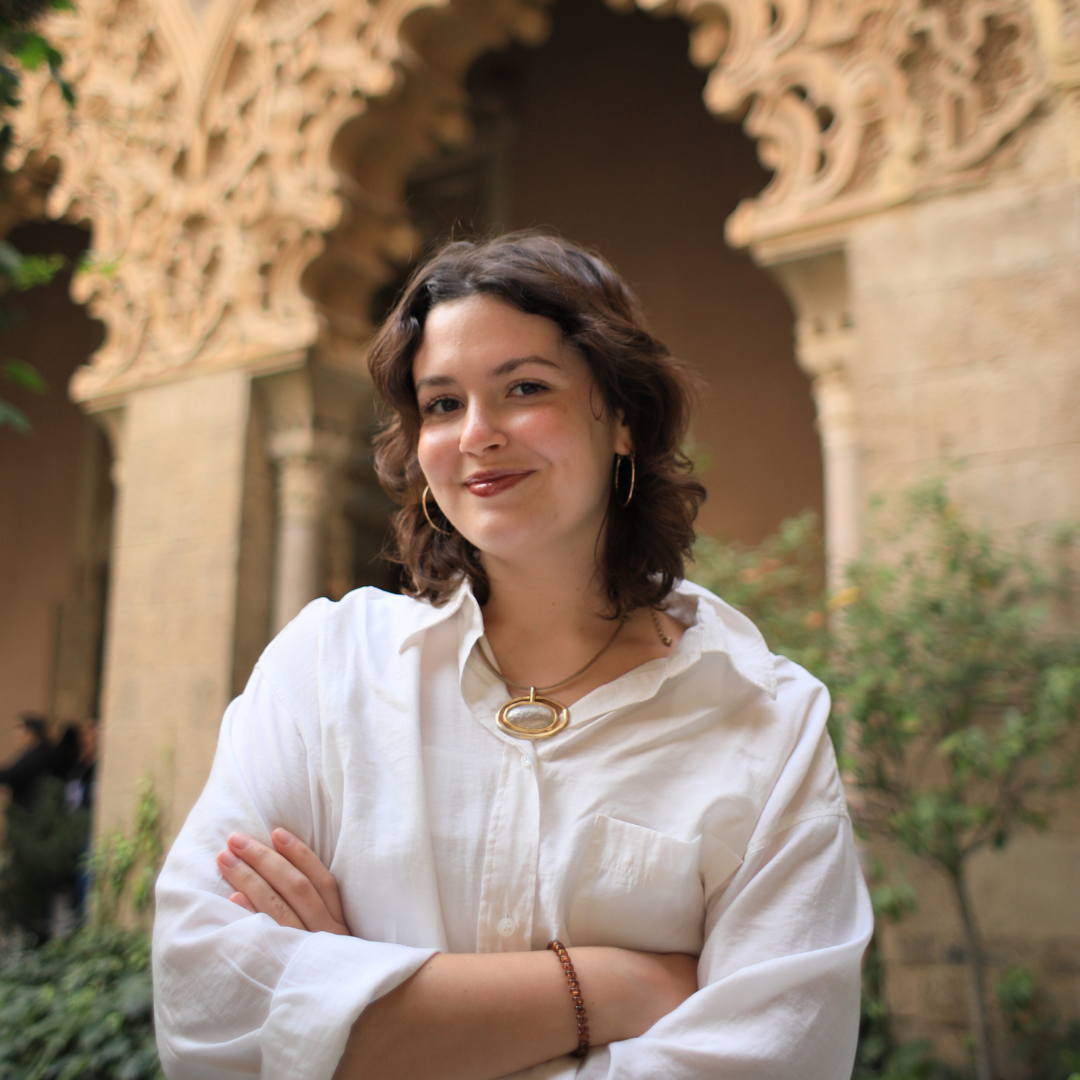 Rachel Paese is Design Observer’s Deputy Editor, and she loves giving curious people access to stories that change the way they see the world. It began with a major in English, and then evolved with a project that sharpened her editorial instincts the old-fashioned way: founding and leading her own multimedia magazine at the University of Kansas. After college, she carried that passion to education, helping students in Spain and Thailand think beyond their culture. Today, she brings that same spirit to Design Observer, working to connect readers with the people and ideas shaping a better future. Connect with her on LinkedIn, and ask her about her quest to sew her own wardrobe.
Related Posts
The Observatory Newsletter
Ellen McGirt
Who gets to decide where power begins and ends?
The Observatory Newsletter
Rachel Paese
You need an observation practice
Draw the Line
Audio
BONUS: Live from Essence Fest – The Work Gets Personal
Draw the Line
Audio
BONUS: Live from Essence Fest – The Accounting
Subscribe to The Observatory
Related Posts
The Observatory Newsletter
Ellen McGirt
Who gets to decide where power begins and ends?
The Observatory Newsletter
Rachel Paese
You need an observation practice
Draw the Line
Audio
BONUS: Live from Essence Fest – The Work Gets Personal
Draw the Line
Audio