


Rachel Paese|Design Juice, Interviews
May 5, 2026
Elixir Design founder Jennifer Jerde believes in the human touch
Brands still need real people to lead with observation and connection in their effort to tell the visual story, she says
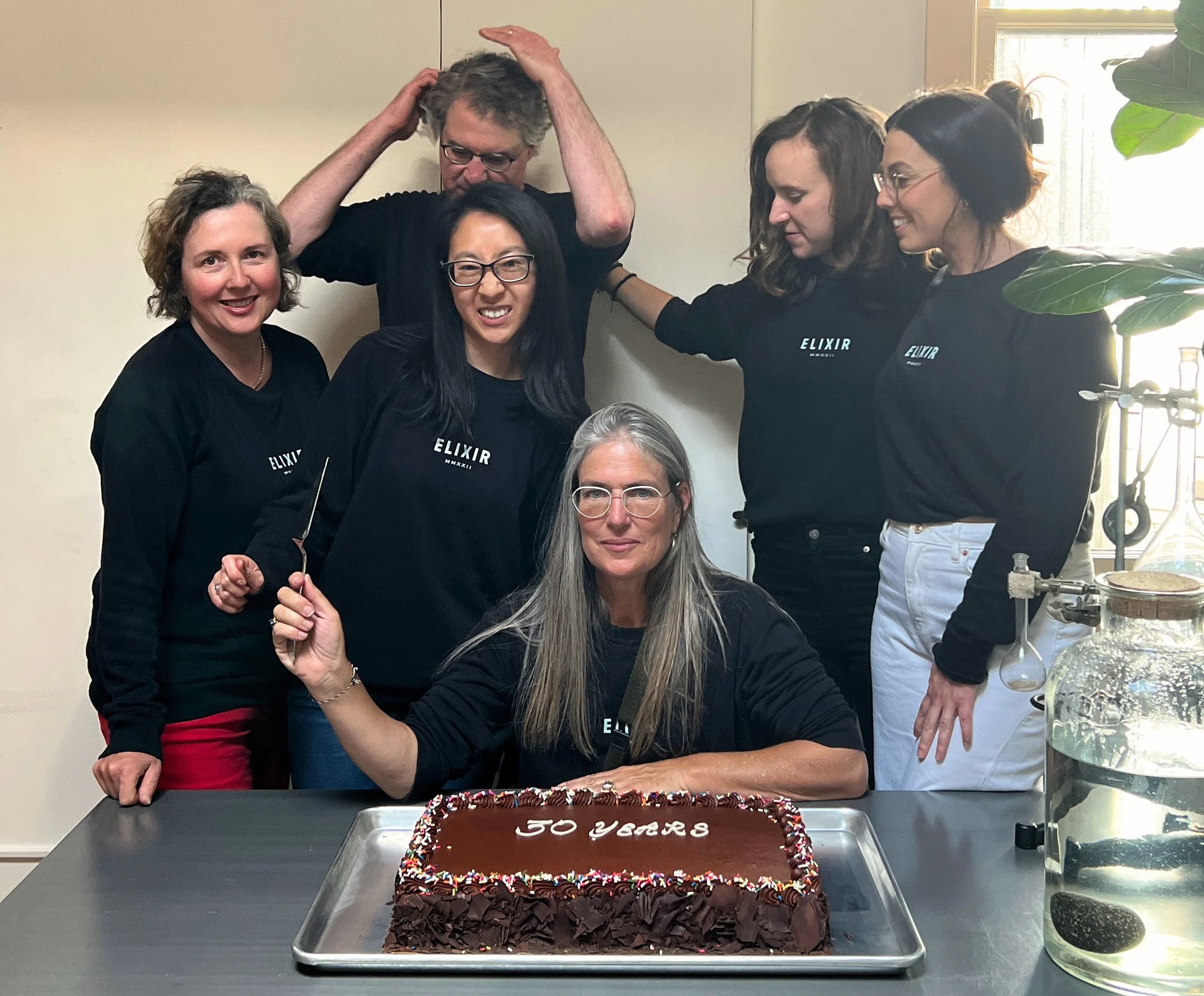
Design Observer was invited to visit the Elixir Design studio in San Francisco, to learn more about their 34-year quest to create brand experiences that reflect their client’s best and truest qualities.
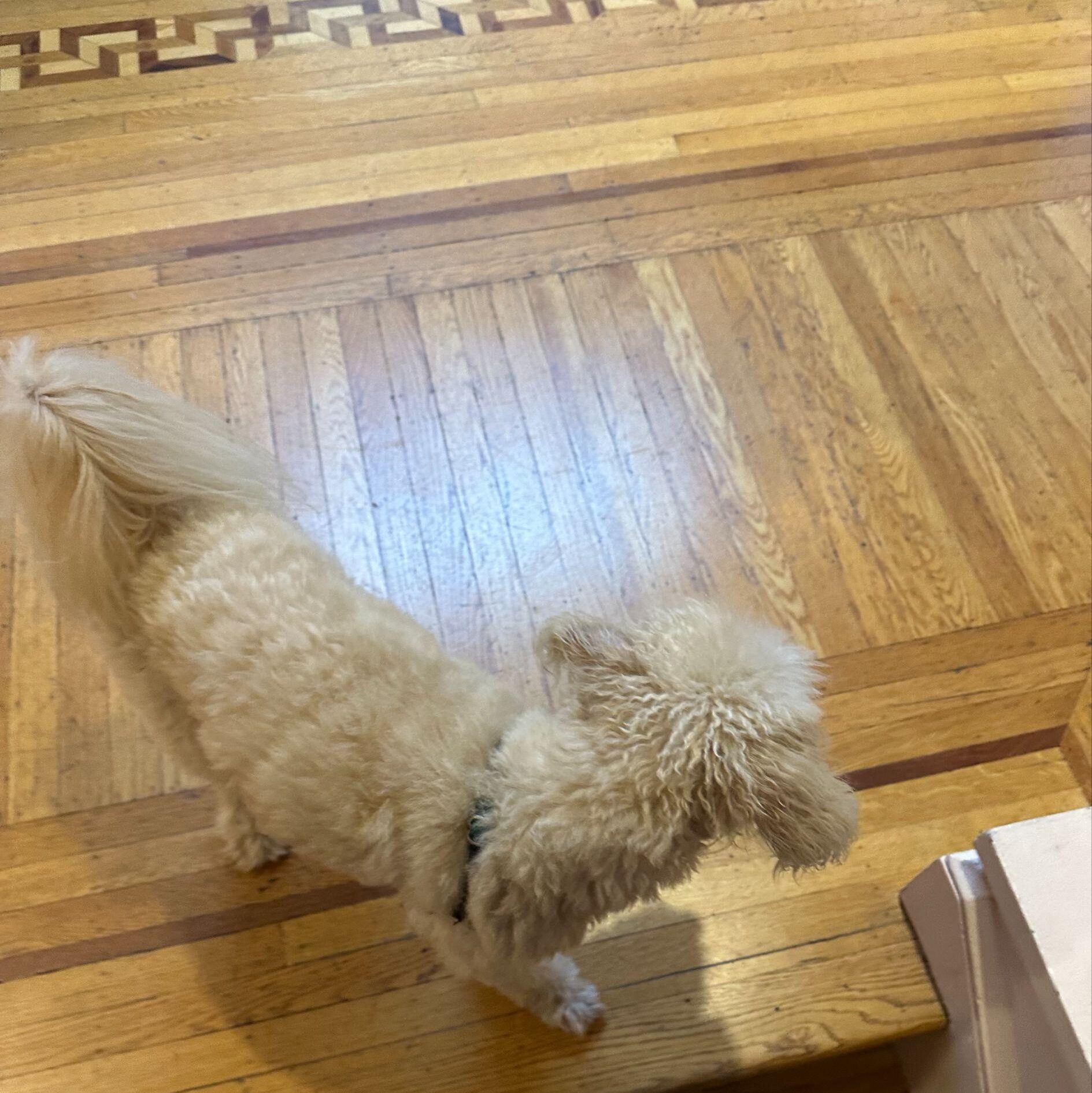
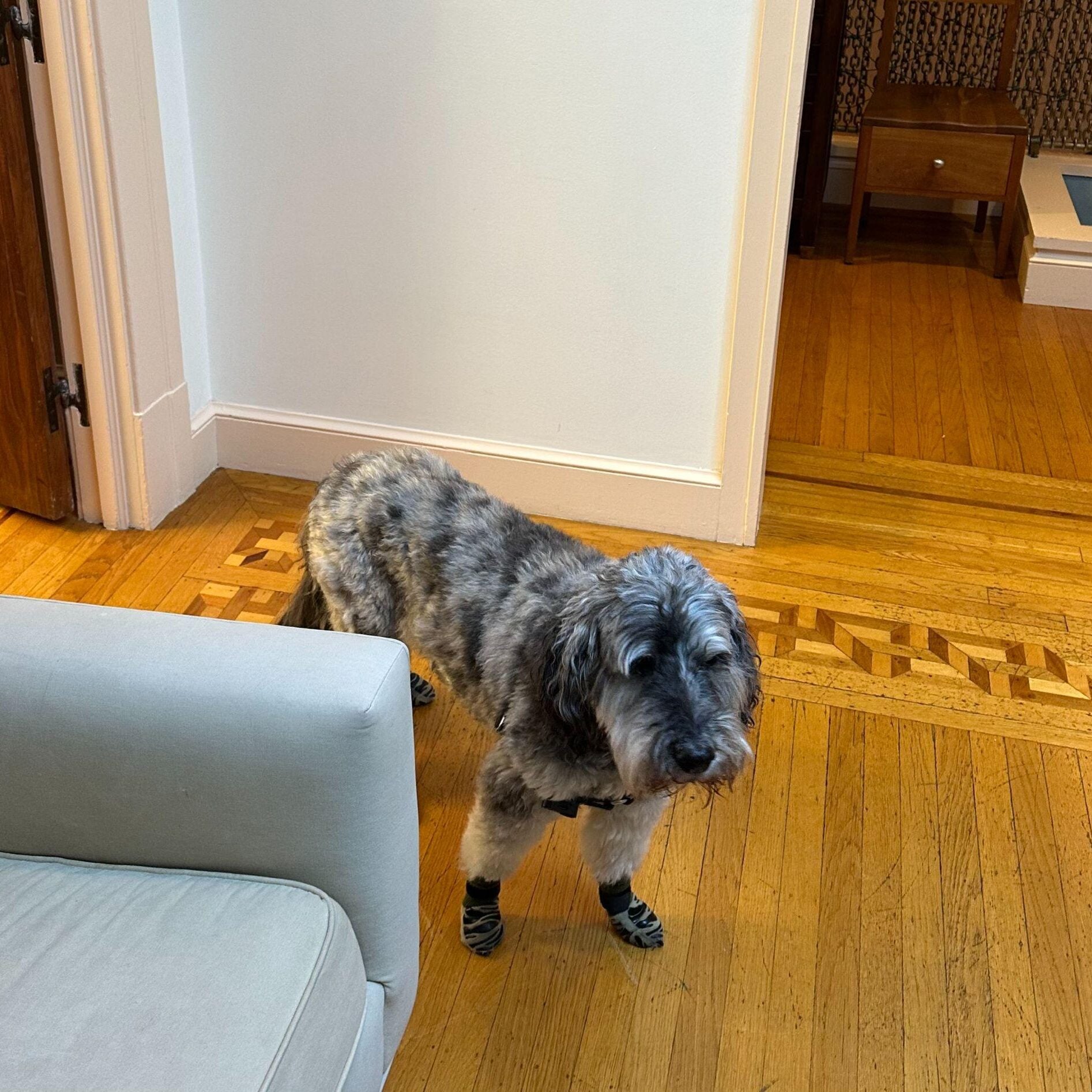
We were immediately set upon by two adorable curly dogs. This is a clue.
Elixir is a branding agency, best known for the diversity in the types of companies they work with — from San Francisco community staples like SF Jazz, Tipping Point Community, SF MoMA, and UCSF to commercial brands like Athleta, Coca-Cola, and Target. Since their founding in 1992, they’ve built a reputation for discovering the best parts of their clients.
Jennifer Jerde, Elixir’s founder and creative director, believes a diverse and focused team is Elixir’s great strength. “For brands that really want to be understood in a deep way, it takes other humans to make a thoughtful effort,” she says. “When you hire us, you get the team.”
True to form, what began as a one-on-one interview with Jerde turned a lively insight session, as she invited several team members to weigh in on a branding project for UCSF’s Gladstone Now project, a campaign to raise money to fund the development of tools to treat diseases like Alzheimer’s, heart disease, and HIV.
“I think all the scientists we talked to were so into their work. You could feel their passion,” says Beth Wong, lead designer and member of the Elixir team. This is an insight born of months of interviews that eventually informed a visual story.
Their quest for understanding these scientists’ passion granted them a deep appreciation for the project, and even brought them to tears. “We were listening to these [scientists] talk and, you know, I often cry. I’m a tears of joy kind of person” says Jerde. “But even he was crying,” she says, gesturing to lead designer and art director, Nathan Durant.
According to Jerde, this is the key to making a campaign come to life — first connection, and then telling the story. ”We have to convey that to the world — the truth.”
With the two dogs, Roger and Bubba, lounging under a long wooden table, Jerde talked about branding, design, AI, the search for truth, and the power of an observation practice.
The interview has been edited and condensed for length and clarity.
How do you decide what to highlight about a brand?
Whatever’s really the truth. You have to be totally honest. And normally, when clients come to people like us, they’re only presenting the rosy picture. But there have to be barriers.
What does it look like to tell the truth through design?
I’m gonna pull up some work. This is for Grounded Capital, a private equity firm that’s working in regenerative food and agriculture. They work with wonderful food brands.
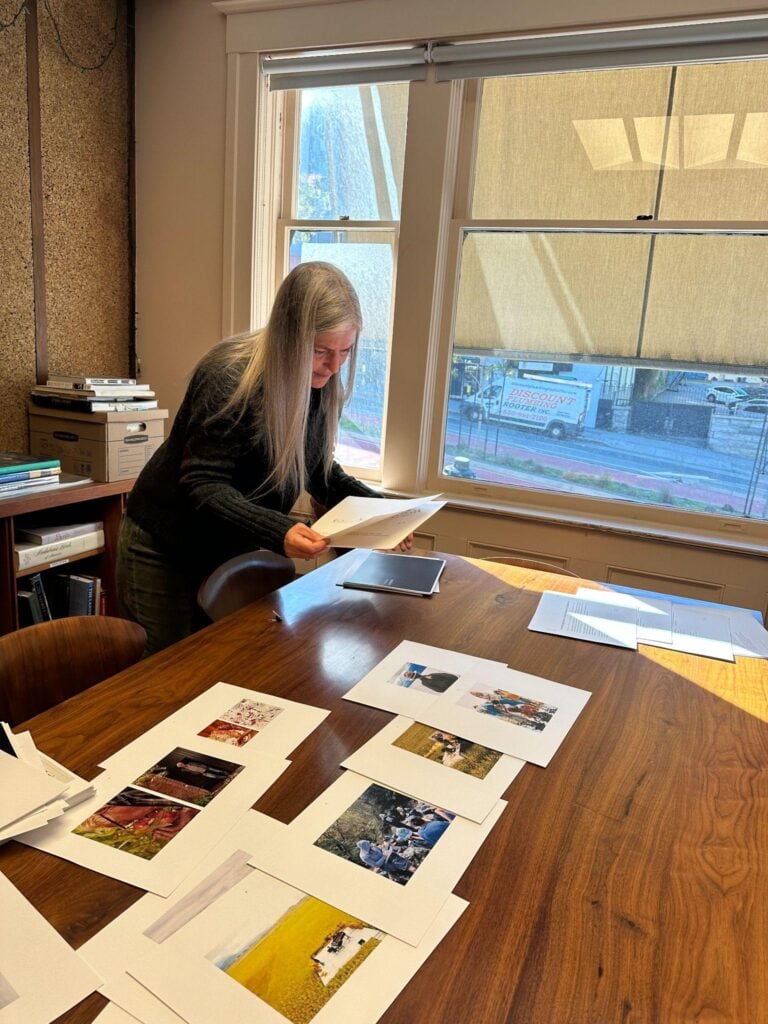
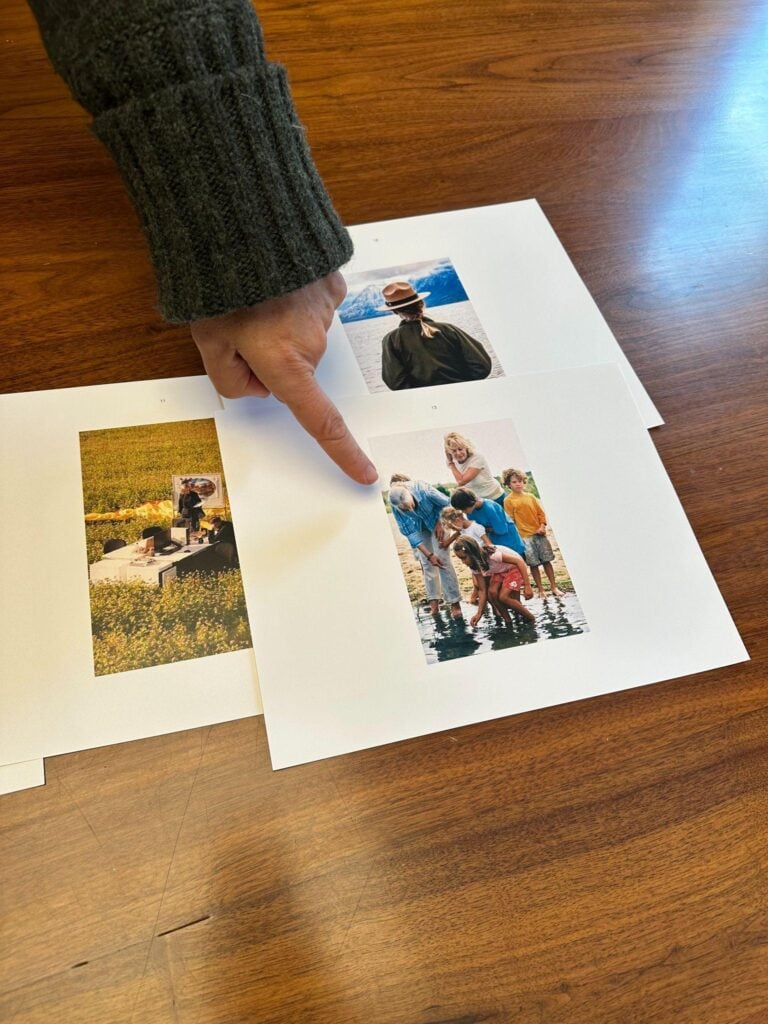
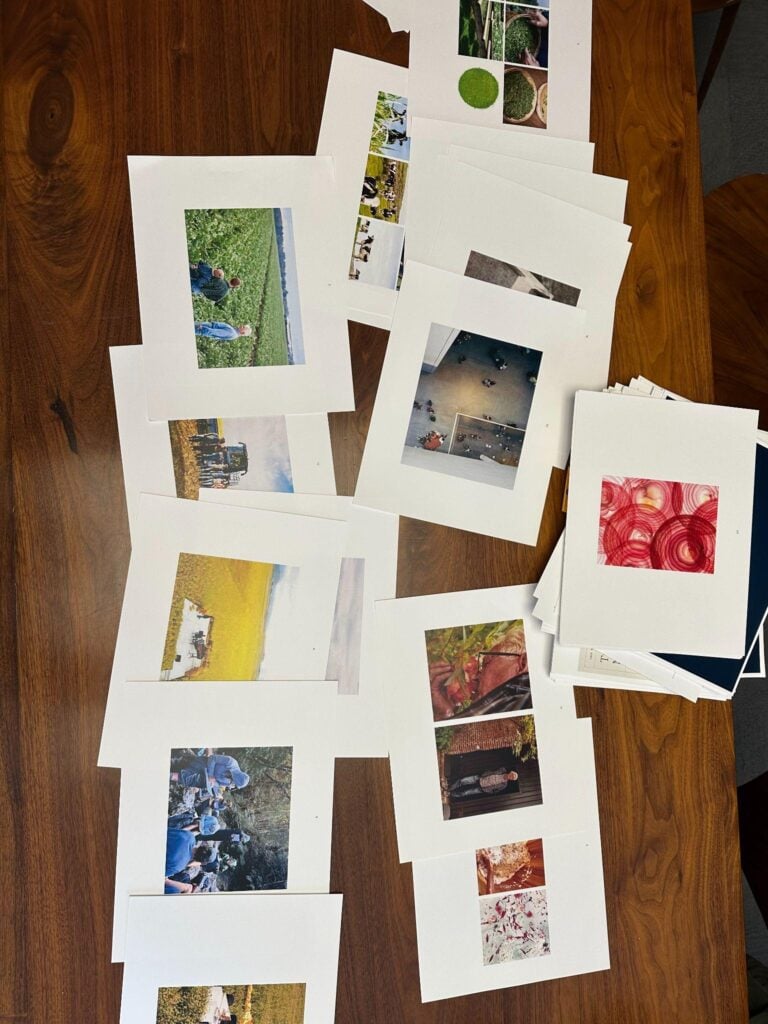
When you think of private equity, what comes to mind? It seems to be about trying to make as much money as possible, right?
But they’re not doing that. This is a piece that we did. This will just be a quick story of what they’re about:
You believe it because it’s true.
We’re in a world right now where everything kind of looks the same. You can go to Canva, you can get Squarespace templates, and you basically just change out the messaging. And it looks pretty handsome.
It’s a design of an ad. It’s a design of a website. It’s where the design is a noun. It looks pretty nice, but to make stuff that’s actually true, it looks like listening to a lot of different people.
What was a moment in the early days of your firm where you felt you had done something really successful?
That’s a fun question to answer. Early on, we were invited to participate in a catalog design competition for one of the Williams Sonoma companies. And we won it.
At the time, pre-internet, every decision that was made in a catalog would translate to sales. So, here you are with a client, making decisions and then watching numbers come back. So it was cool to actually receive feedback about what worked and what didn’t.
It changed everything because I realized, Oh, wait a minute, every decision we make can have a different effect in the world. We love beautiful design with lots of care, but when you realize that really tangible, concrete things can happen if you do it right, that’s very motivating.
When did you know design was for you?
My father was an architect and my mother was a painter. There was basically art everywhere. So I don’t think there was ever a moment where I decided I would be a designer. It’s just in the family.
After college, I came back to California and went to California College of the Arts. I got a job working as an intern at $6 an hour for a very good designer here in [San Francisco]. We did a brochure for Levi’s where we had to hire a dog. The dog was the most beautiful thing. Like, I started to cry tears of joy. The woman said, “If you want to keep one of her puppies, he really isn’t cut out for this kind of work.” So I got a puppy, and I quit my job the next day. Then I started doing graphic design for anybody I could possibly work for. I just did scrappy things. So, yeah, so that’s how it really started. But it was that dog. It created that change.
What led to launch Elixir Design?
There was a point in school when a wonderful teacher named Lucille Tenazas asked us, “Who imagines owning their own firm?” And all these hands shot up, and she, rightly, said, “Where are the women?” None of us had put our hands up. Something about her asking that question stayed with me.
So even though the dog story’s true, it was definitely Lucille’s question in the back of my mind. Like, yeah, why not? I could do that.
What advice do you have for up-and-coming designers?
When designers are starting out, they often focus on advancement — on becoming a senior designer, lead designer, art director or creative director. Even if you were a great designer in school, there’s absolutely nothing like learning from mistakes. When people hire an established company, they know they are hiring people who have learned from making many stupid and sometimes expensive mistakes. If you want to become truly great, you will become great faster if you say “I don’t know.” Ask people for input. Resist the temptation to act like you know it all.
How do you think that the roles and responsibilities of brands are changing?
Yesterday, I saw the CEO of farmgirlflowers.com sent a letter out, and it’s a really powerful letter, saying this is a time not be silent, and that their business relies on immigrants. It was just beautiful and very heartfelt. I ordered flowers immediately.
How is the rise of AI affecting branding?
I’m both deeply impressed by AI and scared of it.
But I feel like companies and brands get exactly what they deserve. They hang out there exactly who they are, in a way. So if you want to grab a template and jump over the steps, and the result is gonna work for the audience that you’re trying to reach? Great. That could really work for their particular audience. Why bother spending any money? Why bother doing anything if we’re gonna sell X no matter what we do? They don’t expect design to do anything for them. And it just works.
And then there are the players who are like, no, no, we really want to reach this audience. We want to show how genuinely great we are in whatever way we are genuinely great. That takes effort.
For brands that really want to be understood in a deep way, it takes other humans to make a thoughtful effort.
What role does observation play in your work? Do you have an observation practice?
We do have an observation practice. I would never refer to it that way. We listen like crazy. We’re observing what lives inside clients’ minds and hearts about things. And then we don’t just show them 3 directions, we show them 15. Then we observe what happens.
I’ll end by saying: we also observe what happens after we’re done, because in our world, when we’re done, it’s just starting.
Observed
View all
Observed
Share on Social


By Rachel Paese
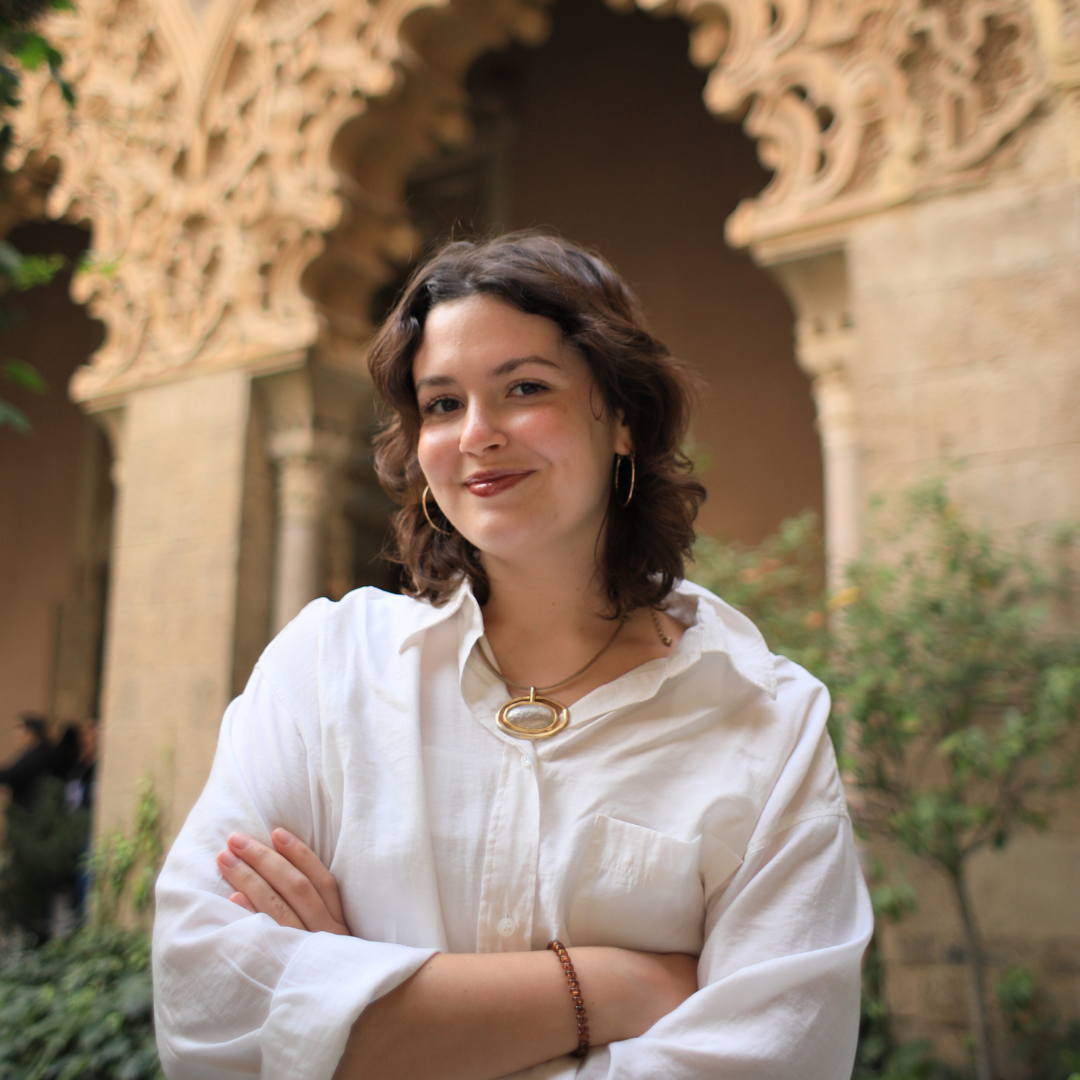 Rachel Paese is Design Observer’s Deputy Editor, and she loves giving curious people access to stories that change the way they see the world. It began with a major in English, and then evolved with a project that sharpened her editorial instincts the old-fashioned way: founding and leading her own multimedia magazine at the University of Kansas. After college, she carried that passion to education, helping students in Spain and Thailand think beyond their culture. Today, she brings that same spirit to Design Observer, working to connect readers with the people and ideas shaping a better future. Connect with her on LinkedIn, and ask her about her quest to sew her own wardrobe.
Related Posts
Design Juice
Rachel Paese|Design Juice
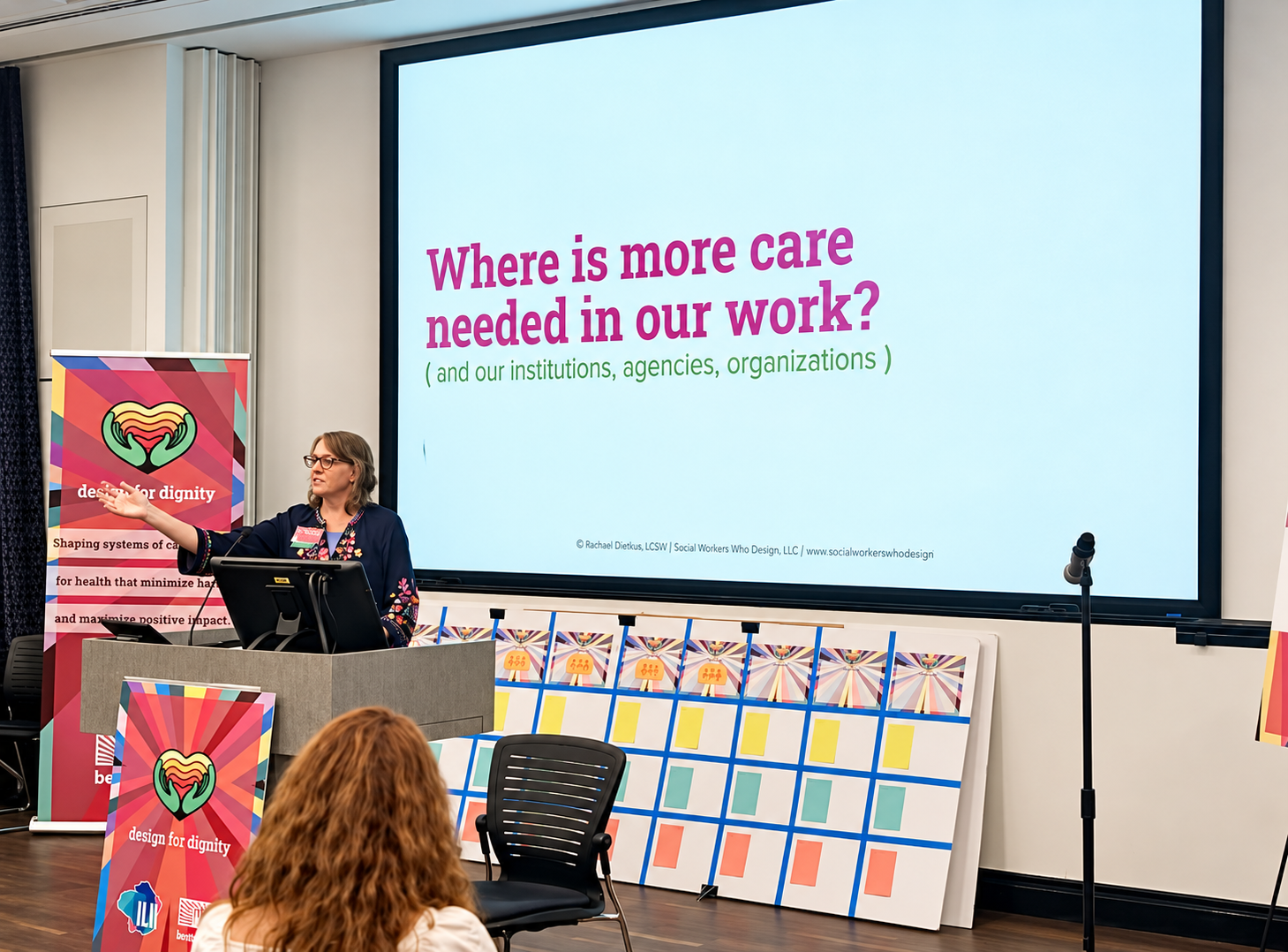
‘What if care were foundational to systems design?’ asks Rachael Dietkus
Arts + Culture
Alexis Haut|Interviews
The Kardashians will make you cringe, but first they’ll sell you shapewear
Design Juice
Rachel Paese|Design Juice
Sara Soskolne is a typeface designer who thinks of herself as a craftsperson
Design Juice
Rachel Paese|Design Juice
Ira Blossom created a games-only, print-only newspaper — and it’s sold at a newsstand in New York City
Subscribe to The Observatory
Related Posts
Design Juice
Rachel Paese|Design Juice
‘What if care were foundational to systems design?’ asks Rachael Dietkus
Arts + Culture
Alexis Haut|Interviews
The Kardashians will make you cringe, but first they’ll sell you shapewear
Design Juice
Rachel Paese|Design Juice
Sara Soskolne is a typeface designer who thinks of herself as a craftsperson
Design Juice
Rachel Paese|Design Juice