


Rachel Paese|Design Juice, Interviews
May 26, 2026
Nina Katz’s answer to growing anti-trans rhetoric: nine larger-than-life portraits of the people she wants you to meet
“If anybody knew trans people, of course they’d love them,” says the painter and mother of a trans child.
Larger Than Life: Portraits of Transgender People is an exhibition including nine (true to its name) larger-than-life 65×45 inch canvases with bright-colored portraits of trans people. “I didn’t know whether they were going be shown or what impact they were going to have. I just knew I needed to paint them,” says artist Nina Katz. And painting was the best way to humanize them. “It was the only way I knew how to present them as the cool people they are,” she says.
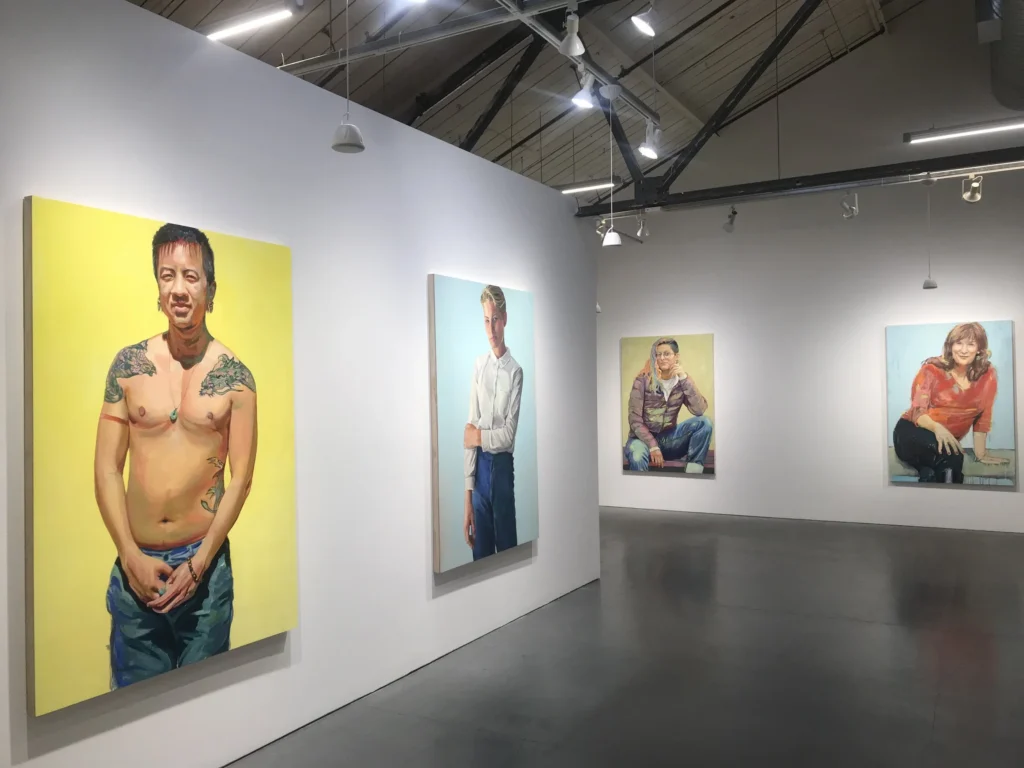
For Katz, the series was an emotional reaction. During the first Trump administration, her trans child was only a young teenager. For the first time, dehumanizing threats were coming directly from the White House. “Today, it is so much worse,” Katz says.
The show first opened in 2020 as COVID-19 was becoming an emerging threat. It was open for just two weeks.
The show remains more relevant than ever. The second Trump administration has introduced anti-trans rhetoric and legislation, starting — on day one in office — with an executive order that defines sex in binary terms and prohibits funding or promotion of “gender ideology.” Not long after came an executive order limiting gender affirming care and a 6-3 Supreme Court decision allowing the Trump administration to enforce a policy requiring passports to reflect sex assigned at birth. More recently, a law in Kansas revoked the driver licenses of hundreds of trans people.
If it were to be put in front of a bigger audience, Katz’s dream would be “showing them at a place where nobody has met a trans person before.” She’s not sure that paintings can change minds and hearts, but says, “all my hope would be is that at least they would be open to listening.”
Her fascination with portraits was born long before this project. Just 10 years before, Katz spent the full year of 2009 sketching obituaries from The New York Times, later turning them into paintings. Celebrating their lives, she experimented with capturing human essence from a photo.
By the time she was working on Larger Than Life: Portraits of Transgender People, she had sharpened her ability to bring viewers closer to the humanity of her portrait subjects, inviting them to spend time observing alongside her.
Now, six years after the COVID-curbed exhibition closed, all nine portraits are being shown at the 2026 SF Pride Annual VIP Party, which is being held at the Asian Art Museum in San Francisco on Sunday, June 28th.
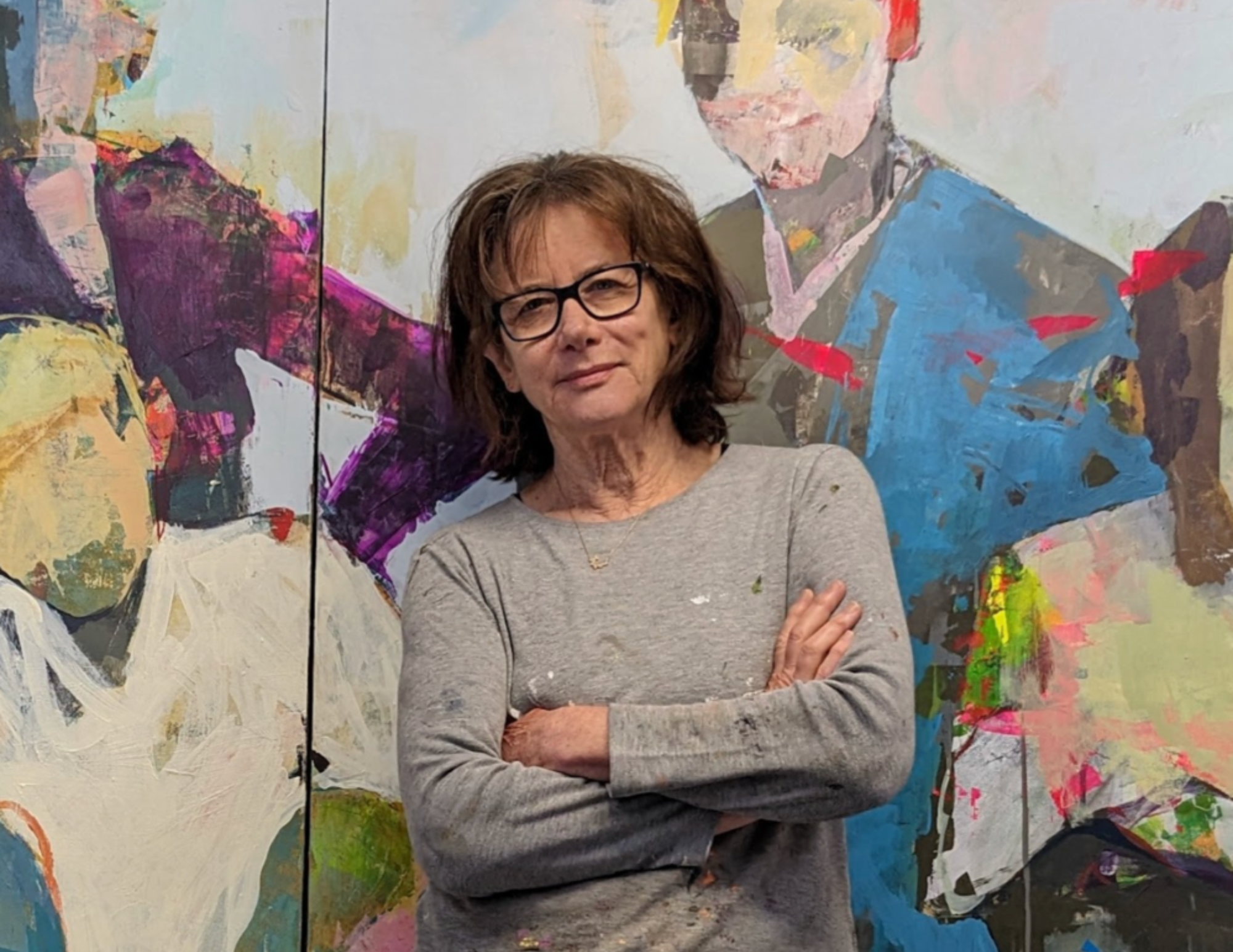
Design Observer caught up with Katz in her studio, and talked about portraits, process, and politics. She shared the thought that anchors her: “If anybody knew trans people, of course they’d love them.”
The interview has been edited and condensed for length and clarity.
What was the inspiration behind your portrait series, Larger Than Life: Portraits of Transgender People?
My daughter’s trans. In about 2018, I remember there were memos going out from the administration that were basically saying, “these people shouldn’t exist.” Today, it is so much worse.
My kid was 16 at the time, and I just thought, Well, what can I do? If anybody knew trans people, of course they’d love them.
What was your process like with the subjects of the portraits?
I interviewed them myself. I went with my camera, I talked to them, and I photographed them. As I was talking to them and looking at them, I was noticing things about them. When you put people on the spot, they become very self conscious, so I just paid attention to how they ease into themselves after a while.
I wanted to capture them at a moment when they were feeling more at ease and more themselves.
There was only one person that I had to photograph again, and she even said to me, “I was not myself. I had all these things going on my head.” And I said, “Yeah, I’m not feeling it from these photographs. Let’s do it again.”
Out of all of the interviews/photography sessions that I’ve had in this series, it was the last photograph I took after many that became the one.
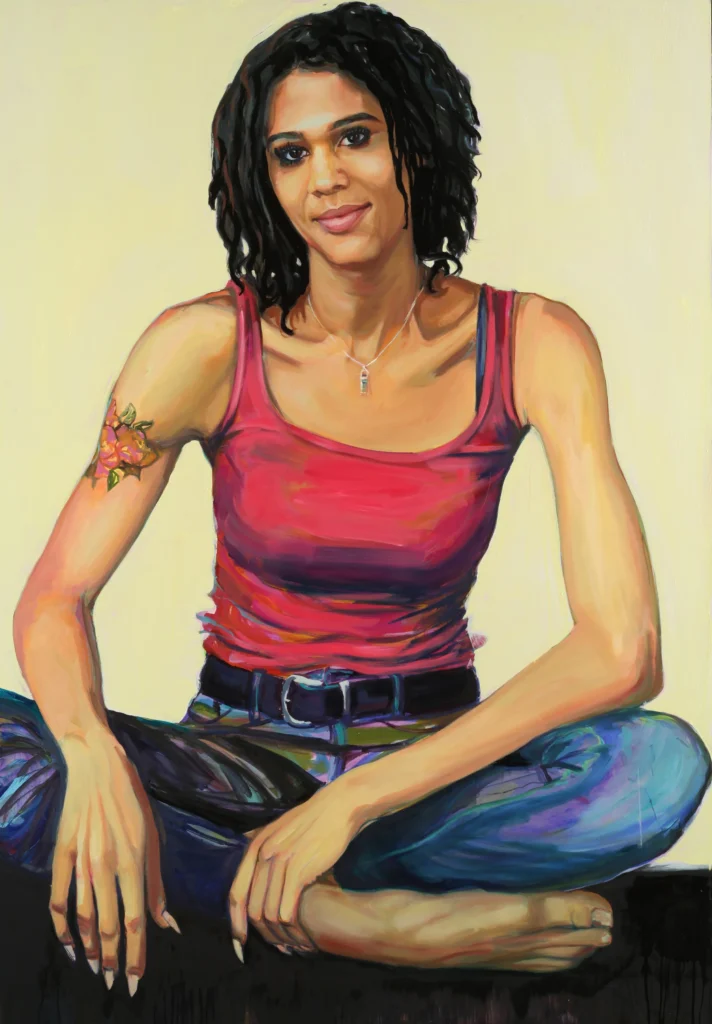
65×45 inches
Oil on Wood Panel
How did you decide on the canvas size?
I knew they needed to be big. And I knew I needed to be get as much of them in there as possible. It was all part of people seeing who they were in a way that was impactful. Figurative portraits hold so much more weight when you can see a large one, and I wanted their faces and their gestures to be seen clearly. So, they’re 65×45 inches.
Was there anything that changed as you planned the show?
I originally recorded interviews only to deepen my understanding of who they were, but after securing the venue at the Jack Fischer Gallery, I realized that including the audio could add a much more powerful dimension to the experience. For the show, we set up the speakers in front of every painting.
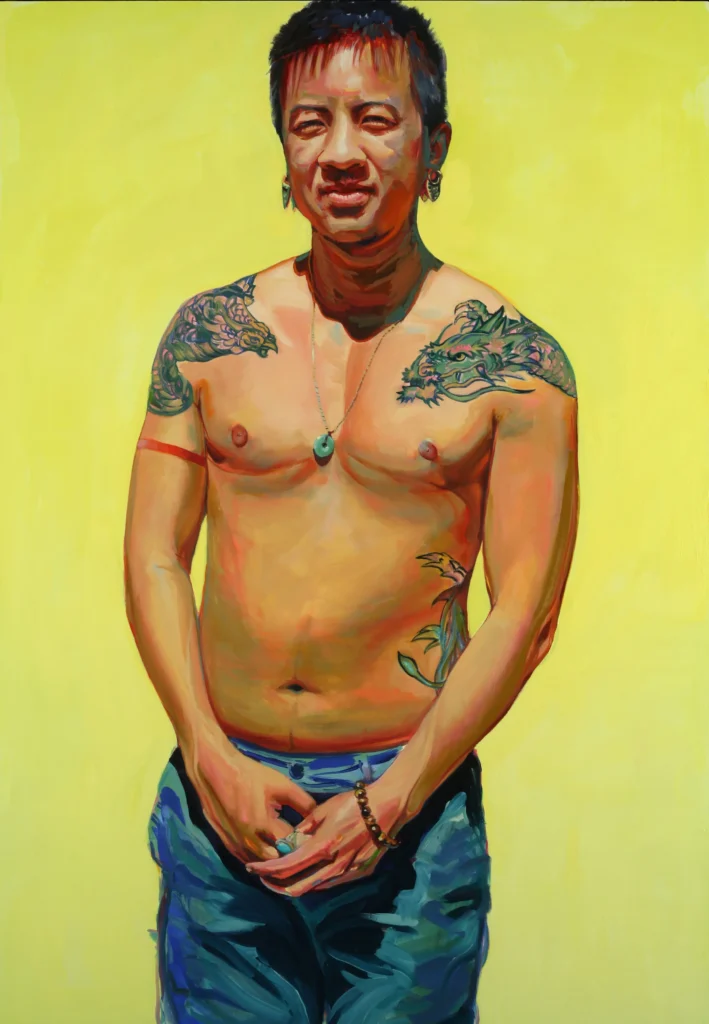
65×45 inches
Oil on Wood Panel
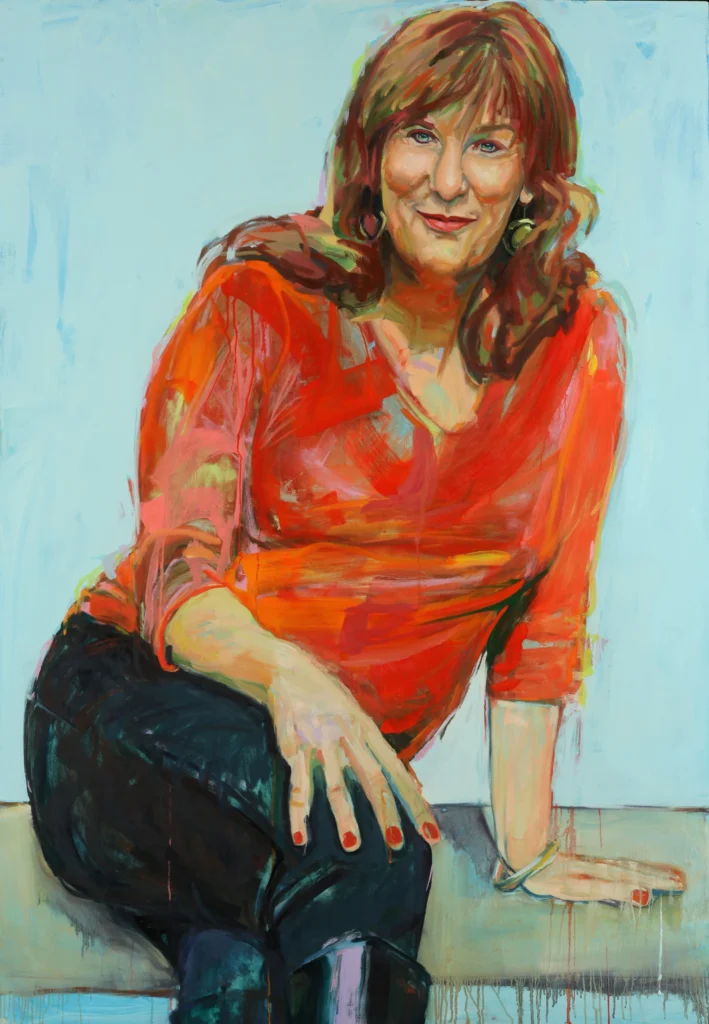
65×45 inches
Oil on Wood Panel
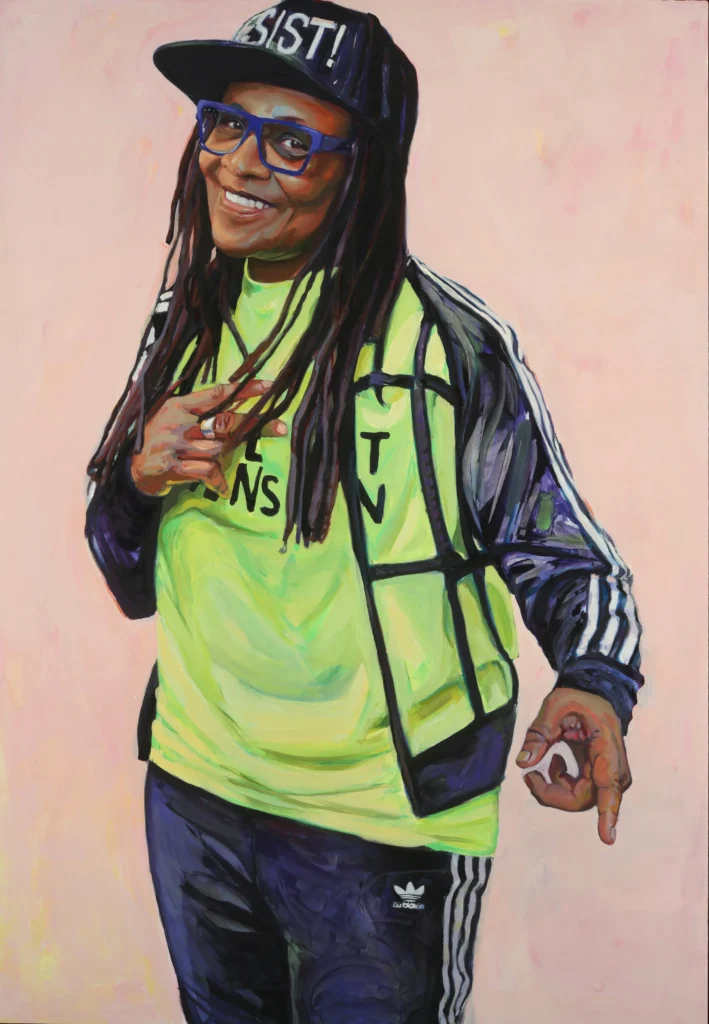
65×45 inches
Oil on Wood Panel
If these paintings ever showed again and reached a larger audience, what would you hope people take away?
If anything, what art does is raises questions for people to probe further.
I had no illusions that I was going to change people who were staunchly biased. But when we had the opening, we also had a panel, and three of the the people that I painted were there to answer questions. The audience was frozen, because they talked about how hard it was for them in life.
I would want people to understand that these are just people who just want to live their lives, and they happen to be born in the wrong body or just need to express themselves more accurately, and that’s something to admire and to love.
As a mother, I just want them to feel safe. I want them to live their lives as they want to live it, and not in hiding, and not in fear, and not feeling as if there’s something wrong with them.
Would you consider your paintings political?
I’ve never considered myself a political painter. I don’t consider these political paintings. They’re personal to me, my world, and my family’s world.
It was the only way I knew how to present them as the cool people they are. You know, with any art, it’s up to the viewer to make the choice about what they see and how they feel about it. My job is just to put it out there.
How did you become an artist?
My twin sister and I grew up very young doing art, and if you know anything about twins, you know, they’re together together together, and at some point they kind of split apart. People tend to pigeonhole you — twins have to fit neatly into buckets, which is really stupid.
My sister decided that she was going go to art school, and so I said, Well, I can’t do that. I didn’t know that I was an artist. So she went off to art school and I went to nursing school.
And it wasn’t until 18 years later when I said, I feel like I need art back in my life. So I I went back to San Francisco, and started taking classes at the San Francisco Art Institute.
I had to get this comparison out of my head, so I focused on process. On me. I didn’t worry about the end result. In the moment, I just cared about immersing myself in the paint and getting joy out of just making.
How would you tell a young person to develop a connosseuirship for art?
You know, art is for everybody, and some people are afraid to go there because they think, I don’t know anything about it, or I’m not artistic, and they just don’t have the exposure. I mean, you just have to go out there and look at it in real life, as opposed to on your phone or your computer. It’s a much different emotional experience to get up close to any kind of art.
Do you have your own observation practice when you go to an art museum?
There is that saying: pay attention to what you pay attention to. I just allow myself to just slow down and stare at something for a while. Sometimes if you stare at something long enough, you’ll find something there that interests you or raises some questions for you.
What would your advice be for someone that wants to cultivate a creative practice?
Just do it. Pretend you’re a kid again. Make a mess.
Observed
View all
Observed
Share on Social


By Rachel Paese
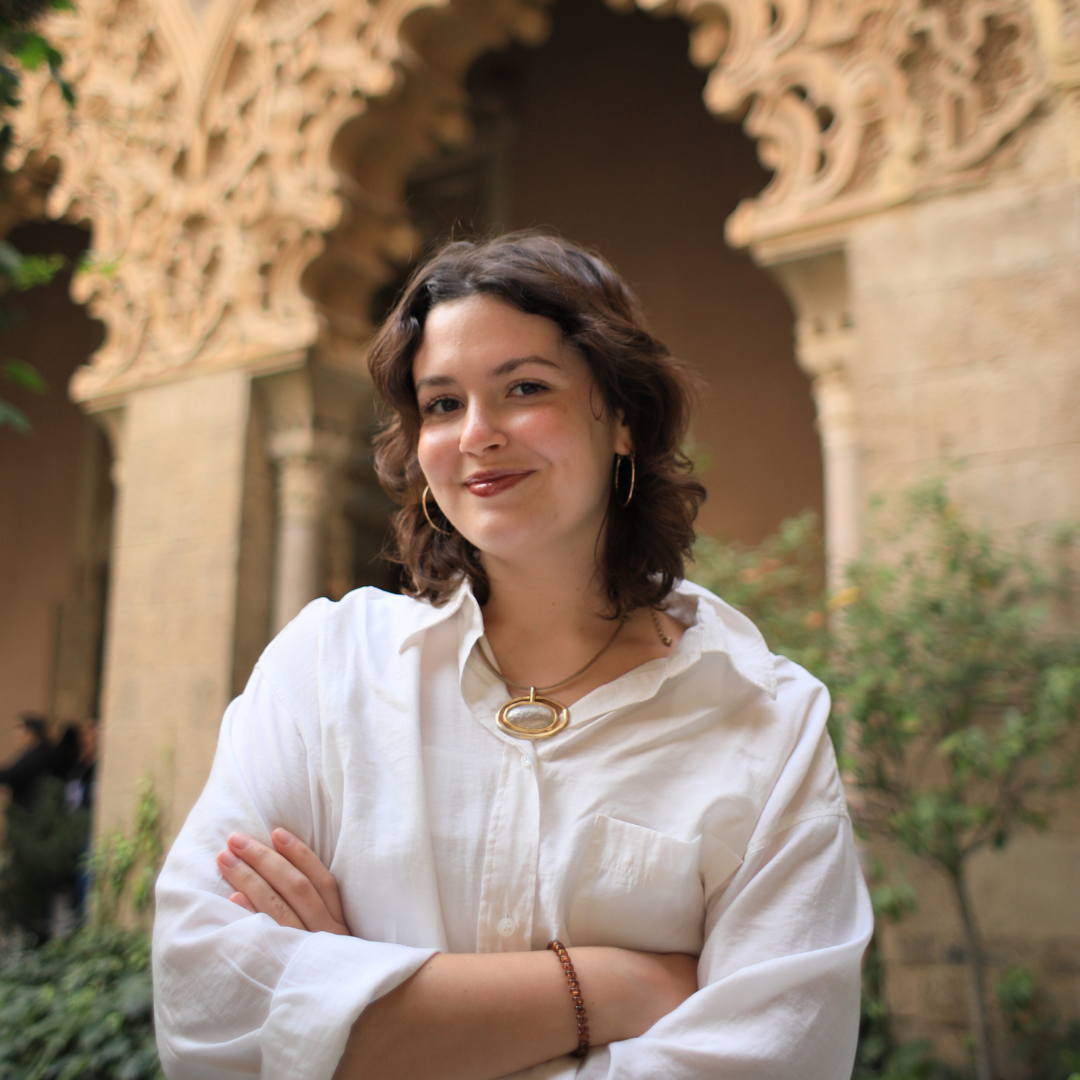 Rachel Paese is Design Observer’s Deputy Editor, and she loves giving curious people access to stories that change the way they see the world. It began with a major in English, and then evolved with a project that sharpened her editorial instincts the old-fashioned way: founding and leading her own multimedia magazine at the University of Kansas. After college, she carried that passion to education, helping students in Spain and Thailand think beyond their culture. Today, she brings that same spirit to Design Observer, working to connect readers with the people and ideas shaping a better future. Connect with her on LinkedIn, and ask her about her quest to sew her own wardrobe.
Related Posts
Design Juice
Rachel Paese|Design Juice
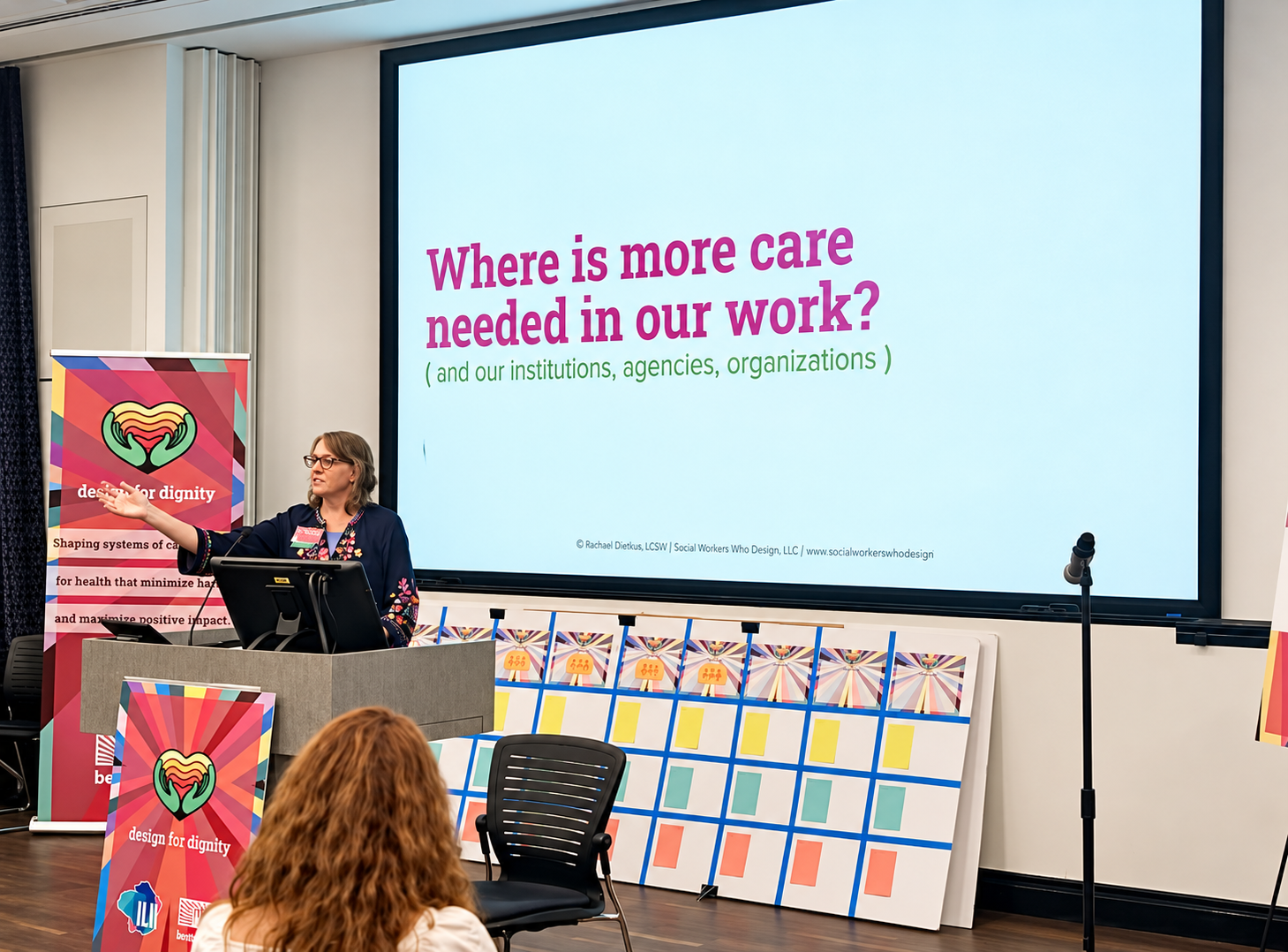
‘What if care were foundational to systems design?’ asks Rachael Dietkus
Arts + Culture
Alexis Haut|Interviews
The Kardashians will make you cringe, but first they’ll sell you shapewear
Design Juice
Rachel Paese|Design Juice
Sara Soskolne is a typeface designer who thinks of herself as a craftsperson
Design Juice
Rachel Paese|Design Juice
Ira Blossom created a games-only, print-only newspaper — and it’s sold at a newsstand in New York City
Subscribe to The Observatory
Related Posts
Design Juice
Rachel Paese|Design Juice
‘What if care were foundational to systems design?’ asks Rachael Dietkus
Arts + Culture
Alexis Haut|Interviews
The Kardashians will make you cringe, but first they’ll sell you shapewear
Design Juice
Rachel Paese|Design Juice
Sara Soskolne is a typeface designer who thinks of herself as a craftsperson
Design Juice
Rachel Paese|Design Juice