


Rachel Paese|Design Juice, Interviews
July 9, 2026
Tricia Robson on how The Met’s Audience Engagement teams collaborate to engage 6.3 million visitors
And why the goal isn't a "right" way to see art, but an invitation to connect with themselves and each other
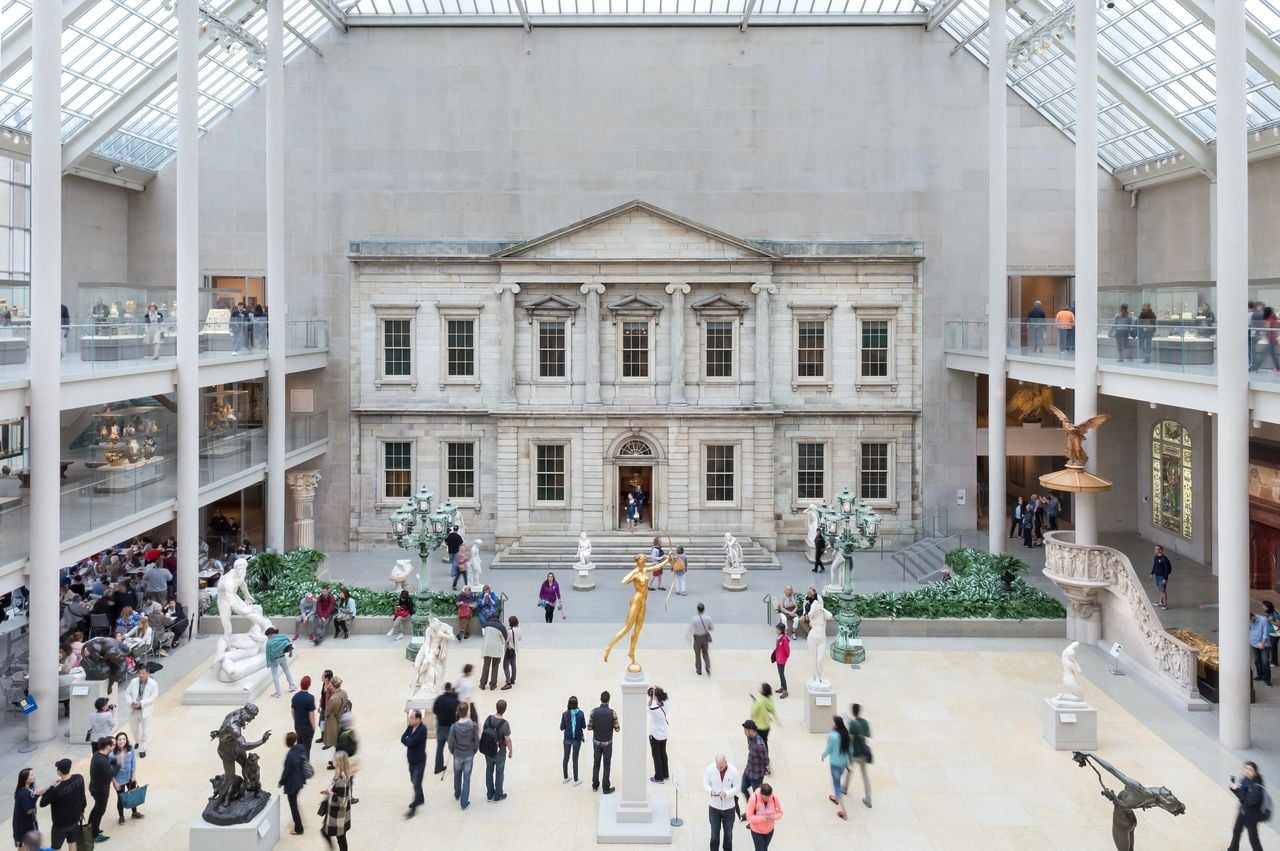
In 2025, the Metropolitan Museum of Art in New York City welcomed 6.3 million visitors, and certain events brought in roughly 20,000 visitors in a single day — and that’s only the people who were physically there. Across web, social, and email, The Met reached over 45 million people last year.
Welcoming this massive audience falls to a dedicated audience engagement team, who understands that not all of their 6.3 million visitors walk in feeling confident that they “know art.” There need to be invitations in every part of the experience, especially for those that don’t feel like a museum is meant for them — from the social media post, to the pamphlet at the door, to the context on the wall label.
The secret is teamwork, and Tricia Robson provides the framework to make that happen.
As the senior project manager for Audience Engagement, she guides cross-team operations and collaborative workflows for the seven teams who make sure every aspect of the visitor experience is thoughtfully considered: Digital, Education, Marketing & Digital Content, Publications & Editorial, Imaging, Libraries, Live Arts, and more.
Robson is the audience generalist, a role she was unintentionally trained for through a series of non-linear career steps. She ensures each team is not only “leading their decision-making with an audience in mind,” as she puts it, but also collaborating to design an experience where everyone feels genuinely invited. “My function is to make sure we’re connecting the dots across groups, always with an eye on, ultimately, what is best for audiences, how to engage our existing audiences, and how to reach new audiences.”
At a 156-year-old institution with 1.5 million works in their collection, giving audiences what they need to engage is not always an easy feat. But Robson says that building cross-team collaboration into existing workflow brings innovation “that helps the content sing.”
Through collaboration between Audience Engagement teams, more opportunities arise when a visitor “can connect with the art on view beyond the wall labels,” Robson says. Instead, maybe they attend a Live Arts performance, learn online, experience a moment of community at Date Night at The Met, or attend a talk.
Ultimately, her goal, while not easily achieved, is simple: “to get people connected with and inspired by art and humanity, and to connect with themselves and each other.”
The interview has been edited and condensed for length and clarity.
What does the exhibition planning process look like for the Audience Engagement team?
It takes years to plan a major exhibition, from exhibition design, to developing the catalog, to writing the labels, to making sure it’s on web, to getting all of the loans and shipping in order. And longer from the curatorial standpoint.
As we’re hitting the marks we have to hit for an exhibition to open, we build in opportunities for early strategy and alignment. This means making sure our Digital team is talking to our Live Arts department, or that our Social Media team is aware of what’s happening.
We want look at each exhibition separately and understand what is really needed to make this interesting for an audience. What’s something special we could offer? What opportunities are there for departments to engage with each other to produce something that might help the content sing in a different way?
Is there a particularly inspiring project that resulted from the collaboration of multiple Audience Engagement teams?
Exhibition space is so valuable, and by putting teams together — including teams in
Audience Engagement with colleagues in Curatorial, Exhibition Planning, and Design — and having conversations about how best to engage audiences, they have developed reflection spaces for certain shows that have had huge impact.
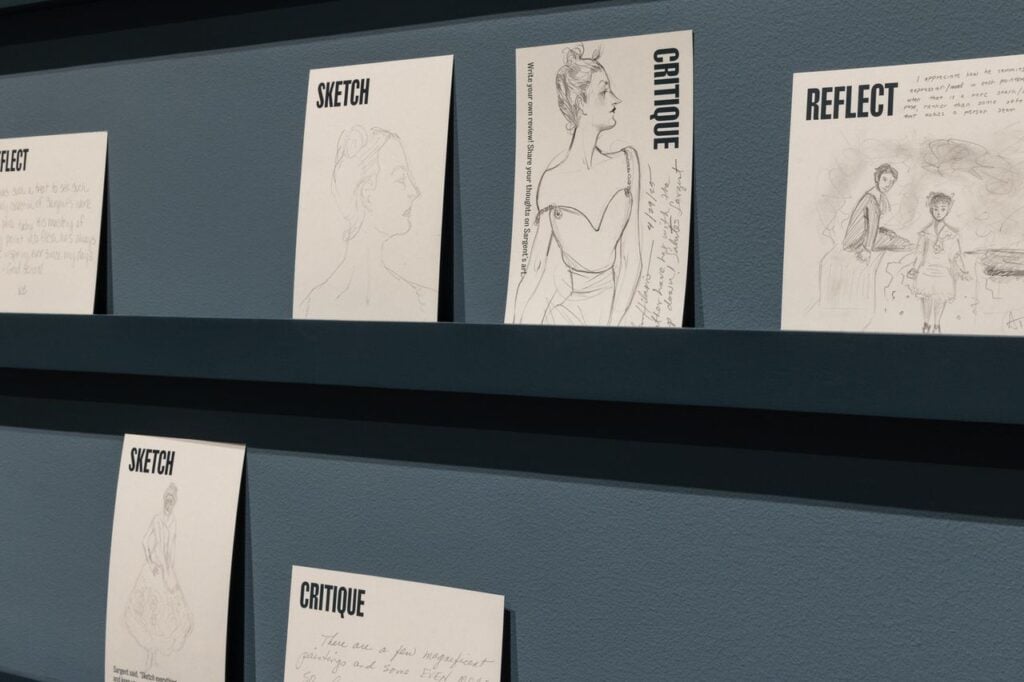
We had a recent John Singer Sargent exhibition, Sargent and Paris, where they created a massive reflection space and multiple note card prompts for people. There were tables set up for visitors to do the writing, and then they could put it up on a wall.
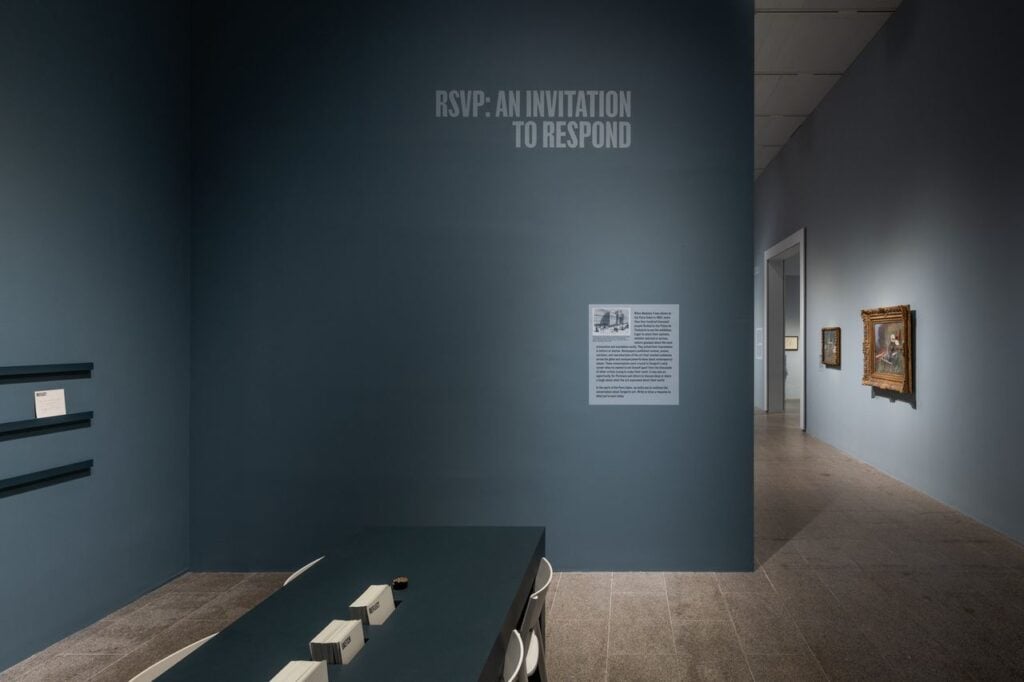
One of the prompts was to draw. So many people drew these beautiful, elaborate sketches of Madame X, and it just became a real social touchpoint in the show. It became a living, breathing, part of the exhibition.
In the Fictions of Emancipation: Carpeaux Recast exhibition a couple of years ago, there was a similar opportunity for folks to reflect on very deep topics of race and identity.
Even if you don’t use the space, it signals a pause for reflection, which I think is helpful.
Because the teams banded together to realize this vision, they were able to pull off something really impactful for audiences.
Is there a “right” museum experience?
I would be really hesitant to say there’s a “right” experience. The right experience is what is interesting and exciting for people. I’m a big fan of encouraging people to come to the museum for an hour, hour and a half. You can find yourself further off in the museum at a space that appeals to you. I think we want to create an environment where people feel a little more like comfort and agency to produce whatever experience feels right for them.
When you picture The Met’s audience, how do you think about the people who feel like they just can’t understand or connect to art?
I think museums can be intimidating spaces for people, and there can be an assumption that, I’m not sure how to talk about art, so people don’t trust their gut reactions. But ultimately, it’s sort of like liking wine without knowing the language for it. You’re allowed to have an opinion about it.
That’s our starting point: how can we have someone walk in the door and feel like they have enough information to get to an area that might interest them or speak to them? How do we write the wall text in a way that isn’t too erudite and academic? How do we create programs in the galleries where visitors might not even need to read a wall label to connect with the work on view — like a performance?
And one of our guideposts is the docent experience. That more intimate experience is not necessarily fully scalable, but we still ask: how can we create different versions of a more guided experience?
What is The Met doing to bring in new audiences?
There are lots of programs that both bring folks to The Met, but also that go out into the communities and teach in schools, run programs, or table at fairs.
The Education team, the Government Affairs office, and the Diversity and Inclusion office all work in concert with each other to identify new audiences and create programs. Whether it’s literally going out into the communities to run programs with partner organizations or schools, or making sure that The Met — when it’s closed on a Wednesday — is accessible for groups from different organizations and boroughs.
When you talk about outreach programs, my first thought is that they’re aimed at younger people. Is that the case?
Yes and no. Of course, any museum is interested in making sure that they’re appealing to a young audience base — that becomes your future member or donor. But, also, for example, The Met has this great program that connects with adults in adult aging centers and develops art programs for them, even if they can’t visit The Met. They have prompts and kits that they send out to these centers. So it really is all ages. The Met is for everyone.
How do you measure the success/failure of engagement initiatives?
In the Audience Engagement group at The Met, we organize our success metrics into three main categories: reach, engagement, and impact. Reach and engagement are the most straightforward to quantify.
Impact is the trickiest of all three buckets to measure, and, arguably, the most important. Are audiences moved by our offerings? Is their understanding of art and humanity deepened in a meaningful way? We measure these questions through qualitative measures, such as surveys and focus groups. Ultimately, everything comes back to our audiences.
How do you feel your background has prepared you for your current role at The Met?
I think of my role as sort of a dot connector and generalist within the museum. I have background starting on the curitorial side, then in the tech space, and then in the digital and education space within museums.
So I think my background is as varied as the groups I work with. It’s my job to understand everyone’s perspective and make sure we’re in alignment in a way that honors everybody’s background.
And how do you envision the future of museums?
That is a big question. I can speak to The Met specifically, which is currently in the midst of a massive transformational moment. One quarter of the building is currently in the process of being reimagined and reinstalled. The goal is for The Met to be welcoming and accessible for all.
The design and evolution of the physical spaces are a starting point, but we are also looking at how we tell stories and engage with our audiences. The Met is actively working to shift into what our director calls a “convener” role, bringing together global voices and offering spaces for dialogue, conversation, and interaction. In my work, this represents a meaningful centering of our audiences and, I hope, a larger sea change across the museum landscape.
Observed
View all
Observed
Share on Social


By Rachel Paese
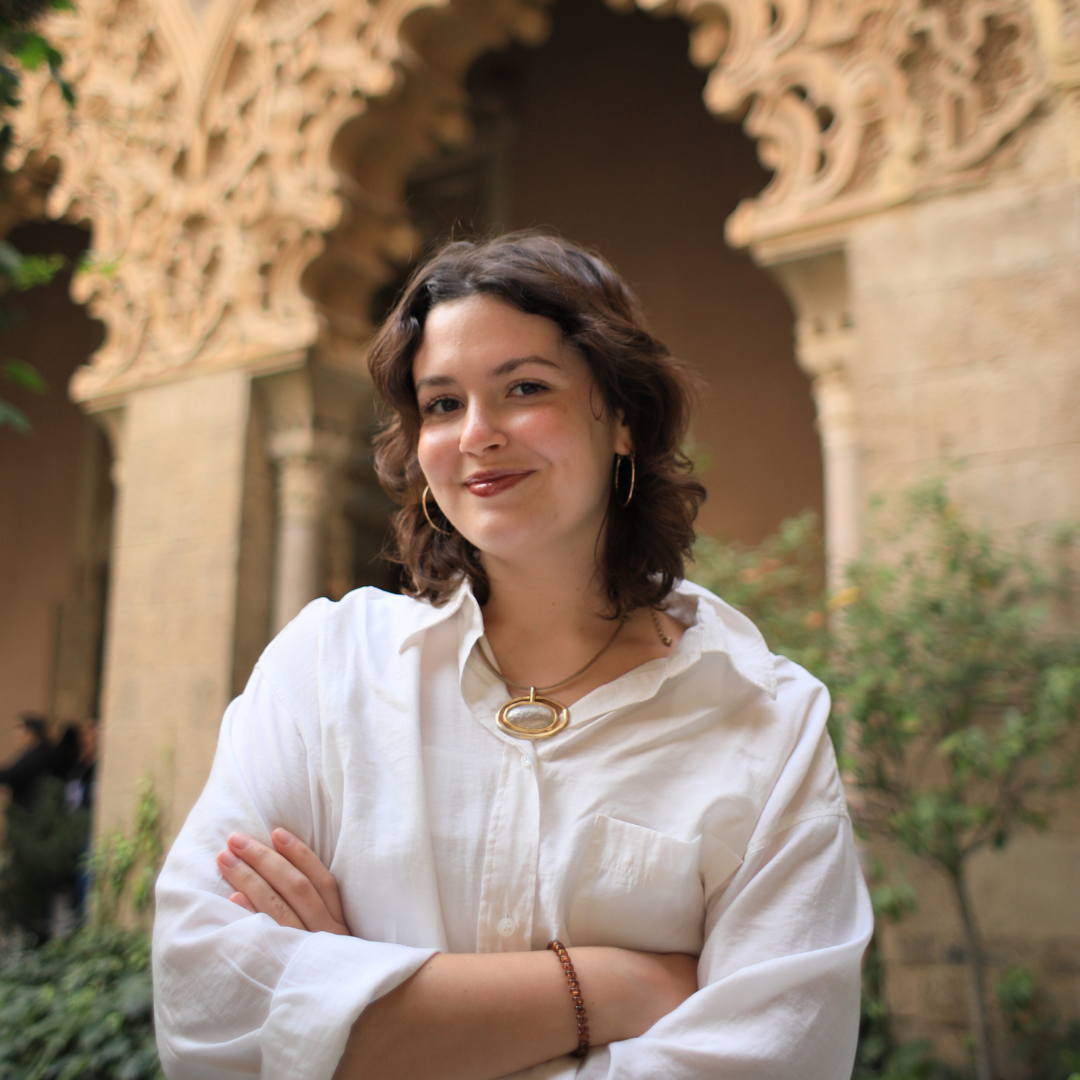 Rachel Paese is Design Observer’s Deputy Editor, and she loves giving curious people access to stories that change the way they see the world. It began with a major in English, and then evolved with a project that sharpened her editorial instincts the old-fashioned way: founding and leading her own multimedia magazine at the University of Kansas. After college, she carried that passion to education, helping students in Spain and Thailand think beyond their culture. Today, she brings that same spirit to Design Observer, working to connect readers with the people and ideas shaping a better future. Connect with her on LinkedIn, and ask her about her quest to sew her own wardrobe.
Related Posts
Design Juice
Rachel Paese|Design Juice
‘What if care were foundational to systems design?’ asks Rachael Dietkus
Arts + Culture
Alexis Haut|Interviews
The Kardashians will make you cringe, but first they’ll sell you shapewear
Design Juice
Rachel Paese|Design Juice
Sara Soskolne is a typeface designer who thinks of herself as a craftsperson
Design Juice
Rachel Paese|Design Juice
Ira Blossom created a games-only, print-only newspaper — and it’s sold at a newsstand in New York City
Subscribe to The Observatory
Related Posts
Design Juice
Rachel Paese|Design Juice
‘What if care were foundational to systems design?’ asks Rachael Dietkus
Arts + Culture
Alexis Haut|Interviews
The Kardashians will make you cringe, but first they’ll sell you shapewear
Design Juice
Rachel Paese|Design Juice
Sara Soskolne is a typeface designer who thinks of herself as a craftsperson
Design Juice
Rachel Paese|Design Juice