The failed promise of big tech might be prompting a cultural revival
For brands, it's an opportunity to strategize
In his first opinion piece for Design Observer, Matt Colangelo, a senior strategy director at Athletics, reminds us that everything old is new again:
“The world is too much with us; late and soon,
Getting and spending, we lay waste our powers;”
These lines could have been written about impulse shopping on Instagram. But alas, they were penned by William Wordsworth in 1802, several decades into the Industrial Revolution. They are among his most famous critiques of the materialism and overstimulation of that era, a conviction that would lead him and his Romantic peers to embrace nature, medievalism, and the human mind as antidotes to a modern world that was just ‘too much.’ They were the original anti-industrialists, inspiring generations of artists and thinkers to mobilize human craft and imagination against the mechanical, logical, and commercial.
Which is all to say, we’ve been here before. Gazing into the past, looking for wholesome aesthetic references and historic anchors that might restore for us a sense of meaning and purpose. Remember the post-recession heritage movement, with its selvedge denim, IPA, and exposed brick? #heritage #artisanal #americana.
I remember it vividly, and I bet you do, too.
If Colangelo is correct, and I suspect he is, a new wave of nostalgia is building, one that is likely to last longer than the ye olde mustache trend of the late aughts.
This one, he says, is underpinned by a collective repudiation of the very element that once promised to build community and democratize expression. “It’s technological disenchantment going mainstream, a full-scale rejection of this fifth industrial revolution (AI) and its financial, psychological, and political tolls.”
Colangelo sets out a sophisticated, evidence-supported argument that weaves tech skepticism, cultural division, anti-authoritarian sentiment, and renewed calls for sustainable living into a framework for teams to use as they redesign their brand offerings for a public that is re-thinking how they spend their time and treasure.
It’s a short master class in strategy, built on deep observation. Click through and take it in, perhaps while enjoying a glass of cold brew or craft beer. You’ll want to print it out and keep it tucked into your journal.
Find more expert commentary and observations below. And as always, let us know how you’re seeing the world these days.
P.S. Did someone who loves you send you this newsletter? Welcome! Subscribe here.
This edition of The Observatory was edited by Rachel Paese.
This is the web version of The Observatory, our (now weekly) dispatch from the editors and contributors at Design Observer. Want it in your inbox? Sign up here. While you’re at it, come say hi on YouTube, Reddit, or Bluesky — and don’t miss the latest gigs on our Job Board.
The big think
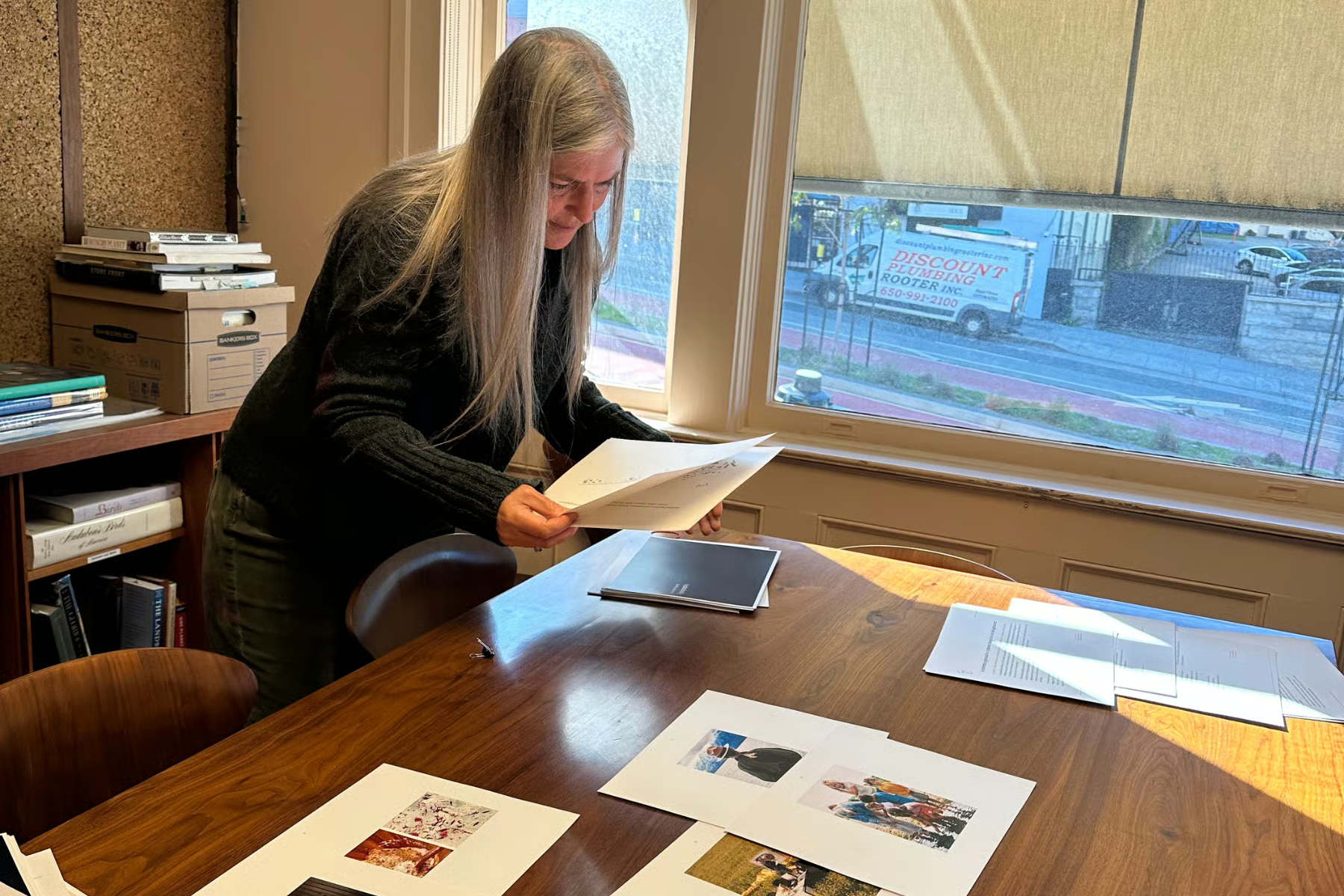
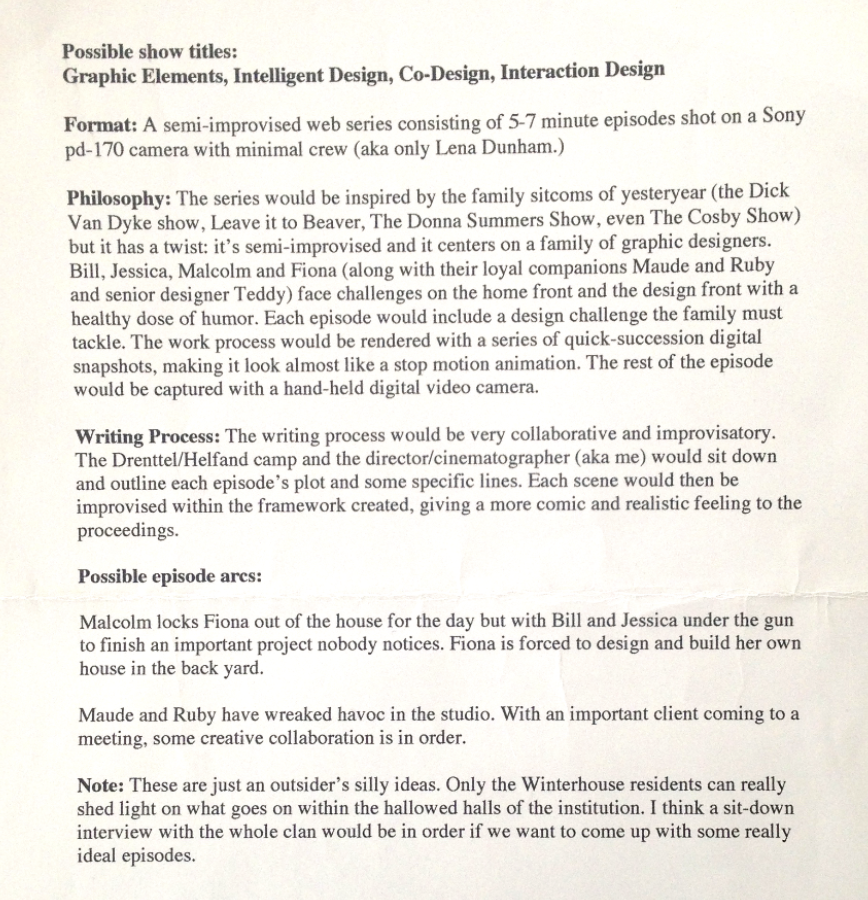
Speaking of nostalgia, Design Observer co-founder Jessica Helfand shared this treasure in the #DO-joy Slack channel. It’s from her family archives, and particularly (and joyfully) relevant in light of the publication of Lena Dunham’s new memoir, Famesick.
Jessica wrote:
When I was raising my children in the Berkshires, the art community was small and we all knew each other. Among our very small group of art friends were Carroll Dunham and Laurie Simmons: their two children were the cool older kids at the kids table alongside ours (the not very cool at all younger kids).
In any event, one day, the older one—then about 16—had a crazy idea to shoot a sitcom in our studio. She spent a day with us (her mom drove her over because she didn’t have her license yet) and a few days later she sent us the attached.
Here’s the pitch. The author: Lena Dunham!
(Also: why IS there no design sitcom?!)
Happenings
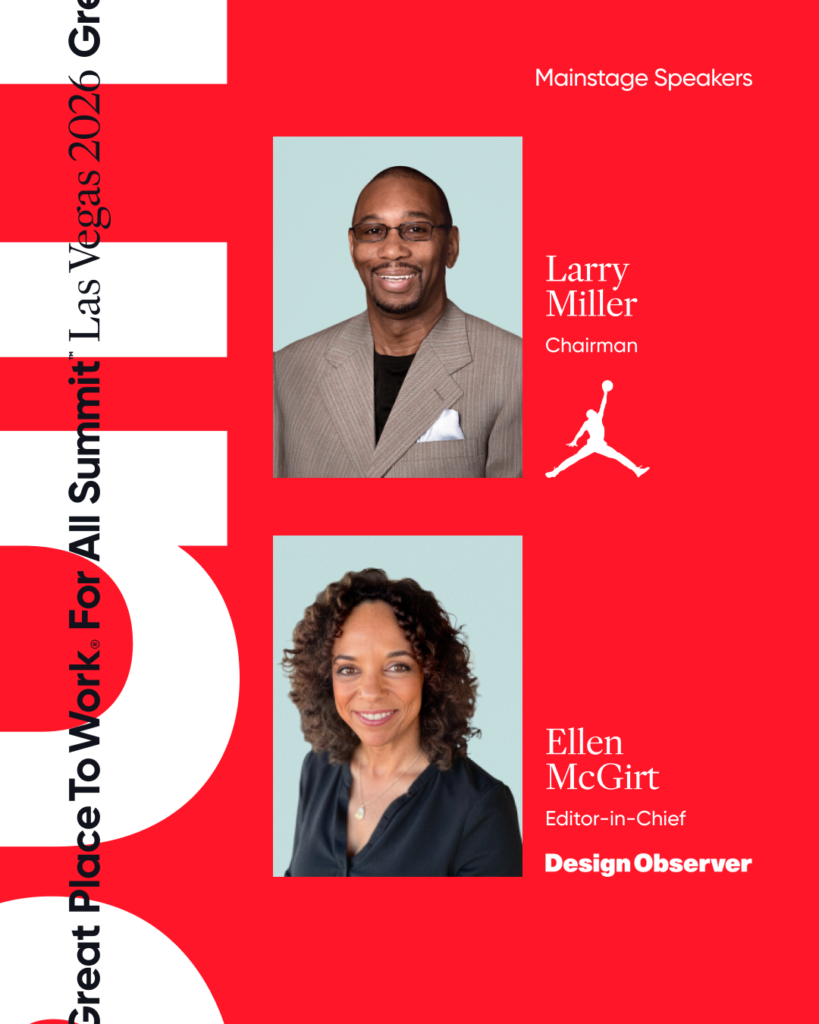
This Thursday, Editor-in-Chief Ellen McGirt will be spending an hour with former president of the Jordan Brand Larry Miller live on stage at the Great Place To Work Summit. They’ll be discussing how he’s turning his expertise into new hope for the formerly incarcerated.
If you’ll be in the Las Vegas area and want to come, they’re offering a deep discount for Observatory readers, of $995 (full price is $2195). Code: DESIGNOBSERVER26.
If not, catch the livestream here at 10:30 PDT on Thursday, April 23.
Podcasts
What happens when AI shapes design and design shapes AI? In this roundtable, Lee Moreau and guests explore who gets left out of the conversation between creation and consumption.
Hear from: Omidyar Network SVP Anamitra Deb, educator and design researcher Jessica Meharry, and co-editor of The Black Experience in Design: Identity, Expression & Reflection and professor Anne H Berry.
Power is designed: The Epstein files expose how systems are built to protect the powerful. Accountability requires a different blueprint: making power visible and open to scrutiny. By Jessie McGuire.
The compound interest of design: what not to build. Two and a half decades in, Dave Snyder argues that the smartest design move isn’t chasing trends, it’s planting the tree and letting time do the work. By Dave Snyder
Innovation needs a darker imagination. Science fiction can teach us to understand all possible scenarios. By Ashleigh Axios
A new chapter of human ingenuity in the age of AI. AI may mark a turning point in how we create, but the hand that guides the brush, human ingenuity, remains irreplaceable. By TK Tennakoon.
Why most corporate transformations fail and what to do about it: an interview with IBM’s former redesign chief, Phil Gilbert.
Observed
All the cool kids are talking about Claude Design. “Claude Design gives designers room to explore widely and everyone else a way to produce visual work,” is the promise. It works, yes, but you’ll burn through all your tokens in record time, says Ben Patterson at PCWorld. Design chatter on X agrees: it’s impressive, expensive, and most of the outputs look pretty much the same.
The Honda Global Font was created to remedy inconsistencies in brand materials within global markets. Rumie Oishi leads Honda’s corporate branding, Sakura Taruno and Yuka Honma are typeface designers at Morisawa Inc., and Osamu Torinoumi, a typeface designer at JIYUKOBO Ltd., shares the long process of developing the font. “From the very beginning, I felt they demonstrated a sincere commitment to monozukuri craftsmanship in their approach to shape,” says Taruno.
Everything old is new again: A modular construction kit based on Charles and Ray Eames’ iconic mid-century modern home will debut at Triennale Milano during Milan Design Week, via Dezeen.
Sony World Photography Awardshas announced its 2026 winners. The competition welcomes submissions from photographers of all levels; this year, there were more than 430,000 submissions from more than 200 countries and territories. Come, look at the world! These images will set you right. Enjoy.
Critic, curator, and professor of architecture Ana Miljački has been named the next head of the MIT Department of Architecture. “I’ve been a member of the MIT faculty for 19 years,” Miljački says. “I have been humbled every day to take part in its collective, private, material, cultural, and pedagogical ambitions and realities.” In 2018, she founded MIT’s Critical Broadcasting Lab. Through the Critical Broadcasting Lab and in partnership with The Architectural League of New York, Miljački hosts the I Would Prefer Not To podcast, which delves into the ethical and social dimensions of practice.
Cutbacks at Disney have hit Marvel, with some 8% of its workforce on the chopping block. It is hitting the creative staff, specifically the visual development team, particularly hard. “I can’t comprehend it. These are the folks who have created the first visuals for every. Single. Marvel Studios film. Ever,” says @kortizart on X. “A really small team of people, some have been there for over a decade.” Thanks, Chat.
Chicago’s historic Merle Reskin Theater takes a bow. The 120-year-old Beaux Arts treasure is closing at the end of May. DePaul University, which owns and operates the theater, cites a budget crisis caused by the Trump Administration’s immigration policies, which have resulted in fewer tuition-paying foreign students. Also set to close: the DePaul Art Museum.
Graphic design studies are now basically trade schools, teaching a skill the job market currently doesn’t seem to value, says designer Kathy Pham. “Since the Industrial Revolution, the world has come to think of technology as hardware, a product you need to learn, a hard skill,” she says. But what of taste? Context? Imagination? “The lack of liberal arts integration combined with the pluralization of college education has left design students behind… students view their gen-ed world history and math classes as a waste of time rather than a context-based preparation for their design work.”
Hiring a designer? Post your role on the Design Observer Job Board to reach a highly engaged audience of designers, creative leaders, and studios across the Design Employment Network.
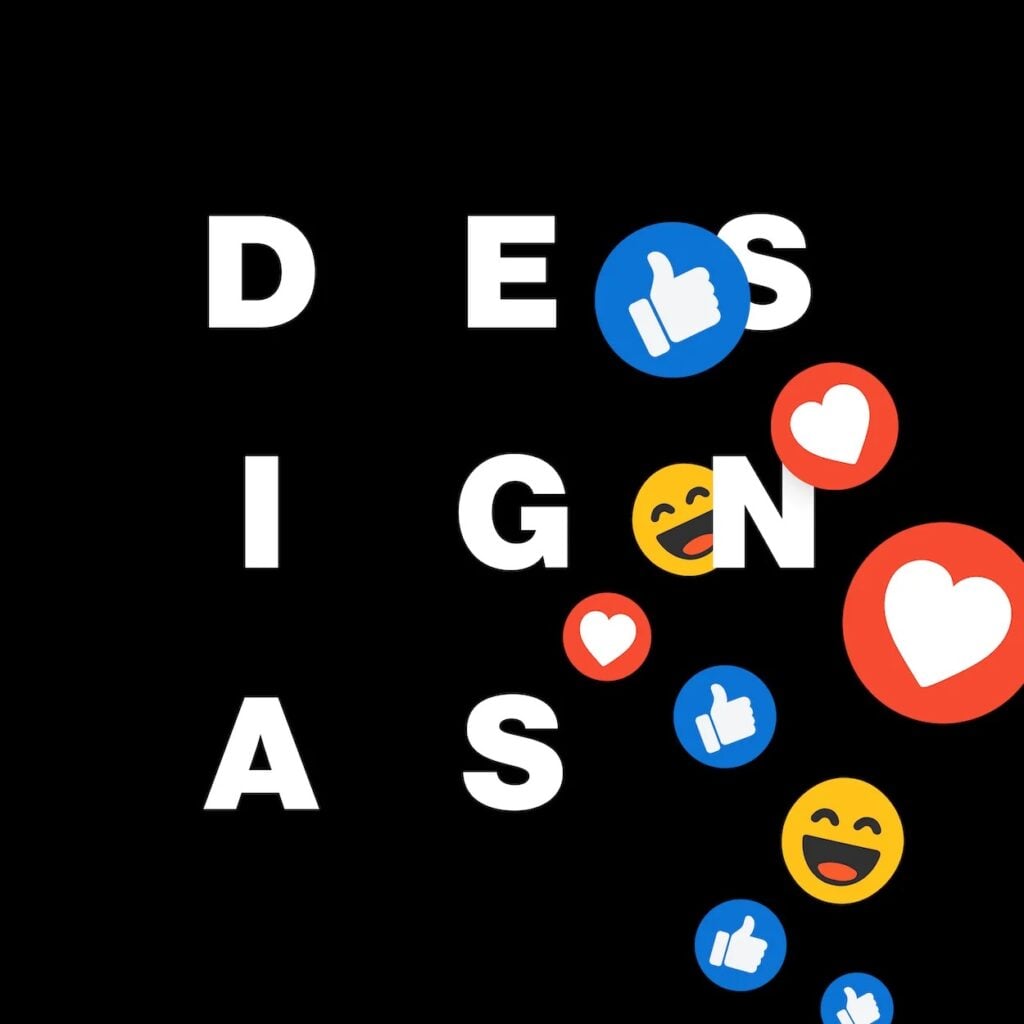
As Matt Colangelo observes in his first opinion piece for Design Observer, the failed promise of big tech is causing a growing suspicion of optimization, and culture might be gravitating towards an Arts & Crafts mindset. (Read more here).
This is the perfect moment to revisit an essay written by an art historian who grew up in Pixar Studios. It explores the magic of Miyazaki’s films: hand-drawing every frame, which is a “meticulous, analog process [that] imbues each scene with a distinct stillness,” author Sigourney Schultz says.
“This deliberate resistance to constant motion — an invitation to sit in stillness with our feelings — is what makes Miyazaki’s films so magical: moments of pause that allow emotional depth to take root.”
The author during a weekend visit to Pixar Animation Studios, 2002.
This is the web version of The Observatory, our (now weekly) dispatch from the editors and contributors at Design Observer. Want it in your inbox? Sign up here. While you’re at it, come say hi on YouTube, Reddit, or Bluesky — and don’t miss the latest gigs on our Job Board.
Ellen McGirt is an author, podcaster, speaker, community builder, and award-winning business journalist. She is the editor-in-chief of Design Observer, a media company that has maintained the same clear vision for more than two decades: to expand the definition of design in service of a better world. Ellen established the inclusive leadership beat at Fortune in 2016 with raceAhead, an award-winning newsletter on race, culture, and business. The Fortune, Time, Money, and Fast Company alumna has published over twenty magazine cover stories throughout her twenty-year career, exploring the people and ideas changing business for good. Ask her about fly fishing if you get the chance.
“Design Observer has maintained the same clear vision for more than two decades: to expand the definition of design in service of a better world.” — Ellen McGirt, Editor-in-Chief






 Ellen McGirt is an author, podcaster, speaker, community builder, and award-winning business journalist. She is the editor-in-chief of Design Observer, a media company that has maintained the same clear vision for more than two decades: to expand the definition of design in service of a better world. Ellen established the inclusive leadership beat at Fortune in 2016 with raceAhead, an award-winning newsletter on race, culture, and business. The Fortune, Time, Money, and Fast Company alumna has published over twenty magazine cover stories throughout her twenty-year career, exploring the people and ideas changing business for good. Ask her about fly fishing if you get the chance.