


May 26, 2026
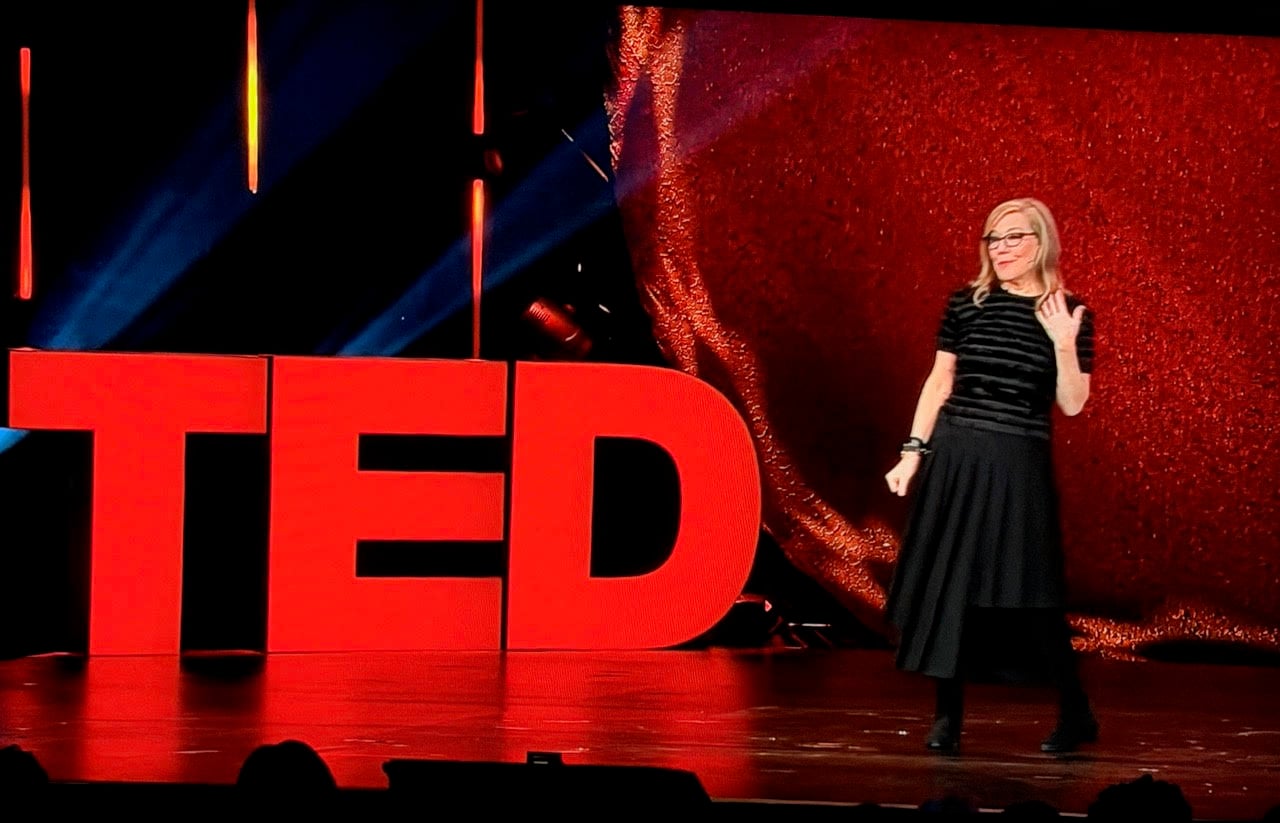
If the joy of achievement is fleeting, what sticks? Debbie Millman shares insights in her latest TED Talk.
"Take your time becoming the creative being that you want to be"
Debbie Millman is a designer, brand expert, educator, master interviewer, and dear friend of Design Observer. Her most recent short TED Talk, “You Got What You Wanted, Now What?” was posted this spring. It’s a don’t-miss.
She began with a powerful insight she gleaned after some 20 years at the helm of her award-winning podcast, Design Matters.
“In one episode several years ago, I interviewed a famous painter about a recent exhibition, a show that had taken years to create. Given the magnitude of the accomplishment, I asked her how long the feeling of pride lasted after opening night. She looked at me, she smiled sheepishly and stated, ‘About 11 minutes.’”
Millman dug deeper. Based on her interviews and responses to a 10-question survey that she’s been administering to PRINT Magazine readers for the better part of a decade, Millman found that this turns out to be a very common problem among creatives of all stripes. “I saw how, up close, for so many people, the pride and joy of accomplishment dissipates almost as quickly as it manifests,” says Millman. Or, as one musician told her, “The only time I feel at peace is when I’m in the studio. Not on stage, not after. Only while I’m making.”
For many, the familiar levers of capitalism become the anti-muse, goading humans to build, scale, maxx, mog, seek the spotlight, and the next big round of applause. It’s part of modern life, and not entirely unsatisfying.
And yet, “Think about it,” she says. “The finished products and trappings of creative accomplishment are often seen as the goal. And if we haven’t yet reached mastery, we’re told we have to fake it until we make it. Pretend. But I don’t think people should have to fake anything. Instead, I’d rather make it until I make it. You see, I believe that the act of making is like oxygen. When the making stops, it becomes hard to breathe.”
Cindy Jones-Nyland is a global chief marketing officer, an international community-building expert, and Design Observer’s own director of partnerships. (Yes, we’re really lucky.) She brings a similar message to our newsroom, and by extension, the rest of the world.
In her most recent keynote, “How Often Do You Rehearse the Best-Case Scenario?” — she explored in real time why our brains default to imagining what could go wrong, the nasty trick our psyches play on us that makes staying on the “fake-it-to-you-make-it treadmill” as addictive as chasing clout. Fear of crashing and burning turns out to be the evil twin of the pursuit of accomplishment.
She felt it even as she delivered her remarks, she told the audience. “I had to make a deliberate choice to rehearse the version where it went well, not because I was certain, but because certainty was never the point.”
If certainty is never the point, then clearing the psychic barriers to become fully present in your life just may be. So, if the joy of achievement is fleeting, what truly sticks?
I’ll give Millman the last word.
“That fleeting feeling of accomplishment isn’t a flaw. It’s part of the creative condition. Instead, heed the calling. Continue to make things, and maybe, just maybe, take your time becoming the creative being that you want to be.”
If you’ve been taking some time this weekend, we hope it is exactly what your gorgeous brains want and need, and also, just another lovely moment in your big, creative life. And when you get a chance, tell us how you’re heeding your calling.
Ellen McGirt
Editor-in-Chief
LinkedIn
Instagram
Threads
Ellen@designobserver.com
P.S. Did someone who loves you send you this newsletter? Welcome! Subscribe here.
This edition of The Observatory was edited by Rachel Paese.
This is the web version of The Observatory, our (now weekly) dispatch from the editors and contributors at Design Observer. Want it in your inbox? Sign up here. While you’re at it, come say hi on YouTube, Reddit, or Bluesky — and don’t miss the latest gigs on our Job Board.
Draw the Line
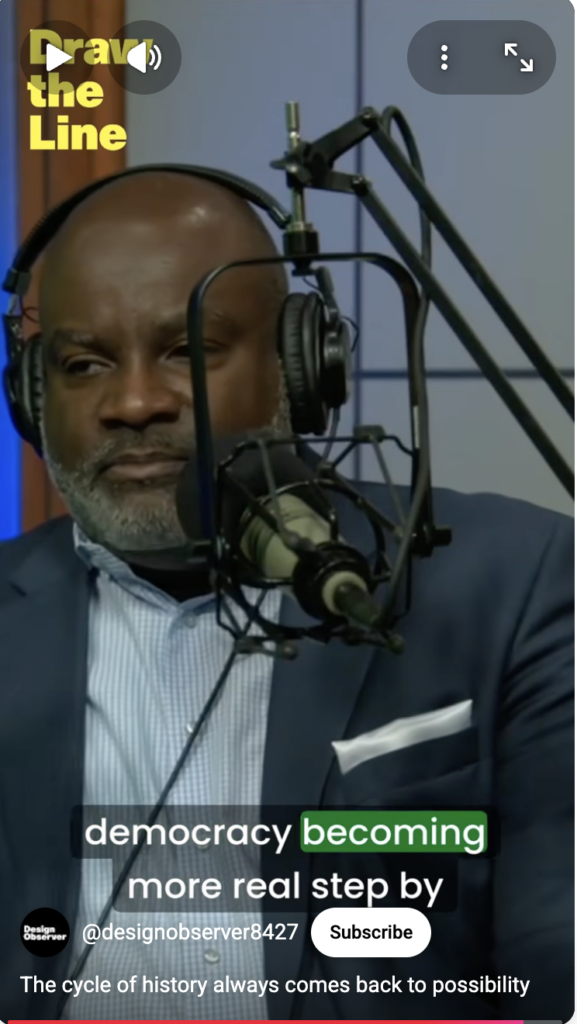
The Supreme Court has gutted the Voting Rights Act. Redistricting determines whose voice counts, whose neighborhood thrives, and whose representation vanishes. That is exactly the kind of design we exist to examine.
Follow along in The Observatory Newsletter, on our socials, or on our website for updates.
Some fine print
Design Juice is an as-told-to conversation series series that captures how designers think, work, and envision the future. Design Observer is catching up with design practitioners from across disciplines and at any career stage who offer distinctive perspectives on their craft and its impact.
Don’t miss the insights.
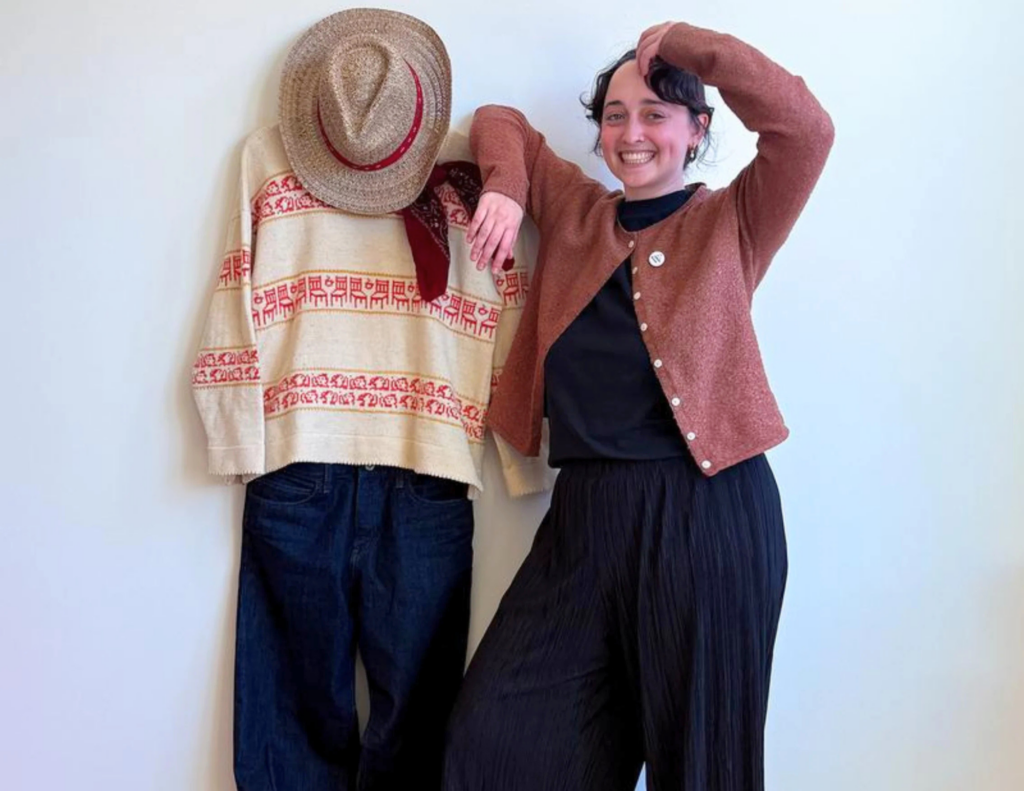
In a world that feels impossible to change, emerging designer Deborah Khodanovich is starting small. The RISD MFA student turned her love of gossip into a typeface and a philosophy: that designing for your immediate community is where real change begins. By Rachel Paese.
Elixir Design founder Jennifer Jerde believes in the human touch. Brands still need real people to lead with observation and connection in their effort to tell the visual story, she says. By Rachel Paese.
Sam Furness got serious about investing in his curiosity. Now, he’s helping others do the same. He’s partnering with Tina Roth Eisenberg at CreativeMornings and Adobe on Release Day, a collective deadline to help creatives get their projects into the world. By Rachel Paese.
Observed
What are you observing? Tell us.
Forgetting why we remember. On May 1, 1865, a crowd of 10,000 formerly enslaved people and some white missionaries staged a solemn procession around the track at the Washington Race Course and Jockey Club in Charleston, South Carolina. “The [Civil] war was over, and Memorial Day had been founded by African Americans in a ritual of remembrance and consecration,” writes David Blight in his 2001 book, Race and Reunion: The Civil War in American Memory. “White Charlestonians suppressed from memory this founding.” More here.
A quick look back to the summer of 2025, when “Americans and their allies [were] facing a long, hot summer of worry about democracy, the rule of law, frayed partnerships, and existential interdependence.” See? Nostalgia. So fun.
How the cookout became Black. A smart, reported piece on the deep history of the Black cookout, from Juneteenth origins through the Great Migration. Spoiler: it’s not just about the food. (But it is also about inadequate housing.) From culinary historian Adrian Miller.
“I’m writing this essay during an excessive heat warning, and I learned of apocalypse as a boy,” writes Navajo Nation Poet Laureate Jake Skeets in his work Summer Light: A failed essay in four parts. Earlier this year, the confluence of heat, fire, and sandstorms on the rez moved him to consider how a changing climate will affect the way we experience the seasons. “Seasons are to the body what memory is to time,” he says. Worth your time.
Essential summer reads for design and architecture lovers. From Azure.
Good Humor ice cream is as American as Wonder Bread and just as white, begins Steven Heller, as he explores the brand’s surprising decision to partner with Wu-Tang Clan co-founder RZA in 2009. He also remembers his own beloved “Tony,” of his ice-cream-truck chasing youth in NYC. See? Nostalgia. So refreshing.
Job board
Hiring a designer? Post your role on the Design Observer Job Board to reach a highly engaged audience of designers, creative leaders, and studios across the Design Employment Network.
Senior Visual Designer at Klimt & Design, Remote.
Textile Design Apprentice at Elizabeth Whelan Design, Brooklin, ME.
Architectural Product Designer at Chemetal, Easthampton, MA.
End marks
Debbie Millman does a little bit of just about everything. She is a writer, designer, educator, artist, brand consultant, and host of the podcast Design Matters. In the latest season of Design of Business | Business of Design, podcast host Ellen McGirt caught up with her. The insights are still as relevant as ever:
“Consumers are not stupid…and anyone that thinks that creating brands that stand for exclusion, discrimination, prejudice, white supremacy, anti-LGBTQ. Those brands will not last…Consumers will come to know them as the tools of a late stage capitalist regime that have no interest in actually serving the audience that they have made these products for.”

This is the web version of The Observatory, our (now weekly) dispatch from the editors and contributors at Design Observer. Want it in your inbox? Sign up here. While you’re at it, come say hi on YouTube, Reddit, or Bluesky — and don’t miss the latest gigs on our Job Board.
Observed
View all
Observed
Share on Social


By Ellen McGirt
 Ellen McGirt is an author, podcaster, speaker, community builder, and award-winning business journalist. She is the editor-in-chief of Design Observer, a media company that has maintained the same clear vision for more than two decades: to expand the definition of design in service of a better world. Ellen established the inclusive leadership beat at Fortune in 2016 with raceAhead, an award-winning newsletter on race, culture, and business. The Fortune, Time, Money, and Fast Company alumna has published over twenty magazine cover stories throughout her twenty-year career, exploring the people and ideas changing business for good. Ask her about fly fishing if you get the chance.
Related Posts

Business
Audio
S13E2 DB|BD at Aspen: Judy Samuelson is Still Thinking About the Purpose of a Corporation

Design of Business | Business of Design
Ellen McGirt|Audio
S13E1 DB|BD at Aspen: Todd Breyfogle on the Aspen Institute’s Humanistic History
The Observatory Newsletter
Ellen McGirt
A Google UX researcher responded to digital fatigue by founding a newspaper

Design Juice
Rachel Paese|Design Juice
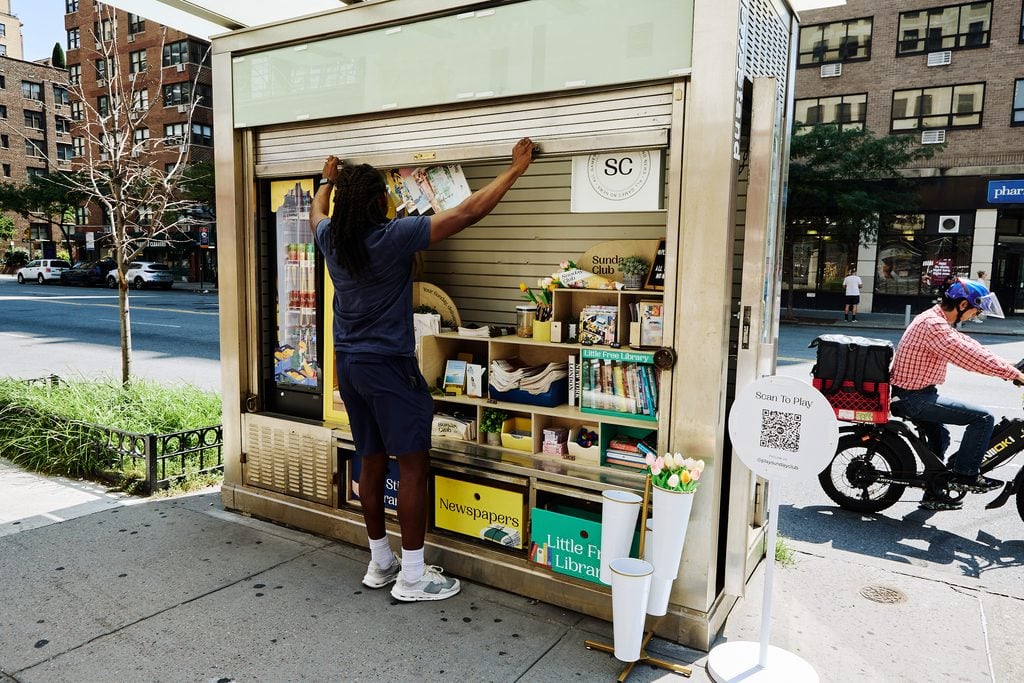
Ira Blossom created a games-only, print-only newspaper — and it’s sold at a newsstand in New York City
Recent Posts
S13E2 DB|BD at Aspen: Judy Samuelson is Still Thinking About the Purpose of a Corporation S13E1 DB|BD at Aspen: Todd Breyfogle on the Aspen Institute’s Humanistic History A Google UX researcher responded to digital fatigue by founding a newspaper Ira Blossom created a games-only, print-only newspaper — and it’s sold at a newsstand in New York CitySubscribe to The Observatory
Related Posts
Business
Audio
S13E2 DB|BD at Aspen: Judy Samuelson is Still Thinking About the Purpose of a Corporation
Design of Business | Business of Design
Ellen McGirt|Audio
S13E1 DB|BD at Aspen: Todd Breyfogle on the Aspen Institute’s Humanistic History
The Observatory Newsletter
Ellen McGirt
A Google UX researcher responded to digital fatigue by founding a newspaper
Design Juice
Rachel Paese|Design Juice