


June 1, 2026
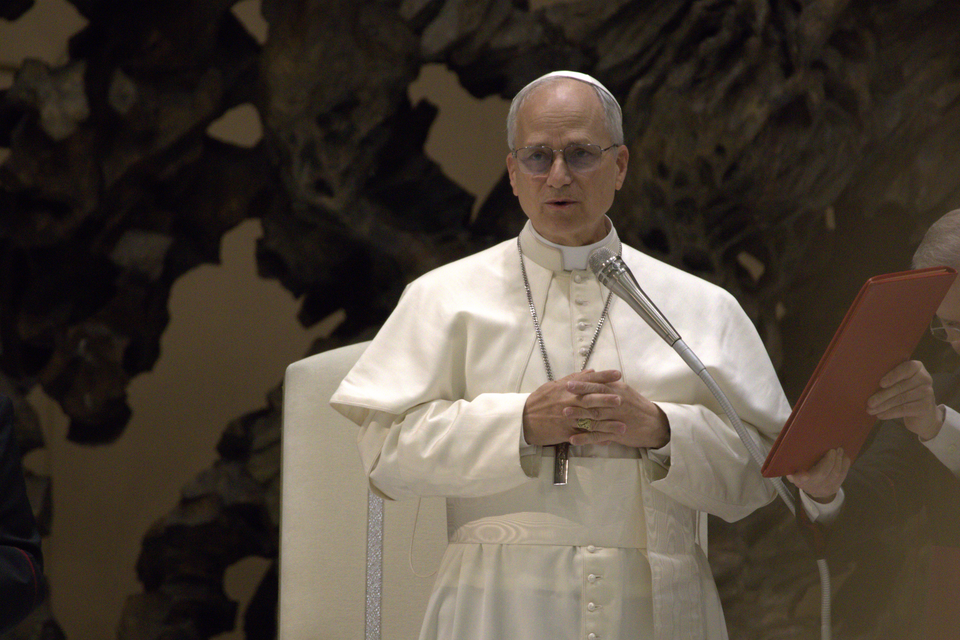
Pope Leo XIV weighed in on the AI conversation
And we asked the design community to respond
Pope Leo XIV’s first encyclical, Magnifica Humanitas: On Safeguarding the Human Person in the Time of Artificial Intelligence, was signed on May 15, 2026 — the 135th anniversary of Leo XIII’s Rerum Novarum — and formally released on May 25.
It weighs in at 42,300 words, and I confess I haven’t read it in its entirety yet. But a surprising number of people have — some turning it into an unboxing-style commentary event on social media, a throwback to simpler technological times.
But as the encyclical reminds us, these are hardly simple technological times.
While he warned of the dangers of unguided and unprincipled AI, the pope emphasized that he is not averse to innovation. “Calling for prudence, rigorous evaluation, and even, at times, a slower pace in adopting AI does not mean opposing progress,” Leo wrote. “Instead, it is an exercise of responsible care for the human family.”
And while the Pope may not have been looking for religious converts, he certainly found plenty of like-minded souls in the design community.
“Reading Pope Leo’s encyclical on AI, I had the slightly surreal feeling that the Pope from Chicago had been reading my essays,” Dave Snyder, Partner and Head of Design at Siberia joked via email. “That’s flattering. But seriously, he understands that AI’s danger is not simply replacement. It is the concentration of power. A small number of private systems now have the power to simulate judgment, manufacture certainty, and turn culture itself into factory output.”
Matt Colangelo, a senior strategy director at Athletics, NYC, referred to the document as “His Holiness’s design brief.”
“Having read the encyclical, I am taken not only by Pope Leo’s commitment to progressive social causes but also by the way in which he directs his message to the builders, designers, and developers of our new digital ecosystems,” he tells The Observatory via email. “He sees all people as builders of the cities we want to live in, but he invites those of us actually designing, developing, and marketing AI systems to examine our consciences and ask ourselves whether these products promote human dignity. His third and fourth chapters are a plea to those of us working in digital tech to guide it in a much more humane direction—or stop working on it altogether.”
Given the inherent pressures in digital tech, particularly at the hands-on level, that kind of courage can be daunting. (Lee Moreau had a similar message in a recent opinion piece that still gets reader mail.)
And yet, says Mike May, Chief Strategy Officer at design firm Fifty Thousand Feet, this is the kind of courage business leaders who consider themselves brand stewards need a little more of. “Pope Leo XIV is doing what most business leaders aren’t incentivized to do: look beyond the next quarter and ask what AI will do to humanity in the long run,” he says via email. “But ‘humanity’ here really means the customers and communities whose jobs, water, energy costs, planet, and future already feel at risk from AI‑driven decisions. And ‘humanity’ is paying attention.”
Given the growing backlash against AI in education and data centers in backyards, he suggests the power belongs to the people.
“If brands recklessly chase AI efficiency, they shouldn’t be surprised when their customers decide those same choices have dehumanized their lives and no longer deserve decades of trust.” And by calling for AI to be “disarmed,” the pope is asking leaders to reconsider the true costs of doing business, he says.
“His point may be phrased as theology, but it’s also savvy brand strategy: resilient brands are built on discipline, consistency, and relentless customer focus. CEOs may be enamored with lowering expenses by 20%, but it’s their brands that will be held accountable when customers decide those AI gains have helped corrode the world around them.”
What do you think? We’re collecting more responses from the design community. Please email me below to share your thoughts on AI and the encyclical — subject line “Magnifica Humanitas.”
In other news, we’re dusting off an ancient Substack; join us there, and we’ll be opening the comments so you can share your responses and connect with each other.
Ellen McGirt
Editor-in-Chief
LinkedIn
Instagram
Threads
Ellen@designobserver.com
P.S. Did someone who loves you send you this newsletter? Welcome! Subscribe here.
This edition of The Observatory was edited by Rachel Paese.
This is the web version of The Observatory, our (now weekly) dispatch from the editors and contributors at Design Observer. Want it in your inbox? Sign up here. While you’re at it, come say hi on YouTube, Reddit, or Bluesky — and don’t miss the latest gigs on our Job Board.
Draw the line
The Supreme Court has gutted the Voting Rights Act. Redistricting determines whose voice counts, whose neighborhood thrives, and whose representation vanishes. That is exactly the kind of design we exist to examine.
Podcast coming soon. Follow along in The Observatory Newsletter, on our socials, or on the website for updates.
Some fine print
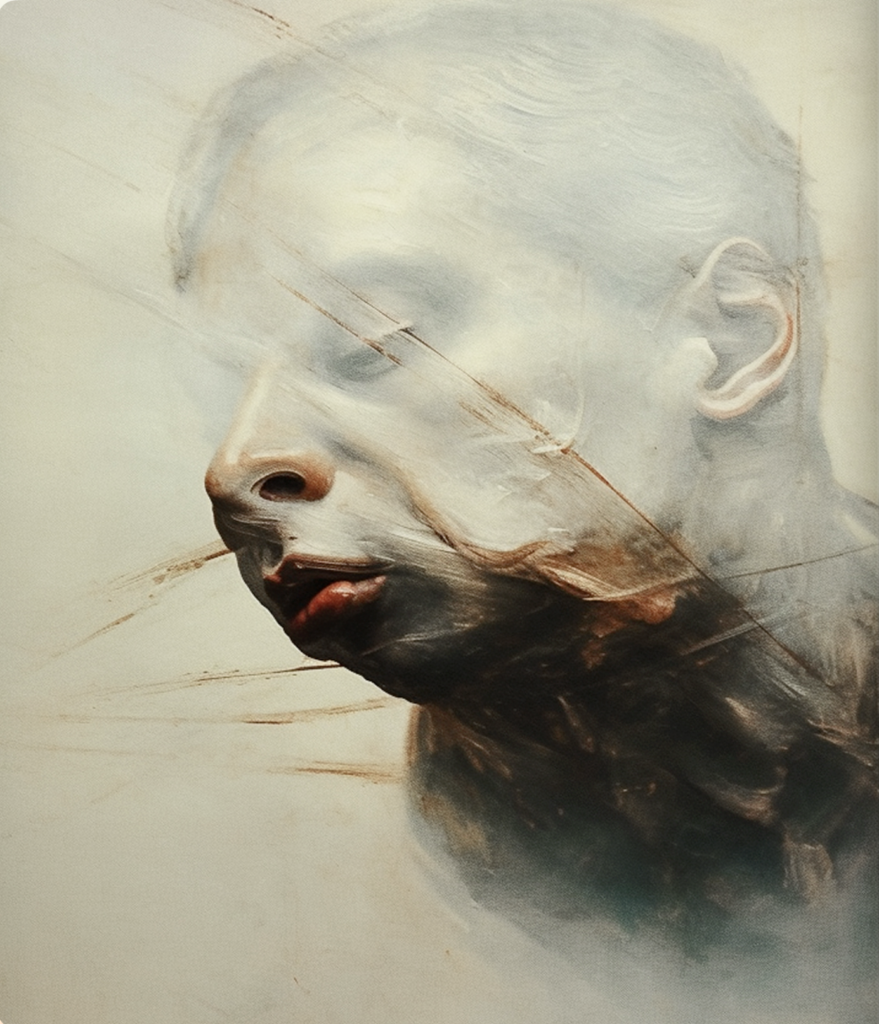
On June 2, artist and Design Observer co-founder Jessica Helfand wraps up her series, “The Icarus Diaries,” an inside look into her studio and her process.
In the last (and longest) installment, Helfand reflects on absorbing herself in the myth of Icarus, and how AI has become integral research partner in this new chapter of her painting practice.
“Part trusted deputy, part unreliable narrator, AI is my casting agent and my costume designer. It is flawed and it is fascinating precisely because it is flawed…
I have no interest in optimizing AI: what interests me is the opposite, the messiness and the miscalculations, the blending of opposites, those unbidden grace notes that make all human beings different from one another. It is this, more than anything, that makes me think AI may have a role to play in the studio, at least in mine.”
Keep an eye on our socials and Youtube channel this week for an exclusive short film about Helfand’s process.
Observed
What are you observing? Tell us.
Mexican heritage looms large in jersey designs for the World Cup. Hugo Rosas’ new futbol jerseys draw from some of Mexico’s most iconic cultural touchstones, including papel picado, the delicate cut-paper ornaments commonly used during local celebrations. “We try to create concepts that resonate with us and convey traditions that make Mexicans feel proud,” says Rosas, who works with his brother Andrés in Mexico City. “The country’s best is reflected in papel picado, colors, and town celebrations.”
The 2026 Sustainability Awards’ Community & Social Impact category honors architecture that prioritizes human wellbeing and equity. Beyond technical efficiency, this award recognizes designs that foster social connection, improve public health, and ensure universal accessibility, creating a more inclusive built environment. Entries are now open and will close June 24, 2026. Submit your nominations here.
Wait, who? A controversial bronze statue of Caesar Rodney, a signer of the Declaration of Independence who was never mentioned in Hamilton (but was in 1776) and was a busy enslaver, has been reinstalled in D.C. in time for America’s 250th birthday shindig. History is complicated. (Also, nobody is going to the party.)
The art world’s favorite banana has been stolen again. You know exactly what I’m referring to; click through if you must.
How technology has changed stage design over the years. “I started by drawing TV studios by hand. I brought my sketch, explained how the stage should work, and then the team built the solution in real life,” recalls Ihor Chupryna on Creativebloq.
Picture a clearing in a grove: it’s twilight, and people gather around a fire to share wisdom and experience. This, believe it or not, is closer to how veteran software designers have traditionally shared institutional knowledge with up-and-comers. How will AI impact the fragile culture of inherited memory? Zeb Larson for Fast Company.
The insurance industry is starting to take the threat of litigation over addictive software design seriously. There is a wave coming: “This pattern has played out in asbestos, opioids, per- and polyfluoroalkyl substances (PFAS), and other science‑driven liability catastrophes,” says Moody’s.
Your company is doing AI wrong, example 57,989. Two recent London Business School case studies suggest that finding the right product isn’t the issue. “Sustainable AI advantage … comes from designing how AI is used in real decisions—and under what conditions it can be trusted.” Put another way: it’s a leadership design problem.
A multimedia project about Patrick Whitney premieres June 6. Produced by Ashley Lukasik, What Are People For: Design Philosophy by Patrick Whitney, with a film by Gary Hustwit and a book designed by Rick Valicenti, promises both a portrait of the designer and a meditation on design’s role in shaping a more meaningful and democratic future.
Job board
Hiring a designer? Post your role on the Design Observer Job Board to reach a highly engaged audience of designers, creative leaders, and studios across the Design Employment Network.
Industrial Design Project Manager at Hatch Duo, San Jose, CA.
Sr. Industrial Designer at Lorien Global, Boston, MA.
Industrial Design Manager at tms, Seattle, WA.
End marks
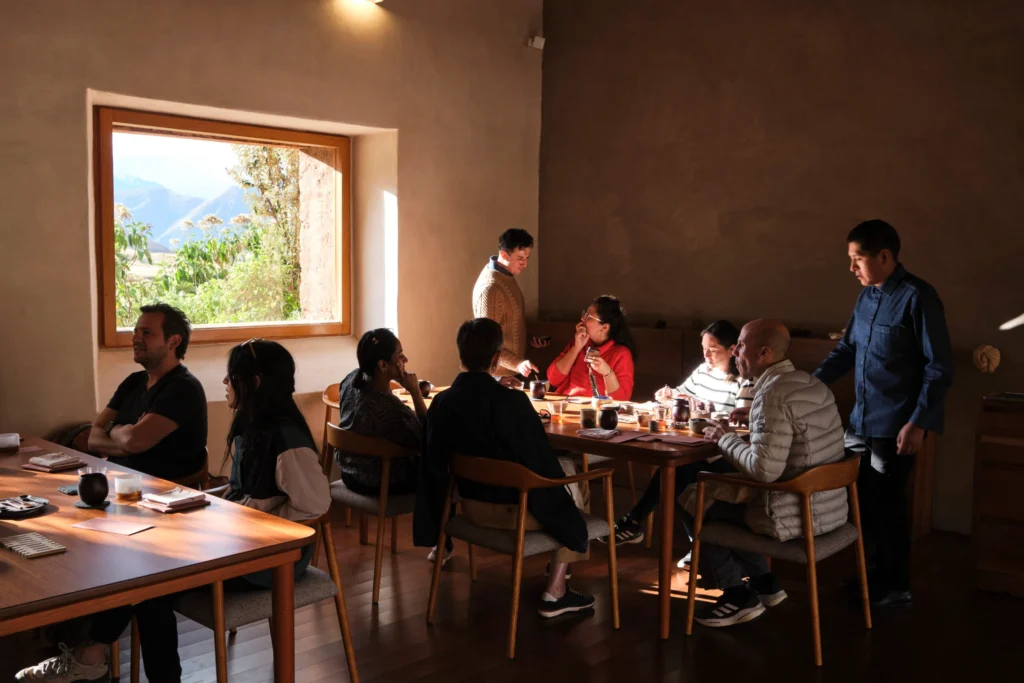
Next week, you’ll hear from another participant in Murmur Ring‘s immersion experience in Peru’s Sacred Valley. The series explores what makes a meaningful convening for leaders grappling with big problems.
In case you missed the most recent installment, cohort member and design leader Martín Zabaleta reflects on how the Andean principle of Ayni (the Quechua word for reciprocity) made him rethink his design philosophy. Now he asks, “What will we choose to give back?”
“Through observing Ayni in action, I realized reciprocity isn’t just a principle to apply externally — it begins within ourselves. To design with Ayni, designers must first embody it by practicing generosity, honoring land and ancestral knowledge, and considering impacts beyond our own lifetimes in our everyday lives and work.”
This is the web version of The Observatory, our (now weekly) dispatch from the editors and contributors at Design Observer. Want it in your inbox? Sign up here. While you’re at it, come say hi on YouTube, Reddit, or Bluesky — and don’t miss the latest gigs on our Job Board.
Observed
View all
Observed
Share on Social


By Ellen McGirt
 Ellen McGirt is an author, podcaster, speaker, community builder, and award-winning business journalist. She is the editor-in-chief of Design Observer, a media company that has maintained the same clear vision for more than two decades: to expand the definition of design in service of a better world. Ellen established the inclusive leadership beat at Fortune in 2016 with raceAhead, an award-winning newsletter on race, culture, and business. The Fortune, Time, Money, and Fast Company alumna has published over twenty magazine cover stories throughout her twenty-year career, exploring the people and ideas changing business for good. Ask her about fly fishing if you get the chance.
Related Posts
The Observatory Newsletter
Ellen McGirt
Who gets to decide where power begins and ends?
The Observatory Newsletter
Rachel Paese
You need an observation practice
Draw the Line
Audio
BONUS: Live from Essence Fest – The Work Gets Personal
Draw the Line
Audio
BONUS: Live from Essence Fest – The Accounting
Subscribe to The Observatory
Related Posts
The Observatory Newsletter
Ellen McGirt
Who gets to decide where power begins and ends?
The Observatory Newsletter
Rachel Paese
You need an observation practice
Draw the Line
Audio
BONUS: Live from Essence Fest – The Work Gets Personal
Draw the Line
Audio