


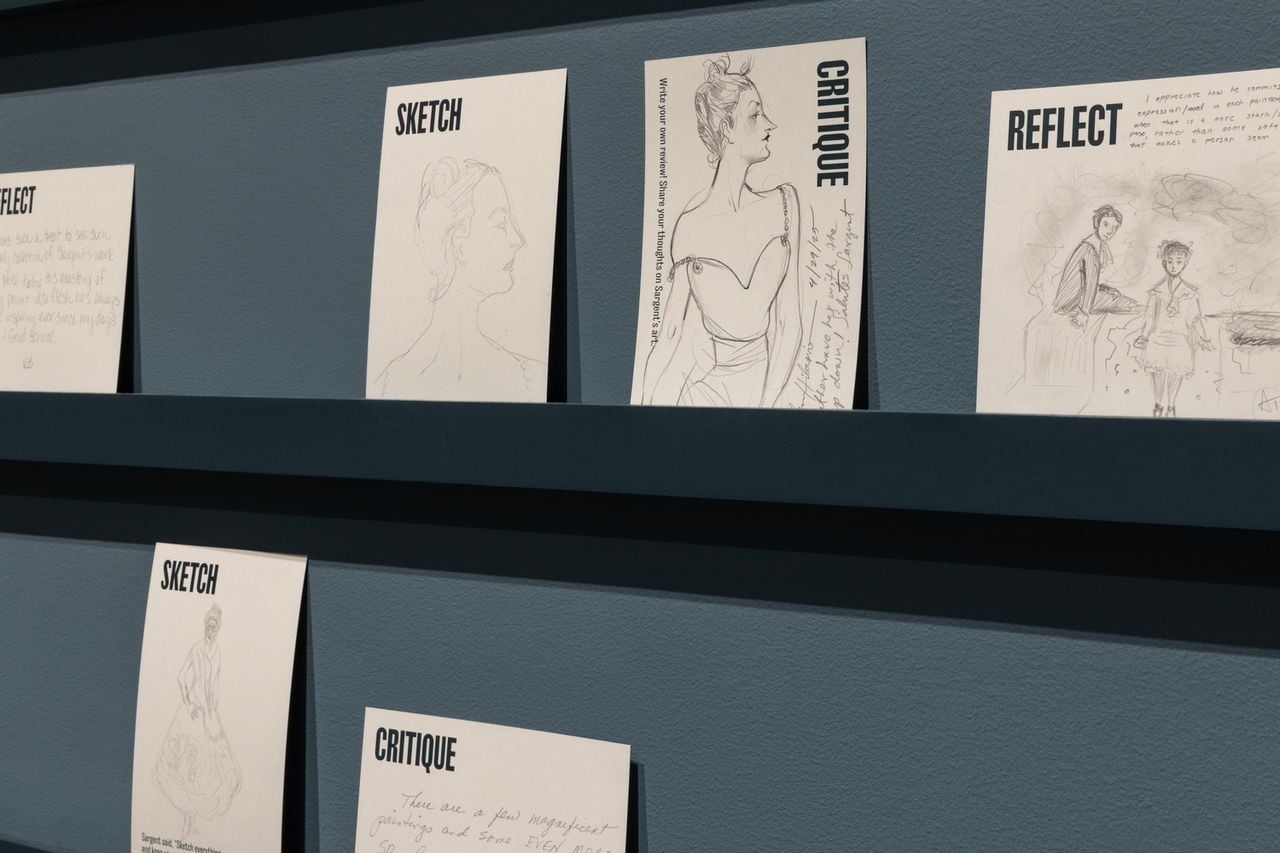
July 14, 2026
The Met’s audience engagement team is aiming for meaning
Why the goal isn't a "right" way to see art, but an invitation to connect
What makes you feel like you belong, particularly in a space that may feel intimidating or unfamiliar?
I turned to an expert for answers.
In 2025, the Metropolitan Museum of Art in New York City welcomed 6.3 million visitors, and certain events brought in roughly 20,000 visitors in a single day — and that’s only the people who were physically there. Across web, social, and email channels, The Met reached over 45 million people last year.
Welcoming this massive audience falls to a dedicated audience engagement team, which understands that not all their 6.3 million visitors walk in feeling confident that they “know art.”
This is where intentionality comes into play: there need to be invitations throughout the experience, especially for those who don’t feel a museum is meant for them — from the social media post to the pamphlet at the door to the context on the wall label.
The secret is teamwork, and Tricia Robson provides the framework to make that happen.
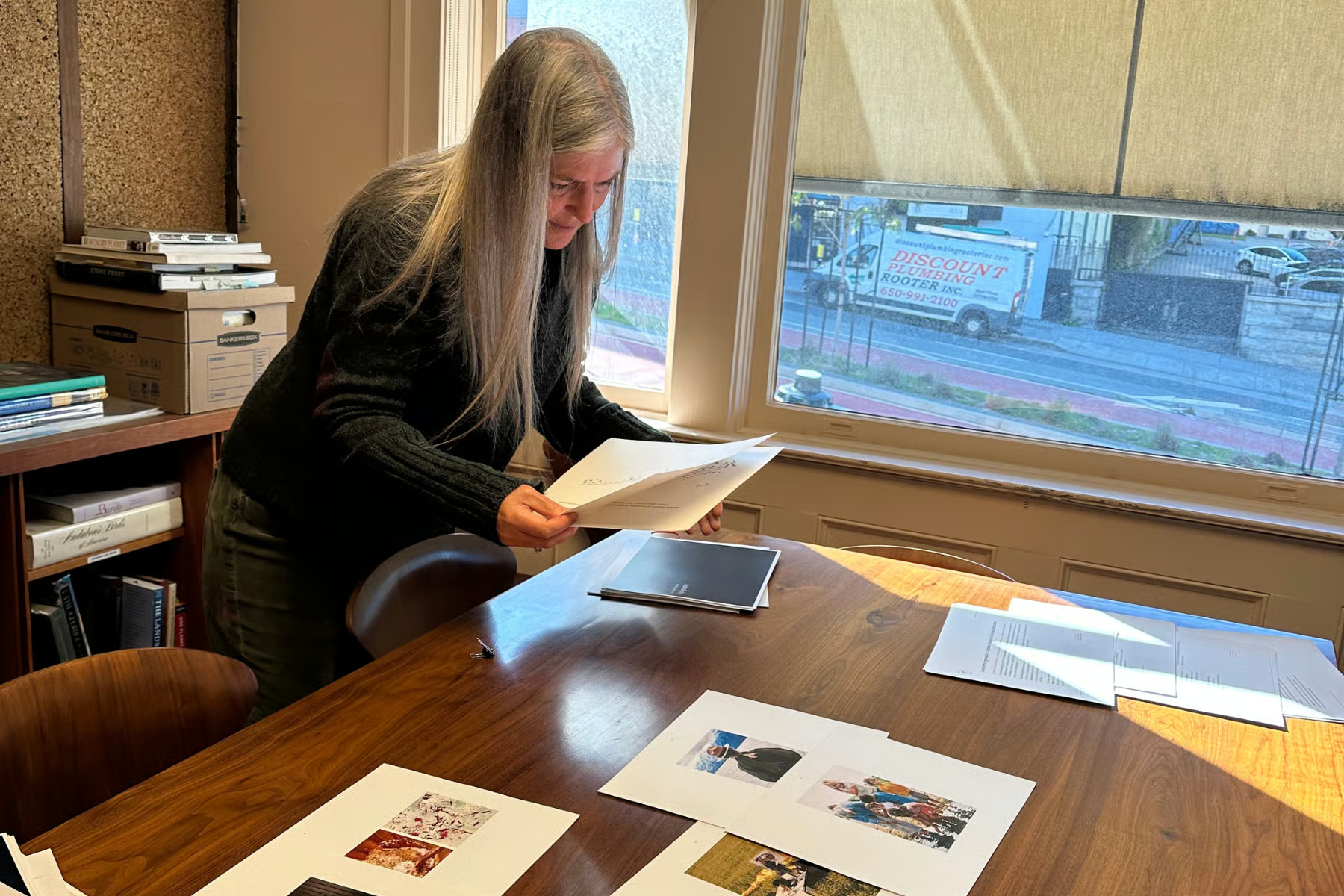
As the senior project manager for audience engagement, she guides cross-team operations and collaborative workflows for the seven teams that make sure every aspect of the visitor experience is thoughtfully considered: Digital, Education, Marketing & Digital Content, Publications & Editorial, Imaging, Libraries, Live Arts, and more.
Robson is the audience generalist, a role she was unintentionally trained for through a series of non-linear career steps. (We love non-linear careers around here. Thank you, Kevin Bethune!)
She ensures each team is not only “leading their decision-making with an audience in mind,” as she puts it, but also collaborating to design an experience where everyone feels genuinely invited. “My function is to make sure we’re connecting the dots across groups, always with an eye on, ultimately, what is best for audiences, how to engage our existing audiences, and how to reach new audiences.”
At a 156-year-old institution with 1.5 million works in its collection, giving audiences what they need to engage is not always easy. But Robson says that building cross-team collaboration into existing workflow brings innovation “that helps the content sing.”
Through collaboration between audience engagement teams, more opportunities arise when a visitor “can connect with the art on view beyond the wall labels,” Robson says. Instead, maybe they attend a Live Arts performance, learn online, experience a moment of community at Date Night at The Met, or attend a talk.
Ultimately, her goal, while not easily achieved, is simple: “to get people connected with and inspired by art and humanity, and to connect with themselves and each other.”
Click through for my full interview with Robson, where she discusses what makes meaningful audience engagement, collaboration, and measuring success.
Have you ever had a museum moment where the design of a space pulled you in instead of just informing you? Or the opposite: when has a museum gotten it wrong? Tell us in our Substack chat. We want to hear from you, so we’re trying something new.
Rachel Paese
Deputy Editor
Rachel@designobserver.com
P.S. Did someone who loves you send you this newsletter? Welcome! Subscribe here.
This edition of The Observatory was edited by Ellen McGirt.
This is the web version of The Observatory, our (now weekly) dispatch from the editors and contributors at Design Observer. Want it in your inbox? Sign up here. While you’re at it, come say hi on YouTube, Reddit, or Bluesky — and don’t miss the latest gigs on our Job Board.
Draw the Line
Episode one of Draw the Line out now.
On a clear March morning, hundreds of Louisianans rally at the State Capitol to defend the right to vote. Weeks later, the Supreme Court’s ruling in Louisiana v. Callais guts the Voting Rights Act — declaring the court’s own remedy for racial discrimination unconstitutional. In the premiere episode of Draw the Line, host Ellen McGirt travels to Baton Rouge to meet the organizers, legal experts, and everyday citizens on the front lines of the fight against gerrymandering and traces how a dispute over one congressional district became a battle for the future of American democracy.
Because every district line is a design decision — and every decision is about who gets power. Listen now and share it with someone.
Happenings
AIGA Design Educators Conference: Throughlines — July 27–28, 2026, Sinclair Community College, Dayton, OH. Register here.
A throughline is what connects every stage of a design education — from first exposure to lifelong practice — and this gathering of educators, students, and researchers asks how we keep that line unbroken. It convenes in Dayton in two weeks; if you teach design or were shaped by someone who does, this one’s for you.
DesignThinkers Toronto — Oct 20–21, 2026, Meridian Hall (in-person + virtual). Register here.
RGD’s annual graphic design conference returns to Toronto on October 20–21 with the theme “Out of Office” — a celebration of unconstrained creativity, rule-breaking, and visualizing without signal or performance pressure. It’s Canada’s largest design gathering, run by a member association of 4,500+ designers, with a virtual pass option for watching live-streamed sessions. RGDRGD
Service Design Global Conference (SDGC26) — Oct 28–30, 2026, Wiesbaden, Germany + online. Register here.
The Service Design Network’s 19th annual gathering lands in the Frankfurt RheinMain region — organized within the World Design Capital 2026 program, whose bid theme was “Beyond Boundaries: Enabling Solutions that Shape Tomorrow.” Attendees come from over 60 countries, and registration is open now for both in-person and virtual tickets. SDGC26 + 3
Leading Design London — Nov 11–12, 2026, the Barbican. Register here.
Clearleft’s flagship leadership event, convening design leaders from around the globe since 2016, built specifically for people leading design teams or overseeing design direction — less craft, more the human work of managing, influencing, and surviving the role. The community continues year-round through retreats, coaching programs, and peer connection. London 2026Leading Design
International Assembly — Nov 12, 2026, Glasgow Royal Concert Hall. Register here.
A scrappy, beloved festival from Glasgow’s Warriors Studio that punches far above its weight, featuring a conference, workshops, panel discussions, a live project, and the International Poster Exhibition. The all-day conference is live-only and won’t be recorded — so get there if you can.
Forward Festival Vienna — Oct 1–2, 2026, Gartenbaukino. Register here.
Two days at Austria’s largest cinema, gathering 1,500+ creatives for 25+ talks, workshops, and immersive experiences — recent editions have featured Pentagram’s Natasha Jen and Erik Kessels.
Observed
The “ghost font,” a new anti-AI font designed to foil AI, is working so far. The font, designed by developer Eric Lu, uses dynamic noise videos to render text, which current models can’t read — humans detect the words via motion perception; the machines see only static snow. Want to stick to the machine? Try it for yourself, here.
Using sensors, algae, recycled plastic, and buoys fashioned into a barn quilt pattern, two Drake University professors have created a floating sculpture that also captures harmful nitrates from the surrounding pond in which it bobs. “It’s in the Water,” a public art installation that addresses water pollution with art, science, and community, is currently on display in Iowa by professors Emily Newman and Edward Kelley and their Parts Per Million Collective.
A new wave of carbon capture facilities is being planned across the rural US, subsidized by US tax dollars. A slam dunk for the environment or a potentially deadly health hazard? Clymers, Indiana, takes center stage.
Read more at designobserver.com or on your Substack feed.
Job board
Hiring a designer? Post your role on the Design Observer Job Board to reach a highly engaged audience of designers, creative leaders, and studios across the Design Employment Network.
Physical UX Designer at Ammunition LLC, San Francisco, CA.
Graphic Designer at Washington State University, Pullman, WA.
Director of Product Design & Craft at The Woobles, Remote.
End marks
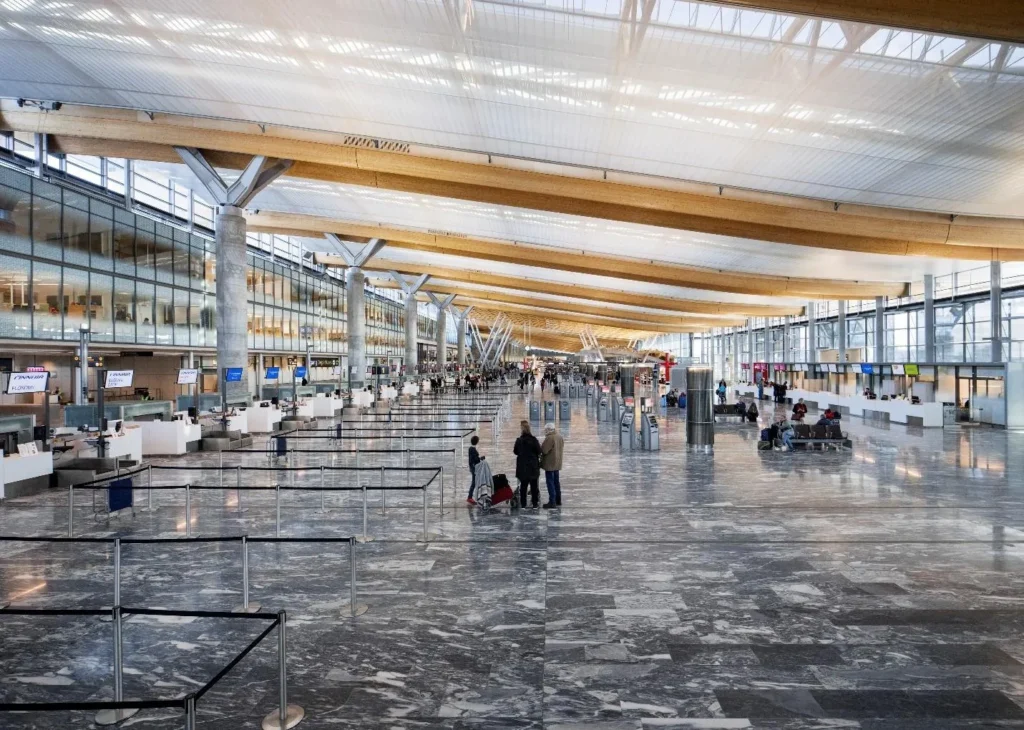
Heading anyplace new this summer? As summer travel brings you to new airports, it’s the perfect time to revisit this essay from Sameedha Mahajan: The airport as borderland: gateways for some, barriers for others.
Mahajan says, “Designing for these liminal spaces means tapping into their potential not just for streamlined travel, but also for sanctuary.”
This is the web version of The Observatory, our (now weekly) dispatch from the editors and contributors at Design Observer. Want it in your inbox? Sign up here. While you’re at it, come say hi on YouTube, Reddit, or Bluesky — and don’t miss the latest gigs on our Job Board.
Observed
View all
Observed
Share on Social


By Rachel Paese
 Rachel Paese is Design Observer’s Deputy Editor, and she loves giving curious people access to stories that change the way they see the world. It began with a major in English, and then evolved with a project that sharpened her editorial instincts the old-fashioned way: founding and leading her own multimedia magazine at the University of Kansas. After college, she carried that passion to education, helping students in Spain and Thailand think beyond their culture. Today, she brings that same spirit to Design Observer, working to connect readers with the people and ideas shaping a better future. Connect with her on LinkedIn, and ask her about her quest to sew her own wardrobe.
Related Posts
The Observatory Newsletter
Ellen McGirt
Who gets to decide where power begins and ends?
The Observatory Newsletter
Rachel Paese
You need an observation practice
Draw the Line
Audio
BONUS: Live from Essence Fest – The Work Gets Personal
Draw the Line
Audio
BONUS: Live from Essence Fest – The Accounting
Subscribe to The Observatory
Related Posts
The Observatory Newsletter
Ellen McGirt
Who gets to decide where power begins and ends?
The Observatory Newsletter
Rachel Paese
You need an observation practice
Draw the Line
Audio
BONUS: Live from Essence Fest – The Work Gets Personal
Draw the Line
Audio