


John Foster|Accidental Mysteries
March 10, 2013
Kodachrome Finds New Life
When young Fred Herzog selected Kodachrome slide film in 1953 as his choice for making photographs, he did it for two reasons: the intensity of the color which suited his eye, and affordability. Kodachrome had marvelous aesthetic attributes, but also a major drawback. The only way to make color prints with Kodachrome was to send the slide film to Kodak, an expensive and complicated process for even small prints, much less larger prints suitable for gallery display. But at age 23, Herzog didn’t care. What he cared about was “making pictures.” So Herzog kept his images safely stored as slides, and continued to shoot, caring more about the image he created than the fact that slides were a dead-end to the gallery scene.
Now 85 years of age, the elder Herzog has lived long enough for technology to catch up to the Kodachrome dilemma and allow him to share his work. That technology — archival digital ink jet printing — has zoomed past Herzog’s once dead-end Kodachrome slides for a new life. And that new life is beginning to explode within the connoisseurs and collectors of photography, thanks to Vancouver art dealer Andy Sylvester who was visionary enough to believe in him and exhibit his ink jet prints.
Read more about Fred Herzog’s work here in a comprehensive article by Timothy Taylor and see more of Herzog’s images at the Equinox Gallery in Vancouver.
All images © Fred Herzog
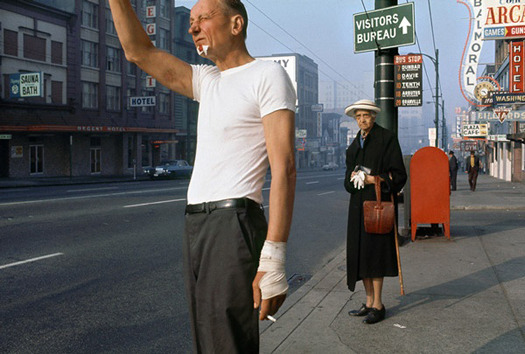
Man with Bandage
Ink Jet Print
20 x 29.5 in. image size
1968
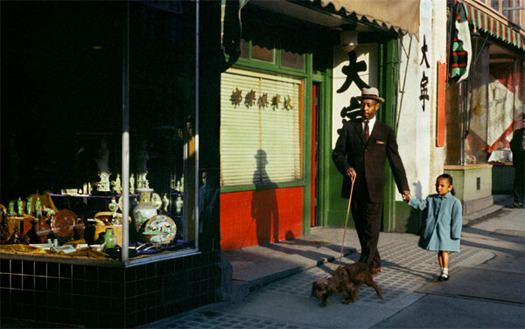
Black Man Pender
Ink Jet Print
19 x 30 in. image size
1958
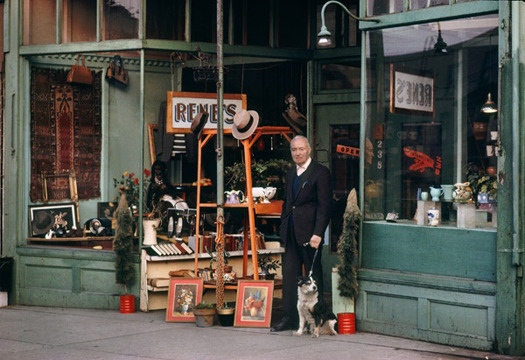
Rene’s
Ink Jet Print
20 x 29.25 in. image size
1964
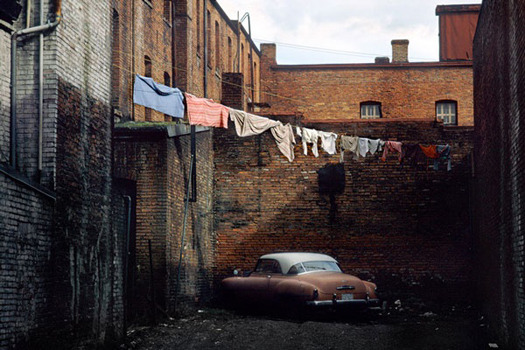
Victoria
Ink Jet Print
20 x 30 in. image size
1967
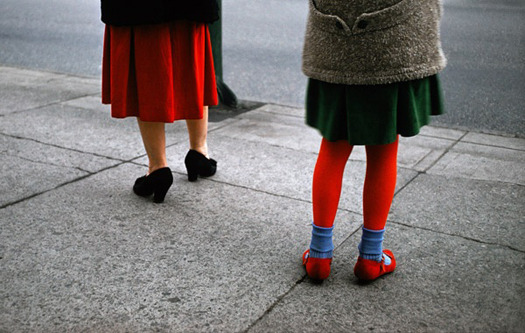
Red Stockings
Ink Jet Print
19 x 30 in. image size
1961
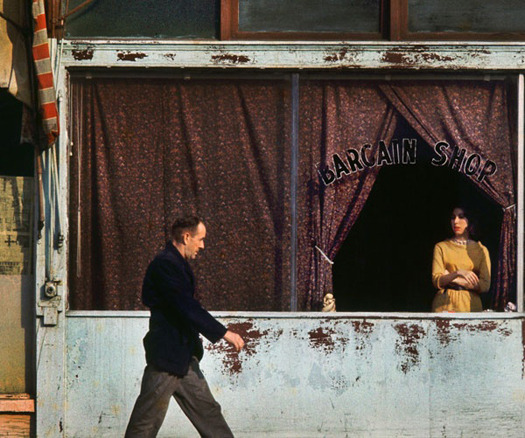
Bargain Shop
Ink Jet Print
20 x 24 in. image size
1962
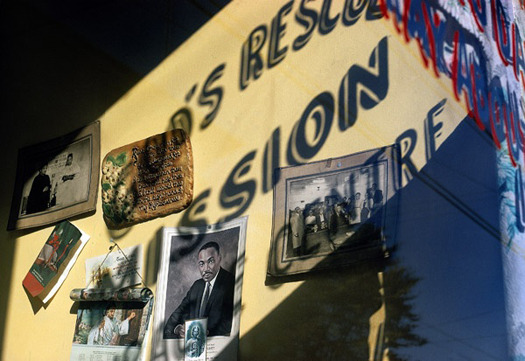
Martin Luther King
Ink Jet Print
20 x 30 in. image size
1970
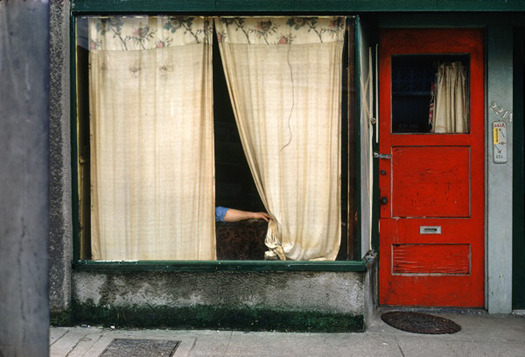
Curtains
Ink Jet Print
20 x 29.5 in. image size
1972
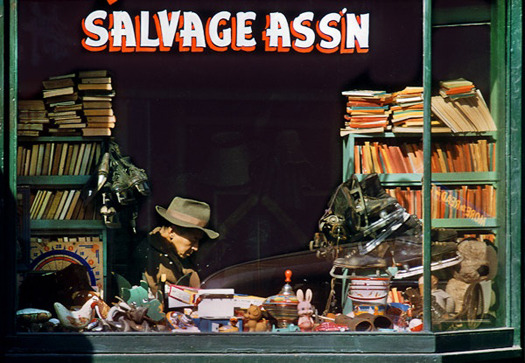
Salvage Ass’n
Ink Jet Print
20 x 29 in. image size
1958
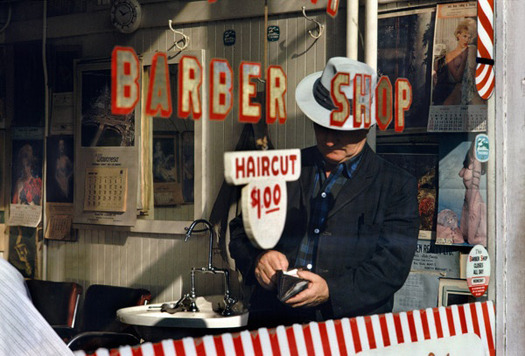
Barber
Ink Jet Print
20 x 29.5 in. image size
1967
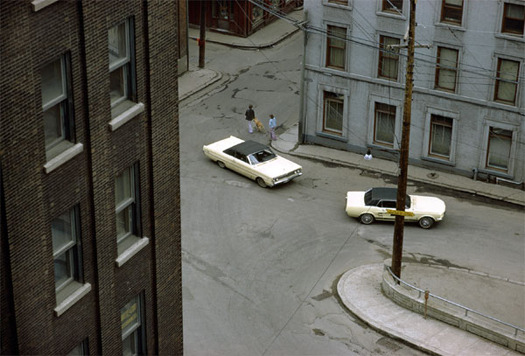
Two White Cars, Quebec City
Ink Jet Print
20 x 29.5 in. image size
1969
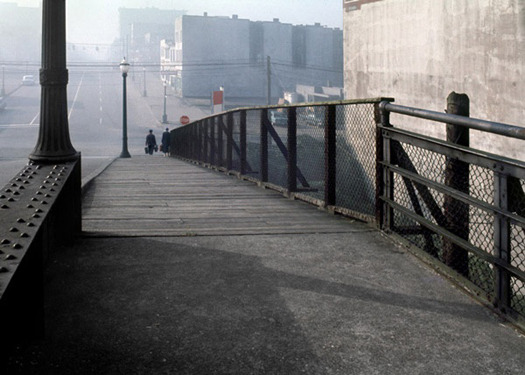
CN Bridge Main
Ink Jet Print
20 x 28 in. image size
1966
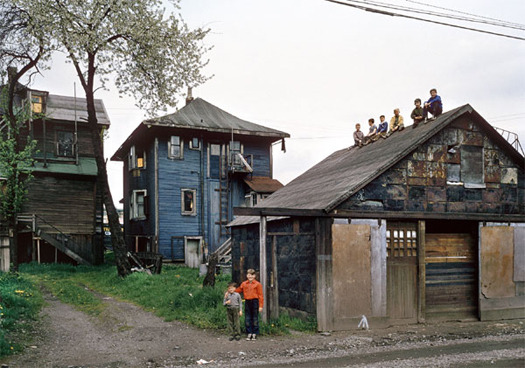
Boys on Shed
Ink Jet Print
20 x 28.5 in. image size
1962
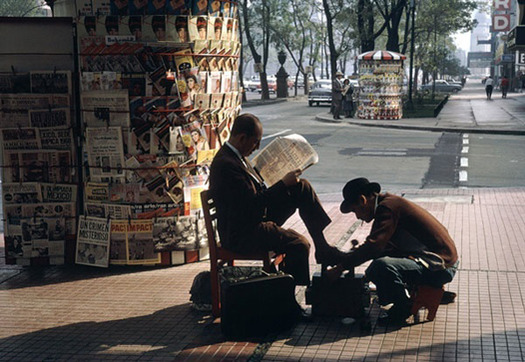
Mexico City Shoe Shine
Ink Jet Print
20 x 29 in. image size
1963
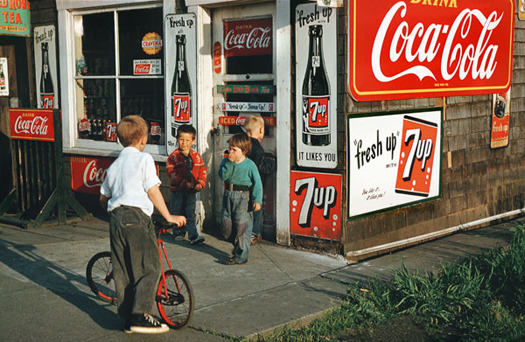
Bogners Grocery
Ink Jet Print
19.5 x 30 in. image size
1960
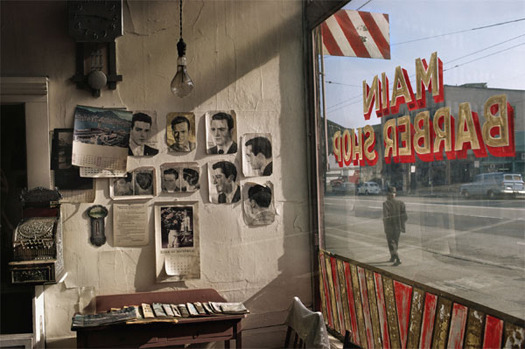
Main Barber
Ink Jet Print
12 x 18 in. image size
1968
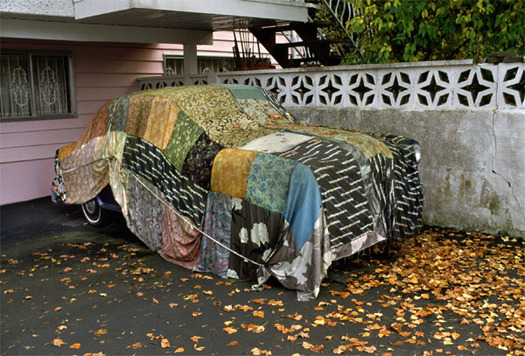
Isabella & Quilt
Ink Jet Print
20 x 29.5 in. image size
2000
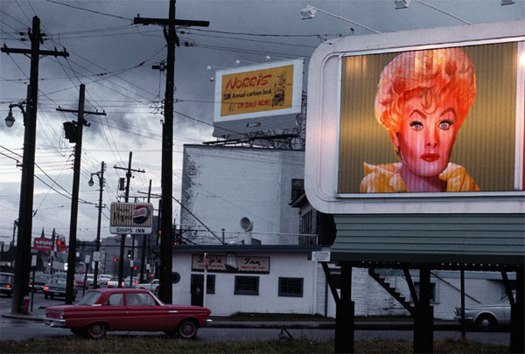
Lucy/Georgia
Ink Jet Print
20 x 29.5 in. image size
1968
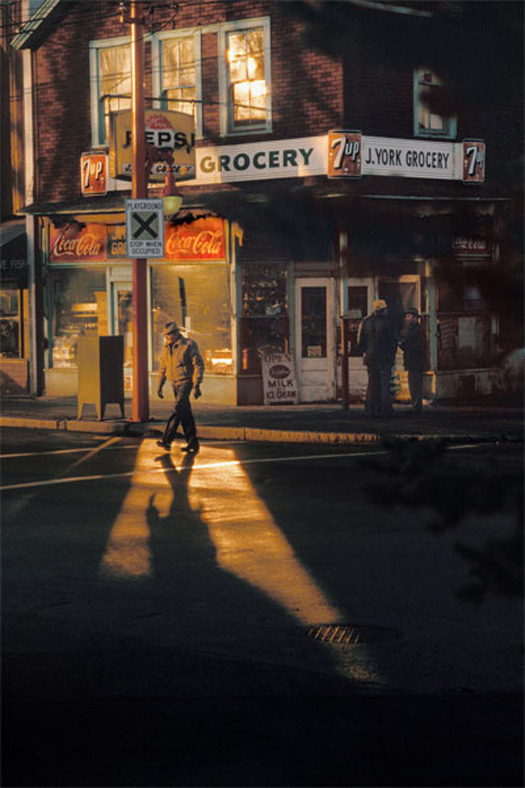
Crossing Powell
Ink Jet Print
30 x 20 in. image size
1984
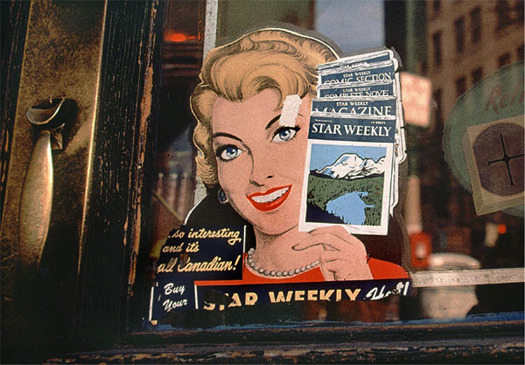
Star Weekly
Ink Jet Print
20 x 29 in. image size
1965
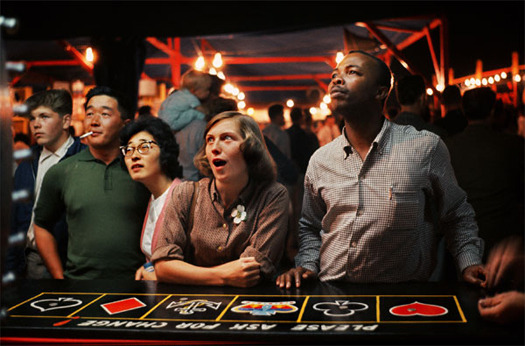
Jackpot
Ink Jet Print
20 x 30 in. image size
1961
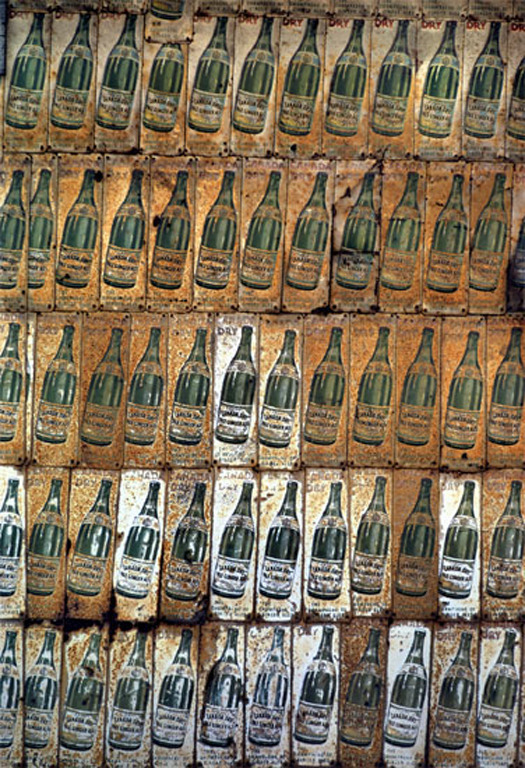
Canada Dry
Ink Jet Print
29.25 x 20 in. image size
1966
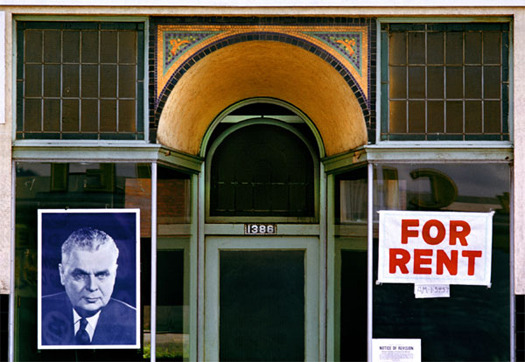
Diefenbaker
Ink Jet Print
20 x 29 in. image size
1962
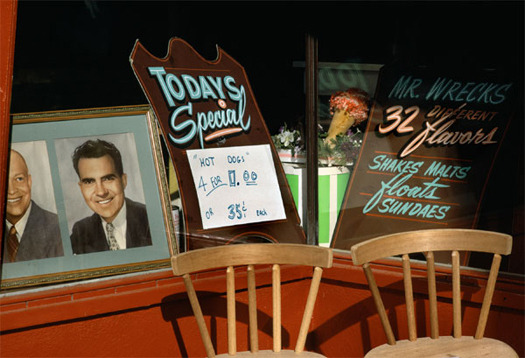
Eisie and Dick
Ink Jet Print
20 x 29.25 in. image size
1974
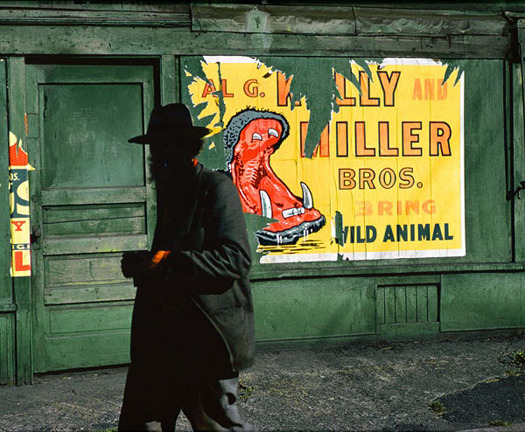
Wild Animal
Ink Jet Print
20 x 24.5 in. image size
1960
Observed
View all
Observed
Share on Social


By John Foster
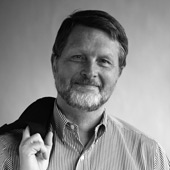 John Foster and his wife, Teenuh, have been longtime collectors of self-taught art and vernacular photography. Their collection of anonymous, found snapshots has toured the country for five years and has been featured in Harper’s, Newsweek Online and others.
Related Posts
Accidental Mysteries
John Foster|Accidental Mysteries
The Remarkable Mr. Deeds
.jpg)
John Foster|Accidental Mysteries
Doug Rickard: N. A.
Accidental Mysteries
John Foster|Accidental Mysteries
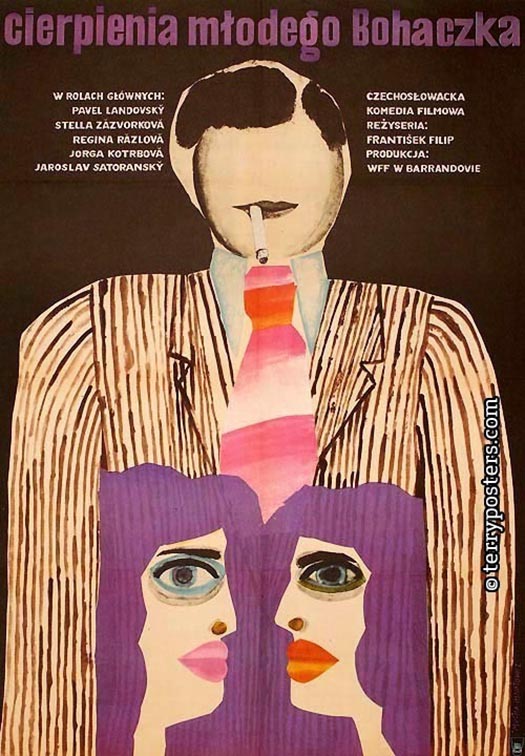
An Archive of Czech Film Posters
Accidental Mysteries
John Foster|Accidental Mysteries
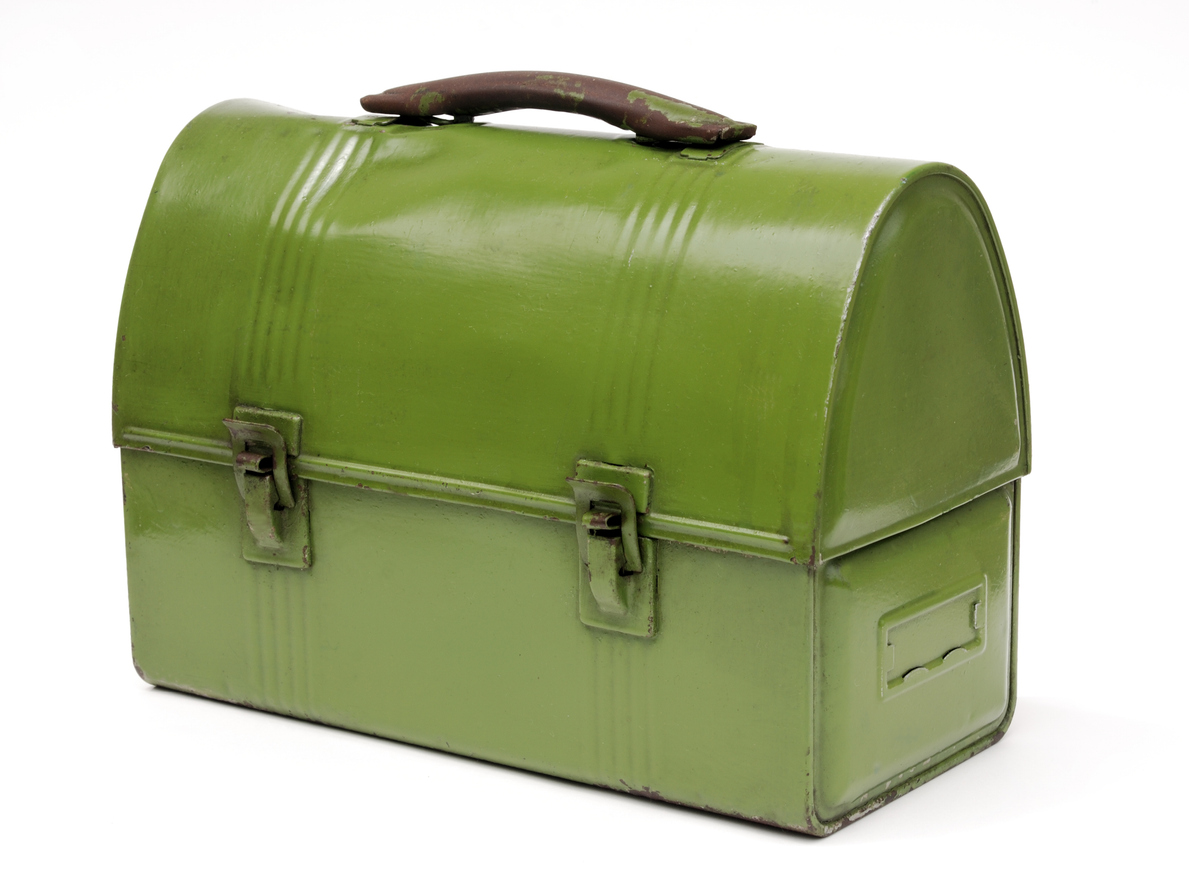
A Visual History of Lunchboxes
Related Posts
Accidental Mysteries
John Foster|Accidental Mysteries
The Remarkable Mr. Deeds
John Foster|Accidental Mysteries
Doug Rickard: N. A.
Accidental Mysteries
John Foster|Accidental Mysteries
An Archive of Czech Film Posters
Accidental Mysteries
John Foster|Accidental Mysteries