


January 13, 2026
Lessons in connoisseurship from the Golden Globes
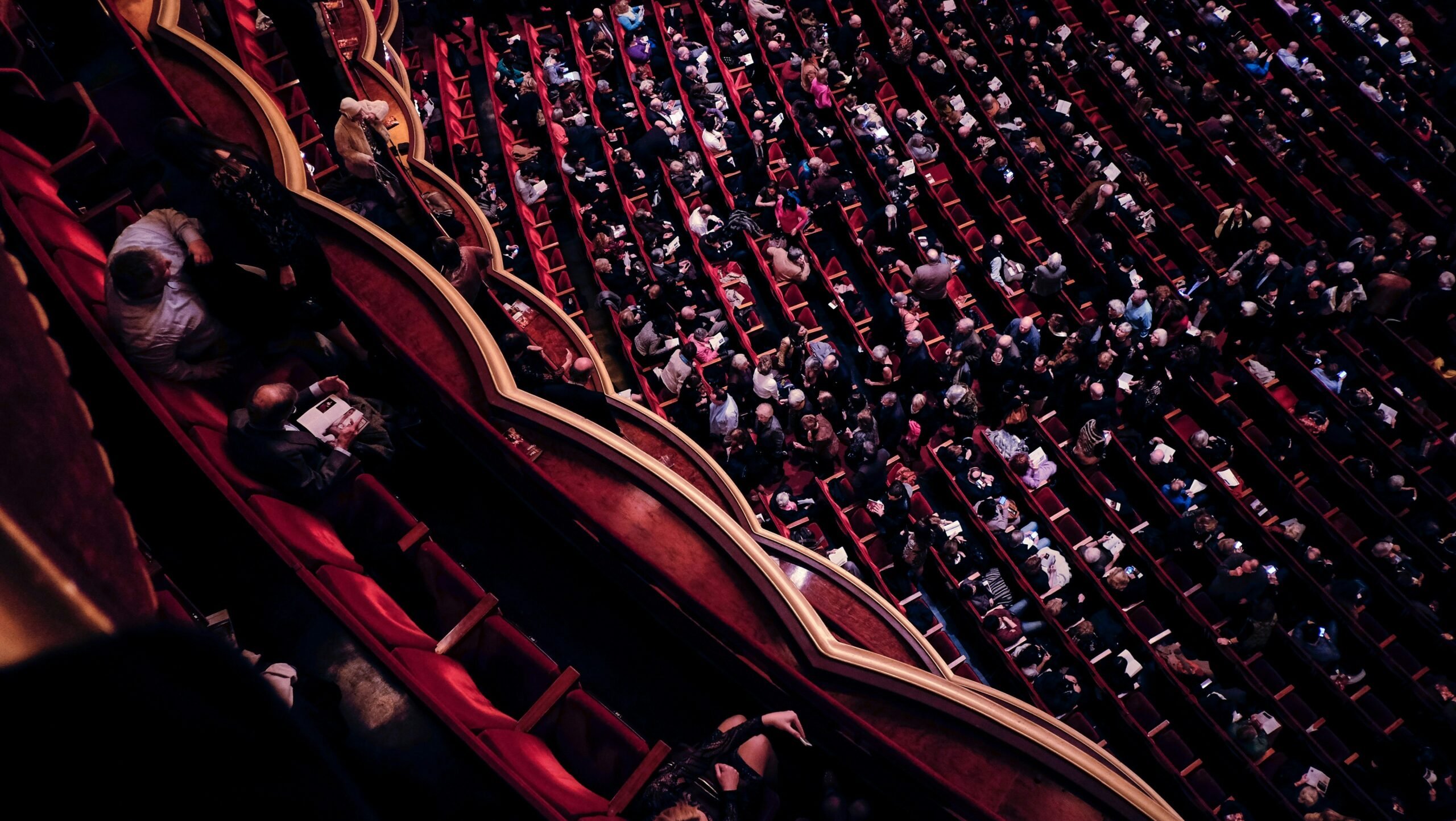
Are you a good audience member?
I tuned into the Golden Globes last night, which I don’t typically do. It felt a bit like a mini-vacation, some glitter, some gossip — and at times, a moving tribute to vision and craft. It was unexpectedly good for my reality-battered soul.
The entertainment industry is a famously ugly business, perpetually retrograde in the way it screens out certain people or preys on others. Yet, it continues to draw people to it, believing they can beat the odds to get their story made, their vision realized, the accolades they need, or the power they think they deserve.
The whole world increasingly feels like a famously ugly business now, and while makeup, glamour, and BBLs may not be the balm we need, attention to art may very well be.
We should become better audience members. It’s the best way to stay human.
Writer Fran Liebowitz once shared that one of the greatest lucky breaks in her career was writing for Interview magazine in the late 1970s and early ‘80s. The readership was largely gay, very opinionated, and deeply invested in culture. “This was the audience that formed my voice,” she says.
Liebowitz was also a front-row witness to the devastation of AIDS, which disproportionately affected gay men at first. Her lucky break took a tragic turn as she witnessed the cost to her audience and the culture in real time. Yes, many artists were lost in those early days, she says, but “They never talked about the audience that was lost.” The people who brought lively, discerning eyes to film, theater, dance, opera, books, and who made dinner parties and theater intermissions battlefields of thought. The people who understood what an artist was trying (or failing) to do.
“An audience with a high level of connoisseurship is as important to the culture as artists,” she says.
Connoisseurship requires context, which requires time, commitment, patience, openness, and, yes, some disposable income. All of that can be hard to manage. It is a slower path than blind fandom or the quest for influence. Critique invites debate, sometimes passionate, sometimes wrong, and that can be uncomfortable.
(For example, to me, the fact that Ryan Coogler’s Sinners — with its utterly original storytelling, bold visuals, breakthrough performances, and, my Lordt, that dance hall scene! — is not sweeping the awards season is a travesty to me.
Fight me. Come on! Let’s get into it. Teach me something I don’t know.)
I think Liebowitz is on to something here, more so because while the current decline of expert audience members is tragic in a wholly new way, it is completely preventable.
Most of the opinion pieces we’ve published in the last year point to art, craft, and the patient development of skill and discernment as the way not only to survive the age of AI but also to provide unassailable human value to work and life.
And while we can’t all dedicate our lives to the deep mastery of a particular type of form, we can, in our own ways, find artistry in our daily lives, find meaning in the work we do, and avail ourselves of the extraordinary output of people whose talent outpaces even their outsized ambition.
It may be counterintuitive advice that the way to get ahead these days is to stop vibe-coding for a hot second and challenge your attention span (and perspective) with an unfamiliar art form, but I’m convinced it’s the only way forward.
So, let’s make 2026 the year of the audience. Let’s fund the education programs that create them, let’s underwrite experimental art forms, and let’s commit to a steady diet of the kinds of “long form content” that people use up their precious lives to make.
Let the value compound. Let’s sit in seats, in the dark, and seek the light. Being human is hard; being human together is less so.
Ellen McGirt
Editor-in-Chief
Ellen@designobserver.com
P.S. Did someone who loves you send you this newsletter? Welcome! Subscribe here.
This edition of The Observatory was edited by Rachel Paese.
Big idea
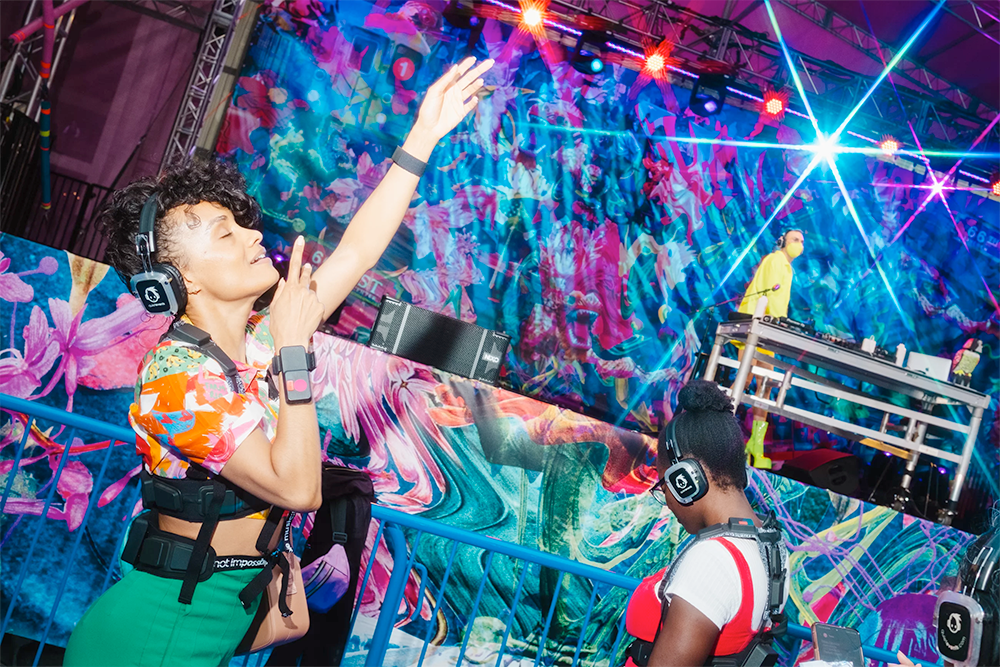
In our first-ever Design Observer 20, now former Lincoln Center CEO Henry Timms made the cut for his unwavering commitment to making fine arts accessible to all, and in turn, creating an entire new generation of good audience members.
“What we wanted to accomplish was the original vision of Lincoln Center — it was John D. Rockefeller who said that art should be for the many, not the privileged few, and should be in the heart of our lives,” he told Design Observer.
Under his leadership, the radically redesigned Lincoln Center became a beacon for inclusion, not just by blowing past traditional gatekeepers and expanding the scope and range of the performing arts. Some 34 new board members during his tenure; 45% are women, and 35% are BIPOC. A new executive team is more than half women and nearly half people of color. And the team launched a “Lincoln Center Fellows” program to identify and cultivate the next generation of diverse trustees for all constituents across campus, with a goal to fill 40 positions in three years. This kind of capacity building is just as important as diverse programming, Timms says.
Some fine print
Arts + Culture
Susan Morris|Cinema
Dorothy and friends: Top film festival docs spotlight the women who’ve shaped media
Just a click tick after the release of ‘Wicked: For Good,’ DO’s arts commentator curates the best new documentaries on women who’ve captivated us on stage and screen — including Dorothy Gale herself.
AI Observer
Lee Moreau|Critique
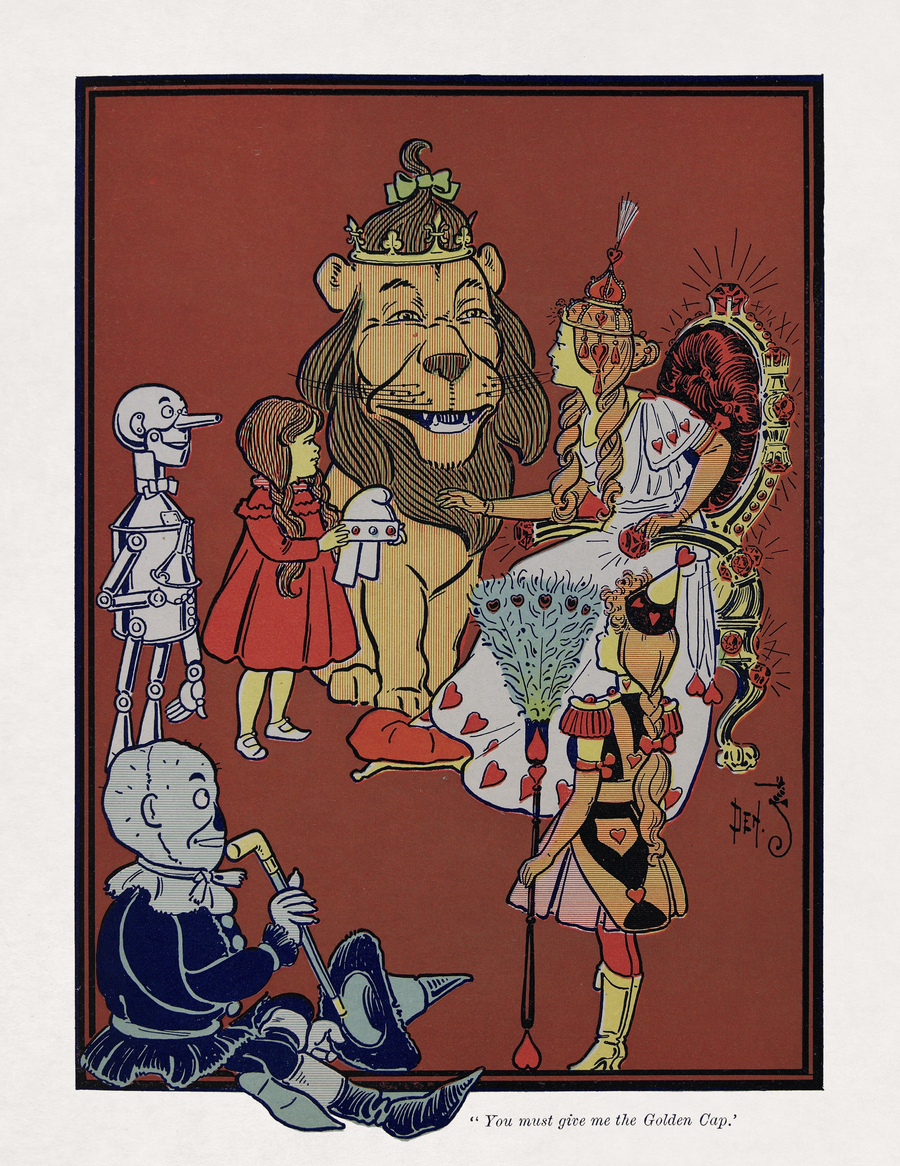
The Wizards of AI are sad and lonely men
Lee Moreau on AI, the loneliness of power, the danger of wizards, and the designer’s role in keeping hope alive.
Arts + Culture
Alexis Haut|Interviews
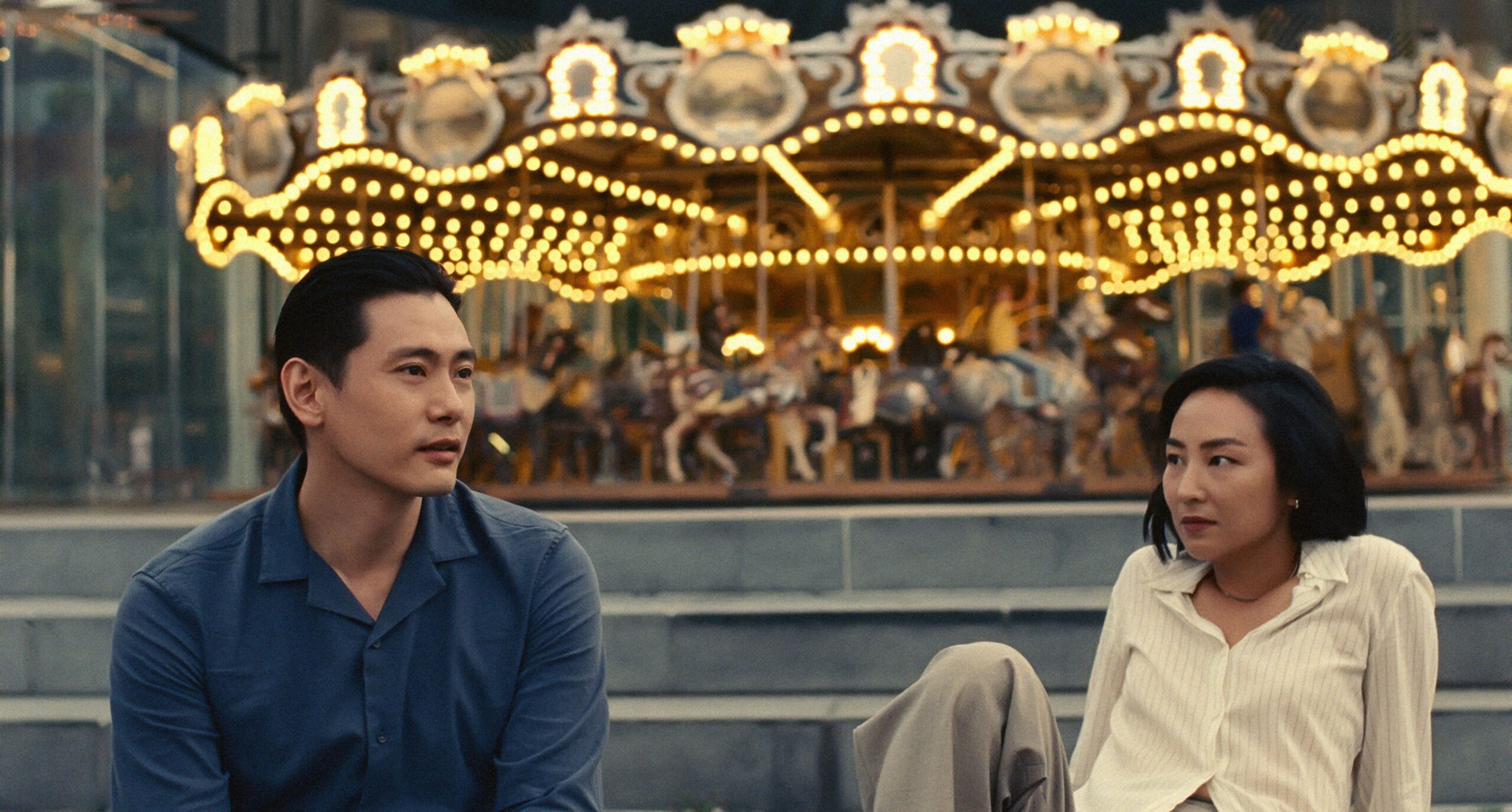
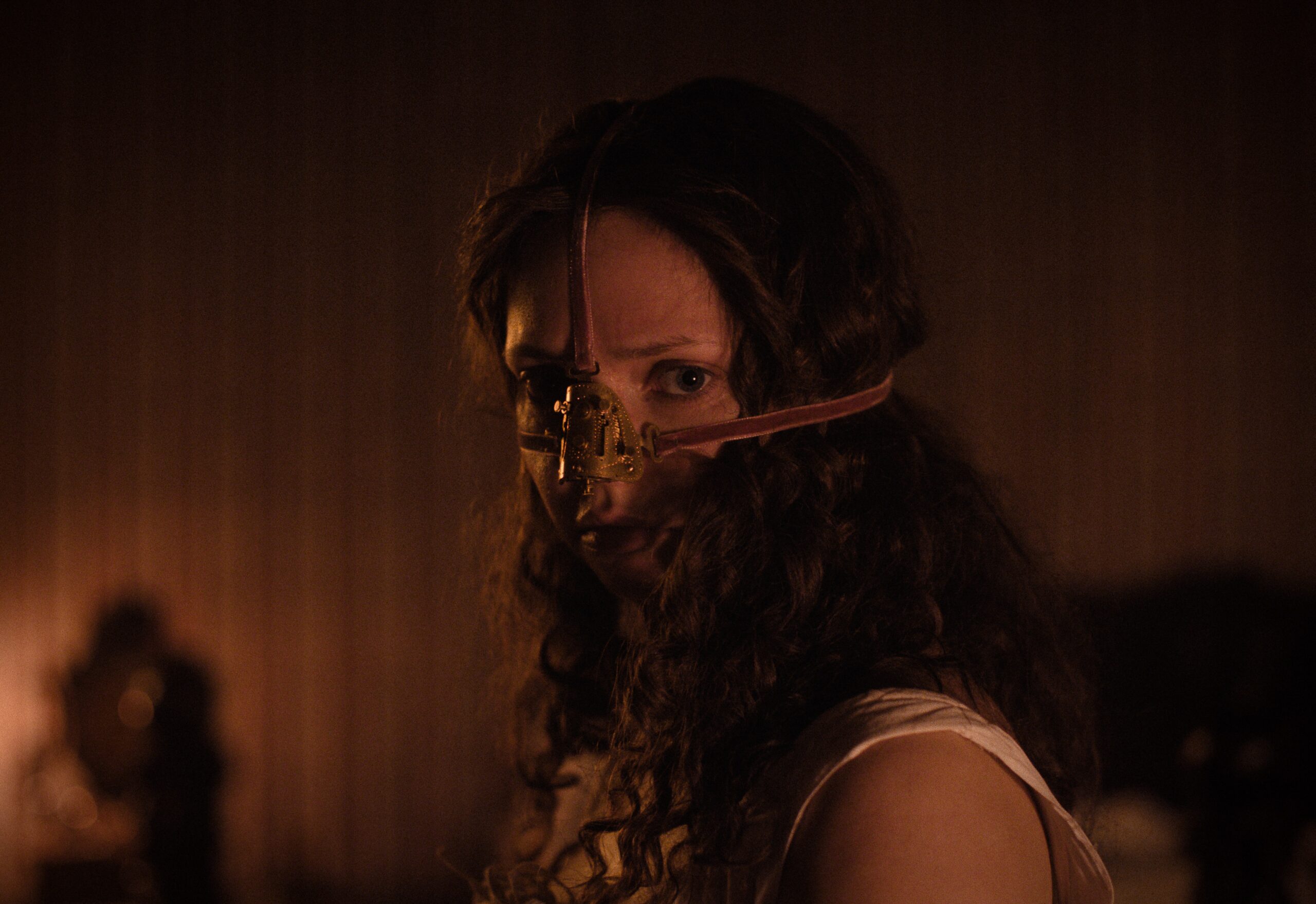
How production designer Grace Yun turned domestic spaces into horror in ‘Hereditary’ and heartache in ‘Past Lives’
Grace Yun, production designer of Hereditary and Past Lives, on how she builds worlds where fear, memory, and emotion take physical form.
Civic Life
Delaney Rebernik|Analysis
Mirror, mirror: The rise of ‘beauty horror’ amid today’s antifeminist backlash
With knockouts like “The Substance” and this year’s “The Ugly Stepsister,” the growing, woman-helmed subgenre stands 10 toes (give or take) down on its critiques of gender norms.
Observed
What are you observing? Tell us.
Beware the loopholes in poorly worded agreements. Or, why Trump can pretty much continue to make Greenland’s life a nightmare.
An updated list of every artist who has canceled a performance engagement at the Kennedy Center.
Vogue’s latest fashion statement is the Vogue Business People Moves Tracker, a running list of key executive openings and exits across beauty and fashion.
How many new architectural triumphs are coming 2026? Fifteen, says Dezeen, 11 according to CNN, ten “must-see” according to Hypebeast, and 14 as reported by the Architect’s Newspaper. (Worth the clicks.)
More than 350 staffers at the Musée du Louvre have walked off the job, citing concerns about infrastructure, working conditions, and demanding that plans for an expensive renovation must be scuttled. “No one has ever seen that level of tension in a national museum,” said a rep from the French Democratic Confederation of Labour (CFDT).
“Architecture, as we know it, is in crisis.” A confluence of factors, including economic and political instability, means that architects must recast themselves as mission-driven problem solvers. “It’s a tough time for construction and architects, but it can also be a time for innovation, from using unusual materials and unorthodox structural solutions, to how we work with clients and communities,” architects Nimi Attanayake and Tim O’Callaghan tell Dezeen.
Are the cyborgs finally coming? According to technofuturist experts polled by the BBC, here are the predictions for the tech “humans” will be using by 2050. (No more traffic jams sounds nice.)
Google Sans is now open source. It is one of the most served fonts on the internet, with about 120 billion font requests a month. Creativebloq charts its evolution from Product Sans, based on the Google logo, to current, more flexible versions that also support non-Latin scripts.
The UK has its first video game archive, thanks to the Sheffield-based National Videogame Museum. ‘Behind the Screens’ is a new venture supported by the British Film Institute’s Screen Heritage Fund, which aims to preserve games as cultural assets and to understand and document the role of games in players’ lives.
A primordial kindergarten, shaped by the spirit of the place and the emotions of the child. Kinder Rain Kindergarten in Piove di Sacco, Italy, uses the traditional thatched dwellings of farmers and fishermen as an initial reference.
A unique video game design curriculum is giving high school kids a leg up in the industry. Culver City High School in California offers students a design studio experience and emphasizes both technical skills and teamwork.
Final Fantasy designer Toshiyuki Itahana is leaving Square Enix after over 25 years at the company. “Last year marked a major milestone with the 25th anniversary of Final Fantasy 9, a truly significant event,” he wrote in his farewell note. “With the illustration work and supervision related to the 25th anniversary now complete, I feel a strong sense of accomplishment in having fulfilled the role entrusted to me.” More about Final Fantasy here.
Save the date: The Green Building Alliance is hosting a free, virtual roundtable, “Restoring and Renovating Buildings with C-PACE Financing” on January 13, 2026, from 1 to 2:30 p.m. The event will focus on Commercial Property Assessed Clean Energy (C-PACE), a financing program designed to help commercial property owners complete energy-related upgrades with little or no upfront cost. Register here.
Job board
Designer at Pandiscio Green, New York, NY
Art Director at Pandiscio Green, New York, NY
Assistant/Associate Professor (Lecturer), Physical
Product Design at University of Utah, Salt Lake City, UT
Assistant/Associate Professor, Product Design (Physical and Digital) at University of Utah, Salt Lake City, UT
Product Designer at CURiO Brands, Starkville, MS (and Minneapolis, MN)
Junior Industrial Designer at Tramontina USA, Inc., Sugar Land, TX
Dean of the USC Iovine and Young Academy at University of Southern California, Los Angeles, CA
Interior Designer at PMCK Energy and Water Consulting, LLC., Las Vegas, NV
(END OF SCENE)
For your next audience member assignment: “That dance hall scene!” from Sinners.
And for more on horror, click around our recent series, The Design of Horror | The Horror of Design.
More like this:

The Observatory Newsletter
Ellen McGirt|Holiday Gift Guide
Visions of sugar-plums
A year-end reflection on design’s evolving role—plus a thoughtful holiday gift guide featuring books to inspire curiosity, craft, and creative leadership.

The Built World
Ellen McGirt
Dispatches from Design Week in Hong Kong
A necessary reminder of the role that design, and designers, must play in building a better world.
The Observatory Newsletter
Ellen McGirt
“I don’t think writers are sacred, but words are.”
Honoring Tom Stoppard, the master of language and ideas whose six-decade career offers designers and creators a model for courage, curiosity, and craft.
Observed
View all
Observed
Share on Social


By Ellen McGirt
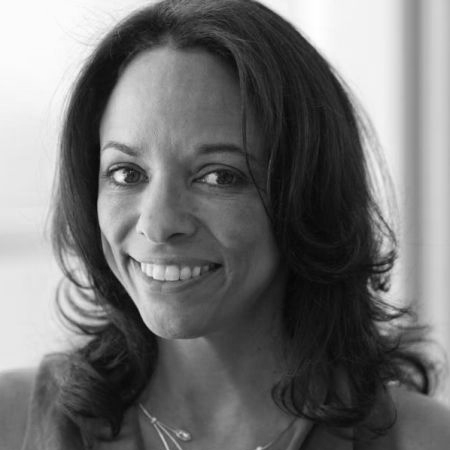 Ellen McGirt is an author, podcaster, speaker, community builder, and award-winning business journalist. She is the editor-in-chief of Design Observer, a media company that has maintained the same clear vision for more than two decades: to expand the definition of design in service of a better world. Ellen established the inclusive leadership beat at Fortune in 2016 with raceAhead, an award-winning newsletter on race, culture, and business. The Fortune, Time, Money, and Fast Company alumna has published over twenty magazine cover stories throughout her twenty-year career, exploring the people and ideas changing business for good. Ask her about fly fishing if you get the chance.
Related Posts
AI Observer
David Z. Morris|Analysis
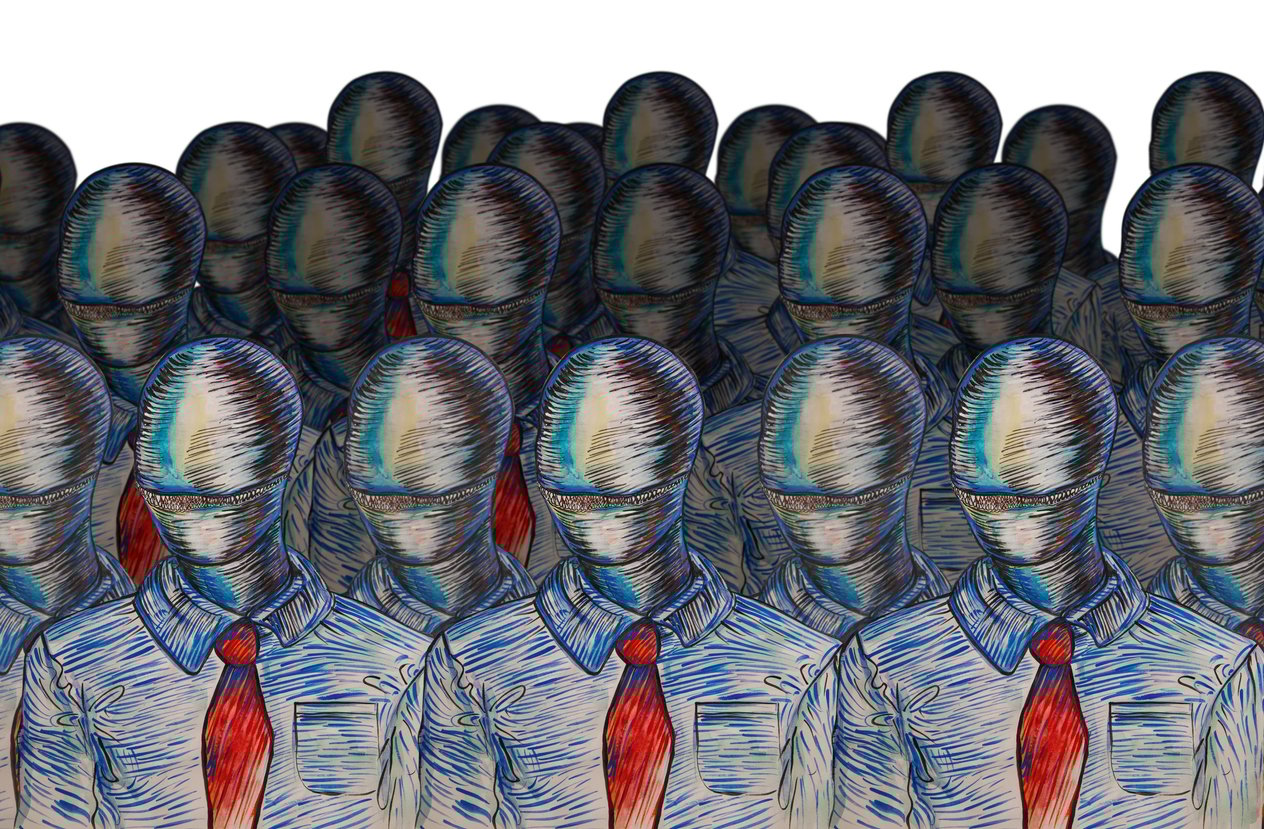
“Suddenly everyone’s life got a lot more similar”: AI isn’t just imitating creativity, it’s homogenizing thinking
AI Observer
Stephen Mackintosh|Analysis
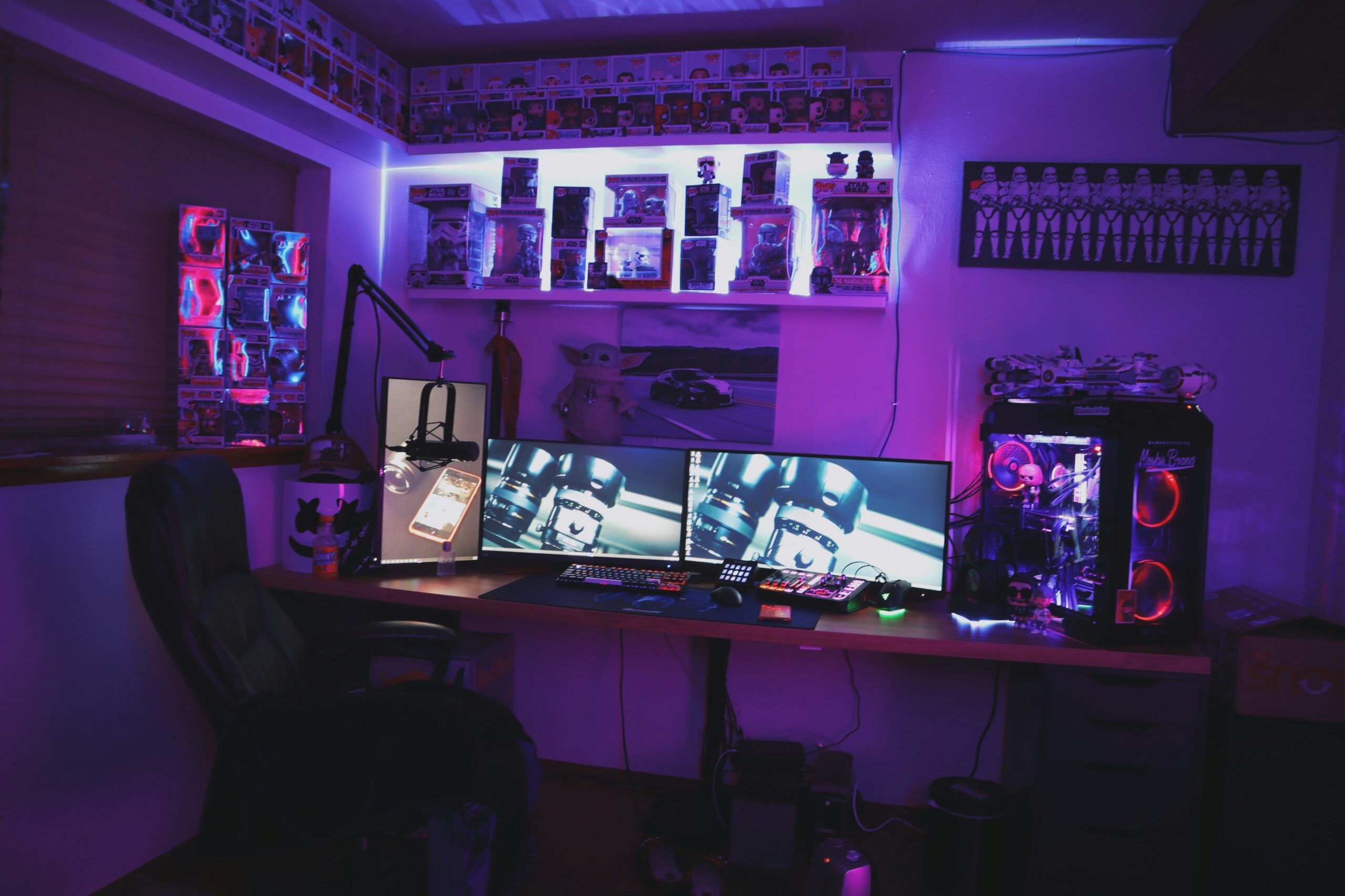
Synthetic ‘Vtubers’ rock Twitch: three gaming creators on what it means to livestream in the age of genAI

AI Observer
Raphael Tsavkko Garcia|Analysis
AI actress Tilly Norwood ignites Hollywood debate on automation vs. authenticity

Arts + Culture
Dylan Fugel|Analysis
“I’d rather be a pig”: Amid fascism and a reckless AI arms race, Ghibli anti-war opus ‘Porco Rosso’ matters now more than ever
Recent Posts
Lessons in connoisseurship from the Golden Globes “Suddenly everyone’s life got a lot more similar”: AI isn’t just imitating creativity, it’s homogenizing thinking Synthetic ‘Vtubers’ rock Twitch: three gaming creators on what it means to livestream in the age of genAIRaphael Tsavkko Garcia|Analysis
AI actress Tilly Norwood ignites Hollywood debate on automation vs. authenticityRelated Posts
AI Observer
David Z. Morris|Analysis
“Suddenly everyone’s life got a lot more similar”: AI isn’t just imitating creativity, it’s homogenizing thinking
AI Observer
Stephen Mackintosh|Analysis
Synthetic ‘Vtubers’ rock Twitch: three gaming creators on what it means to livestream in the age of genAI
AI Observer
Raphael Tsavkko Garcia|Analysis
AI actress Tilly Norwood ignites Hollywood debate on automation vs. authenticity
Arts + Culture
Dylan Fugel|Analysis