


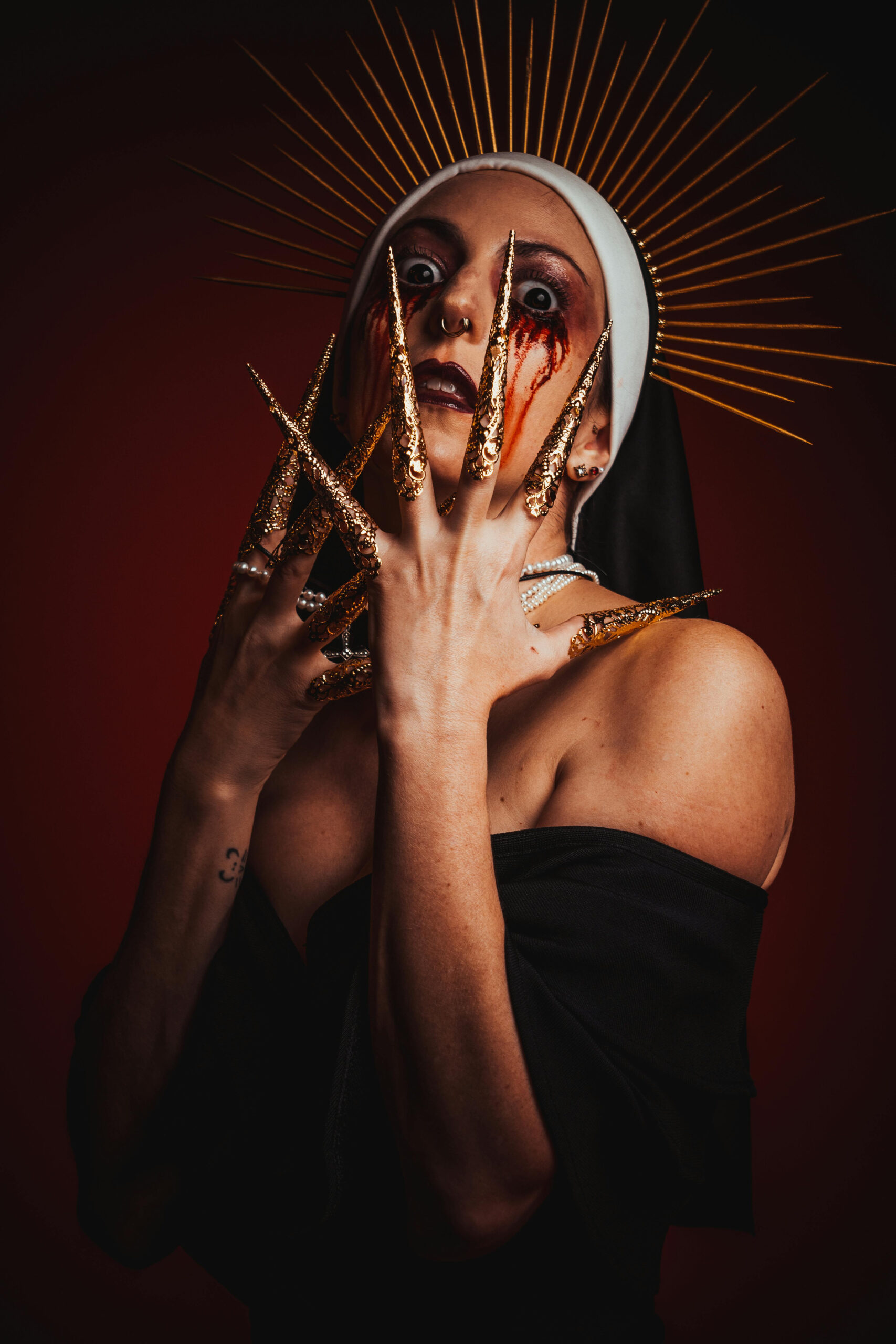
Delaney Rebernik|Fresh Ink, The Design of Horror | The Horror of Design
October 16, 2025
The Design of Horror | The Horror of Design: a series
This October, we plumb the depths of horrific design and designed horrors. Welcome to Hell.
As a dark coper, I’ve long used horror to make sense of life’s trials and better understand the world around me. Boy, am I leaning on the genre a lot this year.
Payton McCarty-Simas, too. “When I’m sad, I’ll watch Audition,” the film critic and scholar of cinematic American witches told me in a recent conversation, referring to the 1999 Japanese horror film notorious for its shocking final sequence. “But when I want to be really afraid, I’ll watch 50 First Dates.” (They describe the horrific aspects of the supposed romcom here.)
“Women undergo the daily terrors of misogyny in such a casual way where, you know, you’re walking home, you’re going to have your keys in your hand just in case. Horror is an excellent kind of preparatory measure and cathartic expression of those same fears for women,” McCarty-Simas says. “It speaks to the kinds of repression that women are forced to do since birth, the way we’re socialized to be docile. Horror is an excellent rejection of that.”
And the recent spate of women-helmed horror films is really rejecting that docility, as I discuss in my reported essay kicking off Design Observer’s October-long coverage of horror and design’s spiky intersection. The piece centers The Ugly Stepsister (2025), Norwegian filmmaker Emilie Blichfeldt’s debut feature reimagining Cinderella from the titular ugly stepsister’s POV. The work is a pivotal entry to the burgeoning “beauty horror” subgenre, which took off last year thanks to The Substance.
As reproductive rights are rolled back and tradwife content surges, beauty horror riffs on the truism that “beauty is pain.” It’s a fitting moniker for a body of work exploring, with visceral acuity, the fraught, often ugly reality of being a woman in a body.
And yes, Blichfeldt’s film visualizes — in painful detail — that toe-cutting scene from the Grimm brothers’ folktale version of Cinderella.
For many, such depictions, though graphic, are healing.
“You know, that badness used to be mine, and I only [felt] that badness in myself, inside me, but now it’s out there, I can actually see it, and [e]verybody can see it all together,” So Yeon Leem, PhD, assistant professor at Dong-A University in Busan, South Korea, told me of her experience watching The Ugly Stepsister. Leem researches the intersection of gender, ethics, and technology, and has documented her experience undergoing an elective “two-jaw surgery,” which is popular in South Korea, she says, because it creates a balanced, youthful V-curvature in the face, and makes professionals in certain industries more competitive in the job market. “A small jaw is not intimidating compared to a big jaw,” she explains. “You don’t want to intimidate, especially men, if you are a woman. … [You] shouldn’t look too strong.”
Leem is in good company. As I note in my piece, the “forever-35 face” is in vogue, thanks to luxury facelifts priced upward of $200,000. Globally, nearly 38 million aesthetic procedures were performed in 2024 — a 40% increase from 2020, says the International Society of Aesthetic Plastic Surgery.
Aside from femme bodies, this aesthetic also informs the design of traditionally female spaces, according to the design thinkers and workers you’ll hear from throughout October.
In her pitch about “the horror of surfaces that refuse to age,” writer, historian, and psychotherapist Elizabeth Dyer, PhD, argued that “after” shots of transformations ranging from facelifts to kitchen remodels “are less about beauty or function than about disciplining surfaces that are femme-coded, never allowed to look as though they have worked.”
You’ll read Dyer’s full piece later this month. You’ll also hear from Sithara Ranasinghe about “the lethal history of culinary pigments that turned dinner parties into death scenes,” and from Madison Jamar on the dinner table itself as a centerpiece around which middle- to upper-class families “engage jovially or impress” that can turn sinister if conventions are not strictly upheld.
You’ll learn about a widening range of design and art horrors, too, like the occult imagery in rap music, the visual language of preppers, the afterlife of souvenirs, and a weed-fueled haunted house visit that launched one photographer’s career.
I hope this coverage, curated below as it publishes, sends a chill down your spine — that tell-tale tingle of fearsome anxious ugly beautiful excitement that’s the lifeblood of any creative.
Delaney Rebernik
Executive Editor
delaney@designobserver.com
Fresh meat: latest contributions
Civic Life
Delaney Rebernik|Analysis
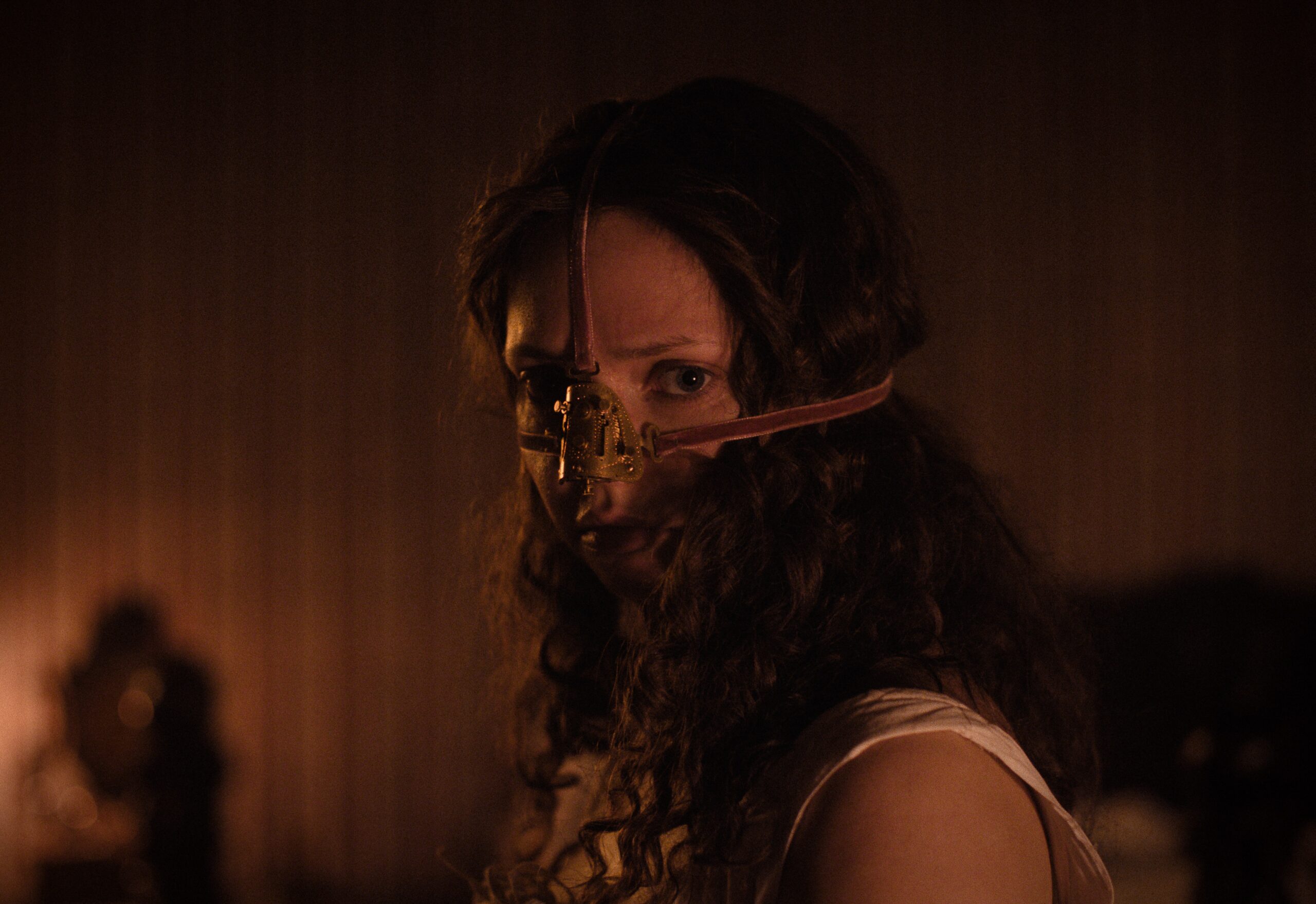
Mirror, mirror: The rise of ‘beauty horror’ amid today’s antifeminist backlash
With knockouts like “The Substance” and this year’s “The Ugly Stepsister,” the growing, woman-helmed subgenre stands 10 toes (give or take) down on its critiques of gender norms.
History
Madison Jamar|Analysis
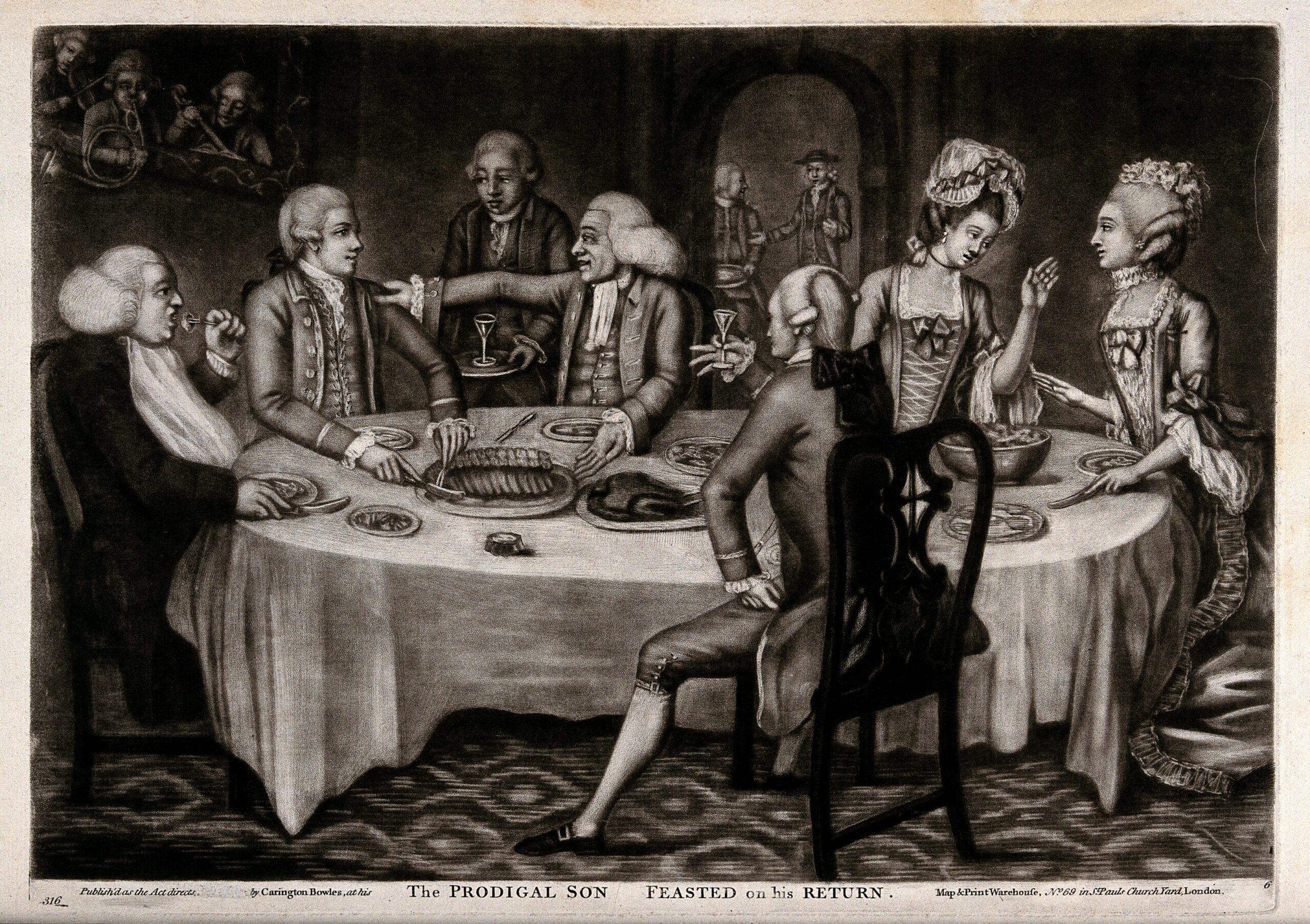
Dread for dinner: class anxiety is best served at the formal dining table
Even the strictest adherence to social norms can’t save the fractured families in ‘Hereditary,’ ‘The Invitation,’ and ‘Who’s Afraid of Virginia Woolf?’ from the perils that abound around the table.
Education
The Editors|Books
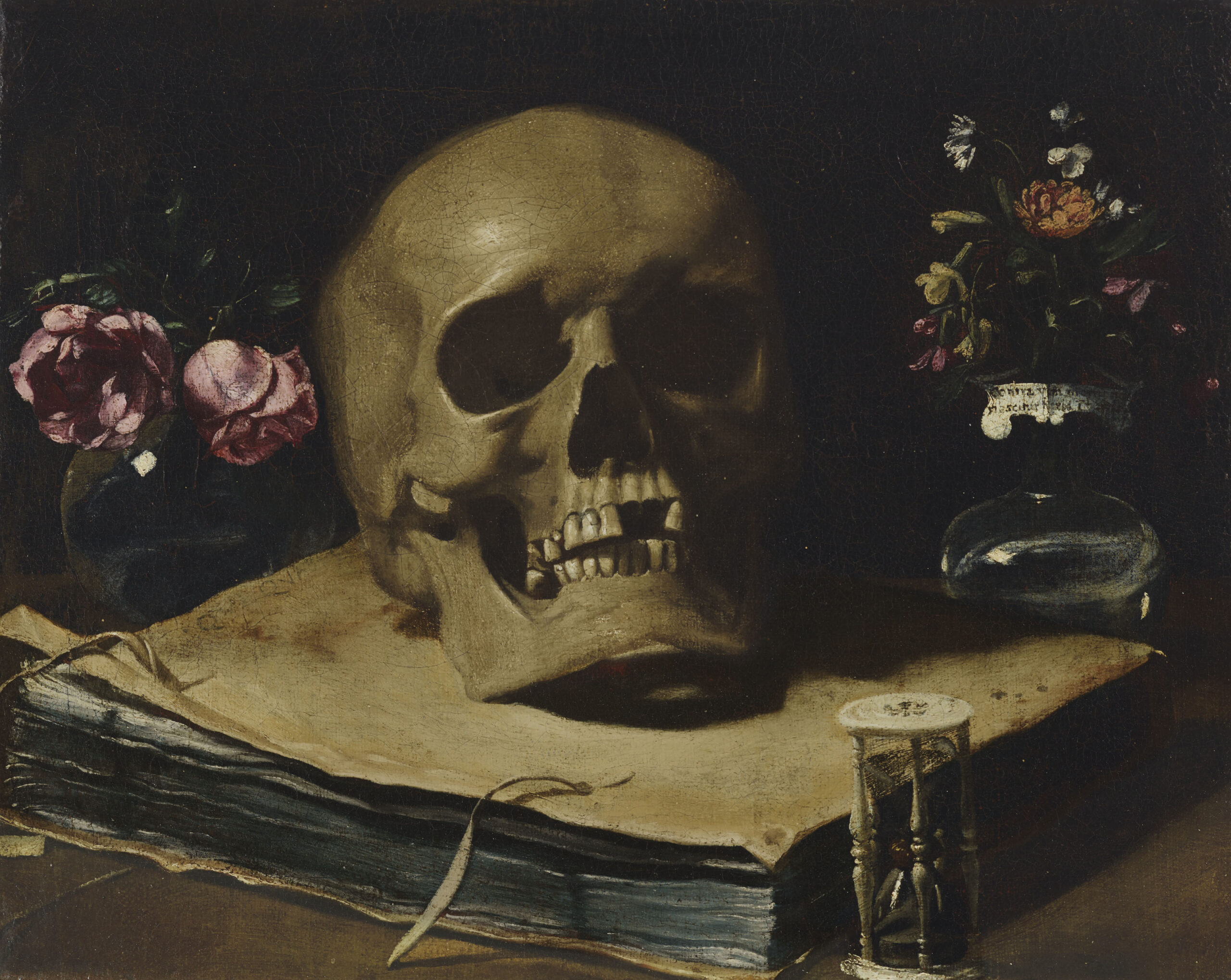
Your October reading list: The Design of Horror | The Horror of Design
A classic ghost story wrought with a faulty foundation. Bodies untamed and unethically built. Collapse through designs unfurled or too tightly wound. A meditation on the meaning of truly blank space.
Design Impact
Sanaphay Rattanavong|Design and Climate Change
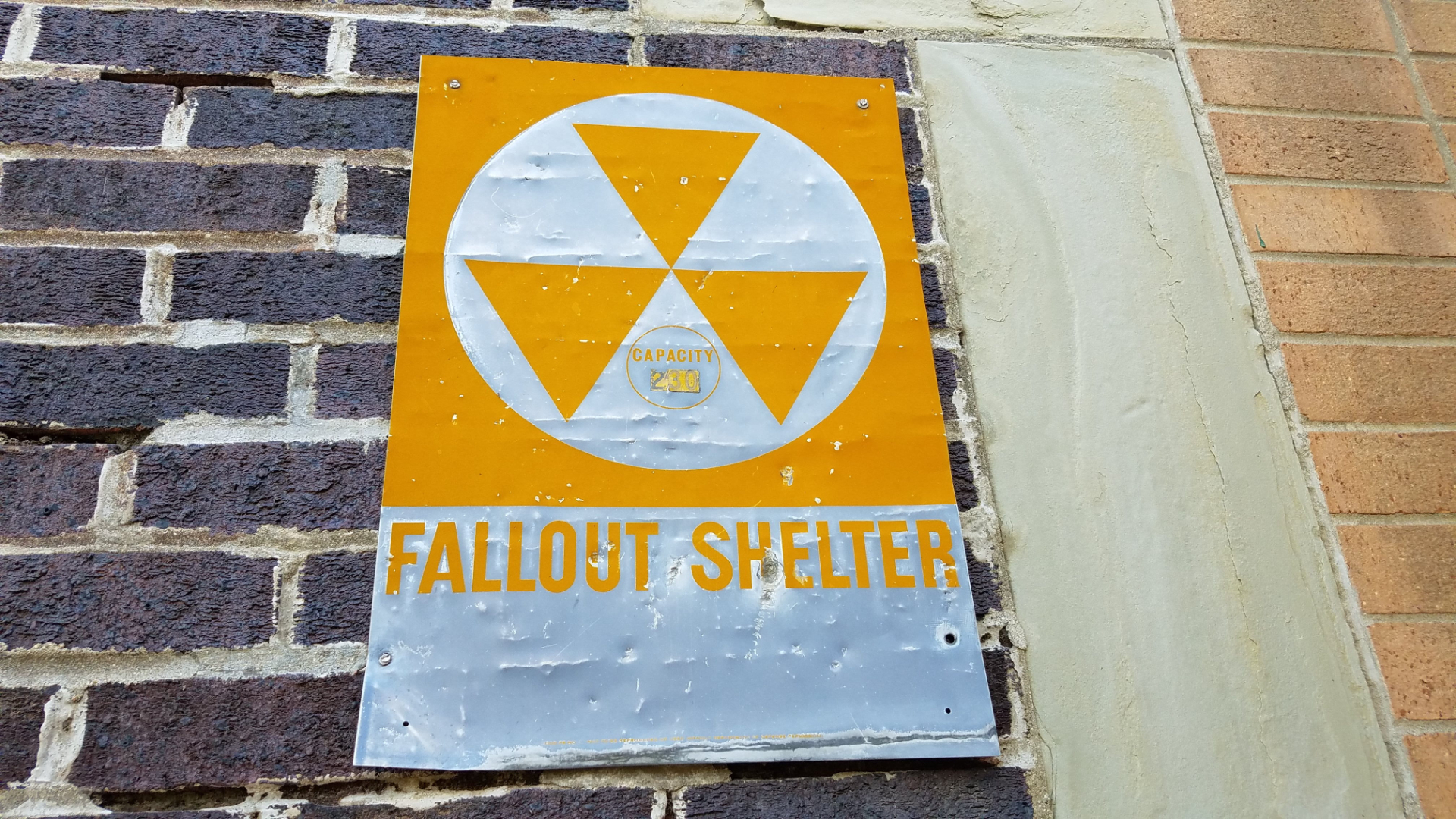
The prepper’s palette: designing for collapse in a culture of control
From bunkers to backpacks, the visual language of doomsday prepping is designed for social dissolution. But when disaster strikes, it’s not the trappings of rugged individualism that will save us; it’s radical interdependence.
Arts + Culture
Yahia Lababidi|Essays
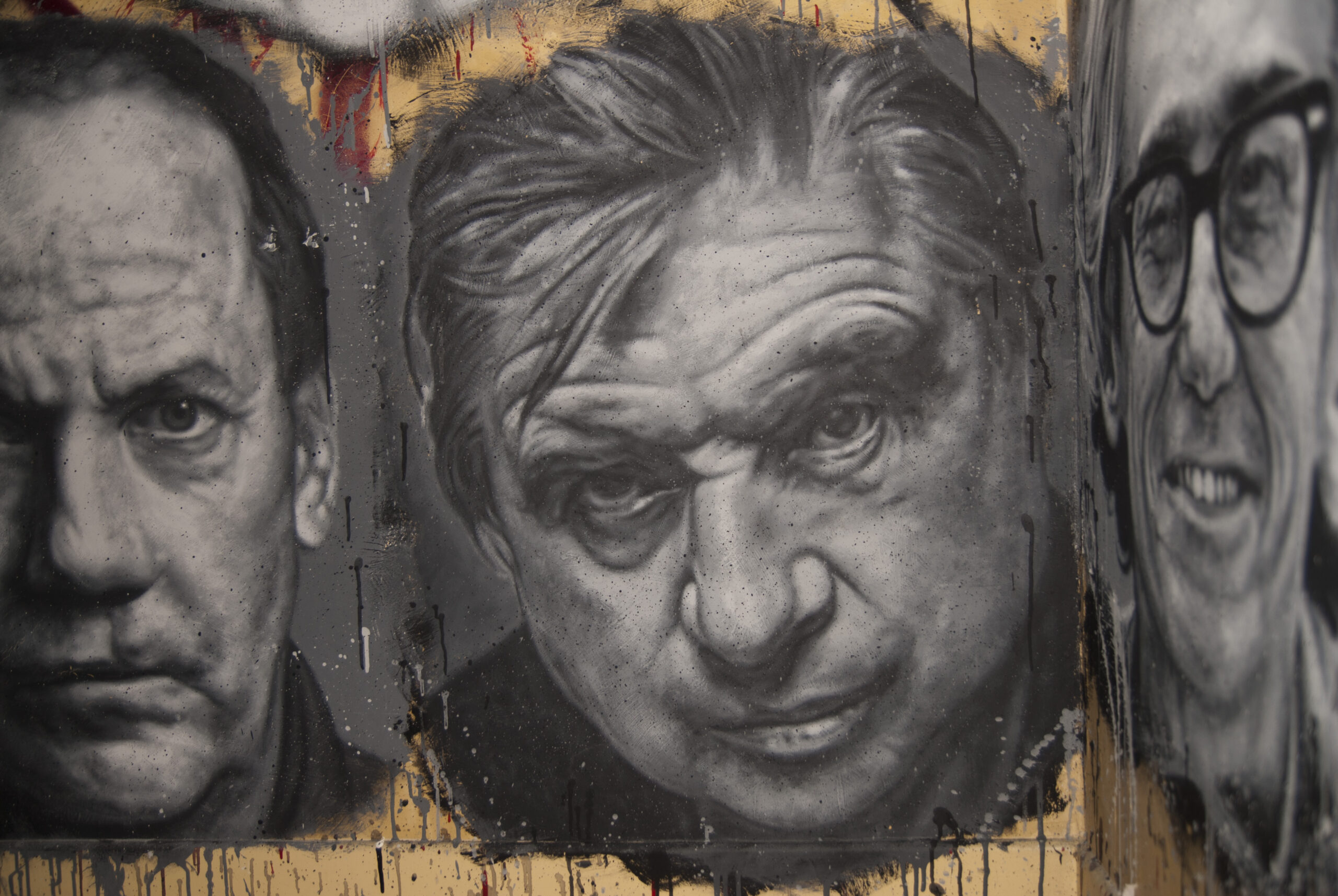
‘The museum-going cannibal:’ On Francis Bacon
On the heels of this month’s Louvre heist, a poet reflects on his own hellish — and oddly heartening — encounter at a famed museum.

Music
John Morrison|Analysis
‘6 Feet Deep:’ the hidden history of horror and occult imagery in rap music
From the satanic imagery of Memphis mixtapes in the 90s to the devilish aesthetic of contemporary acts like Doja Cat and Lil Nas X, rap artists have long used horror iconography to expose society’s seedy underbelly.
Architecture
Bruce Miller|Essays
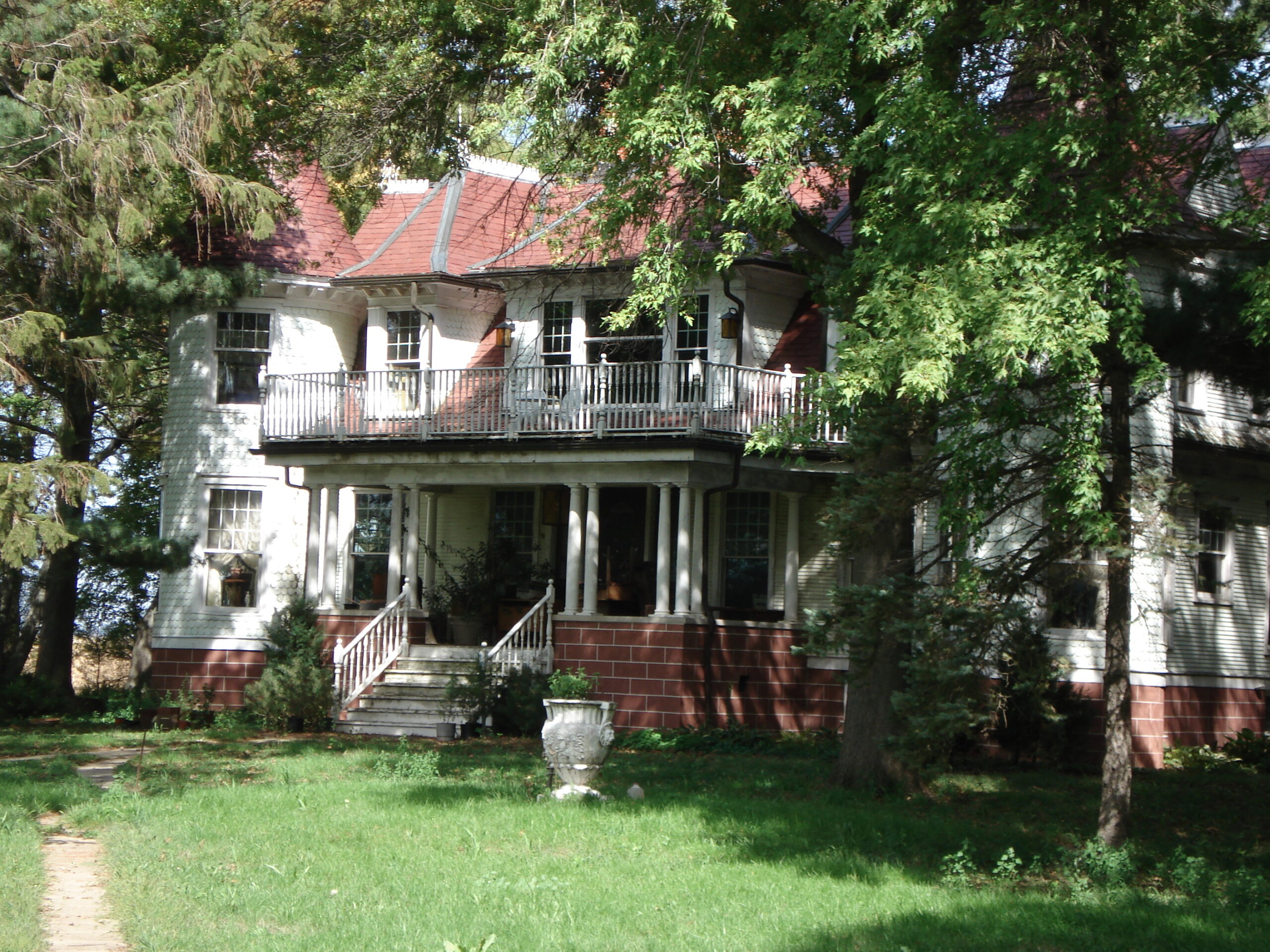
A haunting on the prairie
An adman recounts the ghostly encounter that’s haunted him for half a century.
Arts + Culture
Alexis Haut|Interviews
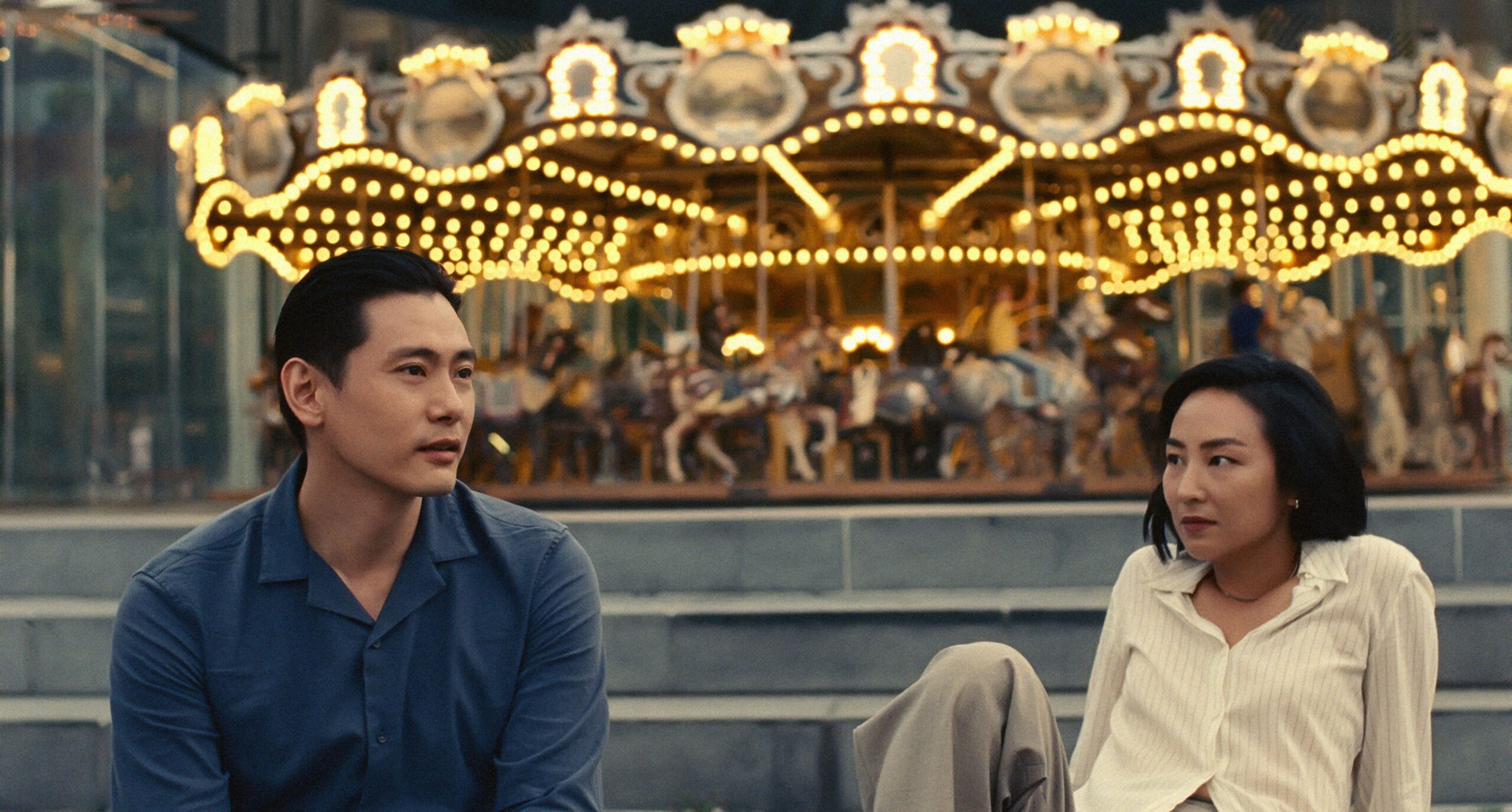
How production designer Grace Yun turned domestic spaces into horror in ‘Hereditary’ and heartache in ‘Past Lives’
Grace Yun, production designer of Hereditary and Past Lives, on how she builds worlds where fear, memory, and emotion take physical form.
Business
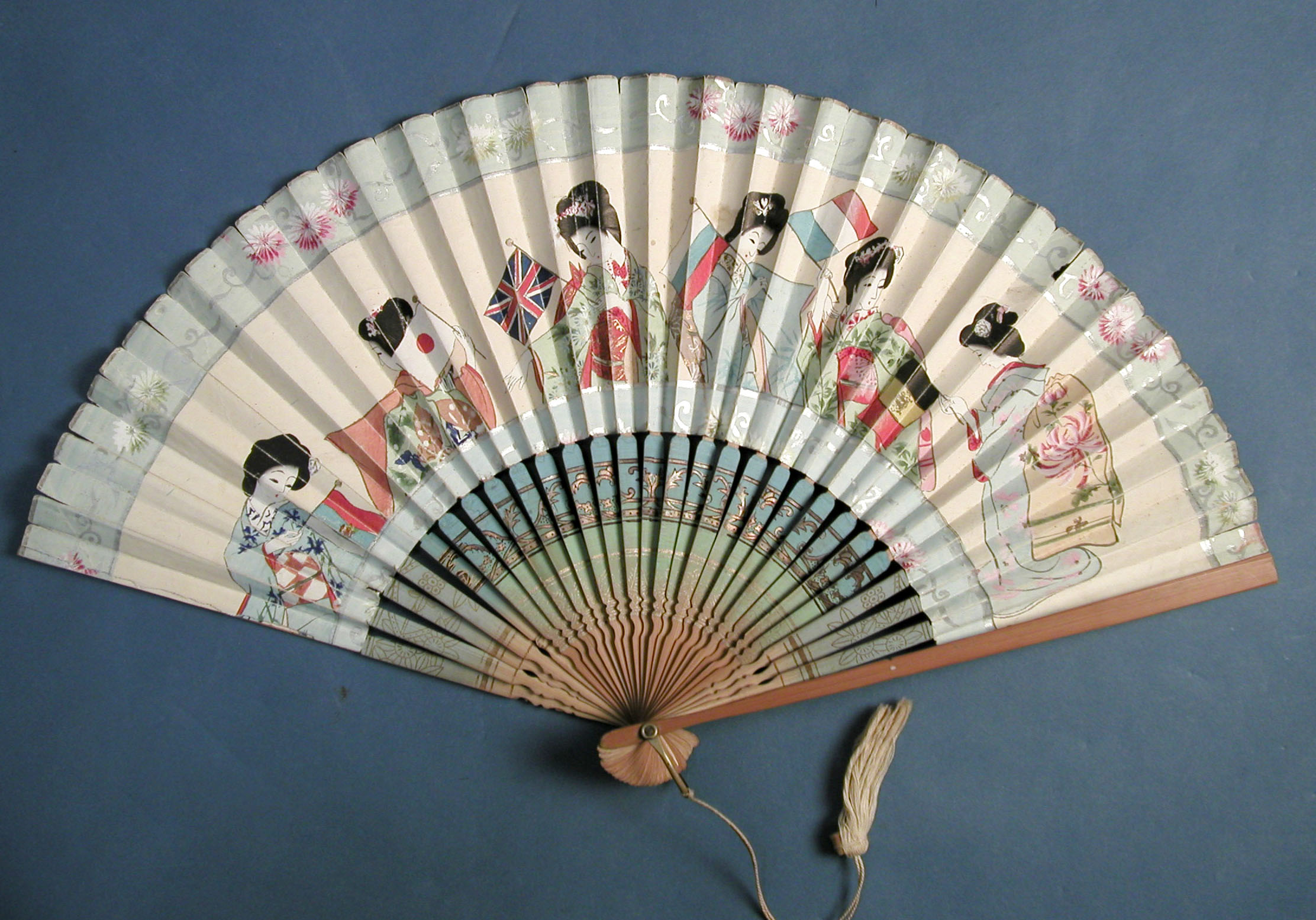
Louisa Eunice|Essays
The afterlife of souvenirs: what survives between culture and commerce?
“Arts and crafts is the only creative industry where developing countries have a leading position in the global market.” What we often call kitsch may, in fact, be cultural endurance.
Arts + Culture
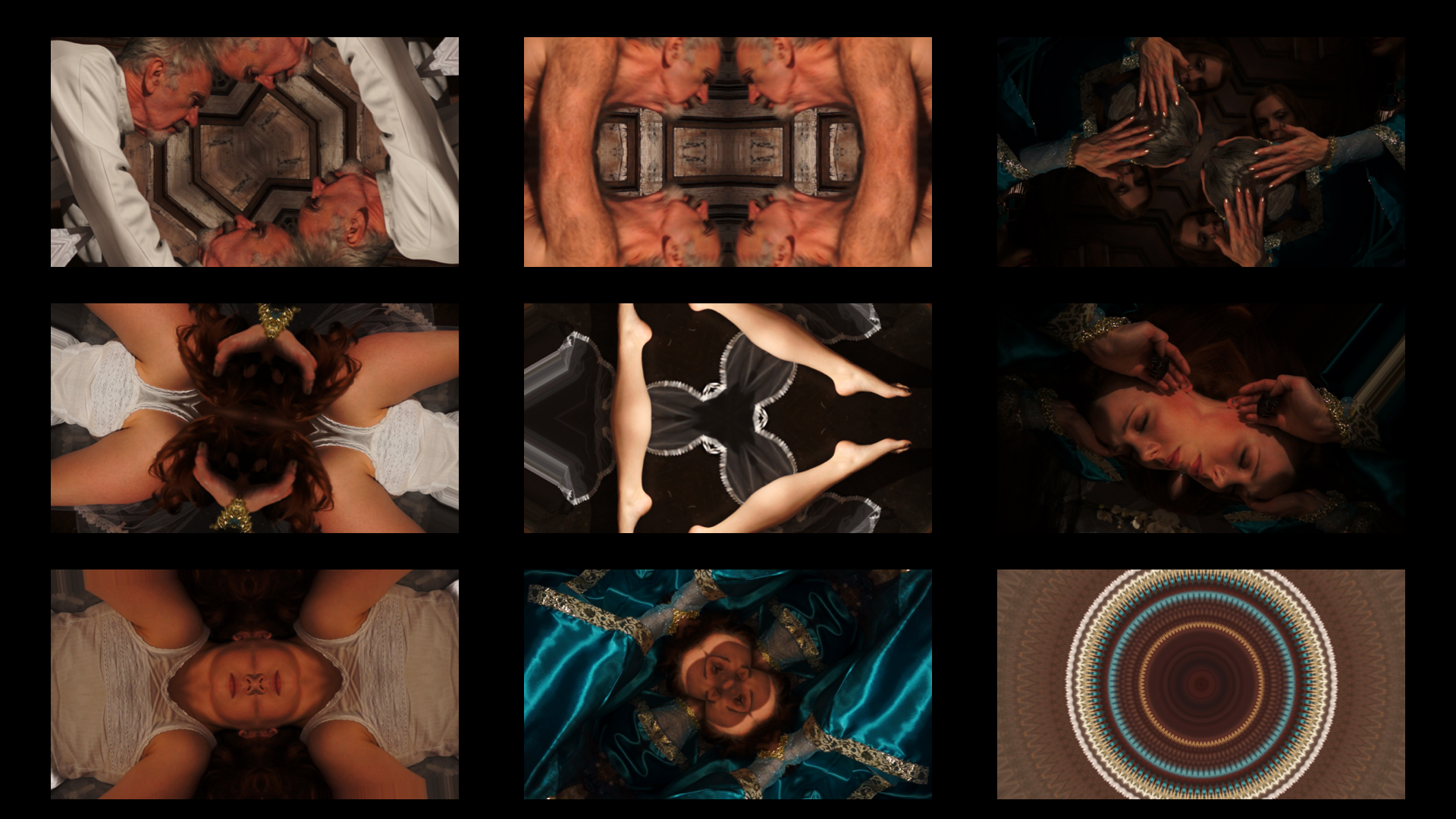
Ellen McGirt|Profiles
How to make a horror film with no money, no script, and lots of friends
“It started as a simple idea — this nurse brings cake to weird people, and they die — and then it became something else entirely, this kind of dark, psychological, surreal journey.” I’m speaking via video call with Rob James and Bruce McClure, the filmmakers behind District Nurse, an independent horror feature first released in … Continued
The past comes back to haunt us: archival scares
Accidental Mysteries
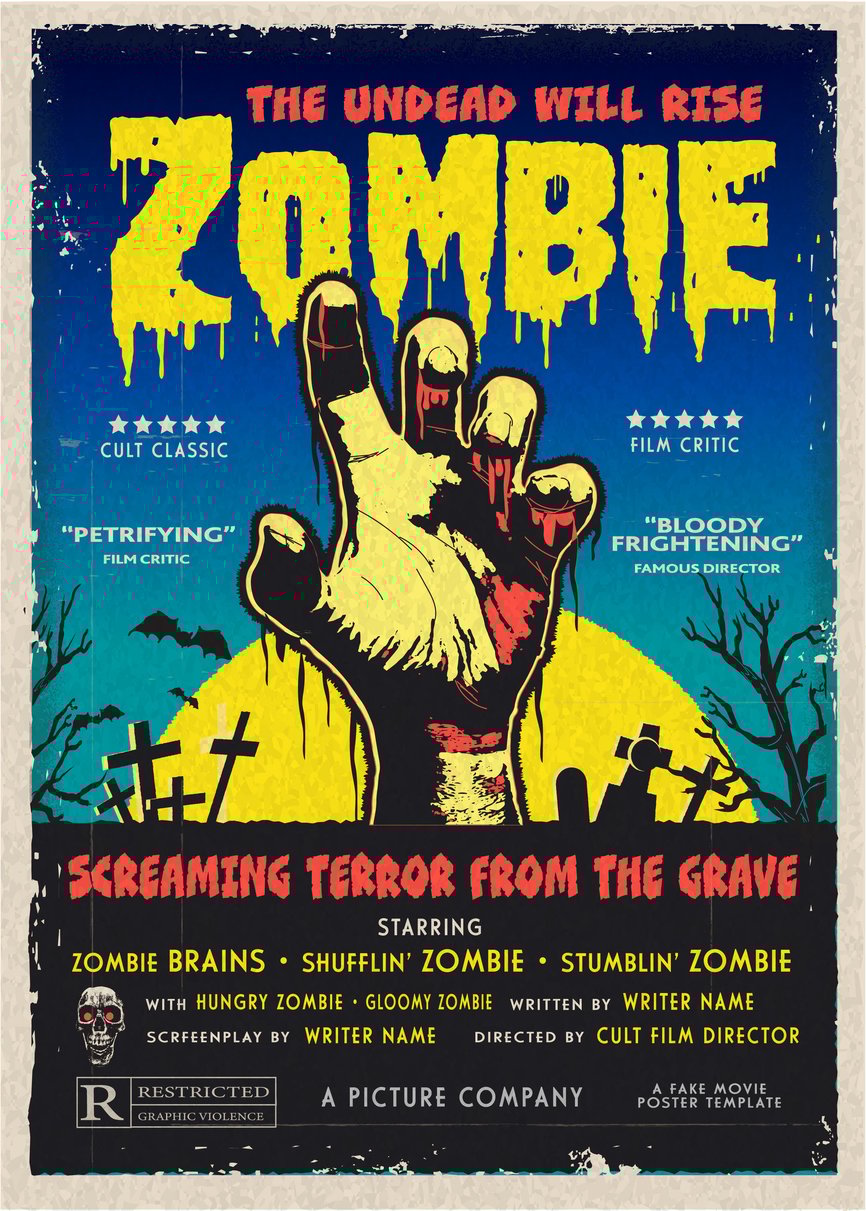
John Foster|Accidental Mysteries
Horror Movie Posters
Accidental Mysteries for November 3, 2012 highlights vintage horror movie posters.
Arts + Culture
Rick Poynor|Essays
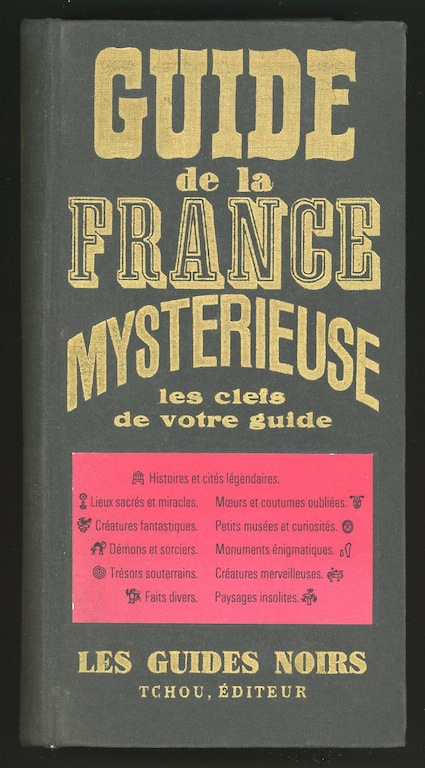
The Mysteries of France:
A Gothic Guidebook
Guide de la France mystérieuse, illustrated by Roman Cieslewicz, is a surreal beast of a travel book.
Mailer daemon: spooky szn newsletters
The Observatory Newsletter
Delaney Rebernik|Moving Pictures
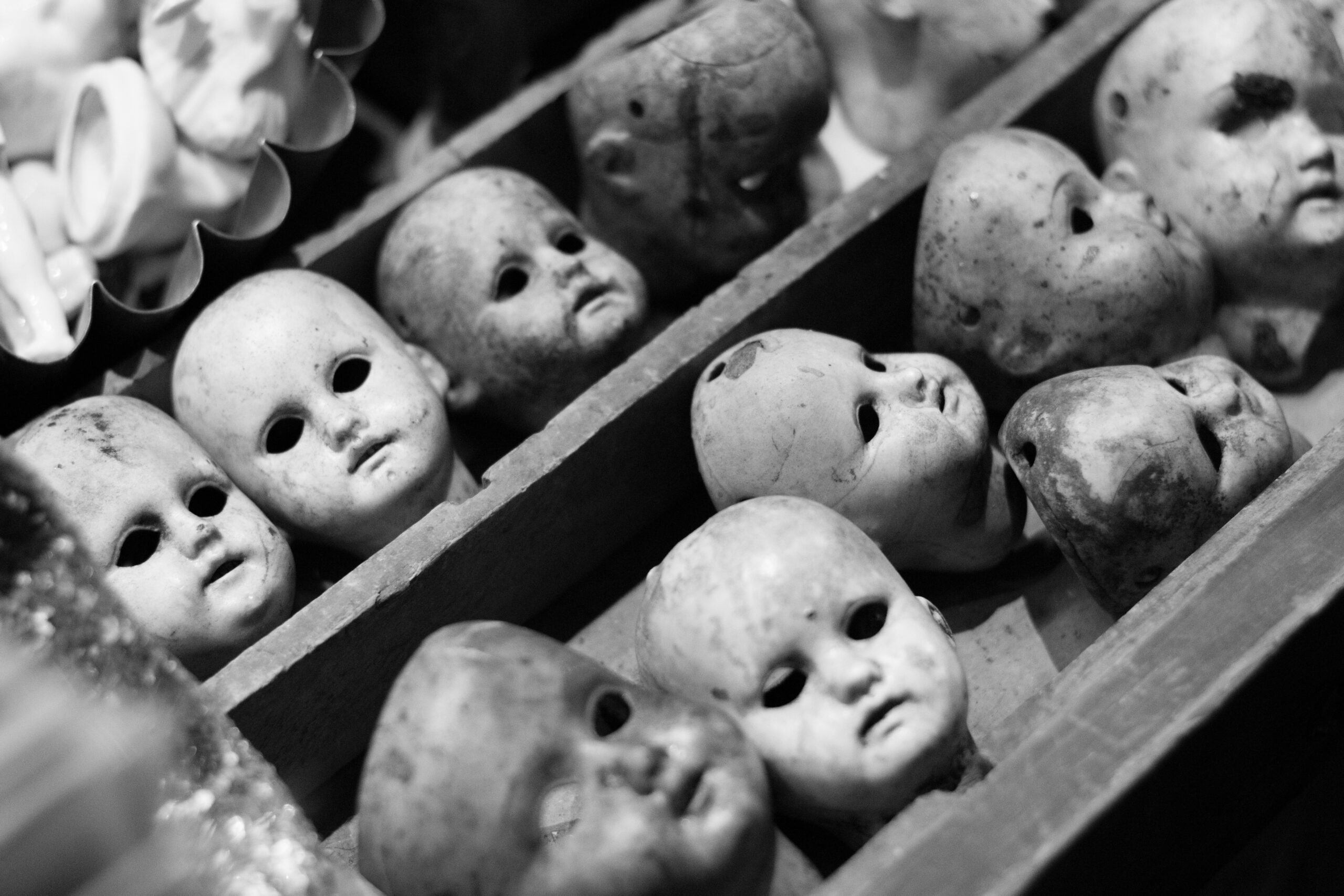
Fear is a design problem
This October, we explore the aesthetics of horror, and the horrors of design itself.
The Observatory Newsletter
Rachel Paese|Cinema
Dread for dinner
Class anxiety is best served at the formal dining table
The Observatory Newsletter
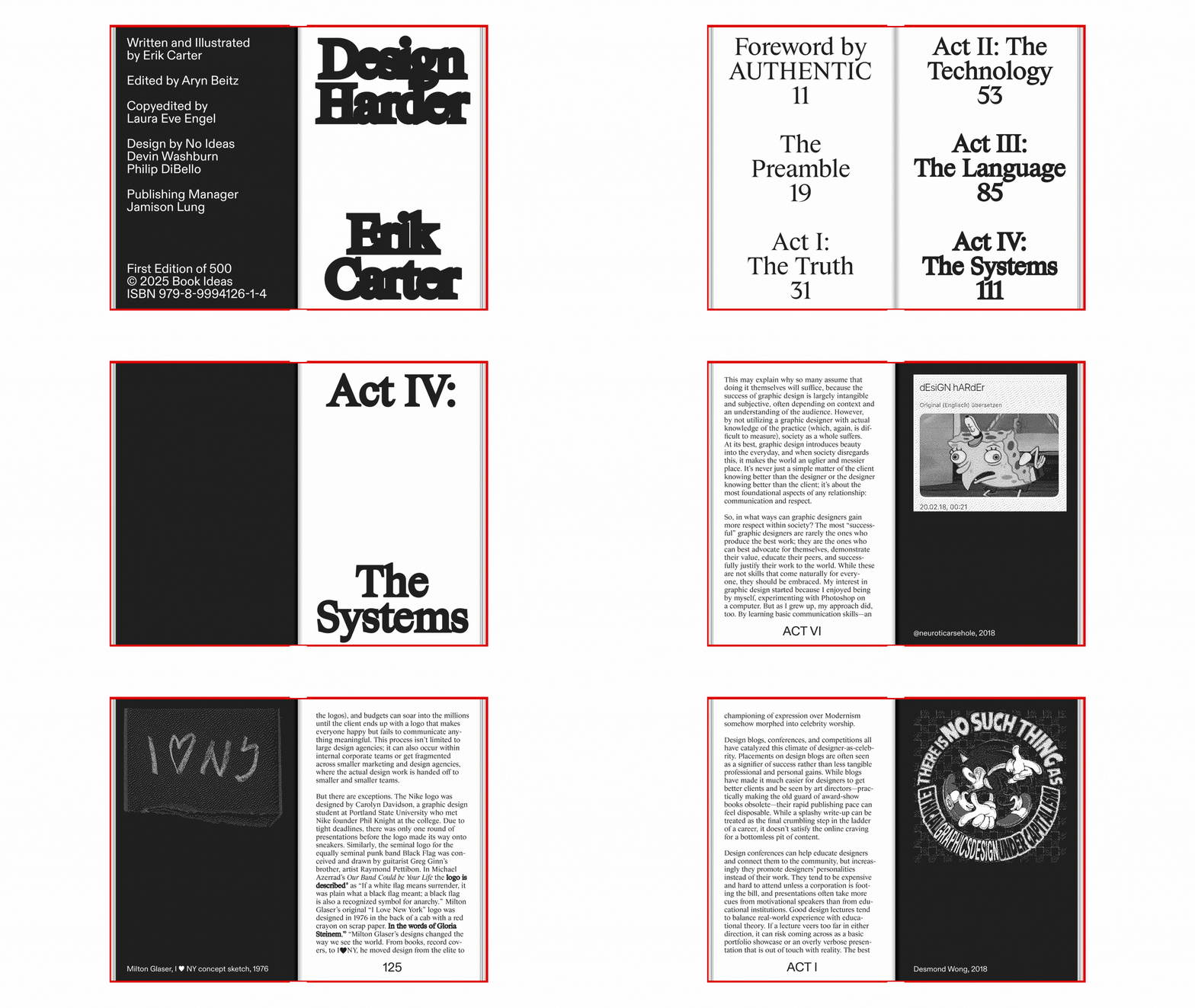
Ellen McGirt|Recommended Books
Booked and Blessed
Erik Carter’s new book, Design Harder, takes aim at the state of graphic design, critiquing capitalism, sameness, and creative complacency with humor and heart.
The Observatory Newsletter
Ellen McGirt|Fresh Ink
What happens when the social safety net disappears?
Exploring how fear, design, and the loss of safety nets shape our ability to survive—and to care.
Observed
View all
Observed
Share on Social


By Delaney Rebernik
 Delaney Rebernik is Design Observer’s Executive Editor. She’s also an independent journalist covering death and digital life, and a writer and consultant for purpose-driven organizations. As an award-winning editorial and communications leader, Delaney helps media brands; memberships; and other champions of community, knowledge, and justice tell vital stories and advance worthy missions. In her spare time, she consumes (and riffs on) horror and musical theater in equal measure. She lives in Brooklyn, New York, with her husband Todd and pup Spud, named for her favorite food. Learn more at delaneyrebernik.com, and connect on Bluesky and LinkedIn.
Related Posts
Business
Louisa Eunice|Essays
The afterlife of souvenirs: what survives between culture and commerce?
The Observatory Newsletter
Ellen McGirt|Fresh Ink
What happens when the social safety net disappears?
Arts + Culture
Alexis Haut|Interviews
How production designer Grace Yun turned domestic spaces into horror in ‘Hereditary’ and heartache in ‘Past Lives’
Architecture
Bruce Miller|Essays
A haunting on the prairie
Subscribe to The Observatory
Related Posts
Business
Louisa Eunice|Essays
The afterlife of souvenirs: what survives between culture and commerce?
The Observatory Newsletter
Ellen McGirt|Fresh Ink
What happens when the social safety net disappears?
Arts + Culture
Alexis Haut|Interviews
How production designer Grace Yun turned domestic spaces into horror in ‘Hereditary’ and heartache in ‘Past Lives’
Architecture
Bruce Miller|Essays