


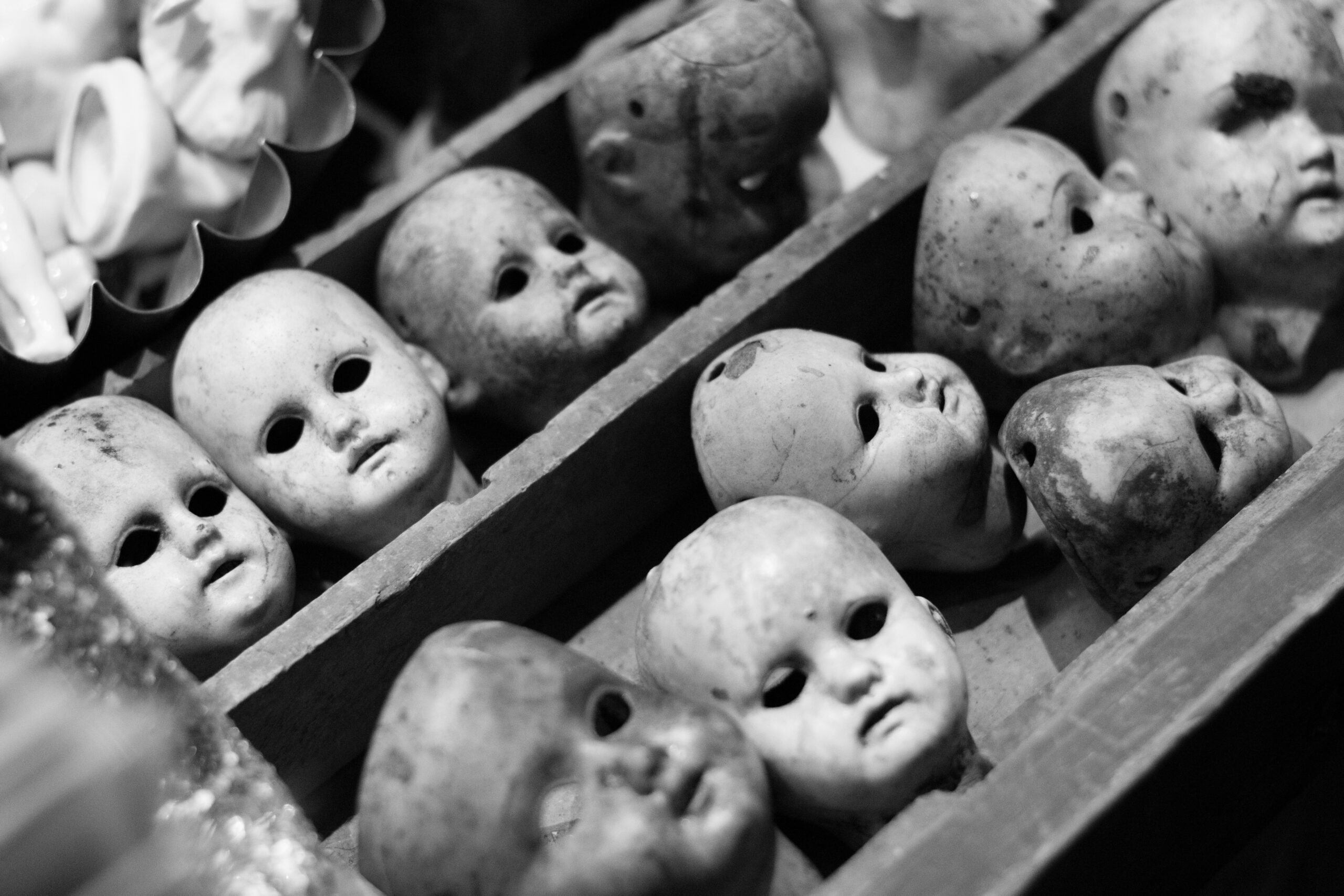
Delaney Rebernik|Moving Pictures, The Design of Horror | The Horror of Design
October 9, 2025
Fear is a design problem
This October, we explore the aesthetics of horror, and the horrors of design itself.
As a dark coper, I’ve long used horror to make sense of life’s trials and better understand the world around me. Boy, am I leaning on the genre a lot this year.
Payton McCarty-Simas, too. “When I’m sad, I’ll watch Audition,” the film critic and scholar of cinematic American witches told me in a recent conversation, referring to the 1999 Japanese horror film notorious for its shocking final sequence. “But when I want to be really afraid, I’ll watch 50 First Dates.” (They describe the horrific aspects of the supposed romcom here.)
“Women undergo the daily terrors of misogyny in such a casual way where, you know, you’re walking home, you’re going to have your keys in your hand just in case. Horror is an excellent kind of preparatory measure and cathartic expression of those same fears for women,” McCarty-Simas says. “It speaks to the kinds of repression that women are forced to do since birth, the way we’re socialized to be docile. Horror is an excellent rejection of that.”
And the recent spate of women-helmed horror films is really rejecting that docility.
Today’s Big Think, penned by yours truly, is the kickoff to Design Observer’s October-long coverage of the design of horror and horror of design. It centers The Ugly Stepsister (2025), Norwegian filmmaker Emilie Blichfeldt’s debut feature reimagining Cinderella from the titular ugly stepsister’s POV, a pivotal entry to the burgeoning “beauty horror” subgenre, which took off last year thanks to The Substance.
As reproductive rights are rolled back and tradwife content surges, beauty horror riffs on the truism that “beauty is pain.” It’s a fitting moniker for a body of work exploring, with visceral acuity, the fraught, often ugly reality of being a woman in a body.
And yes, Blichfeldt’s film visualizes — in painful detail — that toe-cutting scene from the Grimm brothers’ folktale version of Cinderella.
For many, such depictions, though graphic, are healing.
“You know, that badness used to be mine, and I only [felt] that badness in myself, inside me, but now it’s out there, I can actually see it, and [e]verybody can see it all together,” So Yeon Leem, PhD, assistant professor at Dong-A University in Busan, South Korea, told me of her experience watching The Ugly Stepsister. Leem researches the intersection of gender, ethics, and technology, and has documented her experience undergoing an elective “two-jaw surgery,” which is popular in South Korea, she says, because it creates a balanced, youthful V-curvature in the face, and makes professionals in certain industries more competitive in the job market. “A small jaw is not intimidating compared to a big jaw,” she explains. “You don’t want to intimidate, especially men, if you are a woman. … [You] shouldn’t look too strong.”
Leem is in good company. As I note in my piece, the “forever-35 face” is in vogue, thanks to luxury facelifts priced upward of $200,000. Globally, nearly 38 million aesthetic procedures were performed in 2024 — a 40% increase from 2020, says the International Society of Aesthetic Plastic Surgery.
Aside from femme bodies, this aesthetic also informs the design of traditionally female spaces, according to the design thinkers and workers you’ll hear from throughout October.
In her pitch about “the horror of surfaces that refuse to age,” writer, historian, and psychotherapist Elizabeth Dyer, PhD, argued that “after” shots of transformations ranging from facelifts to kitchen remodels “are less about beauty or function than about disciplining surfaces that are femme-coded, never allowed to look as though they have worked.”
You’ll read Dyer’s full piece later this month. You’ll also hear from Sithara Ranasinghe about “the lethal history of culinary pigments that turned dinner parties into death scenes,” and from Madison Jamar on the dinner table itself as a centerpiece around which middle- to upper-class families “engage jovially or impress” that can turn sinister if conventions are not strictly upheld.
You’ll learn about a wider range of design and art horrors, too, like the occult imagery in rap music, the visual language of preppers, the afterlife of souvenirs, and a weed-fueled haunted house visit that launched one photographer’s career.
I hope this coverage sends a chill down your spine — that tell-tale tingle of fearsome anxious ugly beautiful excitement that’s the lifeblood of any creative.
Delaney Rebernik
Executive Editor
delaney@designobserver.com
This edition of The Observatory was edited by Rachel Paese.
This is the web version of The Observatory, our (now weekly) dispatch from the editors and contributors at Design Observer. Want it in your inbox? Sign up here. While you’re at it, come say hi on YouTube, Reddit, or Bluesky — and don’t miss the latest gigs on our Job Board.
Big Think
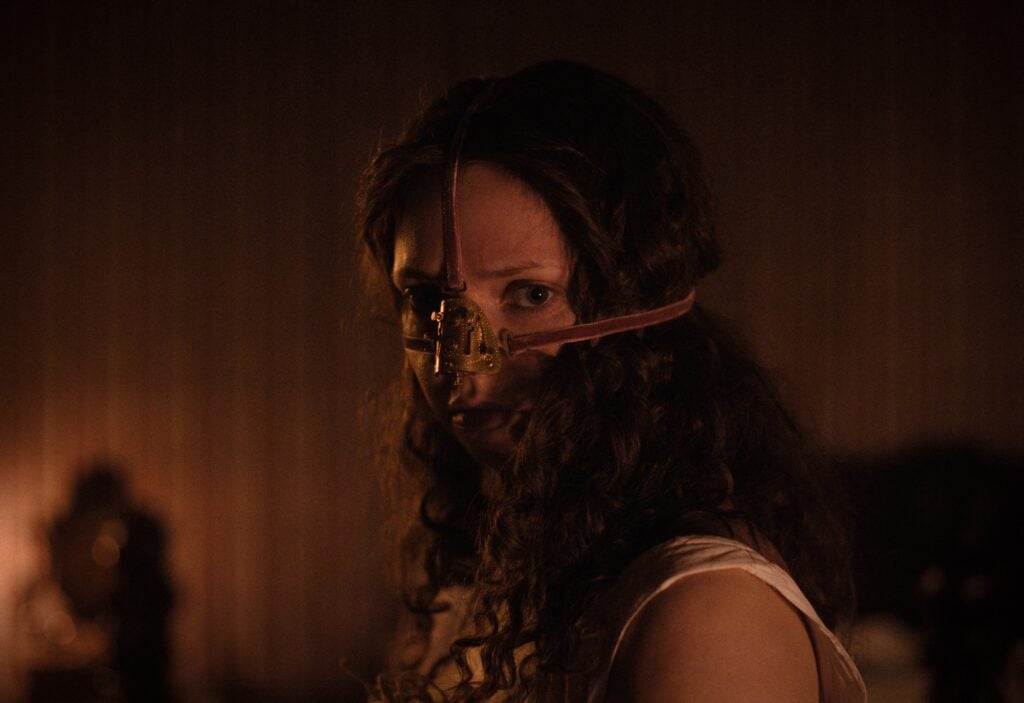
Mirror, mirror: The rise of ‘beauty horror’ amid today’s antifeminist backlash
With knockouts like “The Substance” and this year’s “The Ugly Stepsister,” the growing, woman-helmed subgenre stands 10 toes (give or take) down on its critiques of gender norms.
Blichfeldt’s film, which premiered at the Sundance Film Festival in January, is among the latest critically acclaimed contributions shaping today’s “body horror” renaissance. The subgenre, which has roots in early Gothic literature but was popularized in the 1980s with films like The Fly, explores the limits and transformative potential of the human body through grotesque or disturbing imagery. And now, an important, woman-helmed sub-sub-genre is orchestrating the rebirth: “Beauty horror,” coined by Blichfeldt, riffs on the truism that “beauty is pain.” It’s a fitting moniker for a body of work exploring, with visceral acuity, the fraught, often ugly reality of being a woman in a body. …
It makes complete sense that this booming industry is in the horror crosshairs, says Payton McCarty-Simas, a film critic and author who studies the cyclical rise and fall of the cinematic witch in American culture. “The body standards are changing. We’re bringing back Anorexia Chic and Slutburger aesthetics at the same time. I saw that cocaine was back.” …
Female filmmakers finding success in body horror is a recent phenomenon, but one with historical heft, says McCarty-Simas. They argue that women are the unsung shapers of the 1990s’ New French Extremity subgenre, known for its graphic, transgressive depictions of (often sexual) violence.
“The idea of abjection has always been associated with the female body, because of reproduction and birth and the changes that the female body goes through,” they explain. “It’s a completely natural fit.” Read on.
Design As Control | Design As Collaboration
“What is our purpose as designers? What are we here to do? Are we here to manage a suite of tools? Or are we here to define how society interacts with technology and with each other?“ — Lee Moreau, Host of Design As
On this episode of Design As, host Lee Moreau speaks with VP of Design at Microsoft AI and the Founding Chair of the MFA Interaction Design Program at the School of Visual Arts Liz Danzico, advisor and investor Jai Shekhawat, Northwestern professor of mechanical engineering Liz Gerber, and Chief Creative Officer and author Kevin Bethune. Listen now.
Some fine print
Black balled and white walled: Interiority in Coralie Fargeat’s “The Substance.” I’m Nobody! Who are you? Analysis by Alexis Haut.
About face: ‘A Different Man’ makeup artist Mike Marino on transforming pretty boys and surfacing dualities. On the cusp of Oscar Sunday, we’re talking award-winning makeup that gets under the skin. Interview by Alexis Haut.
The compound interest of design: what not to build. Two and a half decades in, Dave Snyder argues that the smartest design move isn’t chasing trends, it’s planting the tree and letting time do the work. Opinion by Dave Snyder.
A new chapter of human ingenuity in the age of AI. AI may mark a turning point in how we create, but as TK Tennakoon writes, the hand that guides the brush, human ingenuity, remains irreplaceable. Opinion by Taraka ‘TK’ Tennakoon.
Dancing with AI: how next-gen game designers are taking the lead. A new generation of visual artists and creators is using artificial intelligence to create art with machines, without sacrificing their humanity in the process. Article by Baxstar Jonmarie Ferguson.
What’s money for? Insurance. In the calculus for risk, we can control for vulnerability by practicing collective care. Column by Tom Haslett.
Design Observer in the news
Author, podcaster, and brand expert Debbie Millman has written an exceptional piece explaining the intersection of Trump the brand and democracy.
“While people might think brands have soul, they are — by intention and design — manufactured meaning,” she writes. Devotion, loyalty, and allegiance to brand, have been a hallmark of this Trump administration. “But it is no different from any other constructed trope; it is a manufactured persona curated through buildings, slogans and theatrics.” While the addition of a ballroom may seem like a mere construction project, it is a wholesale abandonment of a style of democracy — the people’s house — and the civic meaning with which it had been long associated. “The nation’s most enduring building will be reshaped in the image of Mr. Trump, one defined by over-the-top opulence, exaggerated scale and a preference for size over subtlety.”
More from Debbie Millman, here.
Happenings
‘Coming Together: Reimagining America’s Downtowns,’ which opened September 27 at the National Building Museum in Washington, DC, is an in-depth look at how cities have been reshaping themselves in the post-COVID-19 pandemic era. It’s the first of three exhibits from the Museum’s Future Cities initiative, a multi-year, interdisciplinary exploration of the city “as a hub, catalyst, essential building block and reflection of society.” Design Observer’s own Sarah Gephardt was the lead designer for the exhibit.
Dutch Design Week 2025 is one of the world’s leading design festivals, bringing together over 2,600 designers across 120+ locations in Eindhoven, Netherlands. This year’s theme explores the future of design guided by five key missions: Living Environment, Thriving Planet, Digital Futures, Health & Well-being, and Equal Society. The festival introduces new “Coalitions & Co/Labs” platforms for collaborative problem-solving and features Daily Mission Days diving into each theme. October 18-26. Register here.
Adobe MAX 2025 — The Creativity Conference is Adobe’s flagship creativity conference featuring keynotes, workshops, photowalks, and free Adobe certification testing. The event includes “Sneaks,” where product teams reveal upcoming features. You can meet your creative heroes — including Aaron Draplin, Serwah Attafuah, and James Gunn. Attend in person in Los Angeles or join online for free. October 28-30.
The 2025 AICAD Symposium, “Engaging Values,” will be held on November 12–14 at the Pratt Institute in Brooklyn. This year’s convening focuses on the intersection of values with art, design education, and practice. Registration and information here.
Marketing AI Institute is holding a virtual AI Agencies Summit on November 20, from 12 to 5pm ET. Everything you need to know, here.
The JournalismAI Festival, supported by the Google News Initiative, will be held on November 11-12 2025. It’s a free, in-person and online convening of journalists, editors, and media leaders designed to explore the practical applications and future of AI in journalism. More here. (JournalismAI is a project of Polis – the journalism think-tank at the London School of Economics and Political Science.)
Observed
What are you observing? Tell us.
Redesign in the age of total system collapse. In her new TEDx talk, Sarah Wilson, author, podcaster, systems thinker and social philosopher, shares her views on how to survive what she believes is an imminent societal collapse. Focus on what matters, then surrender, simplify, and connect. “We’re the adults who were born in these troubled times, and we are being called upon to step up and meet life and nature where it’s at.” (She will make you feel worse before she makes you feel better.)
Nobody wants to lead, redux: According to LinkedIn’s latest Workforce Confidence survey, a bad manager could compel 69% of U.S. employee respondents to quit their jobs. But the boss’s job itself isn’t appealing: only 30% of individual contributors say they want to become people managers in the next few years.
What will it take to end the U.S. government shutdown? It’s the fifteenth since 1981. But this time, it’s different.
In memoriam: A fistful of memories. Legendary movie poster designer and artist Renato Casaro has died. He was 89. He was beloved for the artwork he did for films including A Fistful of Dollars, Conan the Barbarian, and all the Rambos. “Schwarzenegger was the perfect man to paint,” he told The Guardian in 2022. “He had a tough expression. His face was like a sculpture. It was a real pleasure for me — I have always had a weakness for heroes.”
Who wants a camera right on their face? Jay Peters reviews the Ray-Ban Meta Gen 2 glasses. (Subscription required.)
A new exhibition by the artist Danielle Brathwaite-Shirley opened this week in London, which asks more than the usual polite nods from gallery visitors. “The Delusion” uses video games, gameplay, and other elements to get the people in the room to connect. “The original idea was to do a game work that got people to look away from the screens and instead talk with other people,” she says. (Spoiler alert: the game is too challenging to win alone.)
Vibe-coding is all the rage, and so are the start-ups that are meeting the moment. One example: Swedish vibe-coding startup Lovable hit $100 million in annual recurring revenue (ARR) this summer, looking to earn a billion by next year. “This is one of those spaces where every company is growing like a weed,” said venture investor Nikhil Basu Trivedi. But they haven’t fully cracked the code, he says.
New rules, new words. The latest edition of Merriam-Webster’s dictionary has nailed the cultural moment. Welcome to the vernacular: “cold brew,” “farm-to-table,” “rizz,” “dad bod,” “hard pass,” “adulting,” “cancel culture,” “beast mode,” “dashcam,” “doomscroll,”“WFH,” and “side-eye.”
In memoriam: Sir Terry Farrell. The trailblazing architect and urbanist, known for his radical non-conformity, has died. He was the founder of Farrells, the London-based architecture practice, and is remembered for his commitment to social mobility. “He consistently promoted the reuse of existing structures, advocating for regeneration over demolition, and pioneering models of inner-city renewal that integrated conservation, mixed-use, and public life.” He was 87.
Job Board
Industrial Designer at Cruver Design, Elmhurst, IL.
Industrial/Product Designer at Impact Architectural Lighting, St. Louis, MO.
Industrial Designer at Meridian International,Centennial, CO
Assistant Professor of Architecture (Tenure-Track) at City College of New York, New York, NY.
Junior Product Manager at inquirED, Chicago, IL.
Senior Designer at Geist, Portland, OR.
Design Director at Geist, Portland, OR.
Yesterday and today
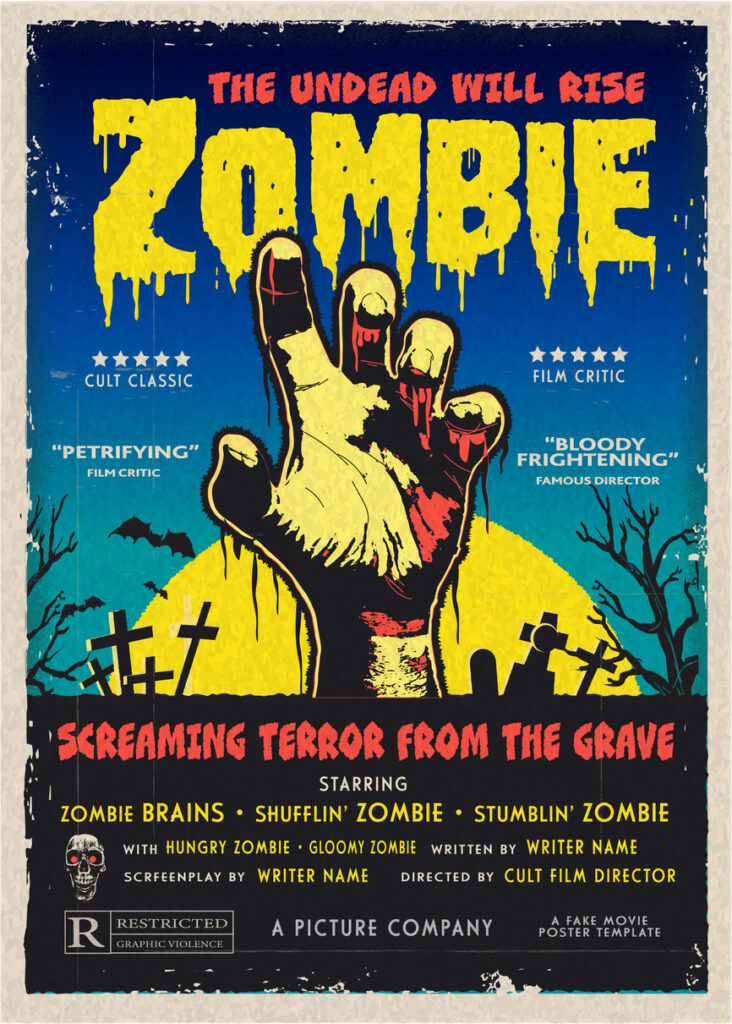
“Beware the wicked hour and the stalking being!”
These words leapt off the rare 1935 Werewolf of London poster, one of many vintage gems that prove horror has always been a graphic art. From hand-painted mummies to moonlit wolves, these posters remind us of the genius design behind fear.
This and other vintage horror posters, some of them believed to be the only surviving examples, show how fear was once sold in bold colors and even bolder typography. Step into the archives to see what still gives us chills.
— Sheena Medina, Managing Editor
This is the web version of The Observatory, our (now weekly) dispatch from the editors and contributors at Design Observer. Want it in your inbox? Sign up here. While you’re at it, come say hi on YouTube, Reddit, or Bluesky — and don’t miss the latest gigs on our Job Board.
Observed
View all
Observed
Share on Social


By Delaney Rebernik
 Delaney Rebernik is Design Observer’s Executive Editor. She’s also an independent journalist covering death and digital life, and a writer and consultant for purpose-driven organizations. As an award-winning editorial and communications leader, Delaney helps media brands; memberships; and other champions of community, knowledge, and justice tell vital stories and advance worthy missions. In her spare time, she consumes (and riffs on) horror and musical theater in equal measure. She lives in Brooklyn, New York, with her husband Todd and pup Spud, named for her favorite food. Learn more at delaneyrebernik.com, and connect on Bluesky and LinkedIn.
Related Posts
Design Impact
Alexis Haut|Education
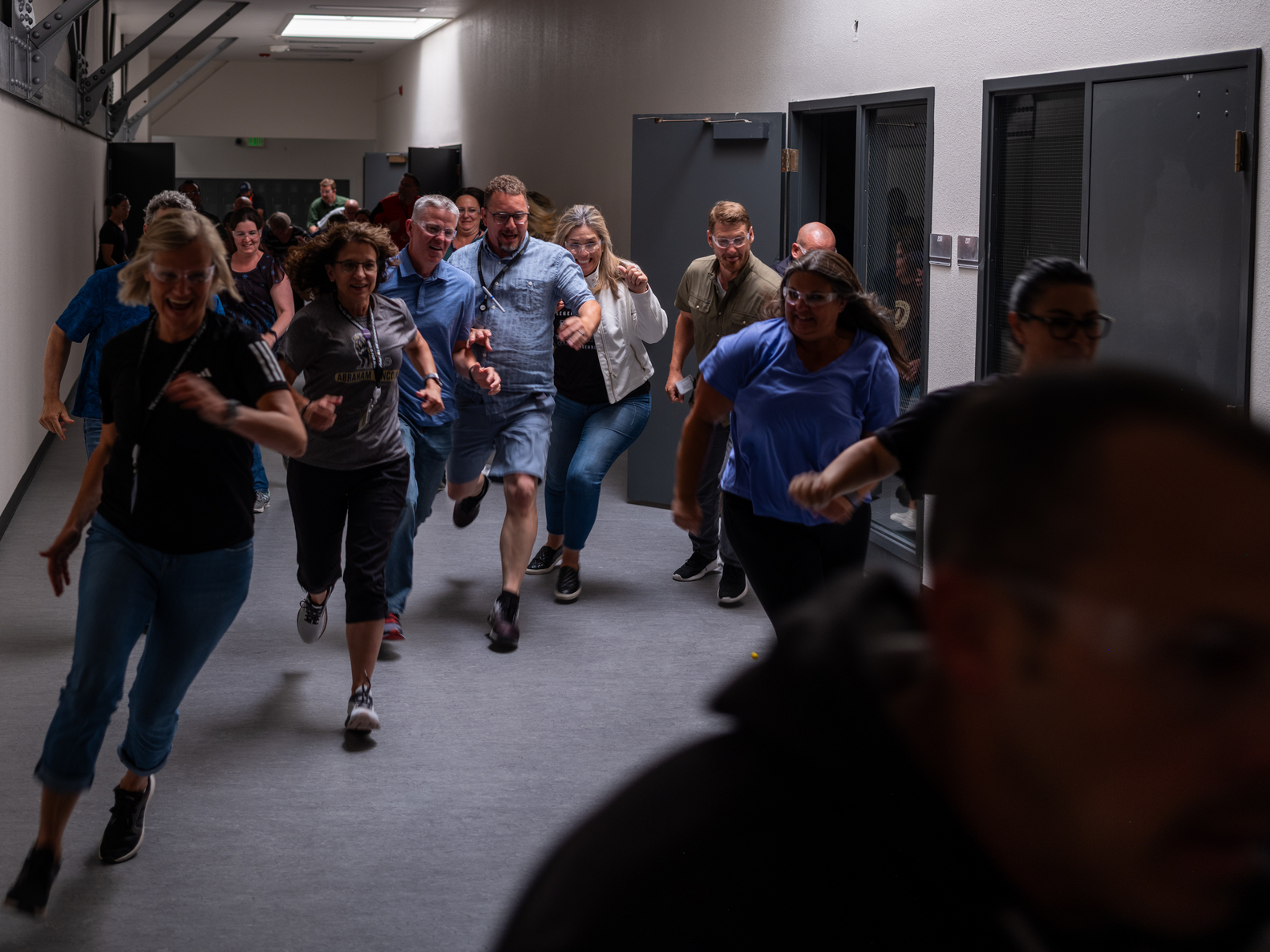
‘Thoughts & Prayers’ & bulletproof desks: Jessica Dimmock and Zackary Canepari on filming the active shooter preparedness industry
Business
Louisa Eunice|Essays
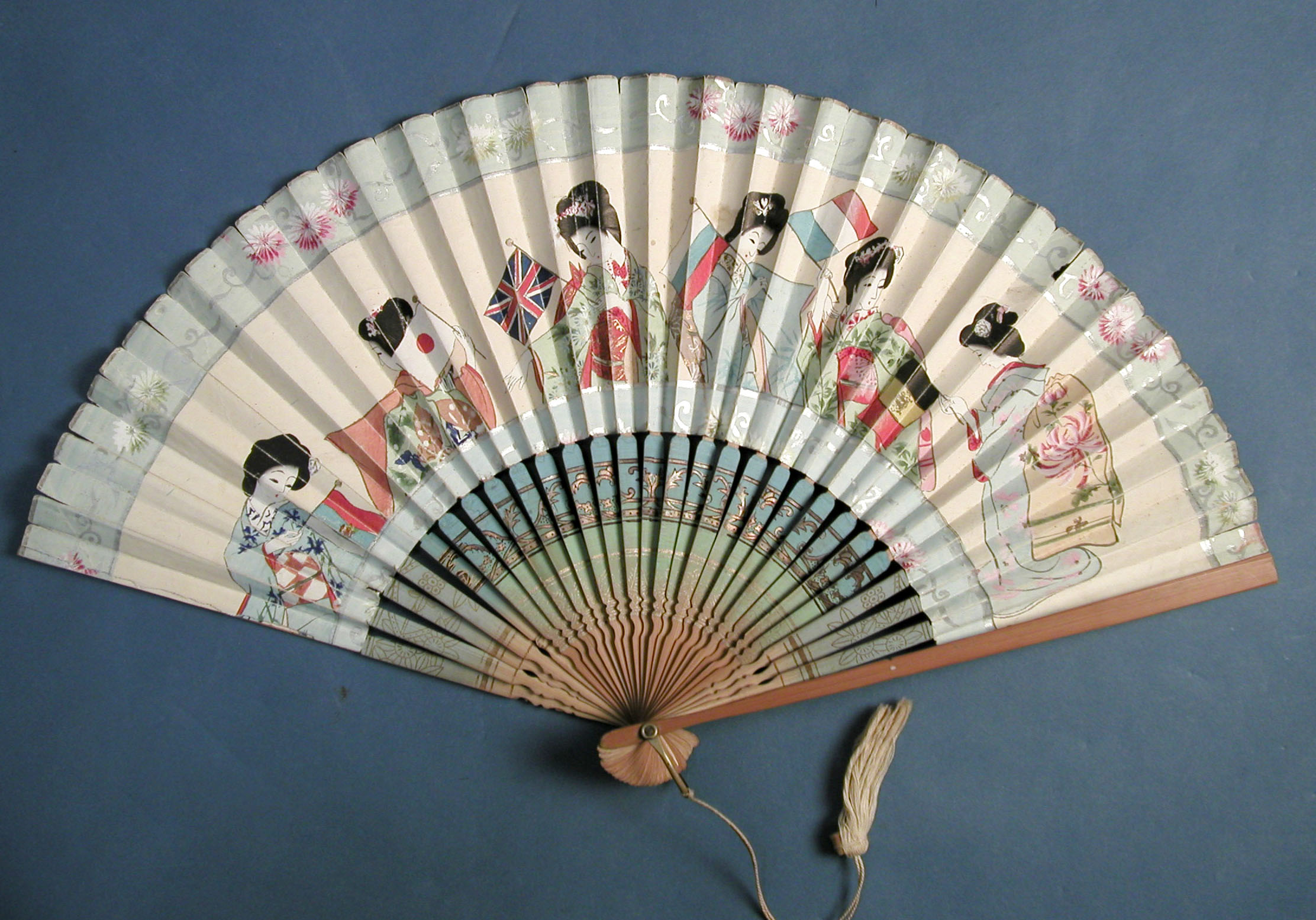
The afterlife of souvenirs: what survives between culture and commerce?
The Observatory Newsletter
Ellen McGirt|Fresh Ink
What happens when the social safety net disappears?
Arts + Culture
Alexis Haut|Interviews
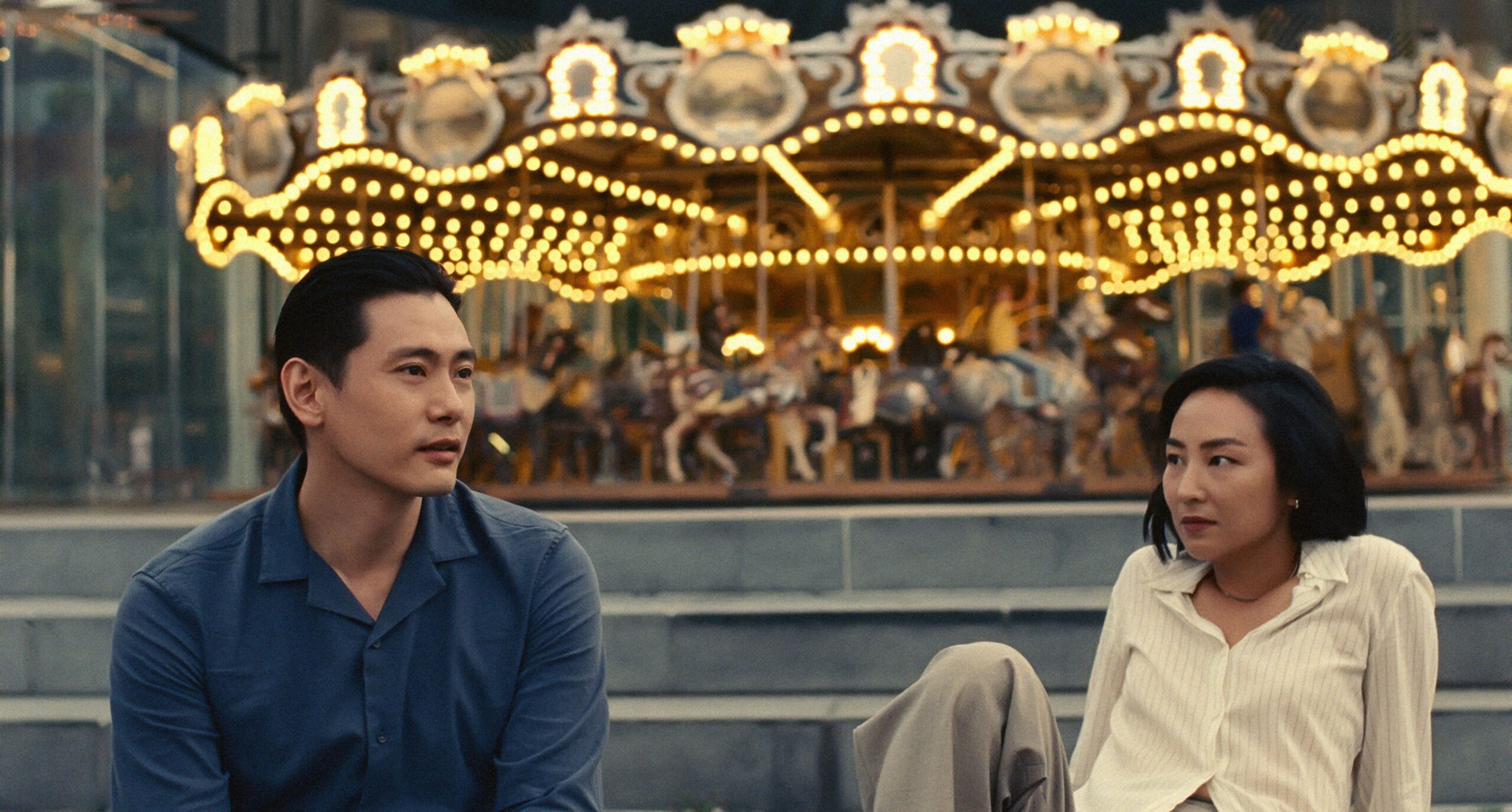
How production designer Grace Yun turned domestic spaces into horror in ‘Hereditary’ and heartache in ‘Past Lives’
Subscribe to The Observatory
Related Posts
Design Impact
Alexis Haut|Education
‘Thoughts & Prayers’ & bulletproof desks: Jessica Dimmock and Zackary Canepari on filming the active shooter preparedness industry
Business
Louisa Eunice|Essays
The afterlife of souvenirs: what survives between culture and commerce?
The Observatory Newsletter
Ellen McGirt|Fresh Ink
What happens when the social safety net disappears?
Arts + Culture
Alexis Haut|Interviews