



August 24, 2026
“It’s time to take back the baton”
Leaders and investors are ready to start planning, and it's time for design to lead.
This, or some version of this, has been the theme of every convening I’ve attended this spring and summer — from Great Place to Work, various design conferences, to Aspen Institute events, to Essence Fest gatherings, to numerous convenings on Martha’s Vineyard.
Among my conversation partners and interviewees have been design leaders, investors, elected officials at three levels of government, C-Suite leaders, STEM researchers, educators, and philanthropic leaders.
For many, the mood has shifted somewhat from managing unrelenting chaos — geopolitical, technological, environmental, and otherwise — to a more confident footing: we understand the stakes, and we can start planning again.
Redesign is back on the table.
This means that design itself must have a seat at that table.
Of course, we need individual practices in all their forms; but here, I mean design’s overarching ability to bring diverse voices together, make complexity navigable, and hold execution accountable for the processes and the outcomes. This is what design does best: noticing, framing, empathy as method, stakeholderism, synthesis, tolerance for ambiguity, prototyping, and values-based systems thinking.
The sentiment I detected wasn’t entirely about political change, climate anxiety, and AI backlash, though that was part of the equation. It was also a shared collective reading of the room for the populations they serve. But their observation came with a call to action — the window may be opening, but the real risk is arriving without a strategy.
This is what we all need now: people who are very different from each other around the same table, working on the urgent problems we share.
We’re making some changes of our own at Design Observer. A new season of DB|BD is coming, featuring many of the key voices navigating a more hopeful, collaborative future. We’re revamping our newsletter, expanding our contributor network, and planning to reward our rapidly growing Substack audience with live events and other insidery stuff.
We’d love to hear from you — what we can do more, differently, and better, but most importantly, how we can help you thrive, grow, and meet the moment.
Here is a link to a three-minute survey. Please feel free to share anyone who might also want to help us better serve everyone.
P.S. Did someone who loves you send you this newsletter? Welcome! Subscribe here.
This edition of The Observatory was edited by Rachel Paese.
This is the web version of The Observatory, our weekly dispatch from the editors and contributors at Design Observer. Want it in your inbox? Sign up here. While you’re at it, come say hi on YouTube, Instagram, LinkedIn, or TikTok — and don’t miss the latest gigs on our Job Board.
Draw the Line
Episode one of Draw the Line out now.
The Supreme Court case Louisiana v. Callais gutted the Voting Rights Act and rewrote the rules of American democracy. Design Observer’s brand new audio documentary, Draw the Line, is telling the inside story of Louisiana’s fight over power, maps, and who gets left off them.
Every district line is a design decision — and every decision is about who gets power.
Observed
As Anthropic prepares for its IPO, analysts are eyeing their crystal balls. The company is projecting roughly $190 billion to $200 billion in 2028 revenue, forecasting further into the future than is typical for public offerings. “The projection dwarfs the $47 billion revenue ‘run rate,’ reflecting the firm’s current pace of business, that the company publicized as recently as May, and shows the scale of growth investors are being asked to underwrite,” says Reuters, which broke the story.
Also, nobody trusts AI, and that’s okay, says the CEO of an AI company. Writing on X, Anthropic CEO Dario Amodei said the negative view of AI “is fundamentally a crisis of trust…ordinary people don’t trust companies, governments, or the tech industry and always suspect that we are cooking up some new way to screw them over.” Making good on the hype is the answer. “At this point, saying that AI will cure cancer is more a cliché than it is inspiring, and most people think it is deceptive,” Amodei posted. “The most accurate criticism of AI companies, including Anthropic, is that we haven’t yet delivered on our big promises to benefit the world.”
Imagine a better city? Let’s ask the kids. In Brentwood, California, eight children of migrant farmworkers spent two days at an “Urban Design for Kids” camp led by students at The College Preparatory School in Oakland— in partnership with Growth Notes and hosted by Hijas del Campo, a grassroots nonprofit that supports farm families. Kids who had never heard of urban design before learned to negotiate the placement of parks, schools, and soccer fields in cities of their own invention: an underwater neighborhood sheltered by giant bubbles, a long, narrow town tracing the route their families take to the fields.
What would it be like to imagine a better city? This is the question at the center of Utopian Hours, the international city-making festival which returns to Turin on October 16 and 17. Organized by Stratosferica, the two-day gathering will encourage participants to think about cities as collective projects that can still be reinvented and need to be: “housing is unaffordable, public space is contested, extreme heat is intensifying, social isolation is increasing and political divisions are shaping decisions about who gets to live where.”
In memoriam: Mary Heilmann. Andrew Russert has written a lovely tribute to Heilmann, the abstract painter who unexpectedly revitalized the genre, who has died at 86. “Mary Heilmann redirected the flow of painting,” he writes. “[H]er expansive vocabulary, her wry riffs on her forebears, her casual inventiveness—has been so influential that there is always a risk of forgetting how shocking it once was, and how improbable it was that she would become not only an artist’s artist but also a bona fide commercial success story.”
The Quadracci Pavilion at 25. The Santiago Calatrava-designed addition to the Milwaukee Art Museum has become a “spectacular visual ambassador” for the city, embraced by city officials and locals alike. “Forget the beer that made Milwaukee famous. Say hello, instead, to the bird that puts Milwaukee on the map,” Pulitzer Prize-winning architecture critic Blair Kamin wrote after seeing the Burke Brise Soleil, the mechanically operated sunshade that opens like wings.
The great works of Vermeer and Rembrandt are now available to all. During the COVID-19 lockdown, the Rijksmuseum in Amsterdam promised to digitize its collection to better “bring the museum to you. The extensive digital collection contains 840,000 works of art, free to download, share, and edit.
Read more at designobserver.com or in your Substack feed.
Job board
Hiring a designer? Post your role on the Design Observer Job Board to reach a highly engaged audience of designers, creative leaders, and studios across the Design Employment Network.
Industrial Designer – Furniture at Troscan LLC, Chicago, IL.
Art Director at CF Napa Brand Design, Napa, CA.
Senior Golf Bag & Soft Goods Designer – Freelance at Smyth Golf, Remote.
End marks
Hear the voices and see the faces behind the latest and greatest on our site — from bonus content with Design Juice guests to behind-the-scenes conversations with the writers of our expert business commentary.
This is the web version of The Observatory, our weekly dispatch from the editors and contributors at Design Observer. Want it in your inbox? Sign up here. While you’re at it, come say hi on YouTube, Instagram, LinkedIn, or TikTok — and don’t miss the latest gigs on our Job Board.
Observed
View all
Observed
Share on Social


By Ellen McGirt
 Ellen McGirt is an author, podcaster, speaker, community builder, and award-winning business journalist. She is the editor-in-chief of Design Observer, a media company that has maintained the same clear vision for more than two decades: to expand the definition of design in service of a better world. Ellen established the inclusive leadership beat at Fortune in 2016 with raceAhead, an award-winning newsletter on race, culture, and business. The Fortune, Time, Money, and Fast Company alumna has published over twenty magazine cover stories throughout her twenty-year career, exploring the people and ideas changing business for good. Ask her about fly fishing if you get the chance.
Related Posts
The Observatory Newsletter
Ellen McGirt
We’re joyfully receiving your feedback. Here’s where we’re headed:
Design Juice
Rachel Paese|Design Juice
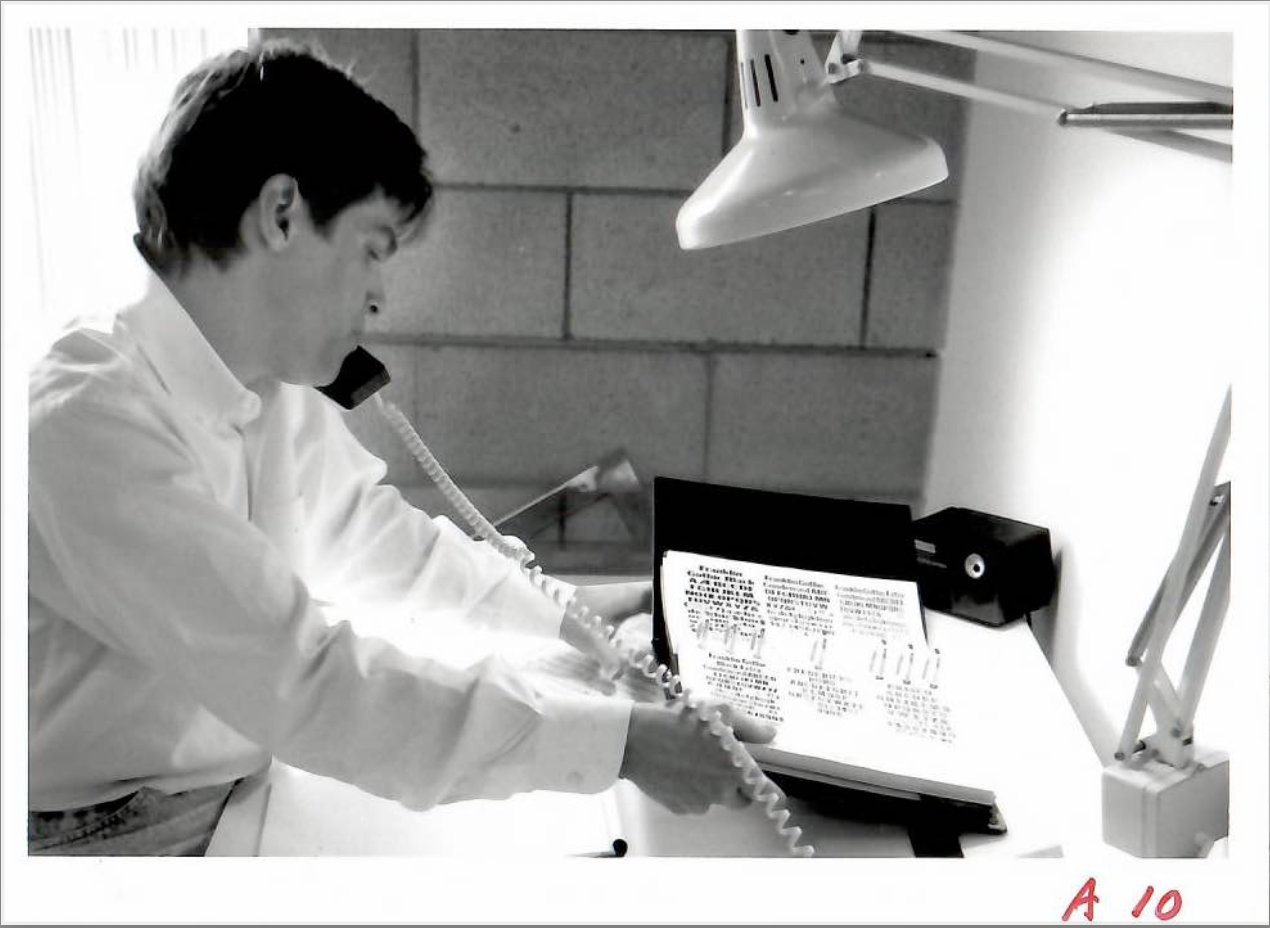
Becoming a better observer has defined John Ball’s 40-year design career
The Observatory Newsletter
Rachel Paese
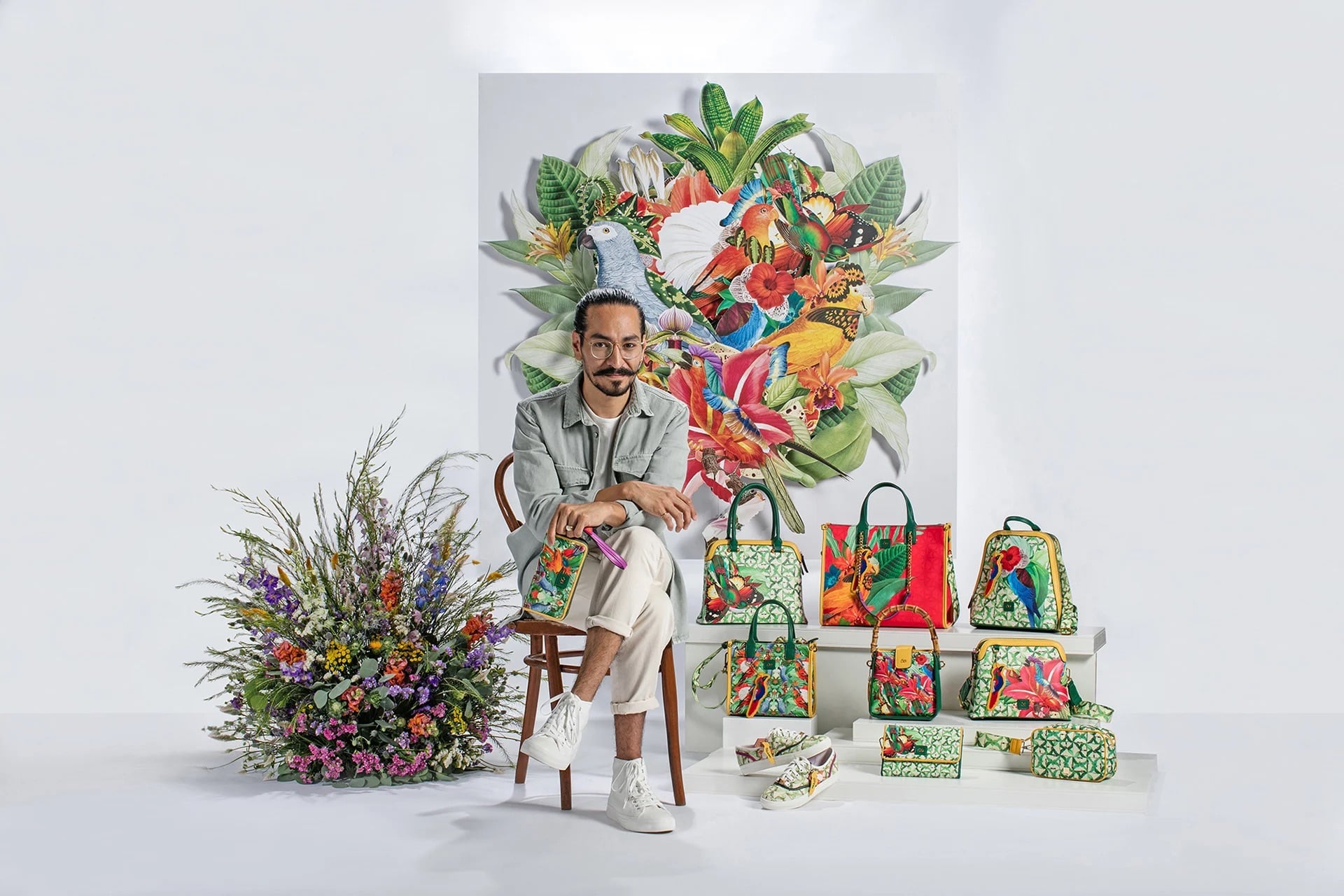
Encontrar tu propia voz toma más tiempo que hacerse viral
John Ball
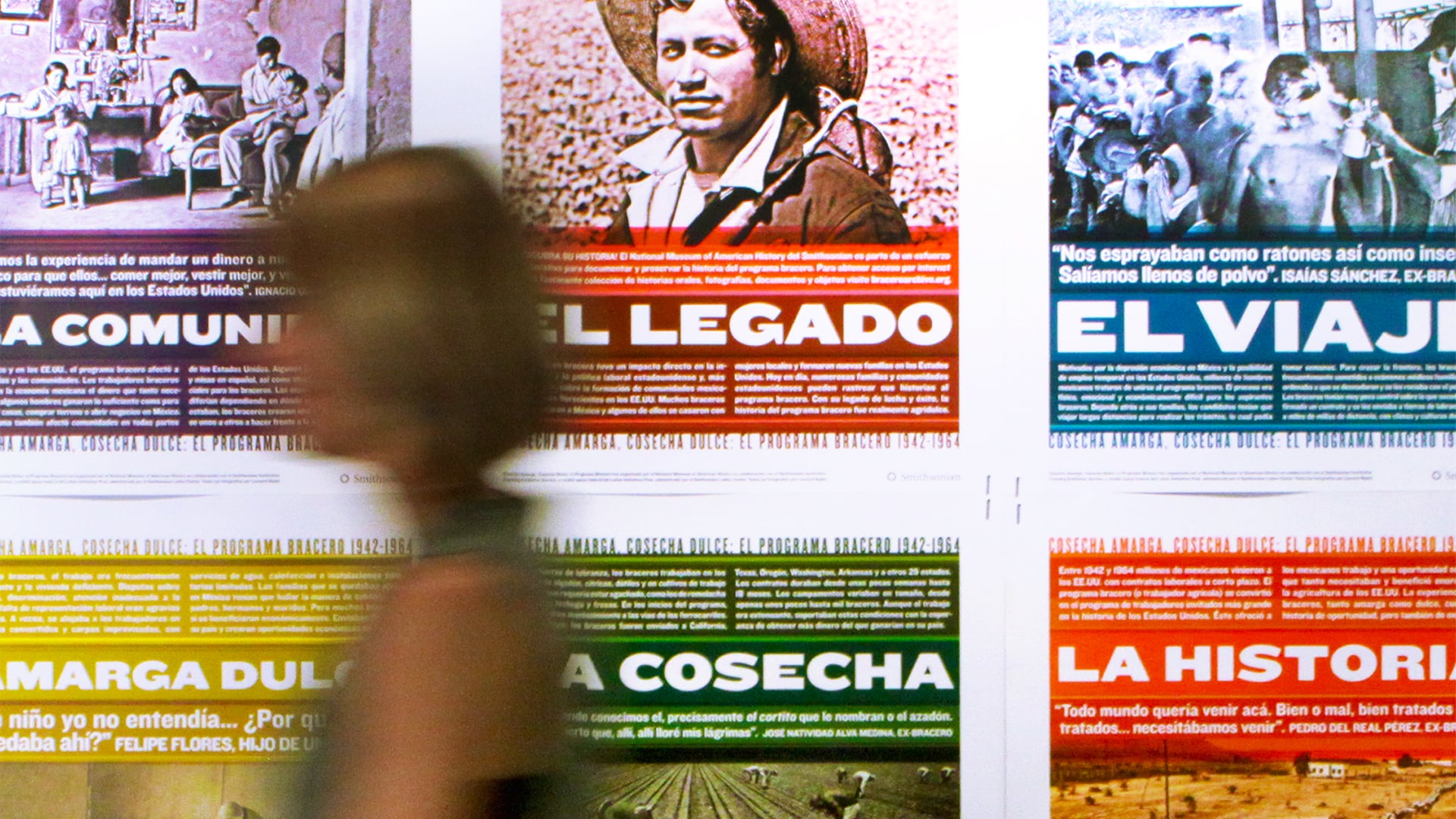
The Smithsonian was ordered to flag “inaccurate information.” I designed a poster series that required complicated truths.
Subscribe to The Observatory
Related Posts
The Observatory Newsletter
Ellen McGirt
We’re joyfully receiving your feedback. Here’s where we’re headed:
Design Juice
Rachel Paese|Design Juice
Becoming a better observer has defined John Ball’s 40-year design career
The Observatory Newsletter
Rachel Paese
Encontrar tu propia voz toma más tiempo que hacerse viral
John Ball