


May 4, 2016
The D Word: Psy Ops
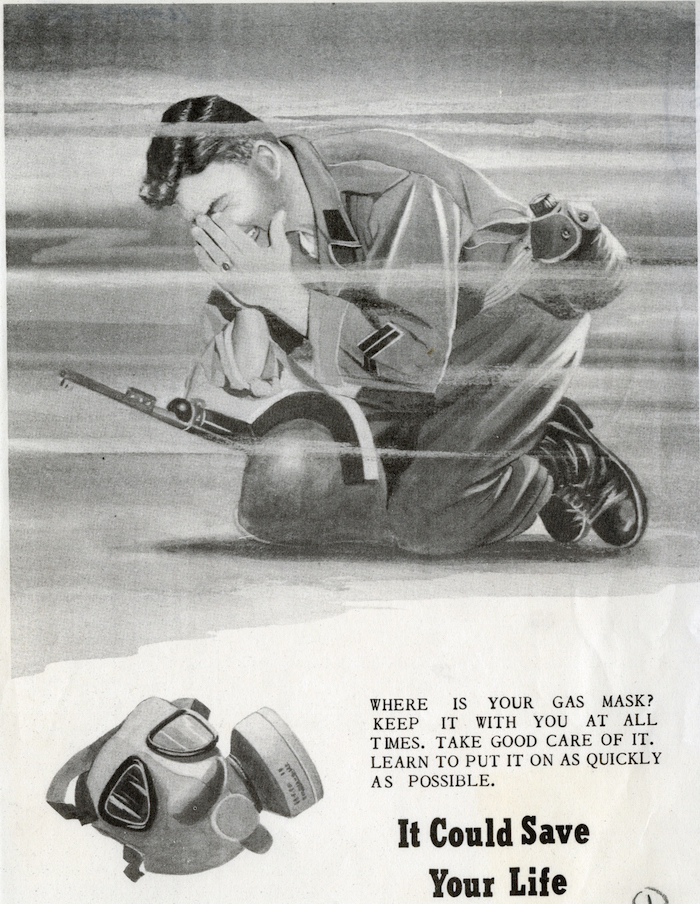
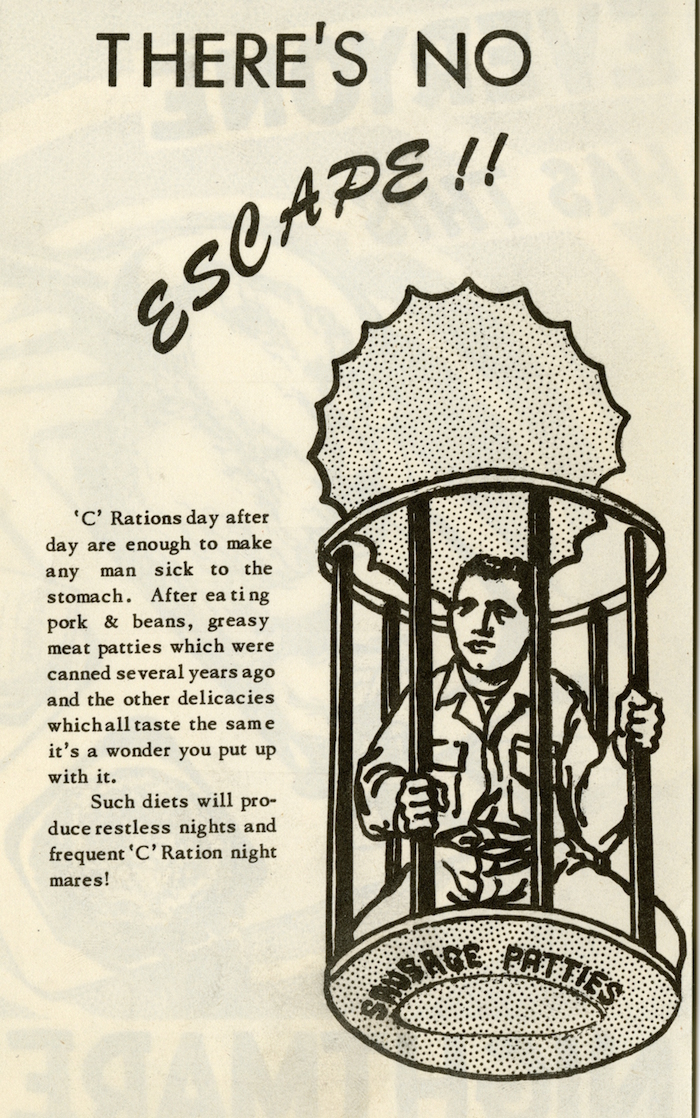
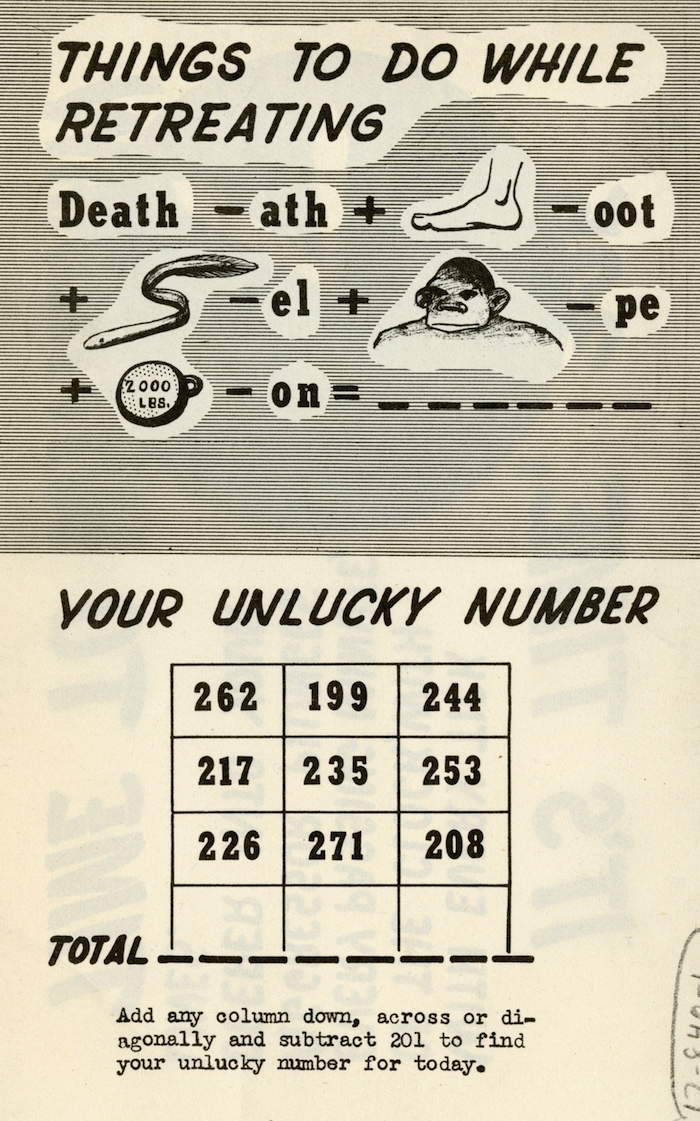
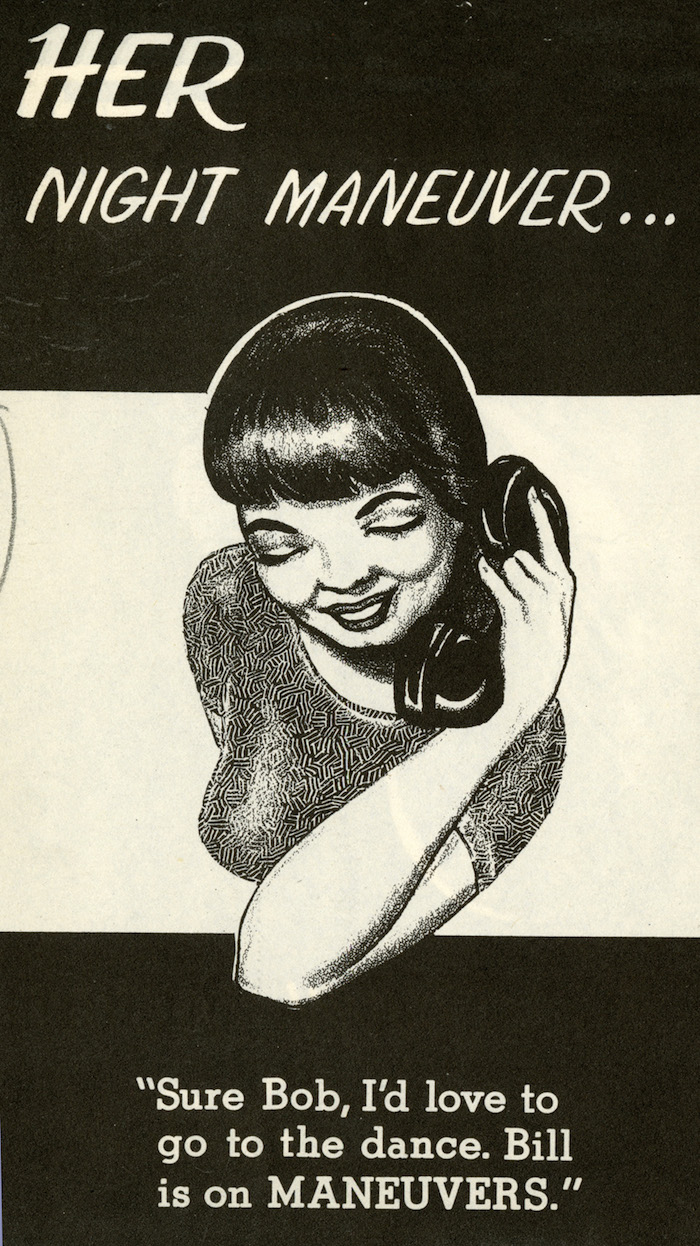
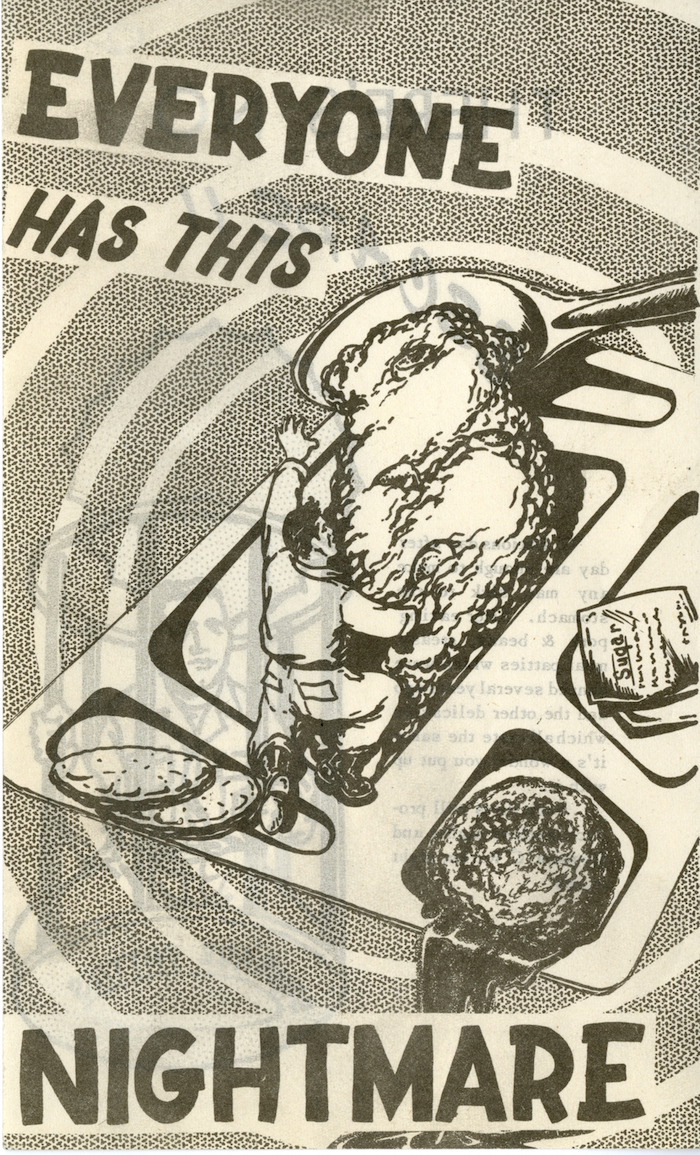
Under severe battle conditions a leaflet is just as formidable as a deadly weapon. In wartime, leaflets are designed to convey a message without artifice or conceit and used to undermine a battle-weary soldier’s morale. The variety discussed here is especially virulent when the troops are caught in prolonged engagements, and more susceptible to doubt and despair than to free thought. Given the anxiety of battlefield encounters, even the toughest soldier is psychologically vulnerable. So to train soldiers to withstand the presures, the United States Army (and military forces in general) conduct exercises that teach soldiers to resist emotional assault.
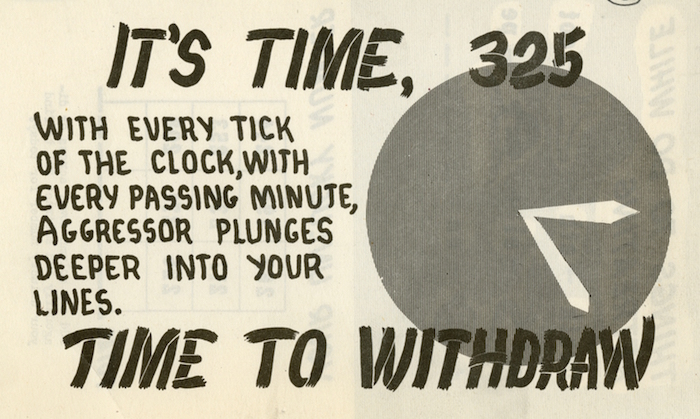
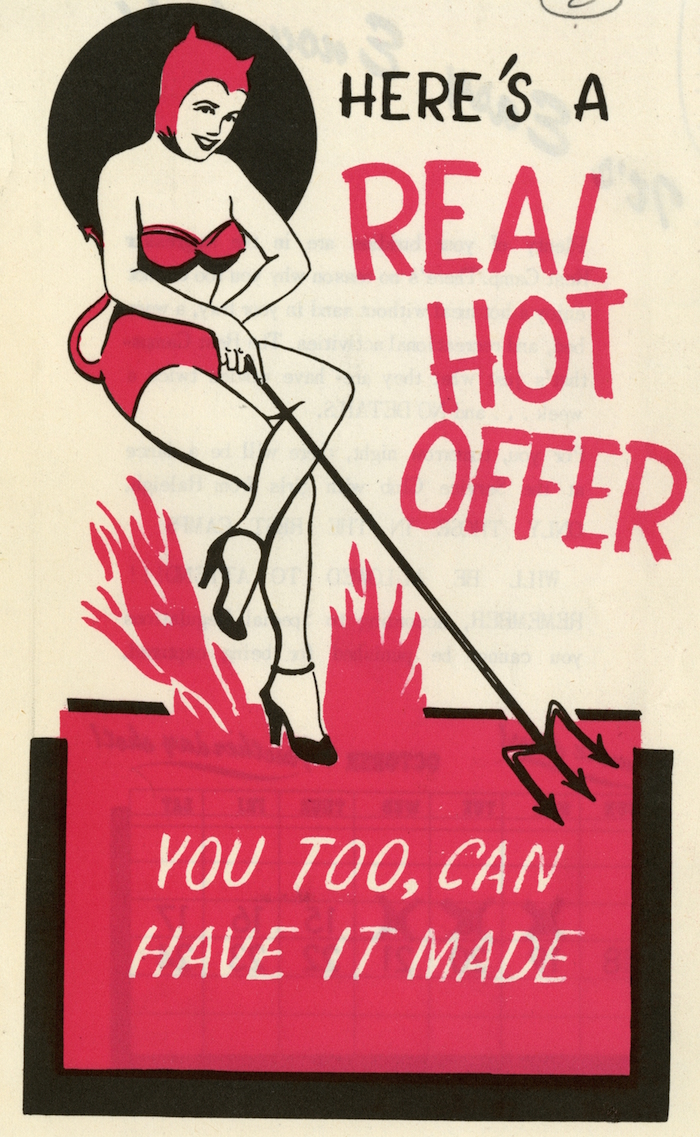
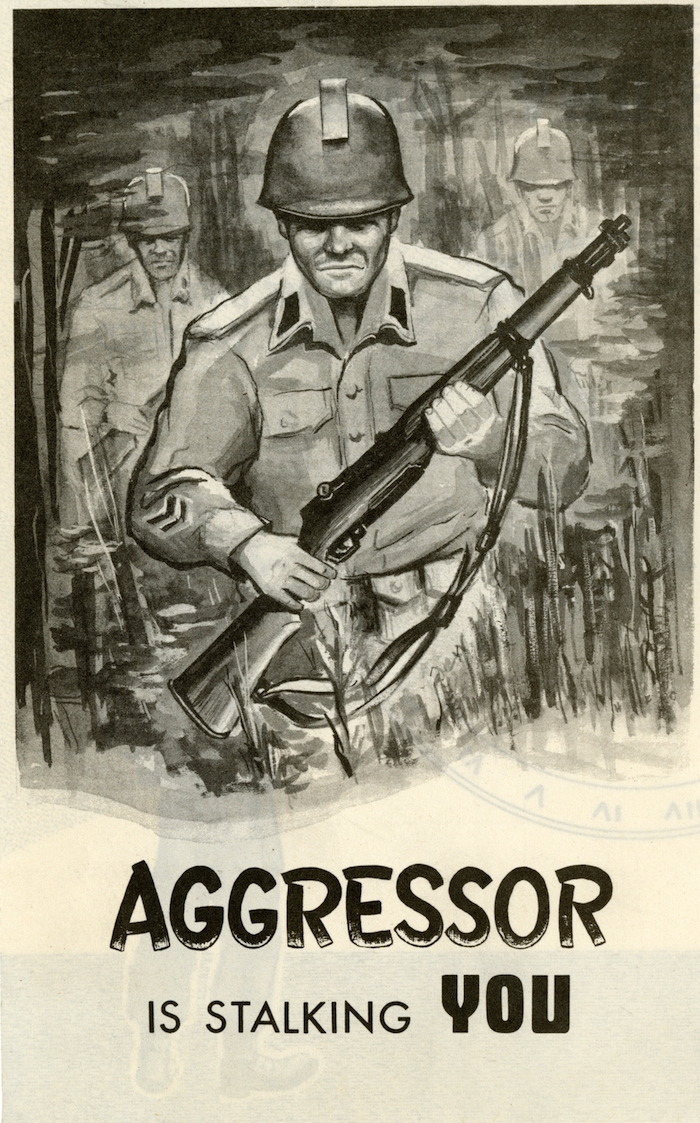
During the 1950s and ’60s Cold War, when US defenses were on the ready, the Defense Department’s Psychological Warfare (PsyOps) Division produced simulated enemy leaflets that were routinely dropped from aircraft during field maneuvers in an effort to expose troops to the reality of what they might expect under real battle conditions. Crudely printed on cheap paper usually in black and white, the typography is competent but undistinguished, yet the imagery is suitably menacing. Illustrated in a pulp comic book style, the Aggressor is not given any explicit national characteristics, but has an alien demeanor—while seeming to be unthreatening.
++++
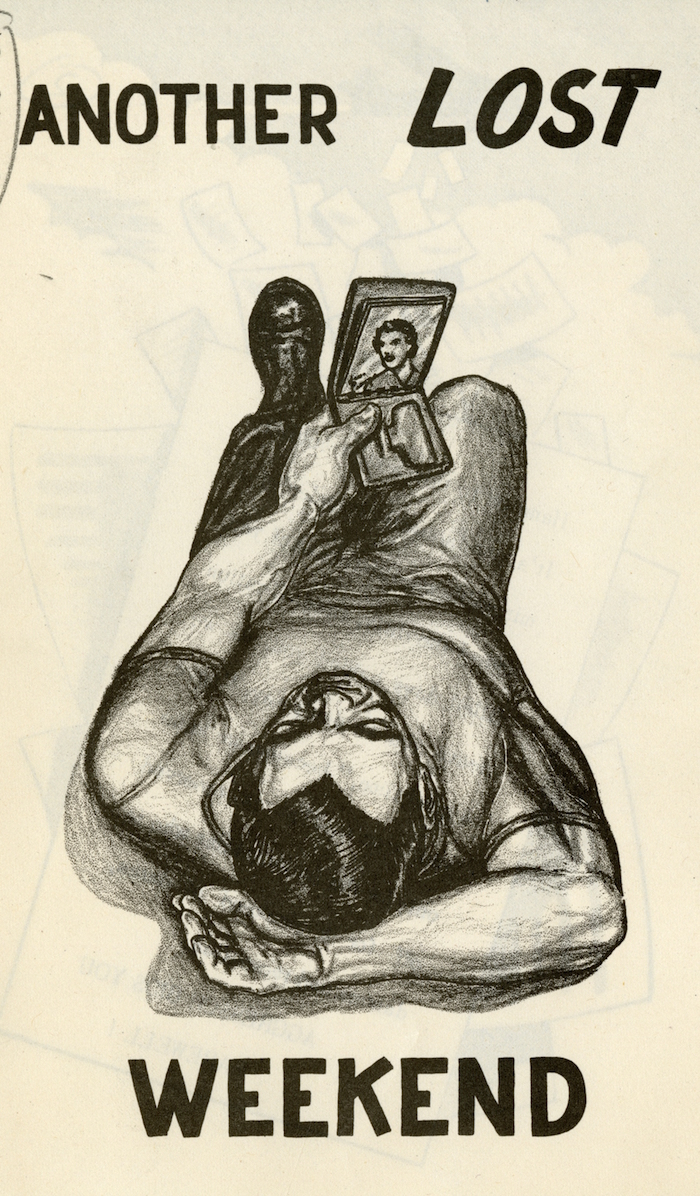
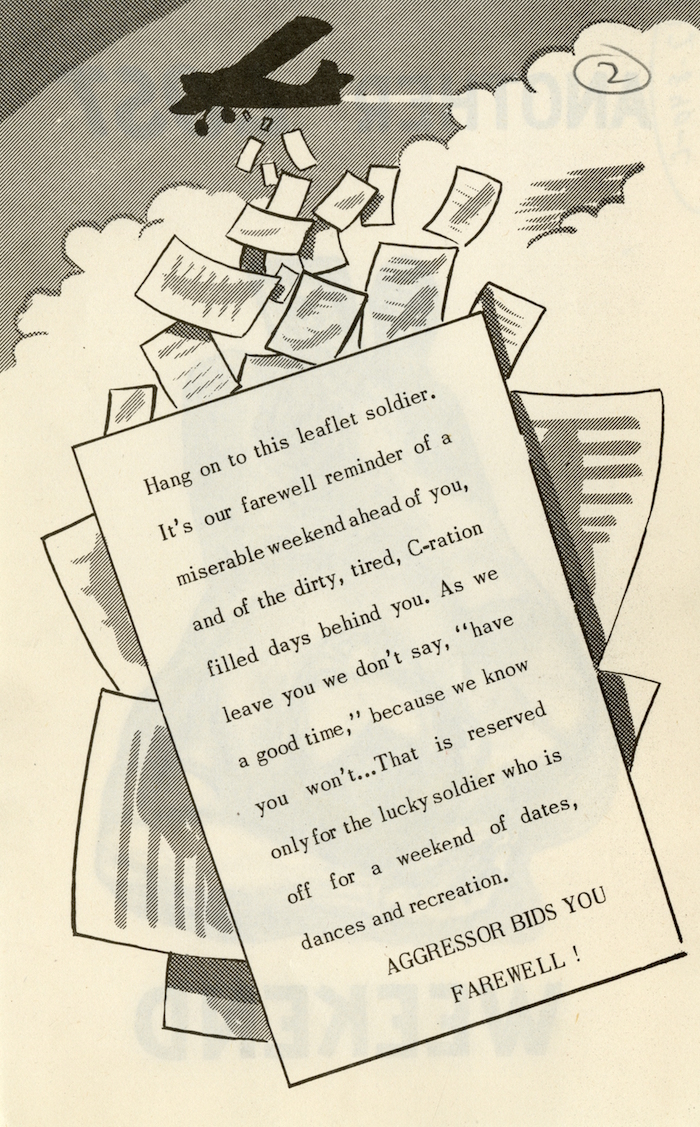
Observed
View all
Observed
Share on Social


By Steven Heller
 Steven Heller is the co-chair (with Lita Talarico) of the School of Visual Arts MFA Design / Designer as Author + Entrepreneur program and the SVA Masters Workshop in Rome. He writes the Visuals column for the New York Times Book Review, a weekly column for The Atlantic online and The Daily Heller.
Related Posts
Innovation
Ashleigh Axios|Essays
Innovation needs a darker imagination

Business
Kim Devall|Commentary
The most disruptive thing a brand can do is be human
AI Observer
Lee Moreau|Commentary
The Wizards of AI are sad and lonely men
Business
Louisa Eunice|Essays
The afterlife of souvenirs: what survives between culture and commerce?
Subscribe to The Observatory
Related Posts
Innovation
Ashleigh Axios|Essays
Innovation needs a darker imagination
Business
Kim Devall|Commentary
The most disruptive thing a brand can do is be human
AI Observer
Lee Moreau|Commentary
The Wizards of AI are sad and lonely men
Business
Louisa Eunice|Essays