


April 9, 2026
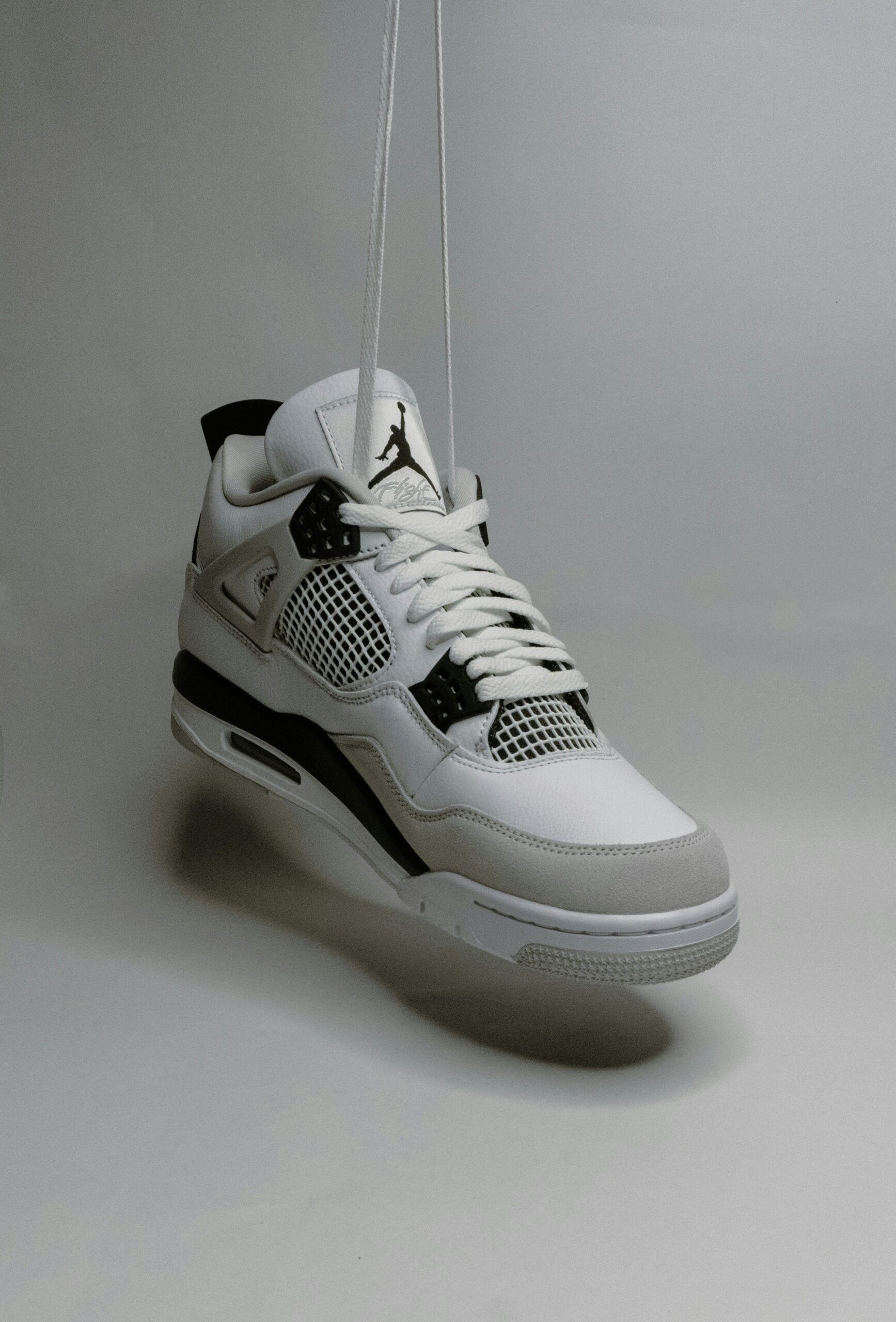
The man who built the $7 billion Jordan Brand had a secret
Larry Miller is ready to talk — and to turn his expertise into new hope for the formerly incarcerated.
“There was no single thing that made me flip,” writes Larry Miller in Jump: My Secret Journey from the Streets to the Boardroom. He was born into a busy, wage-earning Black family in West Philadelphia, surrounded by neighbors who knew one another. And yet, “I flipped from being the straight-A student, on the right track, and jumped on the track to becoming a grade A-gangster.” He was barely 14. Two years later, he shot and killed a boy whom he wrongly believed to be a rival gang member and was sent to juvenile detention.
Miller’s story only gets more complicated and extraordinary from there.
Longtime Nike fans will recognize his name; Larry Miller went on to an almost impossibly successful career in executive leadership, sports, and branding. When he joined Nike in 1997, he quickly became president of Jordan Brand. At the time, revenues were around $150 million, and its future was uncertain. When he moved to his current role as chair of the Jordan Brand Advisory Board in 2019, it had become a certified mega-business with revenues close to $4 billion. (That number grew to $7.3 billion in 2025.)
He’s worked with celebrities, Fortune 500 CEOs, and met with Presidents. He took a side quest as the president of the Portland Trail Blazers. He was in the room and in the loop.
The twist: he kept his past a secret throughout the entirety of his career, a choice which led to a lifetime of nightmares and crushing migraines, “corroding me from the inside, haunting me day and night.”
Miller is sleeping more freely now.
The book tells his story in unflinching detail while weaving in lessons in business, branding, and life. And he’s ready to apply his extraordinary leadership and brand management expertise to an issue with far less crowd appeal: the more than 80 million people with arrest records in the US. His latest project is JUMP, or the Justice & Upward Mobility Project, which aims to build a bridge for the formerly incarcerated through a “reinforcing flywheel” of education, employment, policy reform, narrative change, and cross-sector coalitions.
How? I plan to find out.
I’ll be spending an hour with Larry Miller live on stage at the Great Place To Work Summit on April 23 in Las Vegas. If you’re looking for narrative change at scale, then pitching your vision to hundreds of transformation-minded executives is a great start. (They’re the real deal; you can listen to this DBBD episode with GPTW CEO Michael Bush here.) If you’ll be in the Las Vegas area and want to come, they’re offering a deep discount for Observatory readers, of $995 (full price is $2195). Code: DESIGNOBSERVER26.
I’m excited to learn more about Miller’s plans.
Miller took advantage of a remarkable number of meaningful interventions, many of which no longer exist in the carceral system. He continued his education in prison and ultimately graduated with honors from Temple University in 1982 through a unique program. He wants to remedy that.
But he also had a strong foundation going in, the beneficiary of interlocking systems that are similarly under threat in Black communities. His mother had a healthy pregnancy and gave birth to healthy children. He enjoyed school and understood the value of education. And before their West Philly neighborhood was decimated by poorly implemented integration initiatives and deliberate disinvestment in key city services, their “village” was safe, walkable, and familiar. We need to talk about all of that, too.
And, voting rights are now under siege in an extraordinary way that threatens to further reduce the political power of formerly incarcerated people and the kinds of neighborhoods that Miller grew up in. (You’ll hear more from us on that, soon.)
What would you like to hear from Larry Miller? What are you curious about? Let me know, I’ll take your questions with me. I hope to see you in Las Vegas.
Ellen McGirt
Editor-in-Chief
LinkedIn
Instagram
Threads
Ellen@designobserver.com
P.S. Did someone who loves you send you this newsletter? Welcome! Subscribe here.
This edition of The Observatory was edited by Rachel Paese.
This is the web version of The Observatory, our (now weekly) dispatch from the editors and contributors at Design Observer. Want it in your inbox? Sign up here. While you’re at it, come say hi on YouTube, Reddit, or Bluesky — and don’t miss the latest gigs on our Job Board.
Observed
What are you observing? Tell us.
The METROPOLIS Interface U.S. Sustainable Design Report 2026 highlights new research nudging climate action toward coordinated strategies linking materials, ecosystems, data, and policy. Here’s one nugget: “According to the WWF Living Planet Report from 2024, there was a 73% average wildlife population decline from 1970 to 2020, two out of three land plants are threatened with extinction, and 38% of tree species are at risk.” Have a blessed day.
The New York chapter of the AIGA has made its poster collection public for the first time, documenting some 50 years of events, talks, and exhibitions. “The poster archive connects to our current craving for something more tactile and human,” says AIGA director Stacey Panousopoulos.
Milan Design Week is set to open April 20, and promises an exciting mix of design, architecture and innovation. DesignBoom has a visitor guide; Dezeen offers 21 must-see exhibits; and Vogue Scandinavia takes us inside Ikea’s immersive ‘Food for Thought’ exhibition, which sounds like a delicious melding of culinary arts and interior design.
The woman who led the EV-era design at GM is retiring. Among Sharon Gauci’s greatest hits as executive director of global design are the Sierra EV and major logo redesigns. From Car Design News: “A thoughtful and composed designer, Gauci was part of the jury for the Car Design Review 9 yearbook and noted in her profile that ‘good design understands the purpose and the customer, but it needs to be beautiful and harmonious as well.’”
Jason Farman thinks usability in tech design is a problem, but not the way you think. The professor of American Studies and Immersive Media Design at the University of Maryland, College Park, is revisiting the gospel of Donald Norman. “The problem isn’t usability itself; it’s what it has become—a design approach that replaced any need whatsoever to understand complex systems with the ability to thoughtlessly interact with them,” he writes in Slate+.
Meet the Big Chiefs of the many tribes of the Mardi Gras Indians, also known as the Black Masking Indians. Since the 1800s, these resplendent revelers have celebrated Mardi Gras day by making music on the streets of New Orleans, adorned in elaborately beaded and sequined costumes. It’s a cultural gumbo at its finest, with design, community, and liberation at its heart. Many thanks to 60 Minutes for getting something really right. Enjoy.
Job board
Hiring a designer? Post your role on the Design Observer Job Board to reach a highly engaged audience of designers, creative leaders, and studios across the Design Employment Network.
Corrugated Packaging Designer – Structural at Hood Container, Chicago, IL.
Home Decor Product Designer at Uniek Inc, Waunakee, WI.
Specialty Designer, Hard Goods/ Industrial Design at Universal Music Group, Santa Monica, CA.
End marks
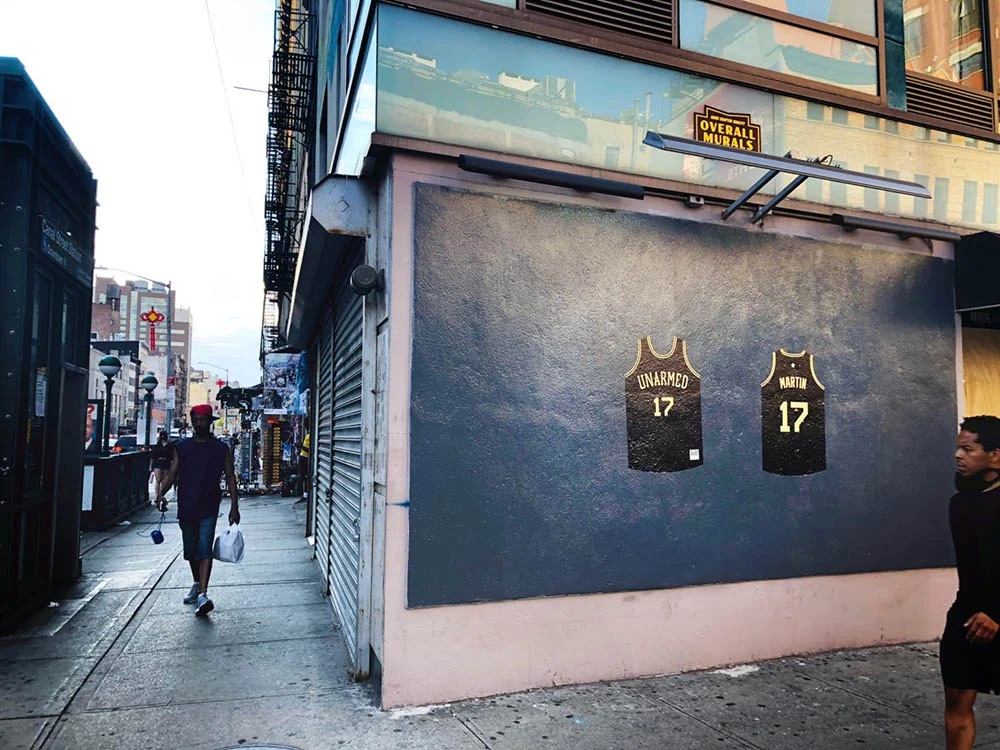
Sport has proven to be a powerful stage for demanding justice. Design Observer has highlighted some of basketball’s standout moments and even talked activism in the WNBA with Commissioner Cathy Engelbert.
Today, dive into a story from 2020 by Stephen Heller:
“Since 2013, in the wake of the acquittal of Trayvon Martin’s killer, the New York based photographer and filmmaker Raafi Rivero has designed a series of basketball jerseys with the team name ‘Unarmed.’ Each jersey memorializes a victim of racist police violence and is in the color/brand of a nearby sports team. The victim’s name is on the back of each jersey, the number is the victim’s age, and stars, if present, indicate the number of times the victim was shot.
This is the web version of The Observatory, our (now weekly) dispatch from the editors and contributors at Design Observer. Want it in your inbox? Sign up here. While you’re at it, come say hi on YouTube, Reddit, or Bluesky — and don’t miss the latest gigs on our Job Board.
Observed
View all
Observed
Share on Social


By Ellen McGirt
 Ellen McGirt is an author, podcaster, speaker, community builder, and award-winning business journalist. She is the editor-in-chief of Design Observer, a media company that has maintained the same clear vision for more than two decades: to expand the definition of design in service of a better world. Ellen established the inclusive leadership beat at Fortune in 2016 with raceAhead, an award-winning newsletter on race, culture, and business. The Fortune, Time, Money, and Fast Company alumna has published over twenty magazine cover stories throughout her twenty-year career, exploring the people and ideas changing business for good. Ask her about fly fishing if you get the chance.
Related Posts
The Observatory Newsletter
Ellen McGirt
Who gets to decide where power begins and ends?
The Observatory Newsletter
Rachel Paese
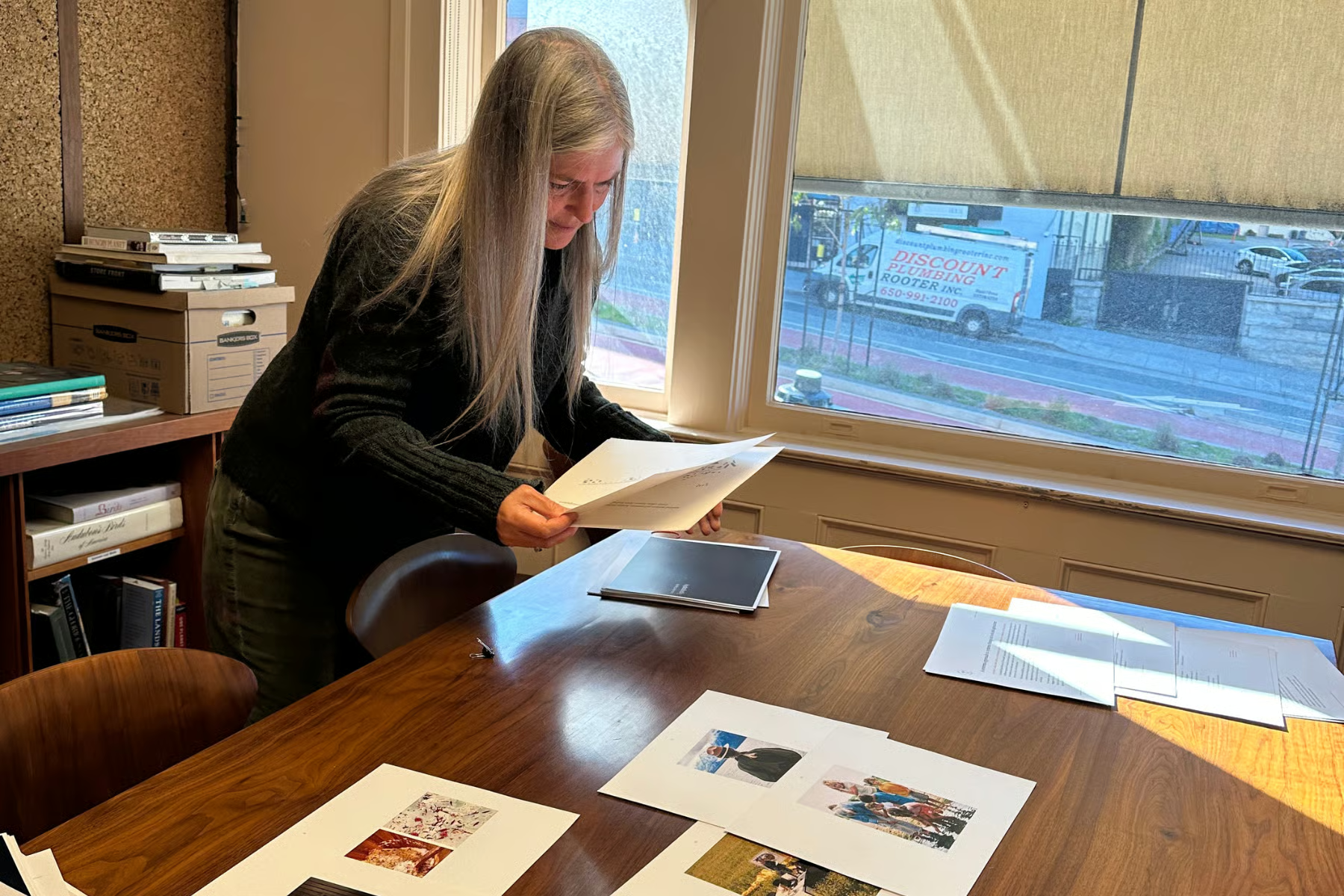
You need an observation practice
Draw the Line
Audio
BONUS: Live from Essence Fest – The Work Gets Personal

Draw the Line
Audio
BONUS: Live from Essence Fest – The Accounting
Subscribe to The Observatory
Related Posts
The Observatory Newsletter
Ellen McGirt
Who gets to decide where power begins and ends?
The Observatory Newsletter
Rachel Paese
You need an observation practice
Draw the Line
Audio
BONUS: Live from Essence Fest – The Work Gets Personal
Draw the Line
Audio