



June 29, 2026
Your summer reading list
We asked, "What book made you a better designer?"
During a recent reporting trip touring Louisiana’s “Cancer Alley,” I listened to Octavia Butler’s Parable of the Talents, published in 1999. It’s the second installment in a prescient trilogy, set in an America barely hanging on in 2032: environmental degradation, economic chaos, widespread violence, a wave of detentions, and a zealous tyrant running for President.
It turned out to be… an interesting choice.
“We caused the problems: then we sat and watched as they grew into crises,” said the narrator, as I drove past the sugar plantations and petrochemical plants.
Reading fiction for insight and pleasure is my lifeline, a practice I have been intentional about since a series of interlocking crises — from quarantine to the deaths of loved ones — showed me that my frantic soul was starved for inspiration. I now consume novels like the brain food they are — ping me if you’d like to see my list.
But your lists matter more.
We’re always curious about how you feed your soul, so for our most recent book list, deputy editor Rachel Paese reached out to the Design Observer community with a simple question: what book made you a better designer?
The answers below were varied and inspiring, and perfect fodder for anyone who wants to understand how things are and can be better. Who says your summer beach read can’t be good for the world?
What’s on your reading list? Let’s chat.
Ellen McGirt
Editor-in-Chief
Ellen@designobserver.com
P.S. Did someone who loves you send you this newsletter? Welcome! Subscribe here.
This edition of The Observatory was edited by Rachel Paese.
This is the web version of The Observatory, our (now weekly) dispatch from the editors and contributors at Design Observer. Want it in your inbox? Sign up here. While you’re at it, come say hi on YouTube, Reddit, or Bluesky — and don’t miss the latest gigs on our Job Board.
Your summer reading list
We use bookshop.org for our affiliate links; proceeds from book sales support local booksellers and our editorial programs.
It was Munari’s way of seeing — curious, playful, visionary, systematic, and human all at once — that shaped Giorgia Lupi more than any other book, she tells Design Observer. The information designer and Pentagram partner keeps returning to Bruno Munari’s Da cosa nasce cosa — published in English as Design as Art — because, as she puts it, “design is not only about solving problems, but about opening up new ways of seeing.”
For Alix Pollack, Catalyst’s Head of Knowledge Transformation and Solution Development, the pick is less about tactics than orientation. Malcolm Gladwell’s The Tipping Point taught her not to underestimate the slow work of chipping away at progress. “Change happens slowly, and all at once,” she says, and the book reminds her that the long game is the work.
Lo—TEK: Design by Radical Indigenism, Julia Watson’s survey of Indigenous design intelligence, opened Ari Melenciano to international, deeply imaginative ways of solving human problems. The artist, designer, and educator — founder of Afrotectopia and a professor at NYU’s Interactive Telecommunications Program — found in it solutions that are “incredibly eco-friendly and sustainable,” she says, “while always considering the health of the Earth.”
What makes something beautiful? It’s a quiet, internal question that keeps resounding for Jonsara Ruth, co-founder and design director of Parsons’ Healthy Materials Lab — and the one Soetsu Yanagi’s The Unknown Craftsman keeps answering from the perspective of craft, clay, and the human interaction with materials. “I feel filled when I read these insights,” she says of the book, a Japanese meditation on beauty she’s returned to across several decades.
The one book Ethan Marcotte wishes he’d read at the very beginning of his career is Ursula Franklin’s The Real World of Technology. The web designer who coined “responsive web design” credits Franklin with rewiring how he thinks about his practice — her argument that technology is a social force “capable of reshaping, and if we’re not careful, harming people’s lives,” he says. It’s a book he wishes every designer would read.
Rachael Dietkus found her copy of Edward de Bono’s Children Solve Problems secondhand at a campus bookstore in the early 1990s, caught between studying design and switching to sociology — so “it resonated with me on many levels.” The social worker-designer and founder of Social Workers Who Design was intrigued by its short stories, illustrations, and de Bono’s analysis of how children addressed barriers; the 1972 book became her “unexpected introduction to public service design and systems thinking.”
Jamer Hunt admits he’s going to cheat and name an essay rather than a book: Joan Didion’s “Why I Write.“For the writer and Program Director for University Curriculum at The New School — and founding director of Parsons’ Transdisciplinary Design program — it’s a dazzling reminder that creative making can precede seeing and understanding, and that, as he puts it, “attunement to the cat’s shimmer is all you need to start.”
Without a doubt — and, she’d say, unsurprisingly — Dionna Dorsey names The Artist’s Way. The designer, creative director, and co-founder and CEO of The Creative Ladder has a standing instruction for any creative who hasn’t yet read Julia Cameron’s classic: “drop everything and read it now.“
Dave Snyder offers a bit of a curveball. It was the ads in Thrasher and Transworld — skateboarding’s mid-90s typographic moment — that first piqued the Siberia partner and head of design’s interest in design, and in typography specifically. “And I liked it,” he says. But it was Michael Bierut’s Looking Closer series, which collected critical essays on design, that truly shifted his worldview about how we think, write, and explore the importance of the craft: design with the capital “D.”
Some fine print
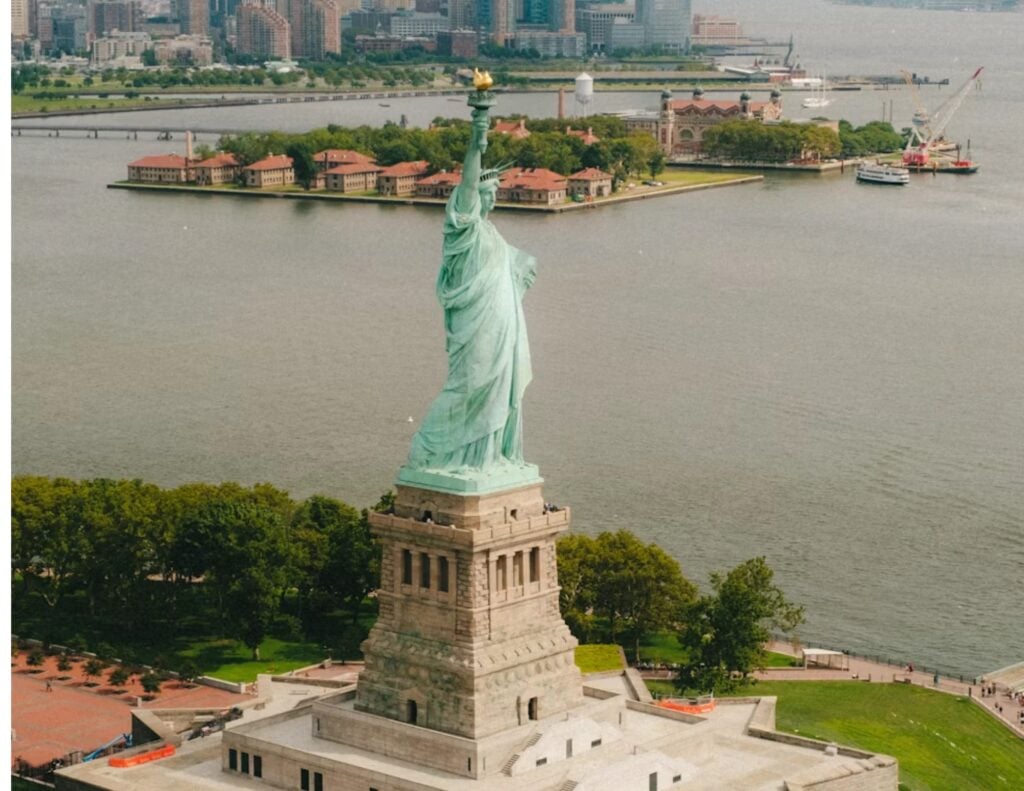
America 250: design’s role in shaping national identity. From passports to “I Voted” stickers, design has long helped define the national “we” — and who stands outside it. By Jessie McGuire.
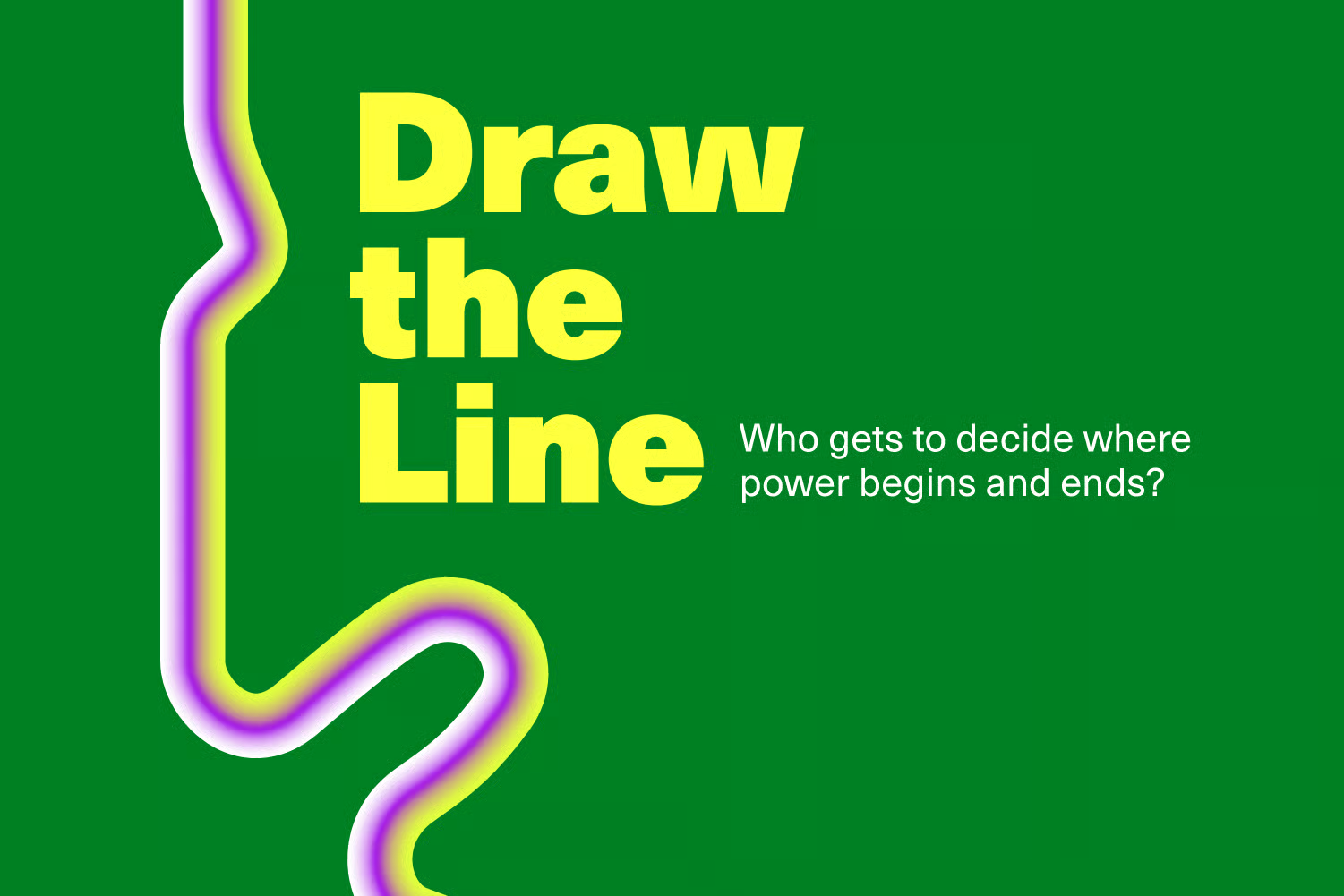
Draw the Line
The Supreme Court case Louisiana v. Callais gutted the Voting Rights Act and rewrote the rules of American democracy. Draw the Line spends ten episodes telling the inside story of Louisiana’s fight over power, maps, and who gets left off them. As goes Louisiana, so goes the rest of the country. Who’s fighting for your vote?
Find exclusive, behind the scenes clips from experts on our Youtube.
Observed
What are you observing? Tell us.
The Luce is Ferrari’s first electric vehicle, designed by Jony Ive of Apple fame; it boasts a $640,000 price tag and, according to designer and MIT professor Carlo Ratti, the negative reviews have been “swift and savage.” Stop the hate, he says. What’s required now is a journey to something new, a breakthrough in form and function. “Innovation is never easy, especially in Italy, where design is close to divine,” he says. “Their animosity is out of alignment with how innovation works.”
NYC schoolkids are helping design schoolyard playgrounds that are both fun for them and great for year-round community play. Using a hands-on design process, they dream big but opt out of unworkable ideas— like a chocolate fountain — and make whimsical if practical choices; think: aliens and dragons, pink basketball courts, hair braiding stations, introvert reading corners. There are now 225 kid-designed playgrounds built in NYC since 2002 through the Community Schoolyards program.
At least 1,500 people died in last summer’s European heat wave as a direct result of fossil fuel use and global warming, scientists found. “Heat waves don’t leave a trail of destruction like wildfires or storms,” said a co-author of a study. “This is why heat waves are known as silent killers: Most heat wave deaths happen in homes and hospitals, out of public view and are rarely reported.” It was the third-warmest August on record.
We just don’t know what’s going on with Europe, headline edition. 2019: What is causing the European heatwave? 2020: What has caused Europe’s heatwave? 2022: Why are heatwaves becoming so common in Europe? 2022: Europe’s not ready for a hotter world. 2023: Heatwave deaths increased across almost all of Europe in 2023; 2023: Europe experiences widespread flooding and severe heatwaves in 2023; 2024: Heat claims more than 175,000 lives annually in Europe, latest data shows; June 2026: Europe braces for prolonged heatwave as temperatures approach 40C.
Extreme heat is a real-world infrastructure problem. “Most of our physical infrastructure was built using the temperature records of the mid-20th century,” Costa Samaras, then the principal assistant director for energy with the White House’s Office of Science and Technology Policy, told the Washington Post. “That is not the climate we have now.” (1/2)
Lucky for us, he’s on it. Dr. Constantine (Costa) Samaras holds numerous positions at Carnegie Mellon University, but his interdisciplinary Center for Engineering and Resilience for Climate Adaptation caught my eye. “Using high-resolution climate information and systems models, our group assesses how to make what we’re building, and what we’ve already got, clean and resilient,” he writes. They tackle everything from semiconductor supply disruptions to risks to infrastructure-related capital markets to resilient stormwater management. (2/2)
The reflecting pool from hell. There has been so much breaking news with the Lincoln Memorial reflecting pool that the Guardian is now covering it in its U.S. politics live blog. Five people have reportedly been arrested for vandalizing it. One of whom, apparently, was three-time Olympian David Hearn, who told the Washington Post that he had merely stopped by the pool to touch one of the pieces of paint liner that had bubbled up to the surface. Oh, it’s also filled with toxic algae, and the whole thing is peeling.
Job board
Hiring a designer? Post your role on the Design Observer Job Board to reach a highly engaged audience of designers, creative leaders, and studios across the Design Employment Network.
Event Production Graphic Designer at Design Foundry, Hyattsville, MD.
Product Designer / CAD Designer – Lightweight Panel Product Prototypes at Innovac Gesellschaft für Vakuumphysik mbH, Berlin, Germany.
Temporary Assistant Professor at University of Kentucky College of Design, Lexington, KY.
End marks
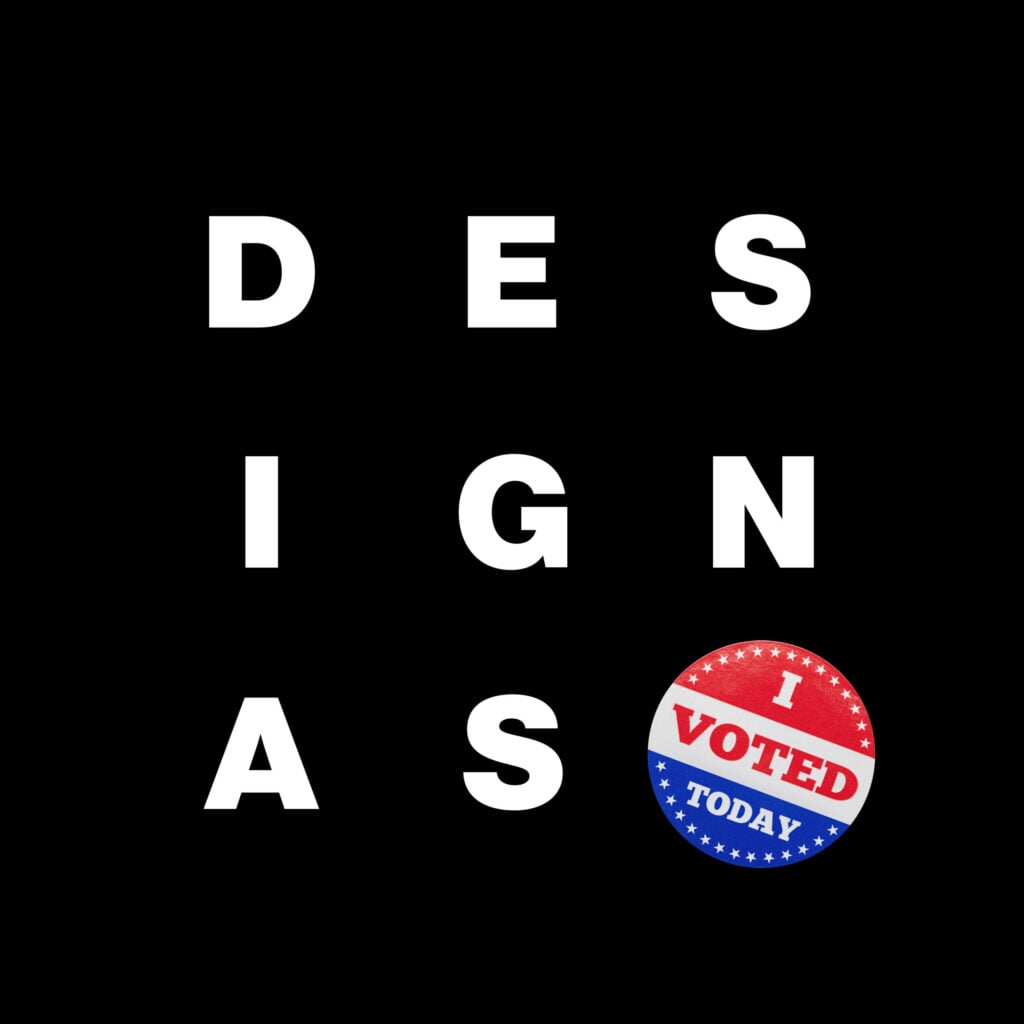
In season one of the Design As podcast, Lee Moreau sits down with Lily Tsai, Shari Davis, Oliver Escobar, Jamer Hunt, Manuel Lima, and Ellen McGirt to discuss Design As citizenship.
Oliver Escobar says, “It is not that good citizens make good participatory processes, good participatory processes make good citizens.”
This is the web version of The Observatory, our (now weekly) dispatch from the editors and contributors at Design Observer. Want it in your inbox? Sign up here. While you’re at it, come say hi on YouTube, Reddit, or Bluesky — and don’t miss the latest gigs on our Job Board.
Observed
View all
Observed
Share on Social


By Ellen McGirt
 Ellen McGirt is an author, podcaster, speaker, community builder, and award-winning business journalist. She is the editor-in-chief of Design Observer, a media company that has maintained the same clear vision for more than two decades: to expand the definition of design in service of a better world. Ellen established the inclusive leadership beat at Fortune in 2016 with raceAhead, an award-winning newsletter on race, culture, and business. The Fortune, Time, Money, and Fast Company alumna has published over twenty magazine cover stories throughout her twenty-year career, exploring the people and ideas changing business for good. Ask her about fly fishing if you get the chance.
Related Posts
The Observatory Newsletter
Ellen McGirt
Who gets to decide where power begins and ends?
The Observatory Newsletter
Rachel Paese
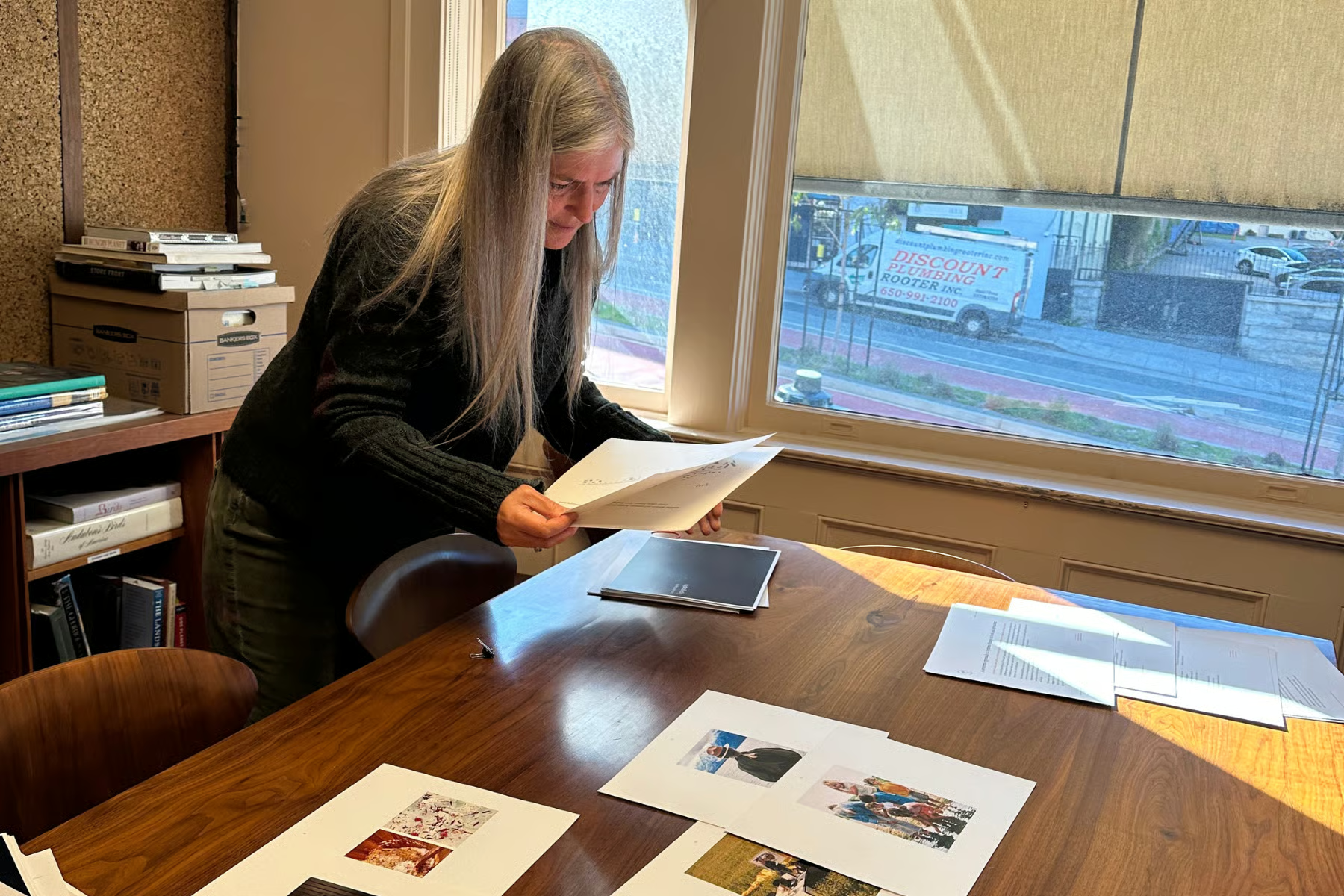
You need an observation practice
Draw the Line
Audio
BONUS: Live from Essence Fest – The Work Gets Personal
Draw the Line
Audio
BONUS: Live from Essence Fest – The Accounting
Subscribe to The Observatory
Related Posts
The Observatory Newsletter
Ellen McGirt
Who gets to decide where power begins and ends?
The Observatory Newsletter
Rachel Paese
You need an observation practice
Draw the Line
Audio
BONUS: Live from Essence Fest – The Work Gets Personal
Draw the Line
Audio