


June 26, 2026
America 250: design’s role in shaping national identity
From passports to "I Voted" stickers, design has long helped define the national "we" — and who stands outside it.
With America 250 upon us, brands, museums, and civic institutions are busy shaping how the nation will see itself at this milestone through logos, exhibitions, campaigns, and public narratives.
The official America 250 identity, with its star-shaped logo built from red, white, and blue ribbons, presents the anniversary as a broad national celebration centered on unity and civic participation. Yet state-level campaigns interpret that story differently. Virginia’s “VA250” initiative, for example, emphasizes the state’s role as the birthplace of the American Revolution and American democracy, grounding the anniversary in local history and heritage tourism. Meanwhile, the Smithsonian initiative frames the semiquincentennial as an opportunity to revisit overlooked histories, positioning commemoration alongside critical reflection.
Together, these efforts reveal that America 250 isn’t a single story but a contest over which version of America will be celebrated and carried forward.
The fact is, national identity has always been a design problem. It lives not only in ideals and slogans, but everything from borders, to passports, monuments and patriotic rituals like the Pledge of Allegiance.
Citizenship is itself a designed experience. It is visualized in documents, reinforced by media, and performed through systems of belonging. In America, design has long helped define the national “we” — and who stands outside it.
America 250 arrives with a central contradiction: even as institutions celebrate inclusion, systems of exclusion are intensifying. At the very moment Americans are invited into a shared national story, ICE raids, detention, and anti-immigrant rhetoric are reshaping public life through fear. Entire communities are told — visually, bureaucratically, and politically — that their presence is conditional.
This is not a side note to the America 250 conversation. It is the conversation.
The gap between symbol and infrastructure
Communication design alone can’t fix political violence. But it does shape which stories become visible, which communities become legible, and whose humanity is allowed to appear in public.
Throughout American history, design has repeatedly marked the boundary between inclusion and exclusion. Redlining maps visually encoded racial segregation into cities. “Whites Only” signs turned discrimination into a navigational system. And passports and citizenship certificates have long operated as designed expressions of state power, using the visual language of seals, signatures, and official typography to confer legitimacy and identity, communicating who belongs to the national project and on what terms.
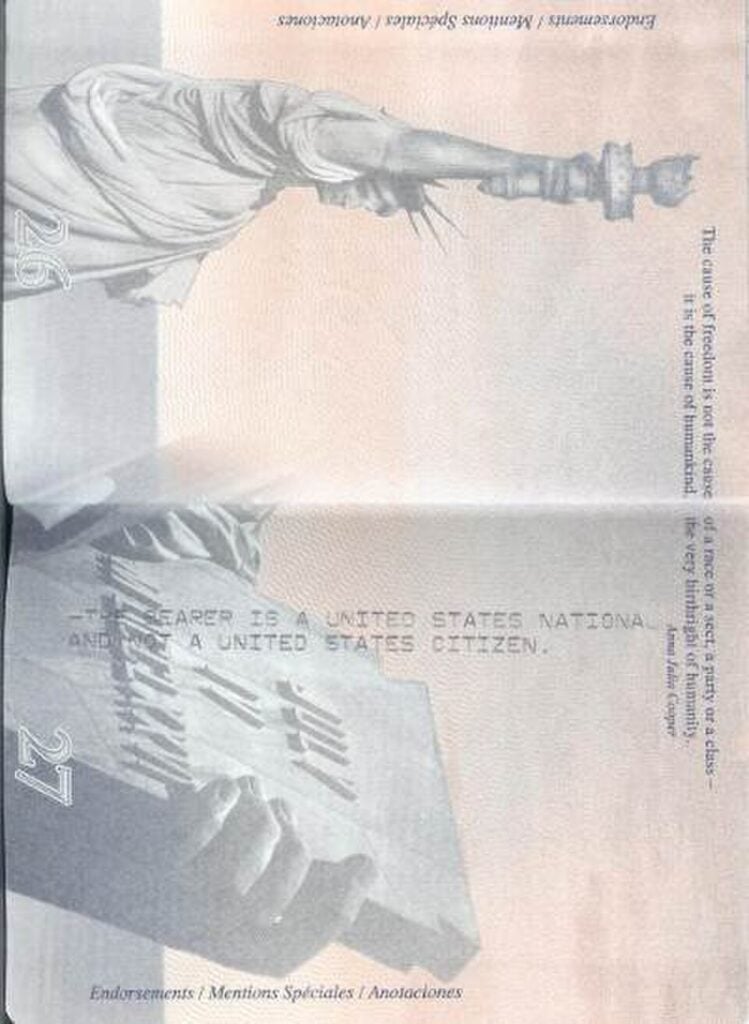
Similarly, naturalization monuments and materials turn belonging into a process of legibility requiring newcomers to learn specific histories and symbols.
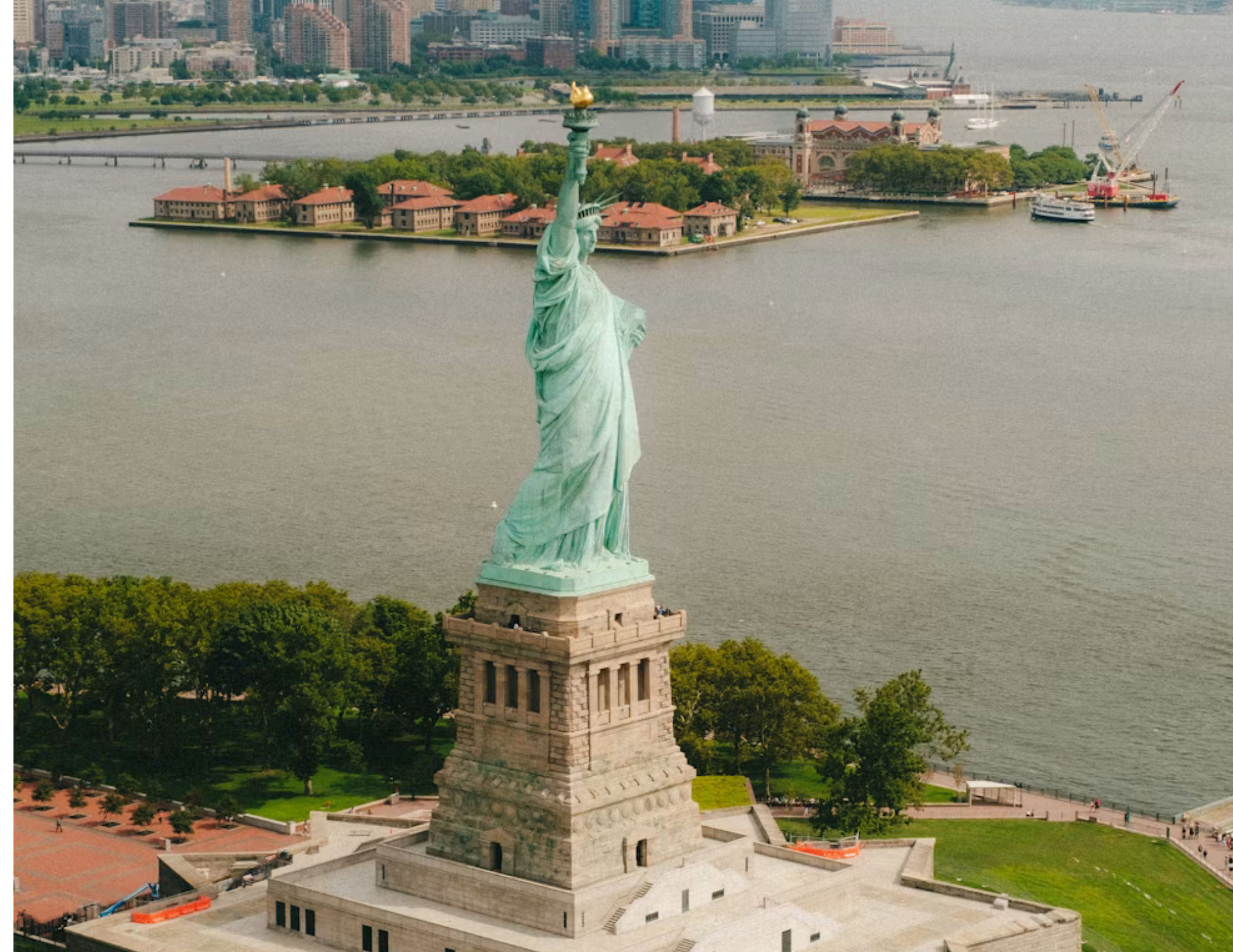
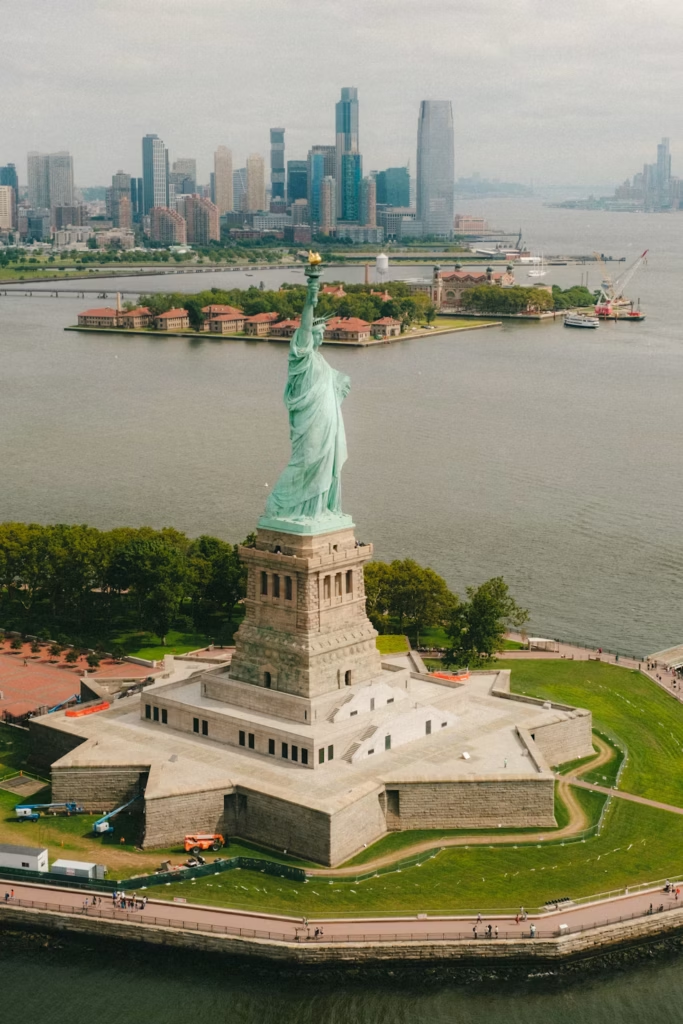
Consider New York Harbor. On one side an icon, the Statue of Liberty: a woman in oxidized copper, arm raised, projecting welcome. She is the national myth of refuge, the shorthand for openness. On the other side, a short boat ride away, Ellis Island, the hall where that myth was processed into policy.
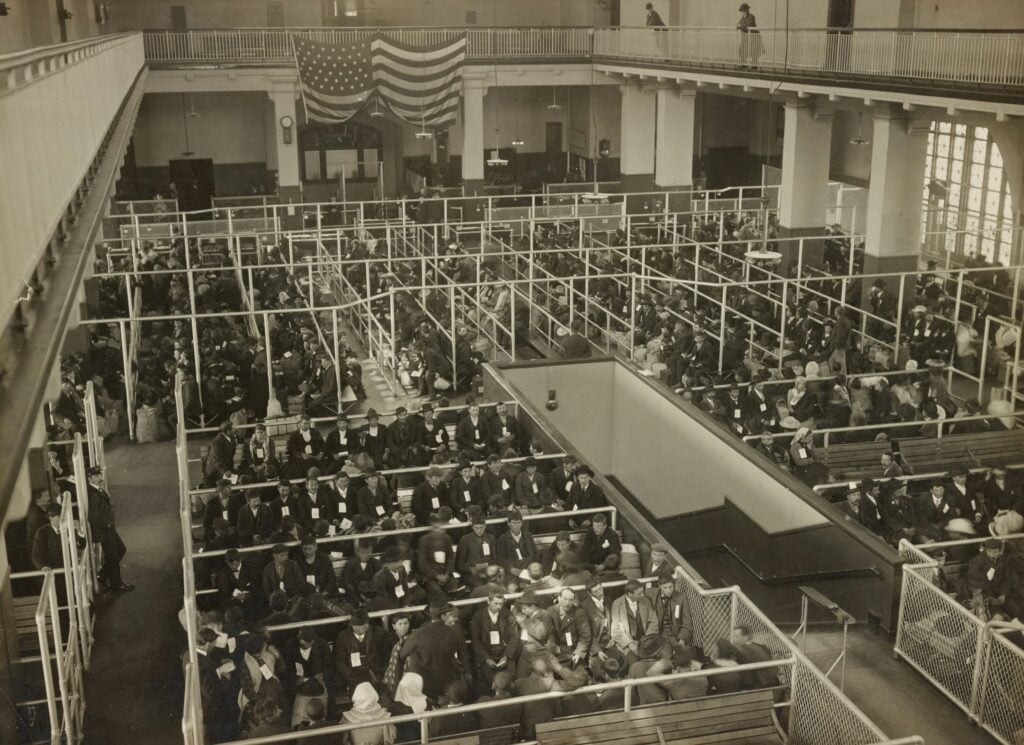
Ellis Island was another sort of gateway: queues, inspection rooms, stamps, medical exams, documents people couldn’t read, and doors that closed. It was choreography. Someone decided how bodies would move, where papers would be checked, which differences mattered, and which could be ignored. These systemic choices were part of a designed experience that determined whether someone became legible to the nation or remained outside it.
We often treat the statue as America and Ellis Island as logistics. From a design perspective, they are a diptych: the promise at the harbor, the fine print in the hall. That gap between symbol and infrastructure is where citizenship actually lives.
The power of the everyday
Even now, some of the most powerful artifacts of citizenship are mundane: voter registration forms, polling signage, maps, and government interfaces. We often treat them as neutral civic tools. They are not. The 2000 “butterfly ballot” became a global example of how design can distort democratic participation, when a seemingly technical decision about layout, typography, and alignment worked against comprehension and recorded votes incorrectly.
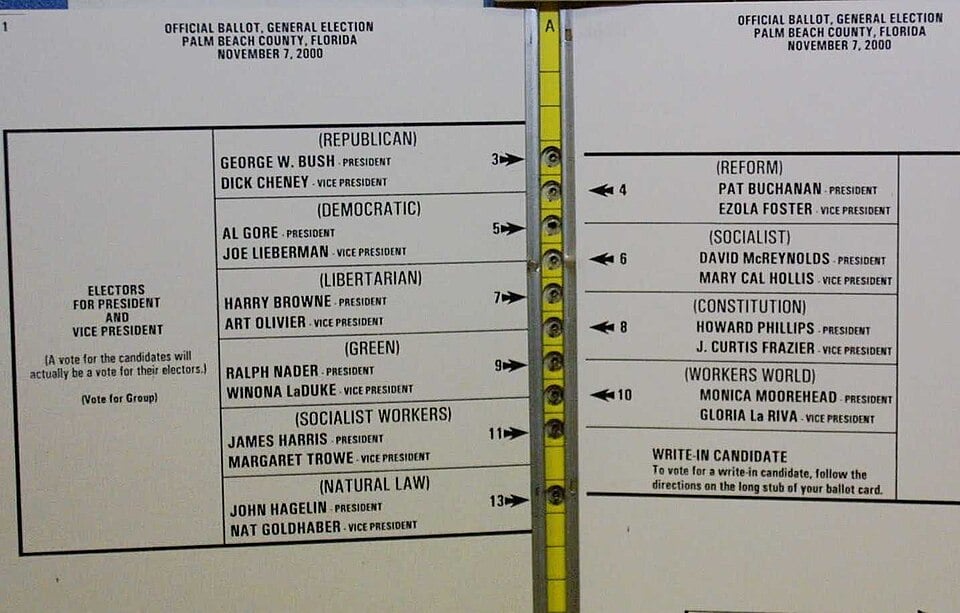
But there are easy ways that everyday civic tools can powerfully signal belonging, participation, and civic agency.
“I Voted” stickers, for example, have evolved into badges that celebrate participation and belonging . When Thought Matter, where I’m a managing partner, was invited to redesign the sticker for New York, we leaned into a visual representation of the Statue of Liberty that would help local voters feel pride and belonging.
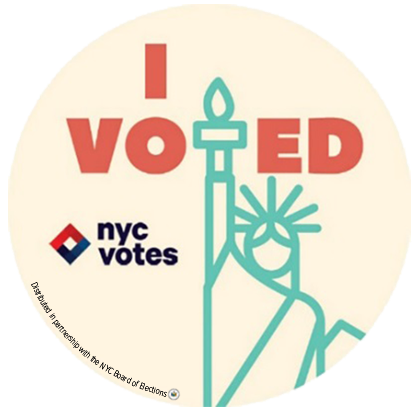
We sense that feeling today when regular New Yorkers wear affordable NYC-inspired World Cup jerseys, launched by Mayor Zohran Mandani in an inspired move to encourage a spirit of unity around the tournament.
We’ve noticed that exclusion works not only explicitly through policy, but through a pervasive visual culture that frames some communities as threats before they’re encountered as neighbors. We see it daily as news items characterized by walls, surveillance footage, detention imagery, and militarized borders.
As someone born in El Salvador and naturalized as an American citizen as a baby, I experience that atmosphere personally. That awareness changes how you move through public space – and how you understand visibility, documentation, and safety. There’s a dissonance in being told these policies are nothing to worry about, while also knowing I look like someone enforcement systems like ICE are built to target, question or remove.
Some artists and organizers have been building a counter-imagery to ICE. In New York, for example, immigrant rights groups have borrowed the familiar blue “ICE” logo from bags of commercial ice at bodegas and flipped it into protest graphics: “No ICE,” “ICE out,” “I like my ice crushed.” The typography, color, and blocky letterforms stay almost identical, but the meaning is inverted.
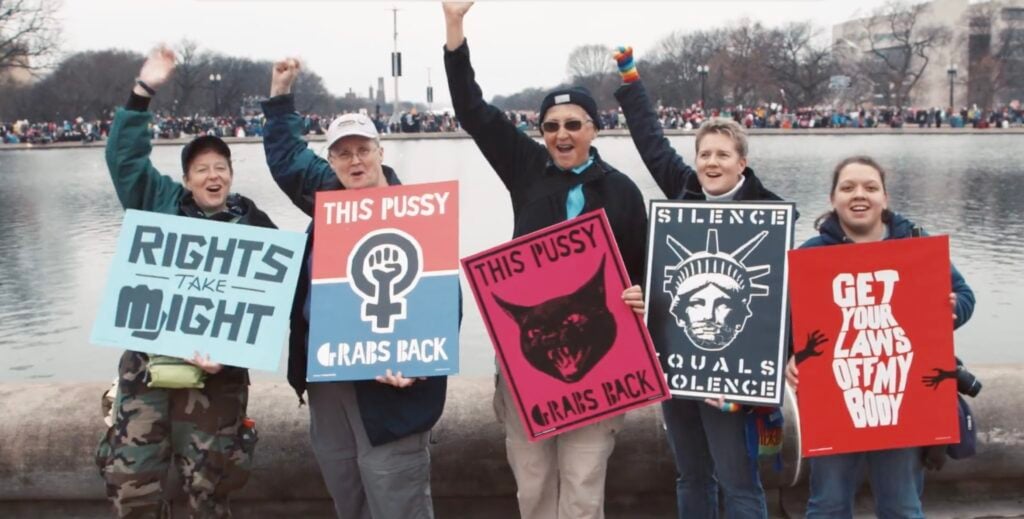
The projects I’m proudest of at Thought Matter are those that make clear the tangible power that public design projects can have to motivate real-world civic action. In 2016, we created over 15,000 posters for the Women’s March, capturing a spirit of resistance and rallying voices across the U.S. and beyond.
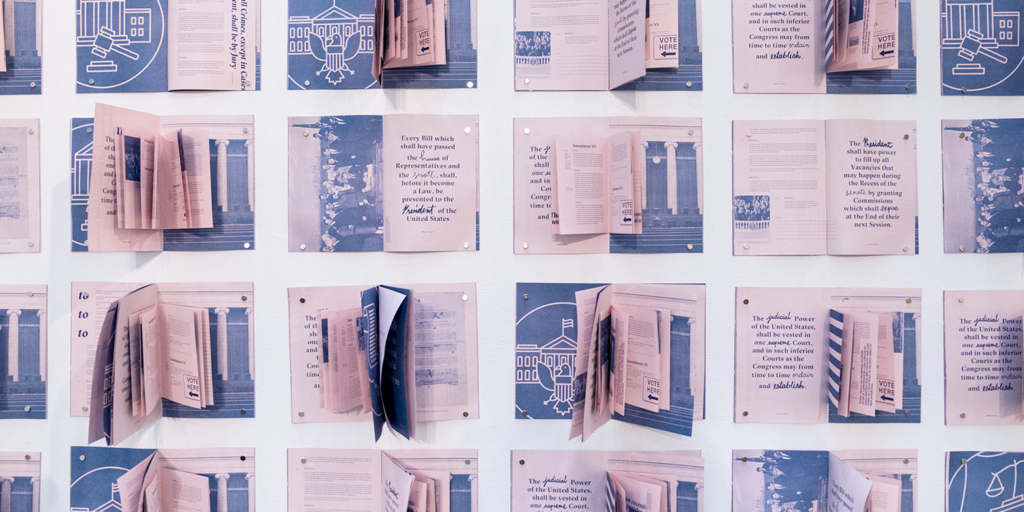
Our For the People and We the People poster exhibit reimagined the U.S. Constitution as an artistic dialogue on engagement and democracy. Yes, the Constitution speaks louder to a new generation on millennial pink paper. We’ve seen time and again at the studio how mobilizing posters, murals, and street art can mobilize action.
Now, America 250’s imminent arrival prompts the question, how can communities more broadly design nationwide symbols of participation and belonging?
Rewriting narratives
America 250 arrives at a moment of deep institutional distrust. In that context, design has a different responsibility: less branding, more reflection. The task isn’t simply to redesign patriotic imagery, but to redesign participation itself.
If the Statue of Liberty and Ellis Island remind us that the gap between symbol and infrastructure is where citizenship actually lives, then the work ahead is infrastructural: to redesign the ballots, maps, documents, interfaces, and public spaces through which people encounter the state, so they register as invitations rather than tests.
That work belongs to many hands — election officials and city agencies, yes, but also the designers they hire, the educators who choose which images of “America” go into classrooms, and the cultural institutions that decide whose stories get wall space.
Even designers who never touch a government brief still make choices about whose faces appear in imagery, which languages show up in a brand system, what kind of “American” their work assumes.
A design brief for the nation
What if America 250 were less a top-down celebration than a distributed civic project? What if its most meaningful work happened locally — in schools, libraries, parks, community centers, local newspapers, and public gatherings?
National identity is often discussed through the spectacle of fireworks, monuments, or commemorative coins — but belonging is experienced at the scale of everyday life.
America’s future won’t be designed in Washington alone. It will be shaped in communities willing to see one another fully. That was the core idea of our (Thought Matter’s) event, Good Neighbor: Terms & Conditions, at the NYCxDESIGN Festival: re-centering citizenship at the heart of local community, instead of on distant headlines and social feeds.
Anniversaries tempt us to tell history as a steady march toward a bright future. The American story is far messier than that. Rights expand and contract. Recognition is won and withdrawn. Entire groups of people have had to fight, again and again, to be seen as fully American.
Maybe that’s the real value of America 250 — not as a celebration of arrival but as a reminder that democracy is unfinished and that belonging, like citizenship itself, is designed.
Observed
View all
Observed
Share on Social


By Jessie McGuire
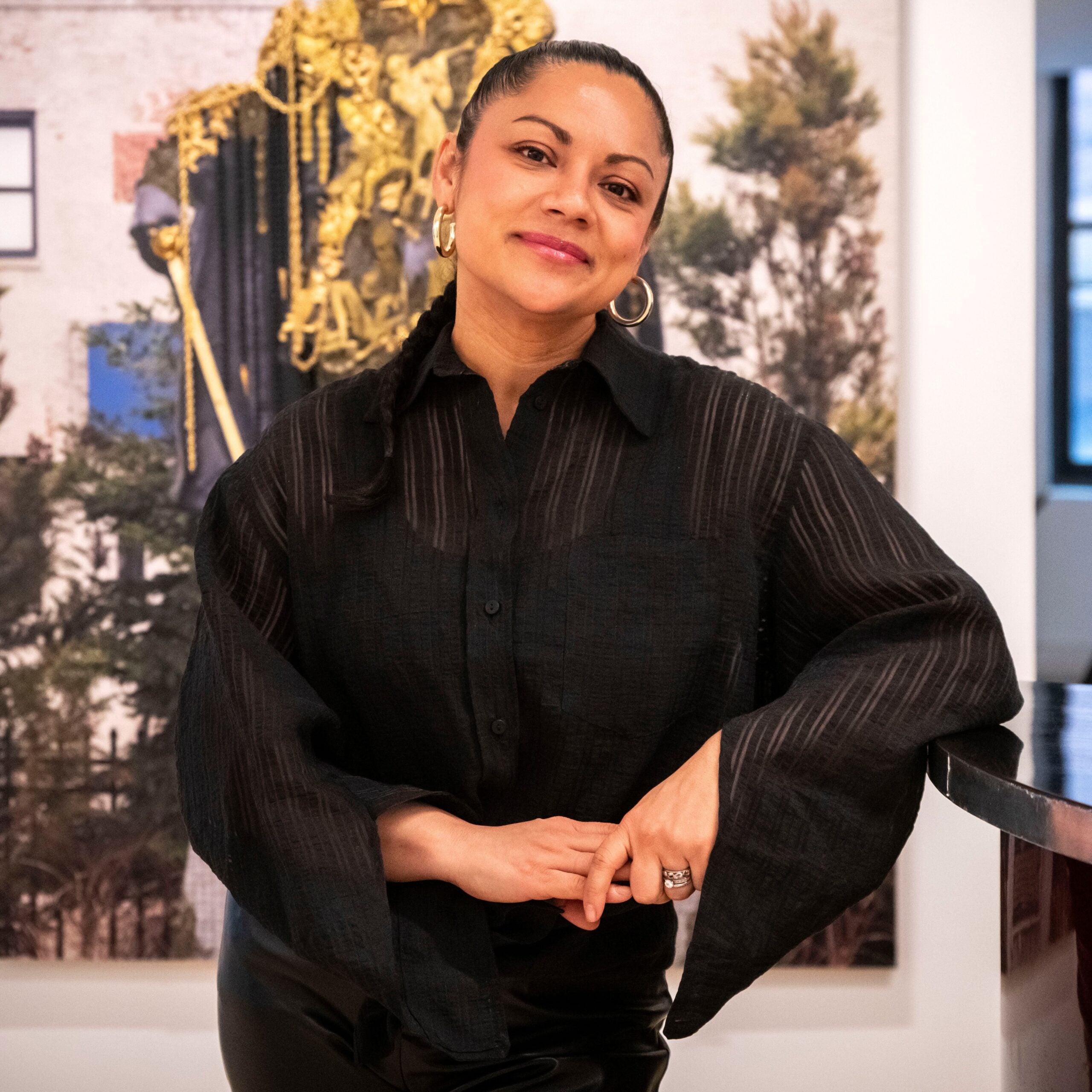 Jessie McGuire is Managing Partner of Thought Matter, the independent design and creative studio awarded the 2026 National Design Award for Communication Design by Cooper Hewitt, Smithsonian Design Museum, the field’s highest national honor. She leads the studio’s strategy, partnerships, and long-term vision, building a practice where design shapes how institutions and companies communicate, earn trust, and engage the public.
Jessie works at the intersection of culture, business, and civic life, helping organizations translate complex ideas into identities, campaigns, digital platforms, and civic experiences that last. The studio’s portfolio spans cultural institutions, nonprofits, and commercial brands, and each project is shaped by the same conviction: the most powerful design shapes what people believe, not just what they see.
Jessie believes imagination should not shrink to fit the market and that design carries a responsibility to shape the future.
Jessie McGuire is Managing Partner of Thought Matter, the independent design and creative studio awarded the 2026 National Design Award for Communication Design by Cooper Hewitt, Smithsonian Design Museum, the field’s highest national honor. She leads the studio’s strategy, partnerships, and long-term vision, building a practice where design shapes how institutions and companies communicate, earn trust, and engage the public.
Jessie works at the intersection of culture, business, and civic life, helping organizations translate complex ideas into identities, campaigns, digital platforms, and civic experiences that last. The studio’s portfolio spans cultural institutions, nonprofits, and commercial brands, and each project is shaped by the same conviction: the most powerful design shapes what people believe, not just what they see.
Jessie believes imagination should not shrink to fit the market and that design carries a responsibility to shape the future.
Related Posts
Business
William Richardson|Commentary
Brands cannot afford to speak in the same voice as countless others right now. Typeface designers can help.
Arts + Culture
John Ball|Commentary
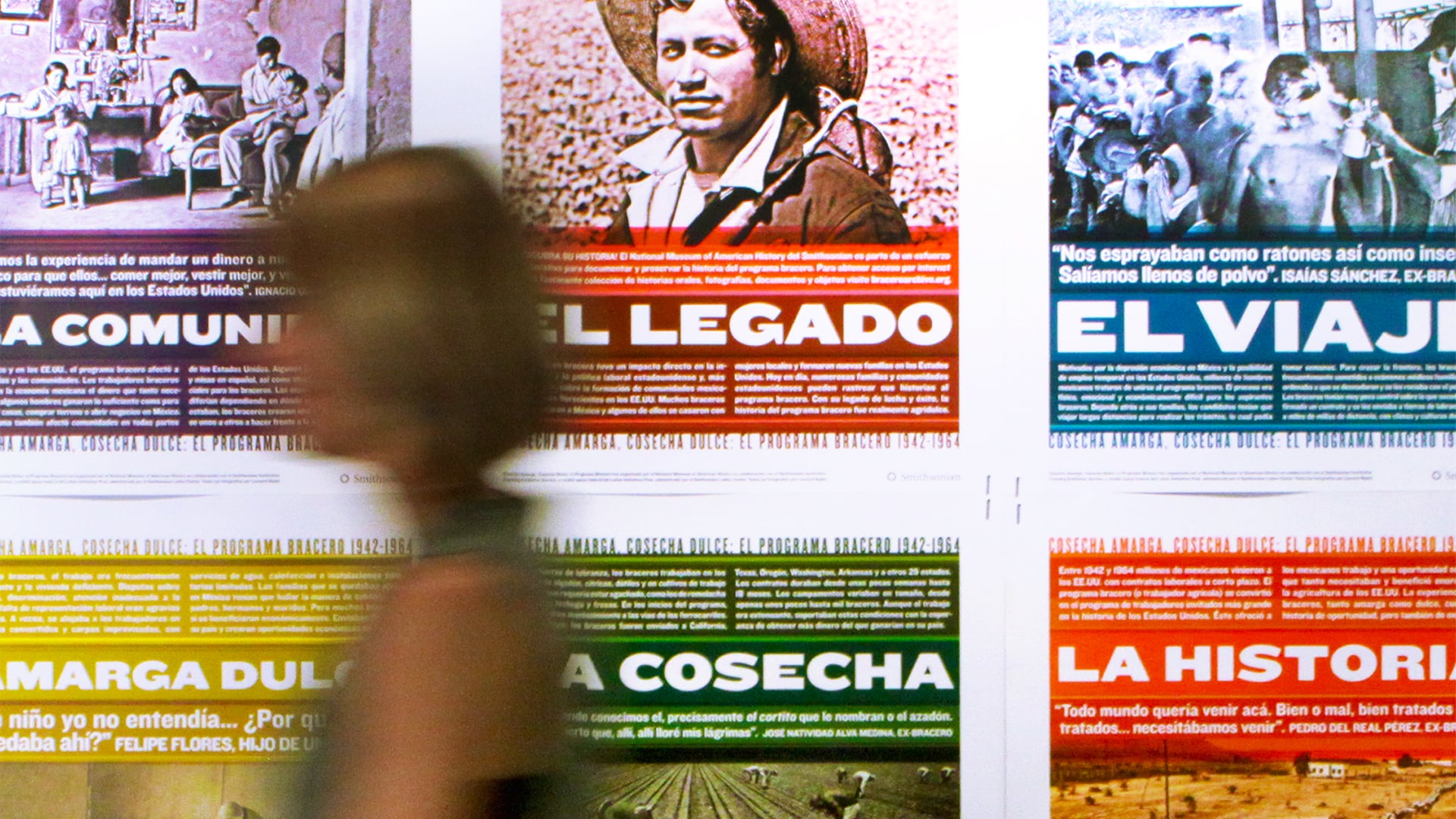
The Smithsonian was ordered to flag “inaccurate information.” I designed a poster series that required complicated truths.

Business
Chris Mele|Commentary
Radical collaboration requires friction
Business
Helder Santo|Commentary
AI will offer you confidence and conviction. Don’t fall for it.
Subscribe to The Observatory
Related Posts
Business
William Richardson|Commentary
Brands cannot afford to speak in the same voice as countless others right now. Typeface designers can help.
Arts + Culture
John Ball|Commentary
The Smithsonian was ordered to flag “inaccurate information.” I designed a poster series that required complicated truths.
Business
Chris Mele|Commentary
Radical collaboration requires friction
Business
Helder Santo|Commentary