


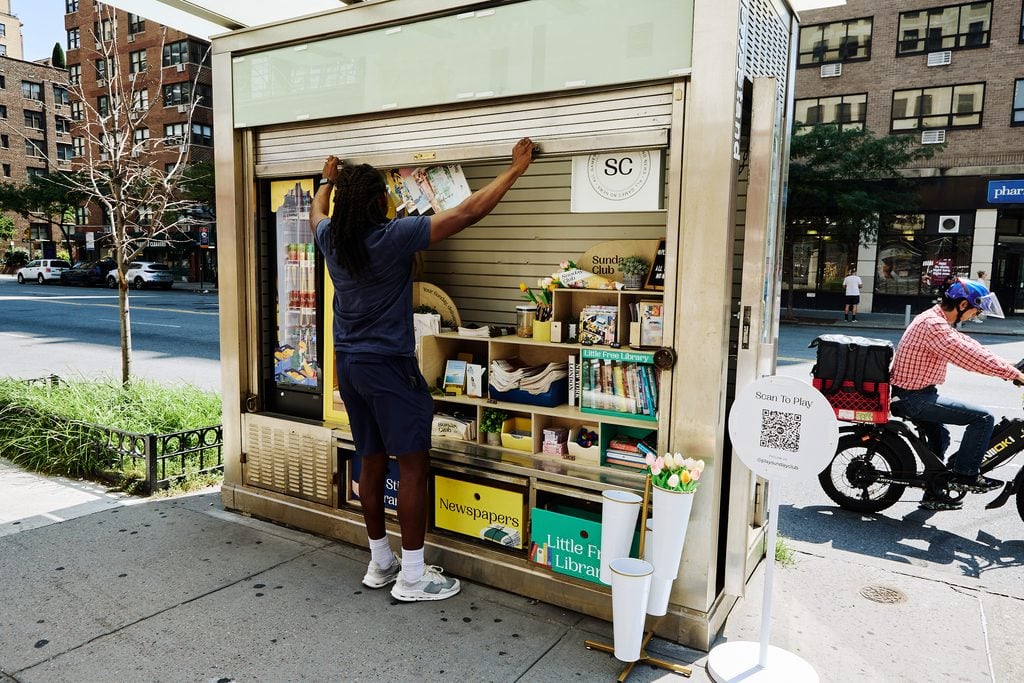
September 14, 2026
A Google UX researcher responded to digital fatigue by founding a newspaper
Amid the decline of the local news, the Sunday edition finds a second life
It’s been a tough go for newspapers lately.
Last week, McClatchy, a national local newspaper chain, announced its most severe cuts in years, eliminating more than 90 journalists and gutting newsrooms by up to 40% for 13 papers in eight states. Affected publications include the Miami Herald, Sacramento Bee, Kansas City Star, Charlotte Observer and Fort Worth Star-Telegram.
You can’t even make the argument that these papers were beloved relics of communities in decline, like the 141-year-old Chesterton Tribune in Indiana and the Eagle Times in New Hampshire, which shuttered in 2025. (Along with 134 other small local papers, according to Medill’s 2025 State of Local News report.) The McClatchy reporters served millions of people, and two of the cities, Charlotte and Fort Worth, added residents last year.
At their best, newspapers bring vital perspective to readers and hold key stakeholders accountable. The disinvestment is a shame on many levels, particularly now: in a digital age where information is dangerously unreliable, the elegance of a printed version is regaining appeal. There’s no fudging, no tweaking, and designed to help readers digest complex information quickly. Best of all, everyone gets the same, exact version.
Democratized, if you will.
If you’re lucky enough to have grown up in a house where the thwack of the Sunday paper landing on the doorstep triggered a stampede of pajama-clad folks dashing to grab their favorite section — or even if you didn’t — then you’ll understand why Ira Blossom is having a moment.
Blossom’s weekday job is as a UX researcher for Google, but his weekend gig got our attention.
Blossom is the founder and creative director behind Sunday Club, a charming newspaper company committed to delivering “All games. No news.” You know — the parts of the paper that the family scrambled for and then sat together with, in days gone by. And yes, it’s only sold in print.
The idea grew out of his love of family game time, but also from what he repeatedly heard in his research. “A little bit of screen time fatigue, a lot of digital fatigue in general, a love for nostalgic media that I think is coming back,” he told deputy editor Rachel Paese for her Design Juice column.
You can read the entire interview here.
Newspapers are dying for all sorts of mostly ugly reasons, and it’s costing us plenty, and I do mean that literally. But Blossom has hit on one of the quieter benefits of the Sunday paper.
“I work full time in tech, and so I’m aware of the tax of digital in general,” he says. “It’s very clear that there is this recurring cultural feeling, but also a very realistic one, of people looking for something else. It’s just about more balance.”
If you’re feeling digital fatigue and looking for balance, don’t forget to make things. Especially if you’re an artist or puzzle maker, submit your ideas to Sunday Club here.
What else are you making these days? Let us know.
Ellen McGirt
Editor-in-Chief
Ellen@designobserver.com
P.S. Did someone who loves you send you this newsletter? Welcome! Subscribe here.
This edition of The Observatory was edited by Rachel Paese.
This is the web version of The Observatory, our weekly dispatch from the editors and contributors at Design Observer. Want it in your inbox? Sign up here. While you’re at it, come say hi on YouTube, Instagram, LinkedIn, or TikTok — and don’t miss the latest gigs on our Job Board.
YouTube
Want to hear bonus content from Ira Blossom? Check out our Youtube channel. Plus, find the other voice of Design Juice and behind-the-scenes conversations with the writers of our expert business commentary.
Draw the Line
Episode one of Draw the Line out now.
The Supreme Court case Louisiana v. Callais gutted the Voting Rights Act and rewrote the rules of American democracy. Design Observer’s brand new audio documentary, Draw the Line, is telling the inside story of Louisiana’s fight over power, maps, and who gets left off them.
Every district line is a design decision — and every decision is about who gets power.
Some fine print
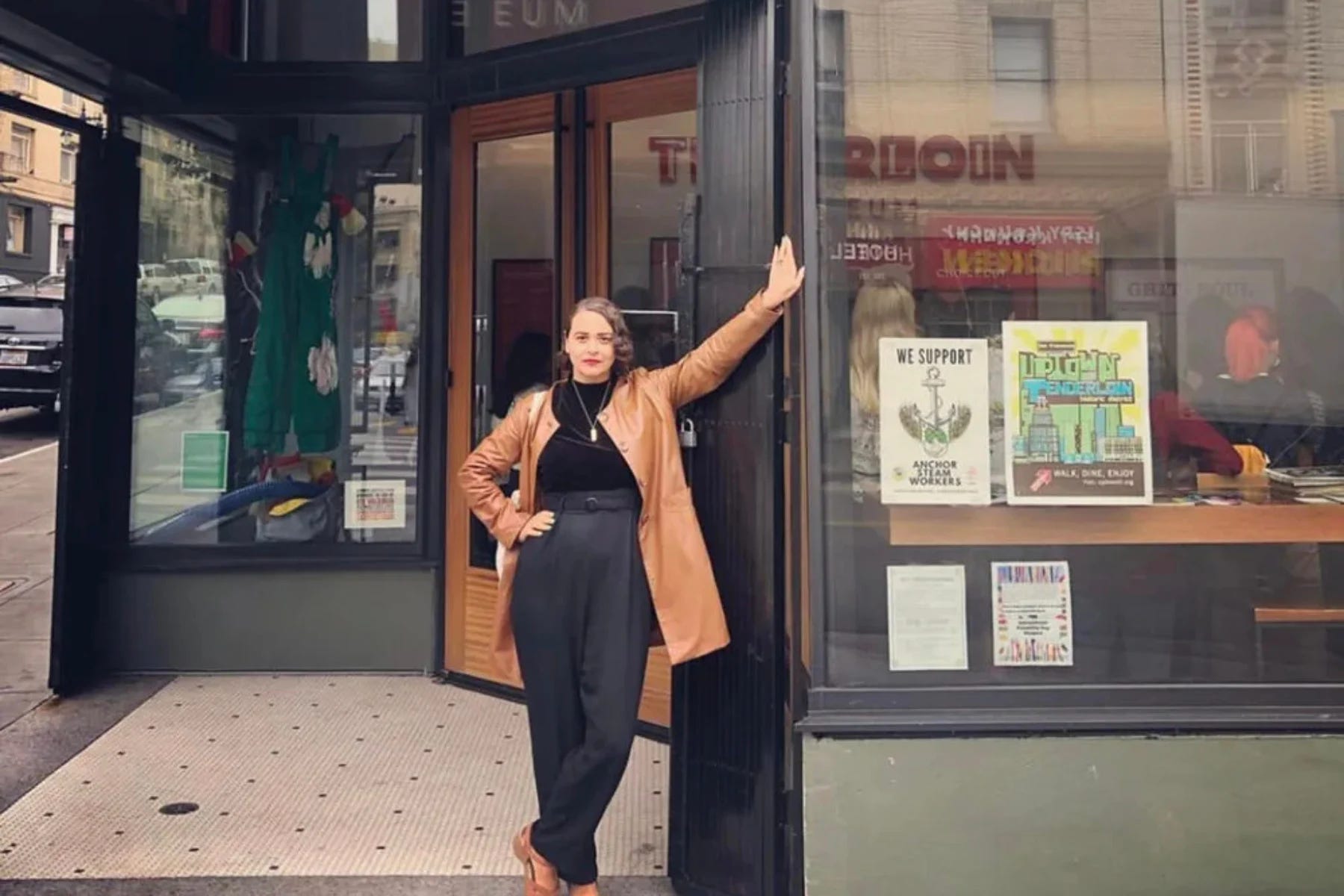
Katie Conry on building public programming for San Francisco’s most historically rich — and most misunderstood — communities. From a resident-led LGBTIA+ history walking tour to an immersive play about the first known act of queer resistance in the U.S., the Tenderloin Museum tells the neighborhood’s story with its community members. By Rachel Paese.
Brands cannot afford to speak in the same voice as countless others right now. Typeface designers can help. How we, as designers, can break down the argument for investing in custom typefaces and the designers behind it. By William Richardson.
The Smithsonian was ordered to flag “inaccurate information.” I designed a poster series that required complicated truths. As institutions face pressure to simplify the past, designers have a role to play: help people stay curious about difficult stories. By John Ball.
Observed
MIT Future Fest—science, technology, art & design — is a new five-day festival boasting 50 events and over 100 speakers, including filmmaker and artist Kahlil Joseph, MoMA senior curator of architecture and design Paola Antonelli, architect Carlo Ratti, and designer and computer scientist Skylar Tibbits. September 30–October 4, 2026; discounted passes are now available; more here.
Should AI progress slow down? Probably, but Congress can’t do it, says the Speaker. Holding AI companies liable for the damage they do would help, says Ida Fried. China to world: relax, we got this. Trump: See? We need to beat China.
“Anyone who believes in markets must also tacitly believe that successful market participants don’t believe in markets,” writes Cory Doctorow, on the rise of the billionaire class and the people who inexplicably defend them despite all evidence that they can’t be trusted. “They should understand that capitalists hate capitalism, that every pirate yearns to be an admiral.”
“Part art studio, part community hub, part roaming spacecraft,” a sweetly approachable NASA-inspired rover has been rolling through the streets of Croydon Town Centre in South London, asking residents to take on creative challenges, explore overlooked stories, and reimagine their shared future. And it’s not spying on anyone! The Curiosity Rover comes from the team at Creative Quests, commissioned by Croydon Council. More here.
Nice art center you have there; it’d be a shame if something happened to it. The Kennedy Center could close as soon as Tuesday, citing imminent fiscal collapse, reports WaPo. Trump-installed board members say the only way to save it would be to put the President’s name back on the building.
The longest-serving Monotype employee retires with her own font. Pat Lightizer joined Compugraphic, the typesetting firm that later became Monotype, straight out of high school in 1973. Some 53 years later, her legacy is being honored with a font in her name: Lightizer. “She’s worked through the whole arc of the industry, from filmstrips and manual typesetting to merging digital font libraries in Chinese, Japanese, Korean and Indic scripts,” Monotype said in a statement. The font references Compugraphic’s early digital type and supports 360 languages. Lovely.
The Hirshhorn Museum and Sculpture Garden on the DC Mall has long been a lightning rod for its “overly severe” landscaping and design, the NY Times says. An ambitious new vision for the garden, led by Japanese artist and architect Hiroshi Sugimoto, will be unveiled this October and promises to add to the legacy of controversy.
AI is going to kill us all. “The people building AI earnestly believe that it could kill us all by the end of the decade. This is not a marketing stunt,” wrote Anthropic researcher Jason Coxon, announcing his resignation on X. “These will soon be superhuman systems that can hack anything, revolutionize any field overnight, and acquire real power and resources.”
Read more at designobserver.com or in your Substack feed.
Job board
Hiring a designer? Post your role on the Design Observer Job Board to reach a highly engaged audience of designers, creative leaders, and studios across the Design Employment Network.
AVP Brand and Creative Marketing at Providence, Renton, WA.
Social Media Associate at Earthjustice, Washington, DC.
Professor of Product Design (Open Rank) at University of Louisville, Louisville, KY.
End marks
In 2020, Stephen Heller wrote for Design Observer reflecting on The New York Times Spelling Bee, which he described as “equal parts joy and torture.” What he said then seems true now: “These darn times demand the Times’ games and puzzles, especially now, and if the news is an indication, forever and longer.”
This is the web version of The Observatory, our weekly dispatch from the editors and contributors at Design Observer. Want it in your inbox? Sign up here. While you’re at it, come say hi on YouTube, Instagram, LinkedIn, or TikTok — and don’t miss the latest gigs on our Job Board.
Observed
View all
Observed
Share on Social


By Ellen McGirt
 Ellen McGirt is an author, podcaster, speaker, community builder, and award-winning business journalist. She is the editor-in-chief of Design Observer, a media company that has maintained the same clear vision for more than two decades: to expand the definition of design in service of a better world. Ellen established the inclusive leadership beat at Fortune in 2016 with raceAhead, an award-winning newsletter on race, culture, and business. The Fortune, Time, Money, and Fast Company alumna has published over twenty magazine cover stories throughout her twenty-year career, exploring the people and ideas changing business for good. Ask her about fly fishing if you get the chance.
Related Posts
The Observatory Newsletter
Ellen McGirt
Who gets to decide where power begins and ends?
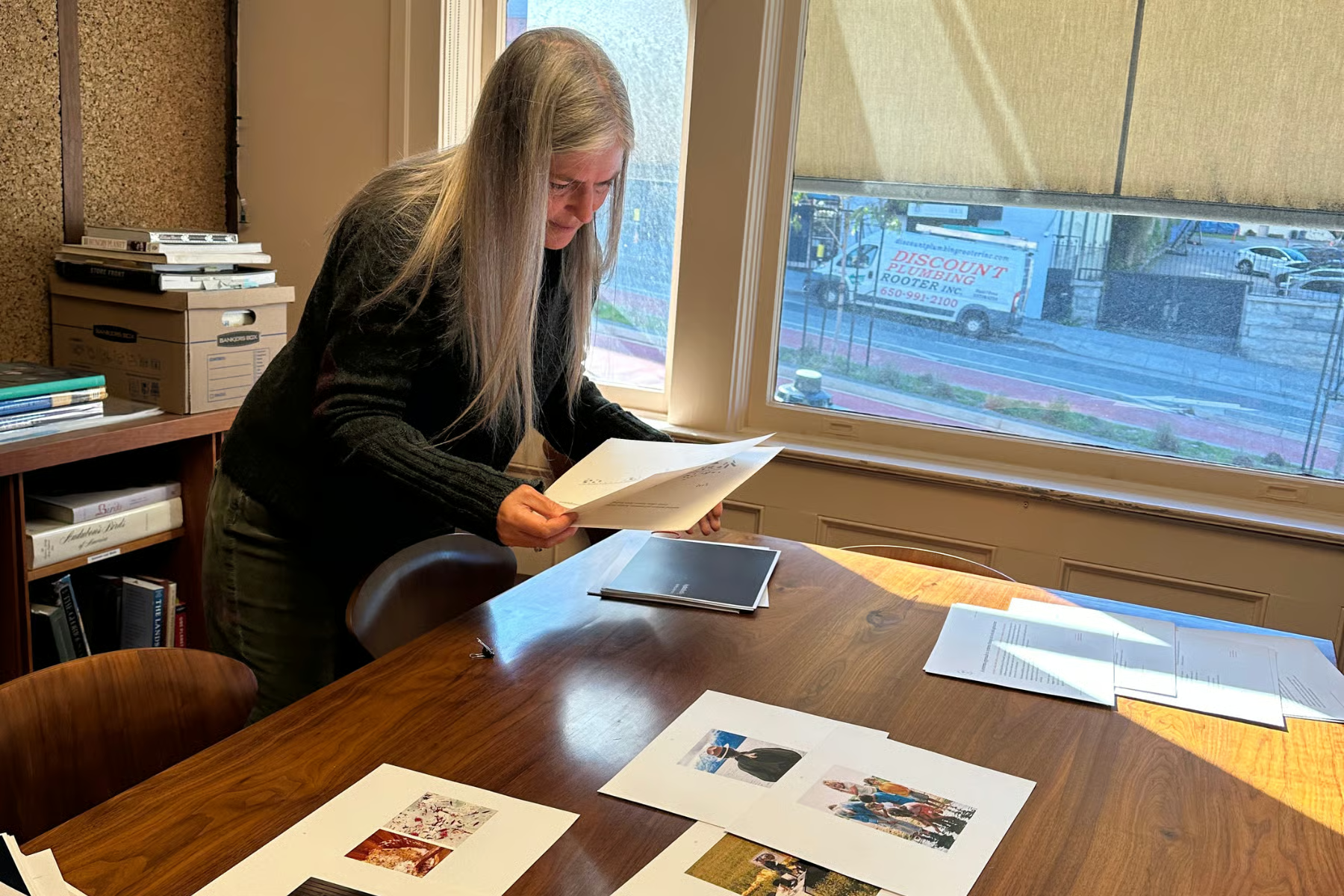
The Observatory Newsletter
Rachel Paese
You need an observation practice
Draw the Line
Audio
BONUS: Live from Essence Fest – The Work Gets Personal
Draw the Line
Audio
BONUS: Live from Essence Fest – The Accounting
Subscribe to The Observatory
Related Posts
The Observatory Newsletter
Ellen McGirt
Who gets to decide where power begins and ends?
The Observatory Newsletter
Rachel Paese
You need an observation practice
Draw the Line
Audio
BONUS: Live from Essence Fest – The Work Gets Personal
Draw the Line
Audio