


February 23, 2026
Designing for racial inclusion
Your Black History Month reading list and the history of Paul Revere Williams
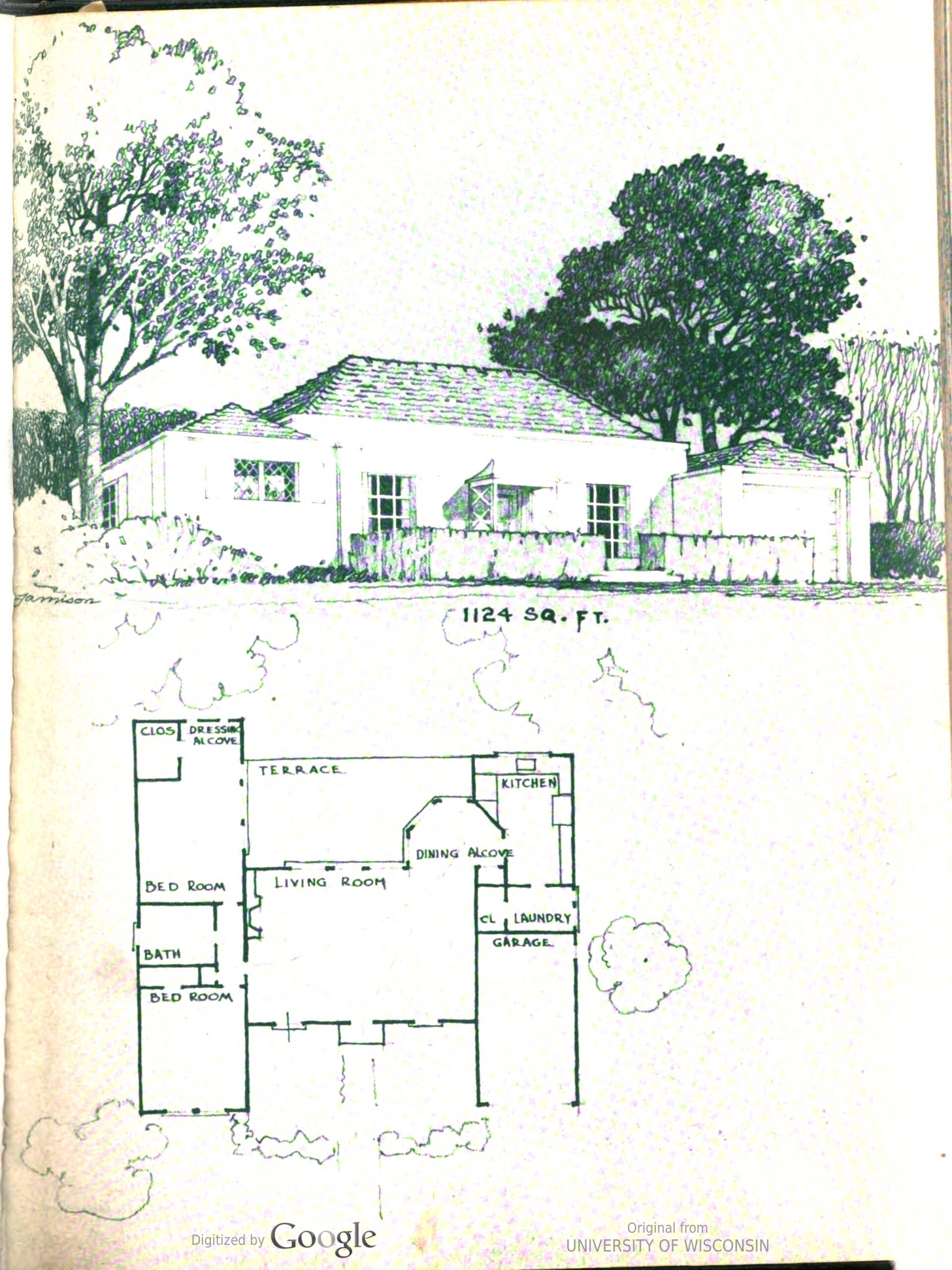
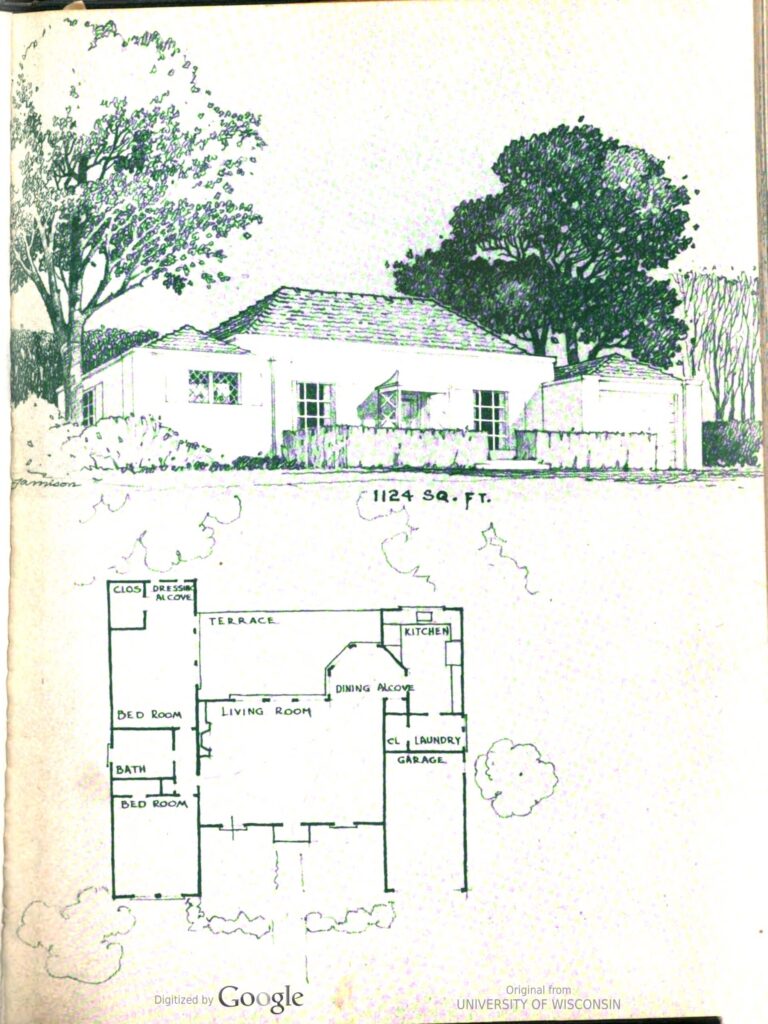
In the 1940s, Paul Revere Williams was a well-established architect to the stars in Los Angeles when he turned his sights on humbler, more American, fare.
“An eager generation of young people coming out of the war is filled with the desire to have homes of their own — and homes of their own planning and building,” he wrote in his 1945 volume, The Small Home of Tomorrow. A futurist and optimist, he offered detailed advice on building the “Kitchen of Tomorrow” and “Bathroom of Tomorrow,” explaining how to accommodate the new life-changing technologies still to come: “An electronic oven which will cook a roast in less than five minutes — a unit independent of the stove with a glass door and built into the wall.” And: “A completely independent laundry which operates by simply pressing a button.”
Williams was an unlikely voice of the American home-owning future and an even more unlikely design choice for the rich and powerful. (He’s responsible for over 3,000 homes and buildings; famous clients included Frank Sinatra, Lucille Ball, and Barbara Stanwyck, parts of the Beverly Hills Hotel, and Shrine Auditorium.) His parents migrated from Memphis in the late 1890s; by age four, both had died from tuberculosis, sending Williams and his brother into separate foster care. Dissuaded by caregivers from seeking an ambitious profession, Williams pursued architecture anyway, becoming one of California’s most enduring design influences you’ve likely never heard of.
Despite his accolades as the first African American AIA member, he had been forced to sketch drawings upside down to avoid forcing nervous white clients to sit beside him. “I came to realize that I was being condemned, not by a lack of ability, but by my color. I passed through successive stages of bewilderment, inarticulate protest, resentment, and, finally, reconciliation to the status of my race,” he wrote in a 1937 American Magazine essay called ‘I Am a Negro.’ “I wanted to acquire new abilities. I wanted to prove that I, as an individual, deserved a place in the world.”
Williams’s book and life story raise an important question the design community still grapples with: how would full racial inclusion have shaped the world differently?
In honor of Black History Month, we look to authors who are addressing these persistent issues in the modern era, using frameworks that may currently be under political attack, but that still tackle the problem head on. As always, proceeds from book sales support local booksellers and our editorial programs.
Kevin Bethune
Reimagining Design: Unlocking Strategic Innovation (MIT Press, 2022)
A first-person navigation of design, engineering, and corporate America — from Westinghouse to Nike to founding his own consultancy. Bethune, a familiar figure to the Design Observer audience, recounts his journey as a Black professional navigating predominantly white institutions and how his embrace of design became both a tool and a philosophy.
Nonlinear: Navigating Design with Curiosity and Conviction (MIT Press, February 2025)
Bethune’s follow-up work is equally unflinching, while offering a compelling argument for embracing the messy, non-sequential nature of creative and professional life in the pursuit of breakthrough innovation delivered by happier teams leading happier lives.
Charlene Prempeh
Now You See Me: An Introduction to 100 Years of Black Design — (Prestel, 2024)
Prempeh, founder of the UK-based creative agency A Vibe Called Tech and a contributor to Gucci, Frieze, and others, surveys a century of Black design across fashion, architecture, and graphic design — recovering figures who have been systematically erased from the dominant narratives of design history.
Kaleena Sales
Centered: People and Ideas Diversifying Design (Princeton Architectural Press, 2023)
A rich, inclusive, contemporary, and global look at design diversity, past and present, through essays, interviews, and images curated by design educator and advocate Kaleena Sales. Centered advocates for highlighting and giving a voice to the people, places, methods, ideas, and beliefs that have been eclipsed or excluded by dominant design movements. The thirteen essays and interviews in this volume feature important and underrepresented design work and projects, both historical and present-day.
Omari Souza
Design Against Racism: Creating Work That Transforms Communities — Omari Souza (Princeton Architectural Press, 2025)
Omari Souza is the founder of the State of Black Design Conference and a longtime Design Observer collaborator. This debut book builds a case for “restorative design” — borrowing from restorative justice to help practitioners examine the harm embedded in designed objects, services, and spaces and move toward accountability and healing.
An Anthology of Blackness: The State of Black Design — Edited by Terresa Moses and Omari Souza, foreword by Dori Tunstall (MIT Press, 2023)
A collection of 21 essential essays from a range of Black designers, educators, and activists. It spans the design industry, pedagogy, and activism — and serves as a kind of blueprint for the world that Black designers, whose names we may not know, have been building through their work.
Elizabeth (Dori) Tunstall
Decolonizing Design: A Cultural Justice Guidebook — (MIT Press, 2023, updated 2026)
A landmark field-shaper from OCAD University’s dean — the first Black person to hold a design school deanship anywhere in the world. Weaving memoir, manifesto, and practical framework, Tunstall dismantles the colonial foundations of modernist design and offers a reorientation around Indigenous and Global South knowledge systems. The New York Times Book Review called it essential; Bethune himself called it “a critical addition to the canon.”
Ellen McGirt
Editor-in-Chief
LinkedIn
Instagram
Threads
Ellen@designobserver.com
P.S. Did someone who loves you send you this newsletter? Welcome! Subscribe here.
This edition of The Observatory was edited by Rachel Paese.
This is the web version of The Observatory, our (now weekly) dispatch from the editors and contributors at Design Observer. Want it in your inbox? Sign up here. While you’re at it, come say hi on YouTube, Reddit, or Bluesky — and don’t miss the latest gigs on our Job Board.
Podcasts
Explore more from the authors:
Nonlinear: Navigating Design with Curiosity and Conviction | A Design Observer Live Conversation. Kevin Bethune joins Ellen McGirt for an inspiring conversation on breaking traditional design boundaries.
Design of Business | Business of Design
Dana Arnett|Audio
S10E11: Dori Tunstall
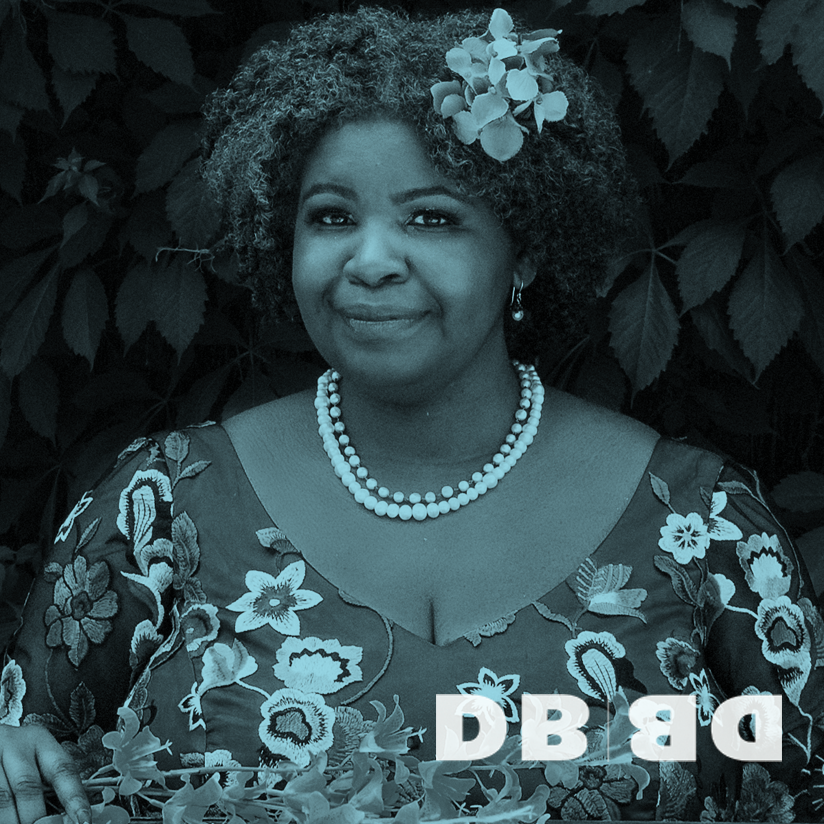
Dr. Elizabeth “Dori” Tunstall is the Dean of the Faculty of Design at Ontario College of Art and Design.

Design of Business | Business of Design
Kaleena Sales|Audio
S10E11.5: Minisode
Kaleena Sales and Omari Souza discuss past episodes featuring Kunal Kapoor and Dori Tunstall.
Some fine print
Here’s a sampling of our latest and greatest from the Design Observer editorial and contributor network.

Arts + Culture
Rachel Gogel|Commentary
The age of agency
As the traditional corporate 9-to-5 is questioned, creative leaders have an opportunity to redefine career success
Arts + Culture
Ellen McGirt|Interviews
The face, reconsidered
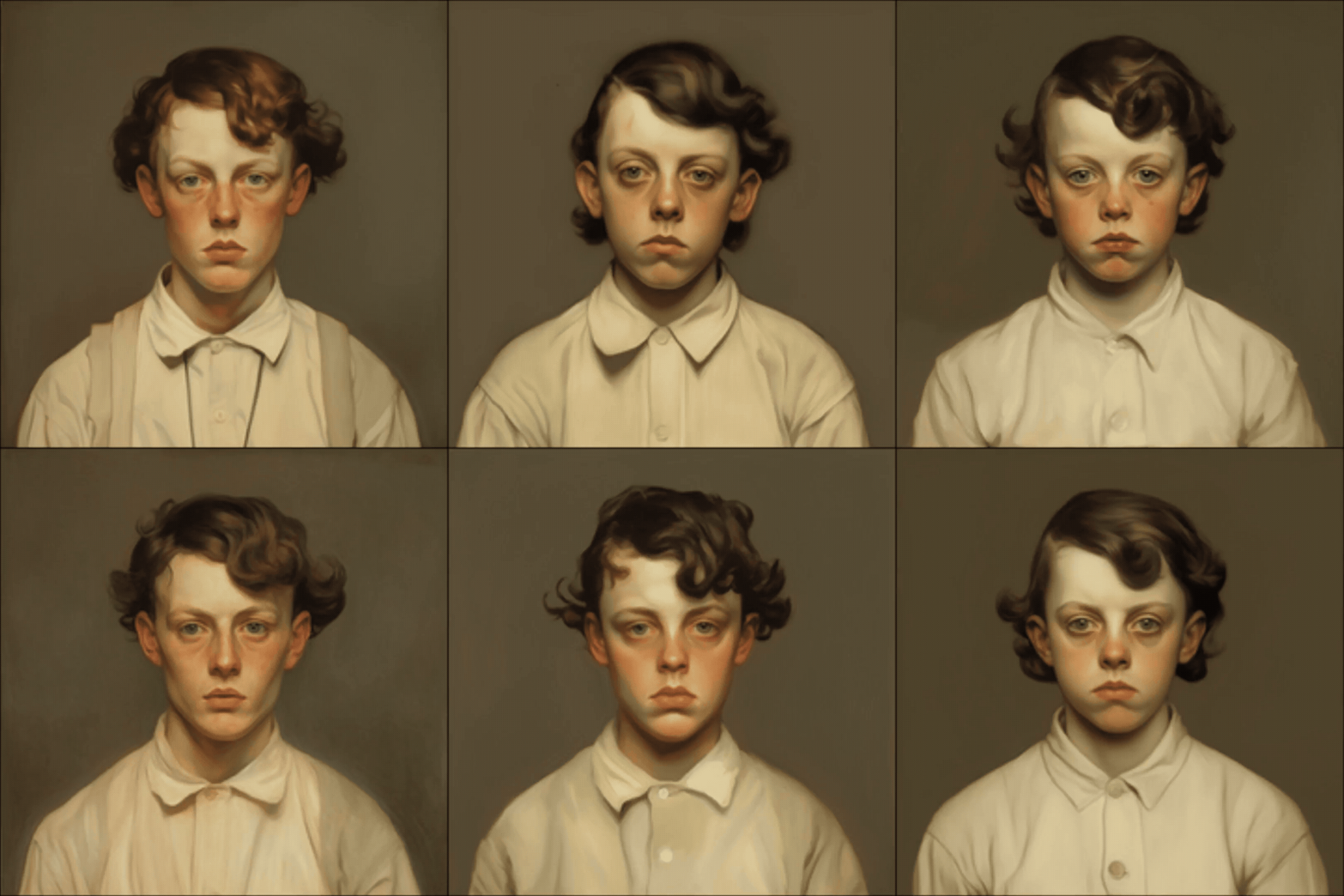
In 2019, artist, designer, writer, and Design Observer co-founder Jessica Helfand published Face: A Visual Odyssey, a compelling examination of the history of images of the human face—from historical mugshots to medical research images to humanoid robots, and beyond. “The face has always been a hieroglyph, at once the instrument of lucidity (we all have … Continued

Innovation
Ashleigh Axios|Essays
Innovation needs a darker imagination
In contemporary design and technology spaces, innovation culture often values imagination that is overwhelmingly optimistic — imagination that see futures as faster, smarter, more efficient versions of the present. Friction disappears. Scale solves problems. Progress moves in a straight line. When harm appears, it is treated as an edge case or an unfortunate but unforeseeable … Continued
Observed
What are you observing? Tell us.
The 78-year-old Type Director’s Club is back with its first conference since the pandemic, and it’s a must-attend, says Print Magazine. “It signals a new chapter — new executive leadership, a reinvigorated board, and a renewed commitment to making TDC the place where the global typography community gathers to do serious work together.” March 13, 2026, at Fordham University at Lincoln Center, in NYC, it’s a single-track event built around one deliverable: what does typography actually do for a business? “In real organizations, with real budgets, real approval processes, and real stakes.” More here.
Times New Resistance is a free, downloadable font created by Minneapolis-based graphic designer Abby Haddican as protest art against the Trump administration. Described by Haddican as “social commentary meant to autocorrect the autocrats,” the type automatically changes certain words to reflect the spirit of protest. (“Trump” becomes “felon” and “ICE” becomes “goon squad.”)
NYC is set to dismantle its Urban Design Division. The agency, initially formed by Mayor John Lindsay, has steered major developments and created the city’s first Street Design Manual. “The UDD is credited with creating synergies between disparate city agencies, community groups, and developers—entities that may otherwise not find common ground at the negotiating table.”
An urban planning startup is among the solutions being evaluated by Ukraine in its first-ever innovation program for public services. GovTech Lab Ukraine matches relevant government agencies with digital solutions to pilot and test before sending them into beta; this year, the program is focusing on legal assistance, urban development (construction), and tourism. Бажаю удачі!
Job board
Senior Industrial Designer at Zen Design Group, Auburn Hills, MI
Product Designer Talent Pool – LEGO® DESiGN at The LEGO Group, Billund, Denmark
Faculty Non-Tenure Track-9 Mo – Visual Communication Design at Kent State University, Kent, OH
End marks
Revisit why Black joy means innovation:
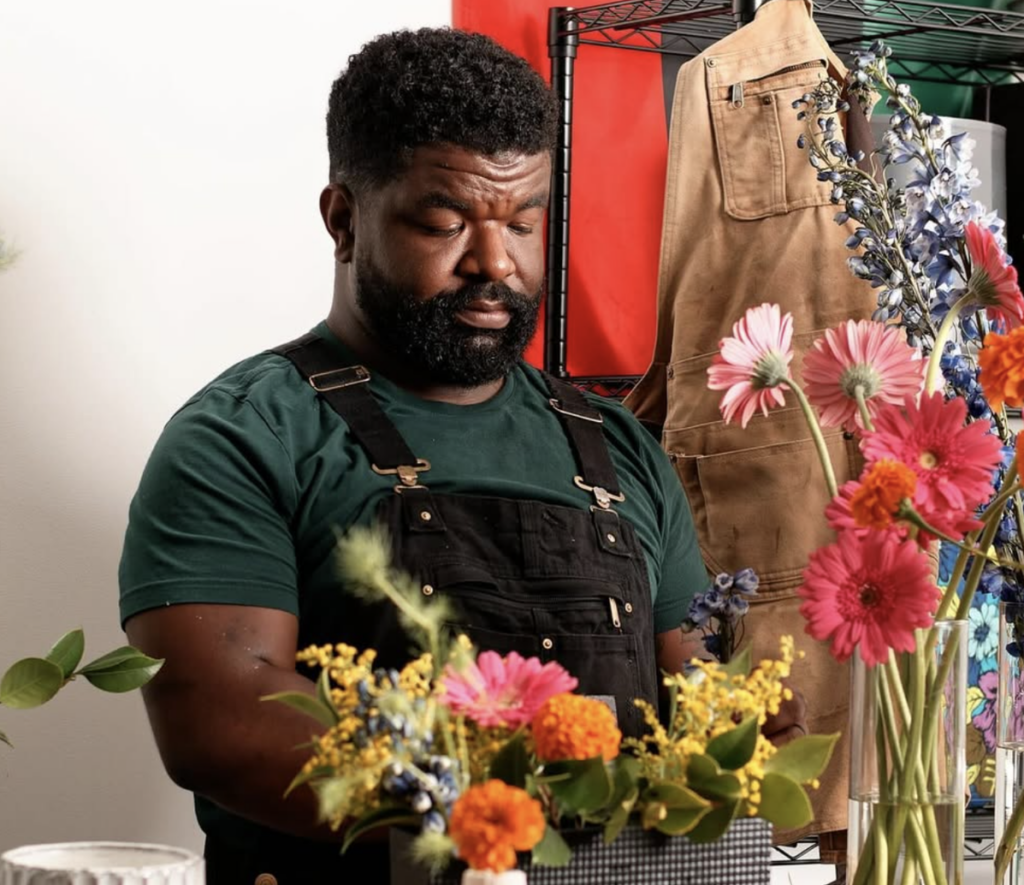
Celebrating Black History, Joy, and Creativity Through the Art of Flowers
John Caleb Pendleton learned to arrange flowers as a creative outlet and a way to support his mental health. Now, his floral art and installations inform a movement for Black justice, memory, triumph, and joy.
This is the web version of The Observatory, our (now weekly) dispatch from the editors and contributors at Design Observer. Want it in your inbox? Sign up here. While you’re at it, come say hi on YouTube, Reddit, or Bluesky — and don’t miss the latest gigs on our Job Board.
Observed
View all
Observed
Share on Social


By Ellen McGirt
 Ellen McGirt is an author, podcaster, speaker, community builder, and award-winning business journalist. She is the editor-in-chief of Design Observer, a media company that has maintained the same clear vision for more than two decades: to expand the definition of design in service of a better world. Ellen established the inclusive leadership beat at Fortune in 2016 with raceAhead, an award-winning newsletter on race, culture, and business. The Fortune, Time, Money, and Fast Company alumna has published over twenty magazine cover stories throughout her twenty-year career, exploring the people and ideas changing business for good. Ask her about fly fishing if you get the chance.
Related Posts
The Observatory Newsletter
Ellen McGirt
Who gets to decide where power begins and ends?
The Observatory Newsletter
Rachel Paese
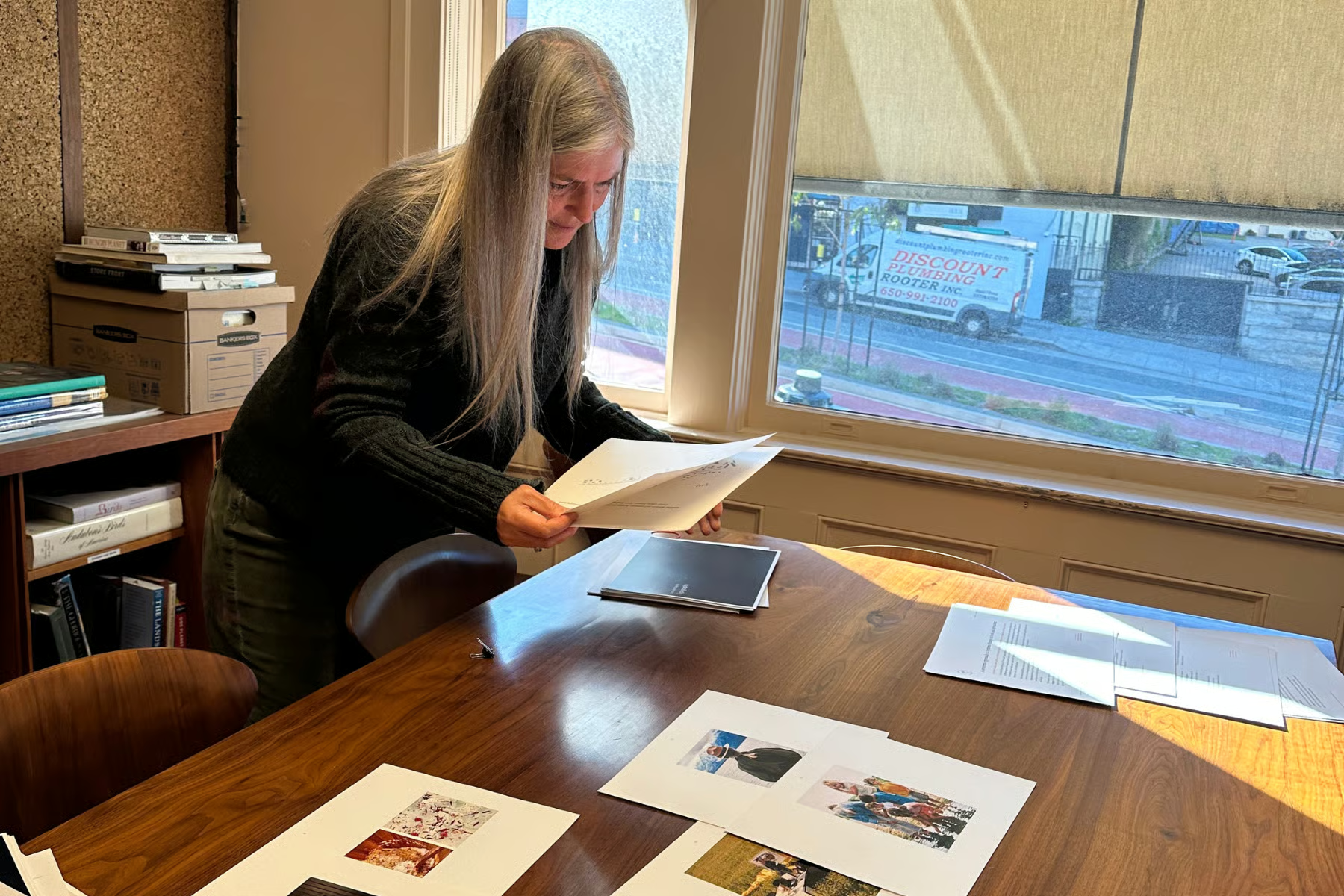
You need an observation practice
Draw the Line
Audio
BONUS: Live from Essence Fest – The Work Gets Personal

Draw the Line
Audio
BONUS: Live from Essence Fest – The Accounting
Subscribe to The Observatory
Related Posts
The Observatory Newsletter
Ellen McGirt
Who gets to decide where power begins and ends?
The Observatory Newsletter
Rachel Paese
You need an observation practice
Draw the Line
Audio
BONUS: Live from Essence Fest – The Work Gets Personal
Draw the Line
Audio