


August 31, 2026
We’re joyfully receiving your feedback. Here’s where we’re headed:
We're glad you're here
Kenya Hara (原 研哉), the Japanese graphic designer, curator, and writer, has built an exceptional body of work based on his observations on the power of design.
Unlike art, which is an individual expression, design must be done together, and for each other, in part by discovering a question that hasn’t yet been asked. “The essence of design lies in the process of discovering a problem shared by many people and trying to solve it,” he says.
It is with this in mind — and with you in mind — we decided to ask our readers and listeners how you thought we were living up to our role in your lives.
Nearly 50 people responded to our second annual community survey, more than half via an online form, the rest weighed in via email, text, or direct message.
Here’s what you said you valued:
Although we have fans of our AI coverage and podcast offerings, most identified our “sharp thinking on the future of the design industry,” the chance to “learn more about how designers work, think, and practice,” and our “voice and point of view,” as the reasons they enjoy Design Observer. They also gave high marks to our coverage of “design and civic life.”
Here’s a smattering of what you liked:
- “I think you have one of the best daily newsletters on any subject, period.”
- “Design Observer provides a glimpse of a path forward during a very difficult transition.”
- “You write intelligently and passionately about design issues that matter — and it’s so badly needed right now.”
- “Incisive but usefully specific perspective that applies to much more than design.”
When we asked what we could do better, you focused on community, with a sense of urgency:
- Community and connection: Readers repeatedly asked for ways to connect with each other — mentioning virtual conversations, community forums, even real-world events and video content derived from live events. One reader noted: “Most professional organizations are gone or a shell of what they once were — that hole will continue to expand.”
- The future of design as a profession: Design Observer needs to keep corralling the conversation on design’s role in business and how designers can thrive now. Said one reader: “I prefer real talk. I also prefer less about what design should be, how design deserves a seat at the table, and more making it happen. Critics have been talking about how design should be this or that for my entire 30-year career, and we still are considered decorators.”
- Design’s role in civic life: Readers want us to keep connecting design to AI, democracy, climate, and economic inequality. Said one reader: “We need transdisciplinary action research into co-designing futures we (who?) want -—to not get what we loath.” Also: “Despite an awareness that a more equitable and just culture is needed, too often leadership or people with decision-making power do not want to make the extra effort to be an agent of change. “
- Bite-sized content: A handful of readers asked for shorter, more digestible formats alongside longer pieces.
Gratitude alert: Among the most affirming nuggets in your answers: 100% of respondents said they would recommend Design Observer to a friend, up from 65% at this time last year.
In the spirit of addressing your needs, we joyfully receive this feedback. Starting this fall, in addition to our steady diet of commentary, reported pieces, and podcasts, we will add regular virtual programming and meetings via our growing Substack community. You can expect live podcast tapings, interviews with authors, designers, and other fabulous people, and special sessions aimed at building meaningful careers. We’re also exploring casual formats, like virtual hangouts and Pomodoro sessions.
We’ll keep asking and listening to you, thank you for continuing to share your attention with us.
We are also moving our email platform to Beehiiv, starting September 14. After a break on September 7 to get organized, we’re making the switch to bring us better tools so we can keep improving your newsletter experience.
The writing, the voice, the stuff you come here for — none of that is changing. Here’s how to make sure you never miss an issue:
You don’t need to do anything to stay subscribed — your subscription is carrying over automatically. Just keep an eye out for your first issue from Beehiiv starting September 14, and check your promotions or spam folder if you don’t see it in your main inbox right away.
We’re glad you’re here,
P.S. Did someone who loves you send you this newsletter? Welcome! Subscribe here.
This edition of The Observatory was edited by Rachel Paese.
This is the web version of The Observatory, our weekly dispatch from the editors and contributors at Design Observer. Want it in your inbox? Sign up here. While you’re at it, come say hi on YouTube, Instagram, LinkedIn, or TikTok — and don’t miss the latest gigs on our Job Board.
Some fine print
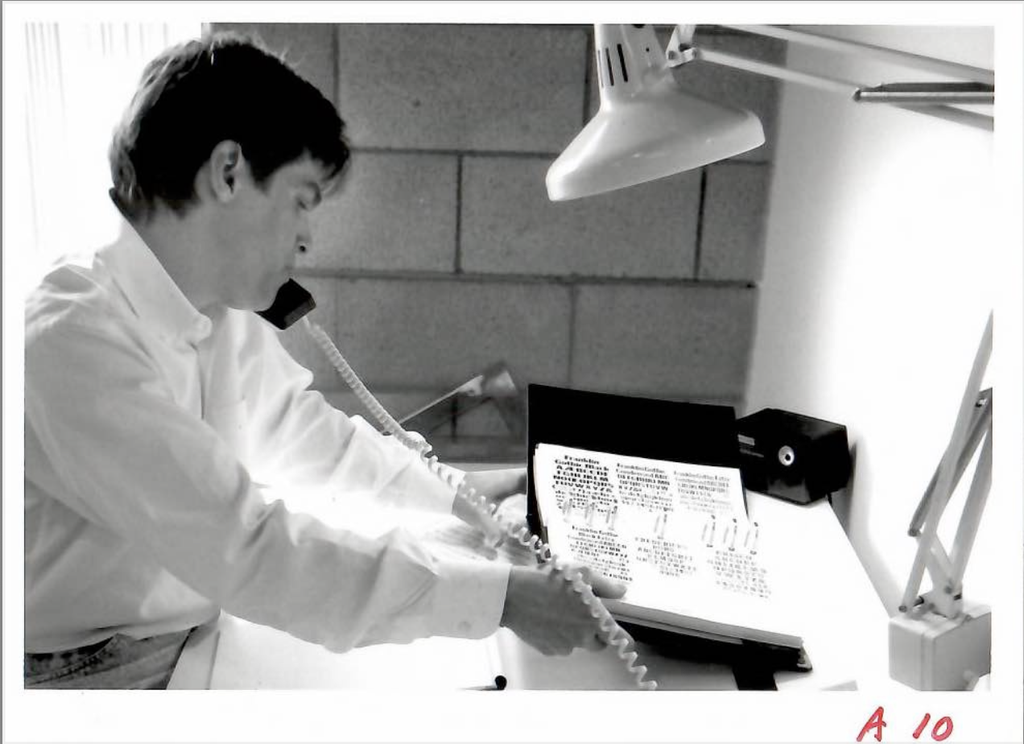
Becoming a better observer has defined John Ball’s 40-year design career. It’s made him better at helping people understand things, which is how he believes designers must meet the moment. By Rachel Paese.
The Smithsonian was ordered to flag “inaccurate information.” I designed a poster series that required complicated truths. As institutions face pressure to simplify the past, designers have a role to play: help people stay curious about difficult stories. By John Ball.
Radical collaboration requires friction. 10 do’s and don’ts on getting collaboration right, from Siberia’s co-founder and managing partner. By Chris Mele.
Draw the Line
Episode one of Draw the Line out now.
The Supreme Court case Louisiana v. Callais gutted the Voting Rights Act and rewrote the rules of American democracy. Design Observer’s brand new audio documentary, Draw the Line, is telling the inside story of Louisiana’s fight over power, maps, and who gets left off them.
Every district line is a design decision — and every decision is about who gets power.
Observed
Oh, Dolly. We will miss you so.
How do you measure a life? Carrie Mae Weems once asked. Meta’s answer: around $17 billion. That’s the settlement figure in a landmark case brought by 29 U.S. state attorneys general claiming the platform intentionally designed addictive mechanisms that harmed young people.
What would “safe by design” social media look like? Australia has established the eSafety Commissioner, the world’s first dedicated online safety regulator. Among their first decrees, a “digital duty of care,” which would require social media companies to take concrete steps to prevent predictable harm. Click here for six design recommendations.
The U.S. State Department has (again) paused the processing of immigrant visas to retrain immigration officers on new guidance dictating who will be admitted. Anyone who had a pending appointment has been notified (again).
Small restaurants, delis and food trucks are embracing AI in their signage, menus and social posts, and people really hate it. “The death of folk graphic design in favor of AI slop across our country’s delis is leading to some Lovecraftian food horrors,” notes tech writer Sam Biddle. It’s “their own genre of AI nightmare fuel,” says Joe Foley on Creative Bloq.
Read more at designobserver.com or in your Substack feed.
Job board
Hiring a designer? Post your role on the Design Observer Job Board to reach a highly engaged audience of designers, creative leaders, and studios across the Design Employment Network.
Senior Legwear & Sock Designer at Sole Options, LLC, Remote.
Senior 3D Exhibit Designer at ET Global, Suwanee, GA.
Graphic Design Manager at Desert Botanical Garden, Phoenix, AZ.
End marks
“The role of design is not to surprise or draw people’s attention in with novelty. It is to give humanity a chance to notice the wisdom accumulated over the ages that is hidden in all sorts of things.” — Kenya Hara (原 研哉)
This is the web version of The Observatory, our weekly dispatch from the editors and contributors at Design Observer. Want it in your inbox? Sign up here. While you’re at it, come say hi on YouTube, Instagram, LinkedIn, or TikTok — and don’t miss the latest gigs on our Job Board.
Observed
View all
Observed
Share on Social


By Ellen McGirt
 Ellen McGirt is an author, podcaster, speaker, community builder, and award-winning business journalist. She is the editor-in-chief of Design Observer, a media company that has maintained the same clear vision for more than two decades: to expand the definition of design in service of a better world. Ellen established the inclusive leadership beat at Fortune in 2016 with raceAhead, an award-winning newsletter on race, culture, and business. The Fortune, Time, Money, and Fast Company alumna has published over twenty magazine cover stories throughout her twenty-year career, exploring the people and ideas changing business for good. Ask her about fly fishing if you get the chance.
Related Posts
Design Juice
Rachel Paese|Design Juice
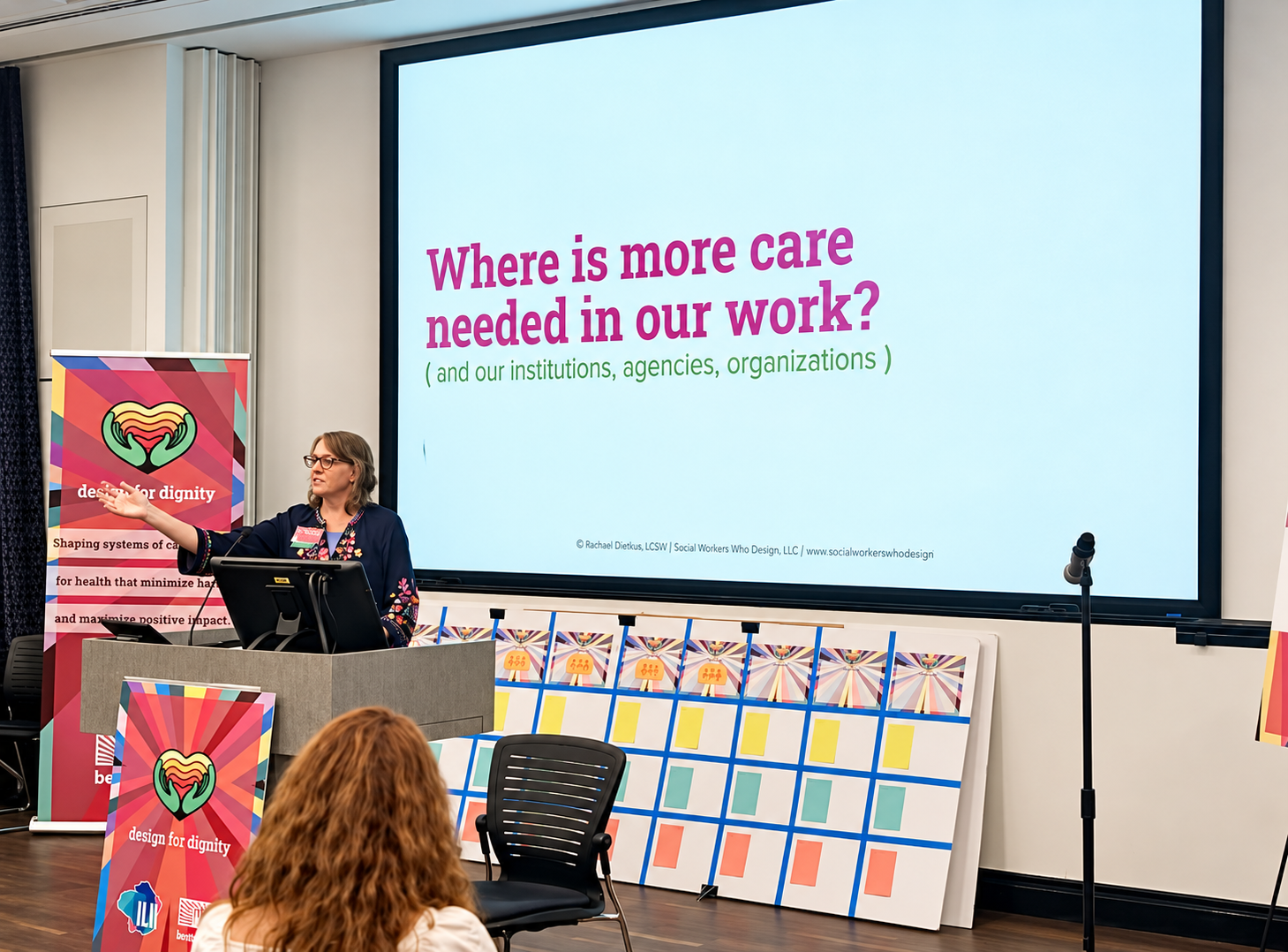
‘What if care were foundational to systems design?’ asks Rachael Dietkus
The Observatory Newsletter
Ellen McGirt
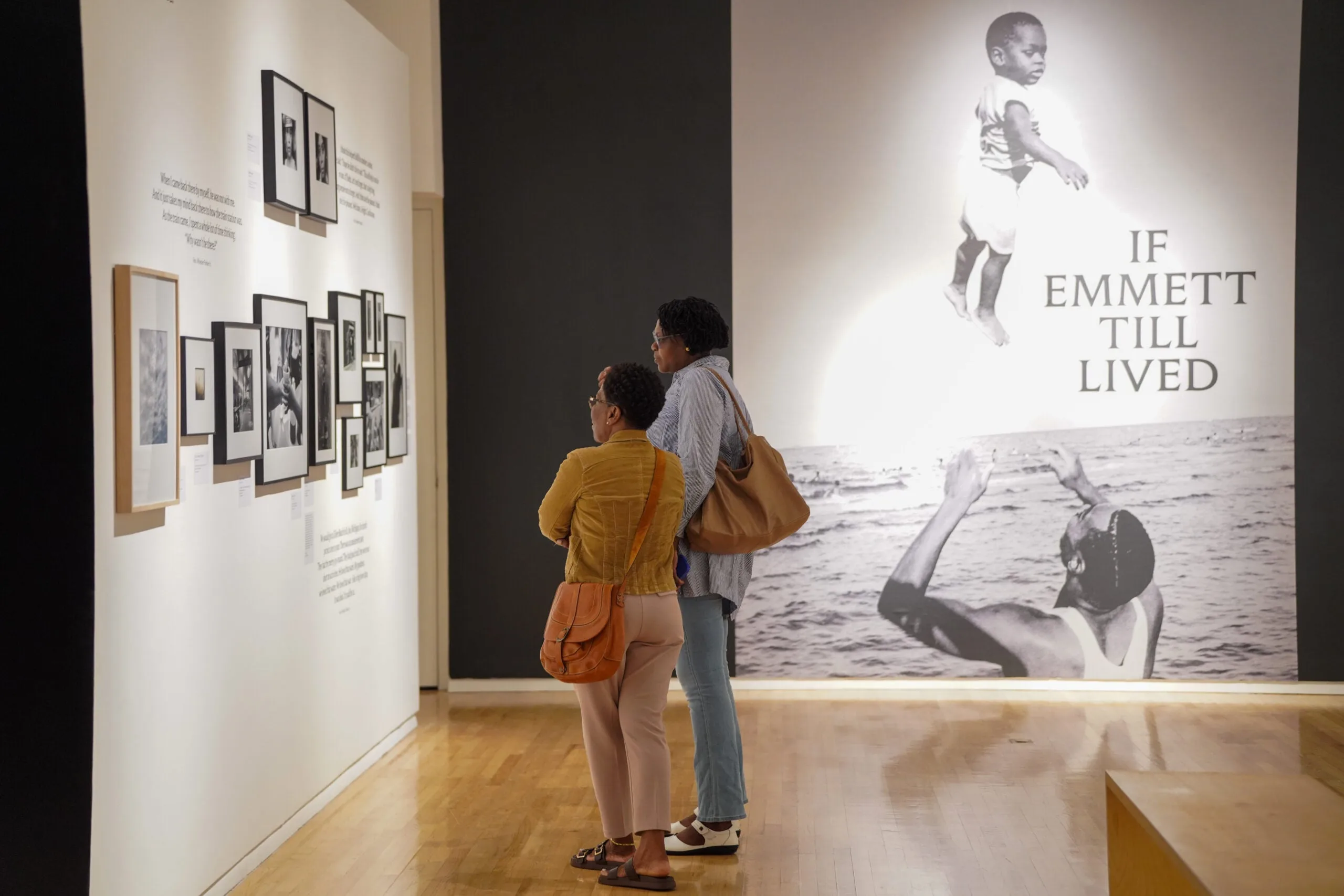
If Emmett Till Lived
Arts + Culture
Alexis Haut|Interviews
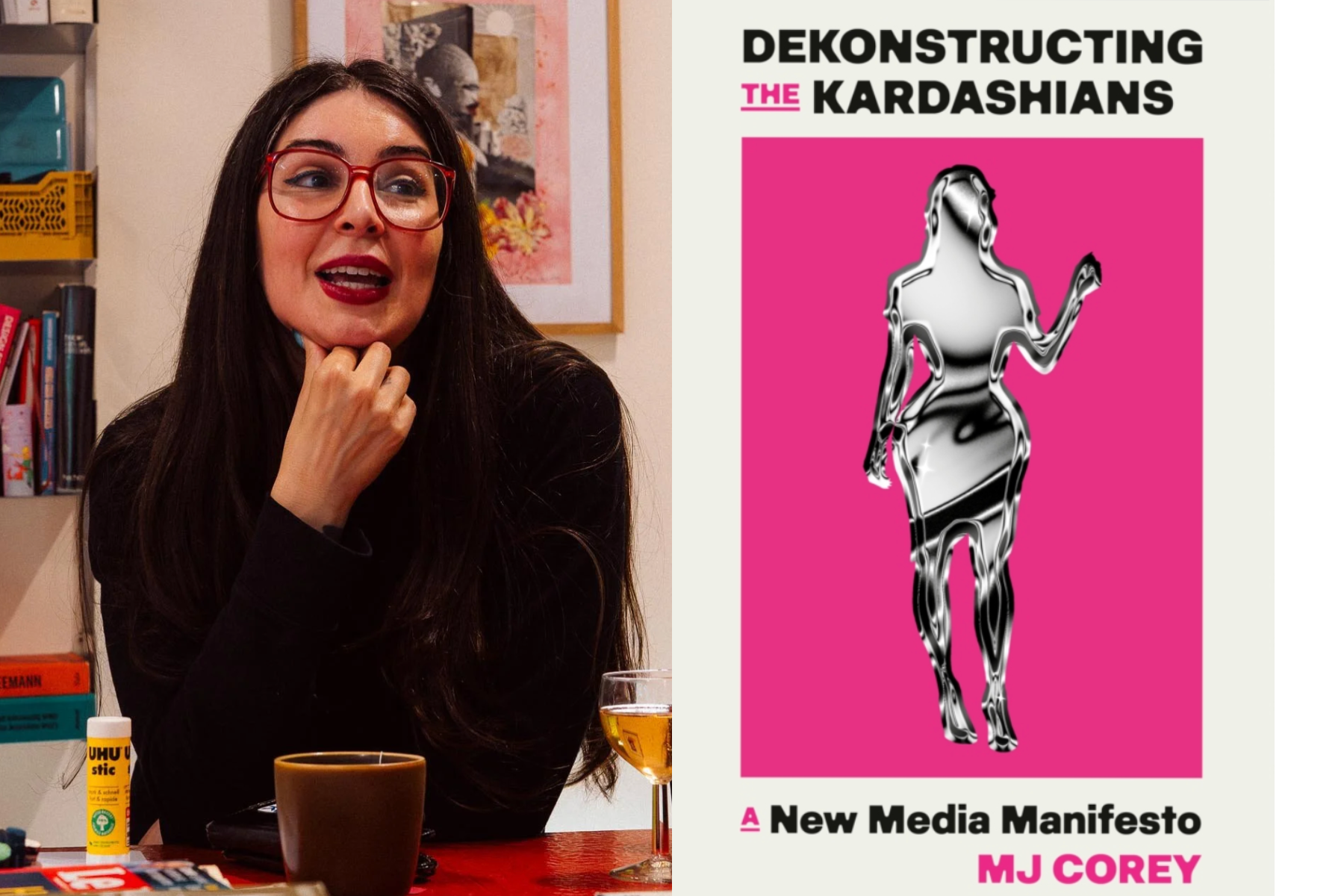
The Kardashians will make you cringe, but first they’ll sell you shapewear
Design Juice
Rachel Paese|Design Juice
Sara Soskolne is a typeface designer who thinks of herself as a craftsperson
Subscribe to The Observatory
Related Posts
Design Juice
Rachel Paese|Design Juice
‘What if care were foundational to systems design?’ asks Rachael Dietkus
The Observatory Newsletter
Ellen McGirt
If Emmett Till Lived
Arts + Culture
Alexis Haut|Interviews
The Kardashians will make you cringe, but first they’ll sell you shapewear
Design Juice
Rachel Paese|Design Juice