


Ashley Lukasik, Rodrigo Isasi|Peru's Sacred Valley
September 19, 2025
Foraging design futures in Peru
A four-day cultural immersion in Peru’s Sacred Valley fosters four principles for the future of design, informed by the region’s centuries-old Indigenous philosophies
Editor’s note: This is the first installment of an ongoing series on design lessons learned from Reclaiming Value, Murmur Ring’s four-day multi-disciplinary immersion in Peru’s Sacred Valley. Along with insights from individual participants, the series explores the question: what makes a meaningful convening? Read more of the series here.
In June, 29 design leaders and strategists from industries spanning hospitality, healthcare, gender equity, and beyond gathered in Peru’s Sacred Valley to probe the role of design today. As digital innovation and geopolitical instability surge, how, they asked, can our work help sustain our humanity and the planet?
To envision our future, we as designers often look to novel invention in science and technology, which can certainly open new possibilities. We’re perhaps less inclined to seek out the ancestral wisdom of a living culture, in which essential problems are met with answers that transcend generations. We should change that.
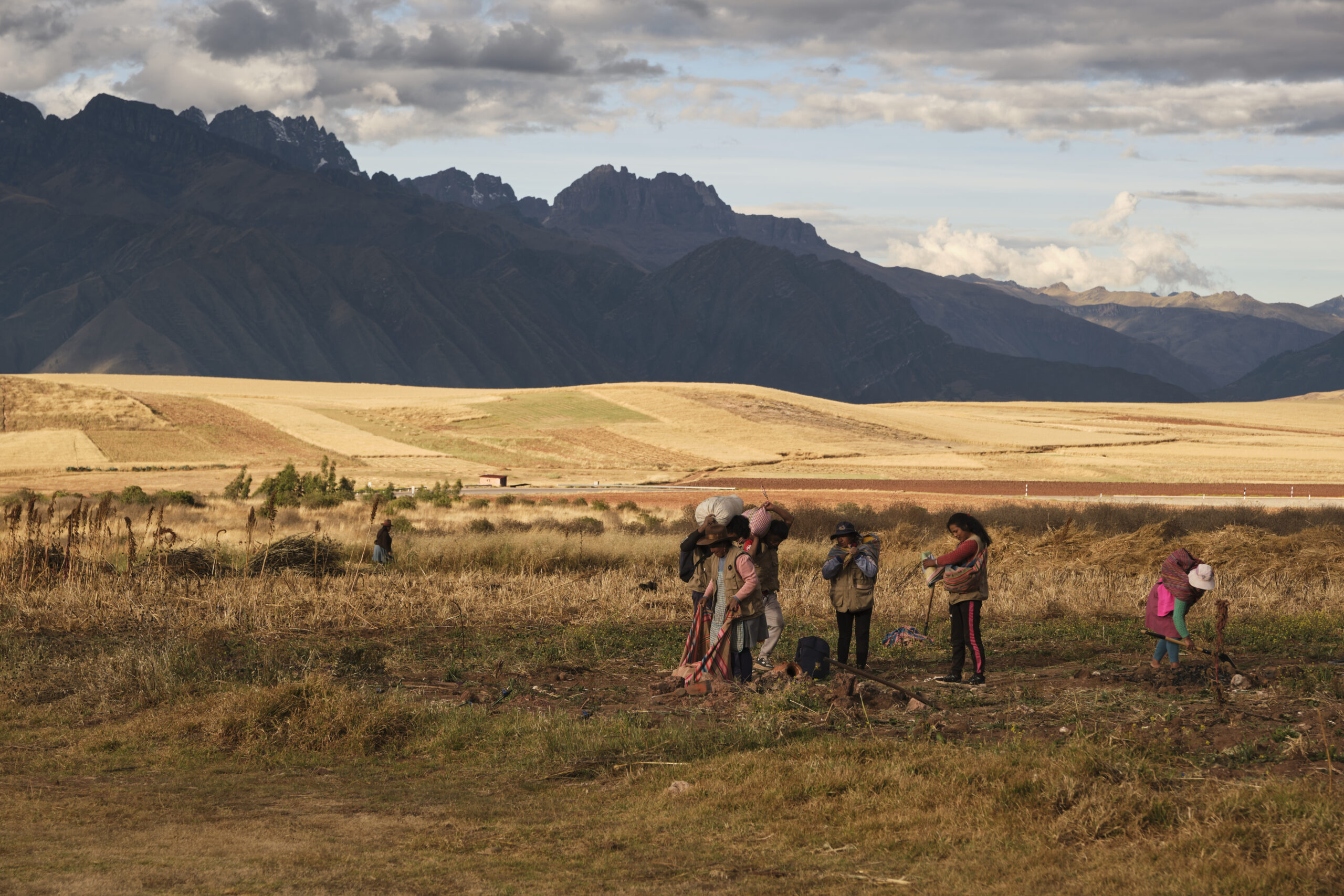
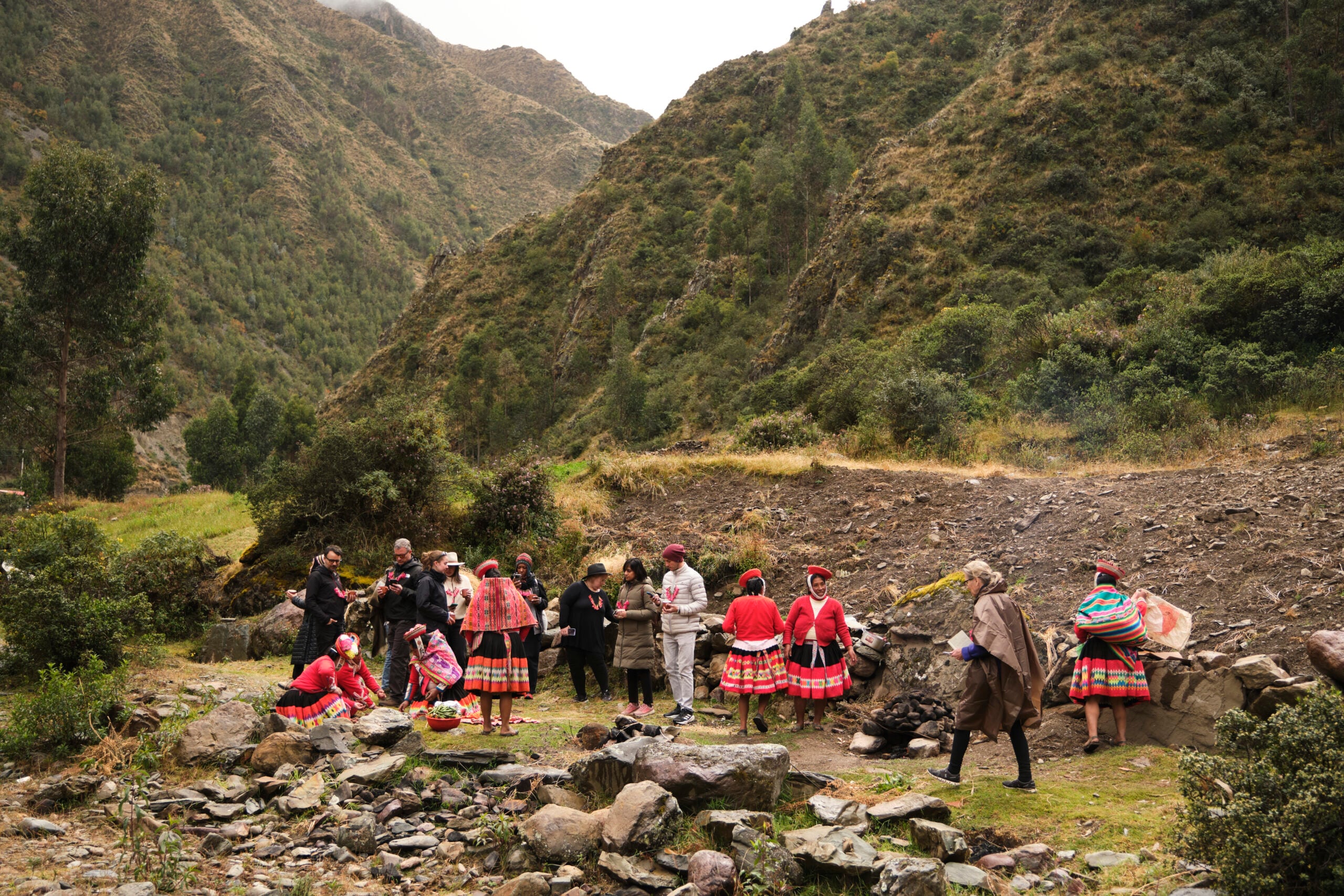
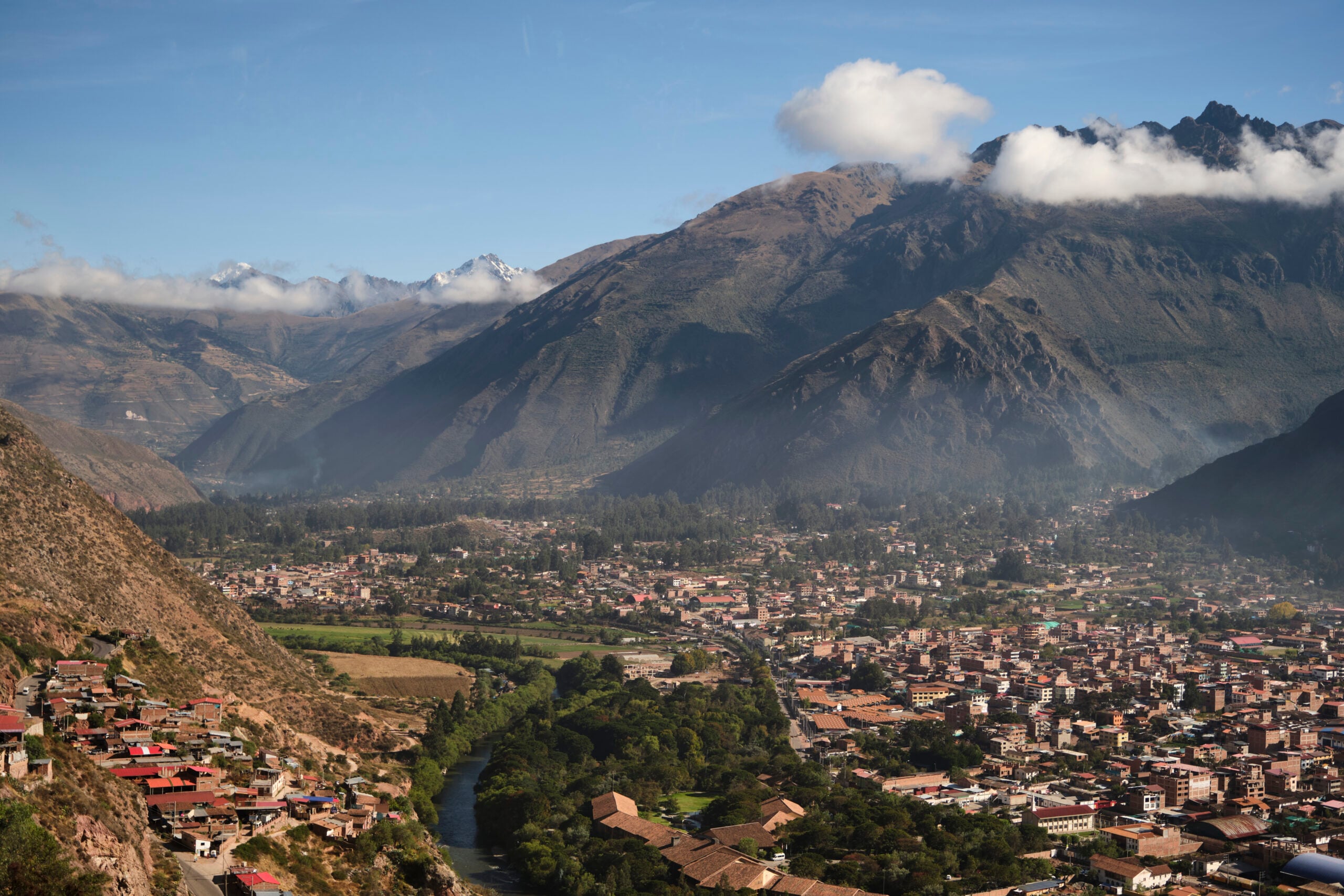
Peru’s Sacred Valley offers an intersection of enduring knowledge and contemporary innovation. As the homeland of the Inca civilization, the region is visually breathtaking and spiritually significant — an ideal place for participants in the Reclaiming Value immersion to reflect on value, time, reciprocity, and our relationship with the Earth.
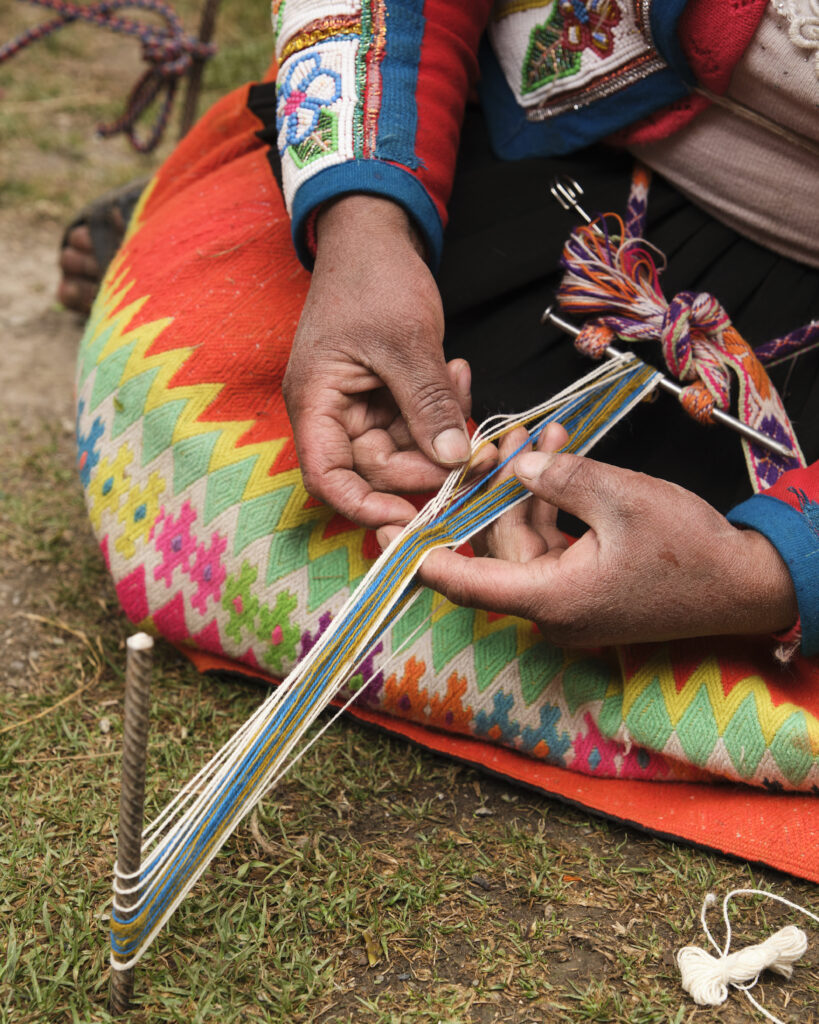
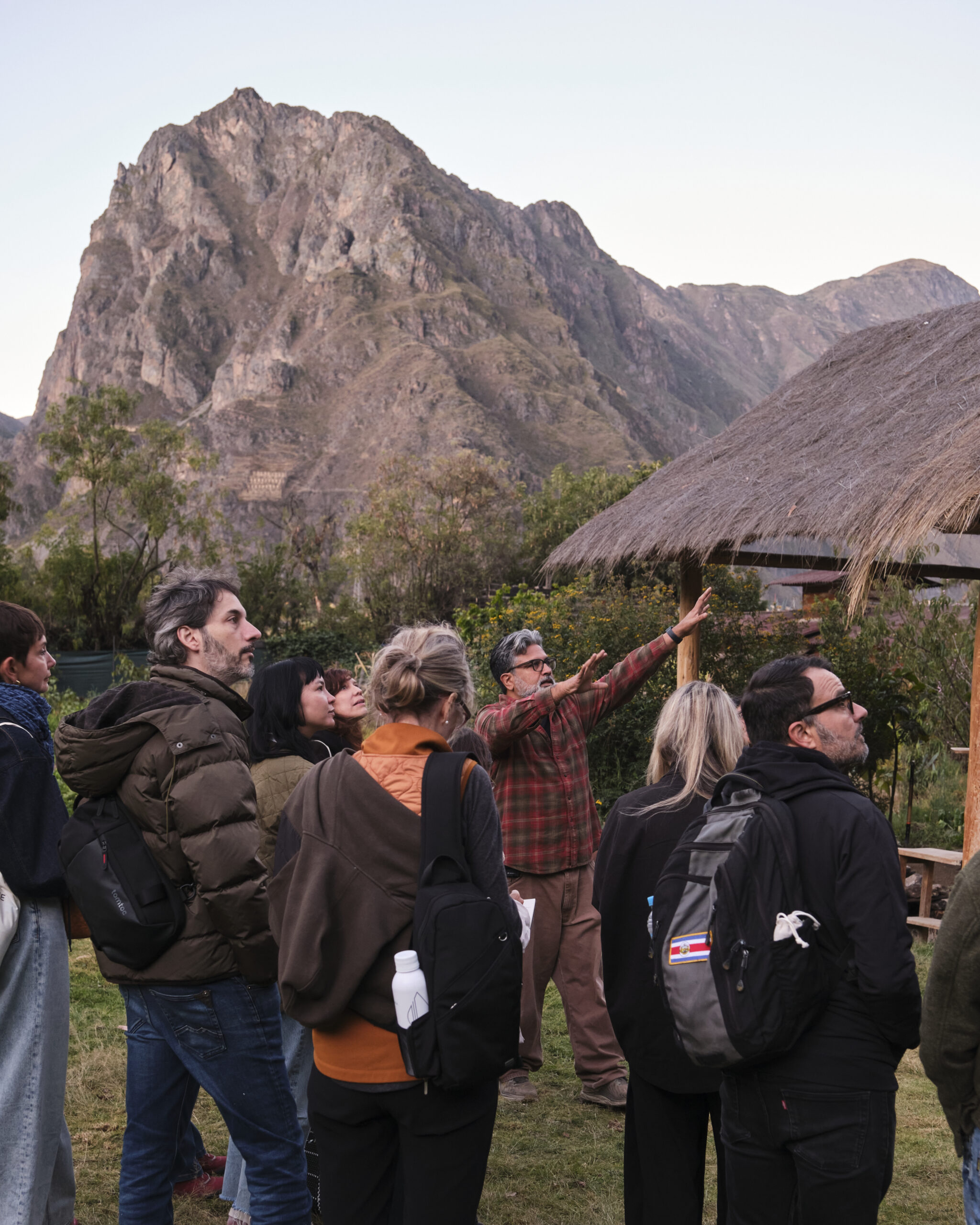
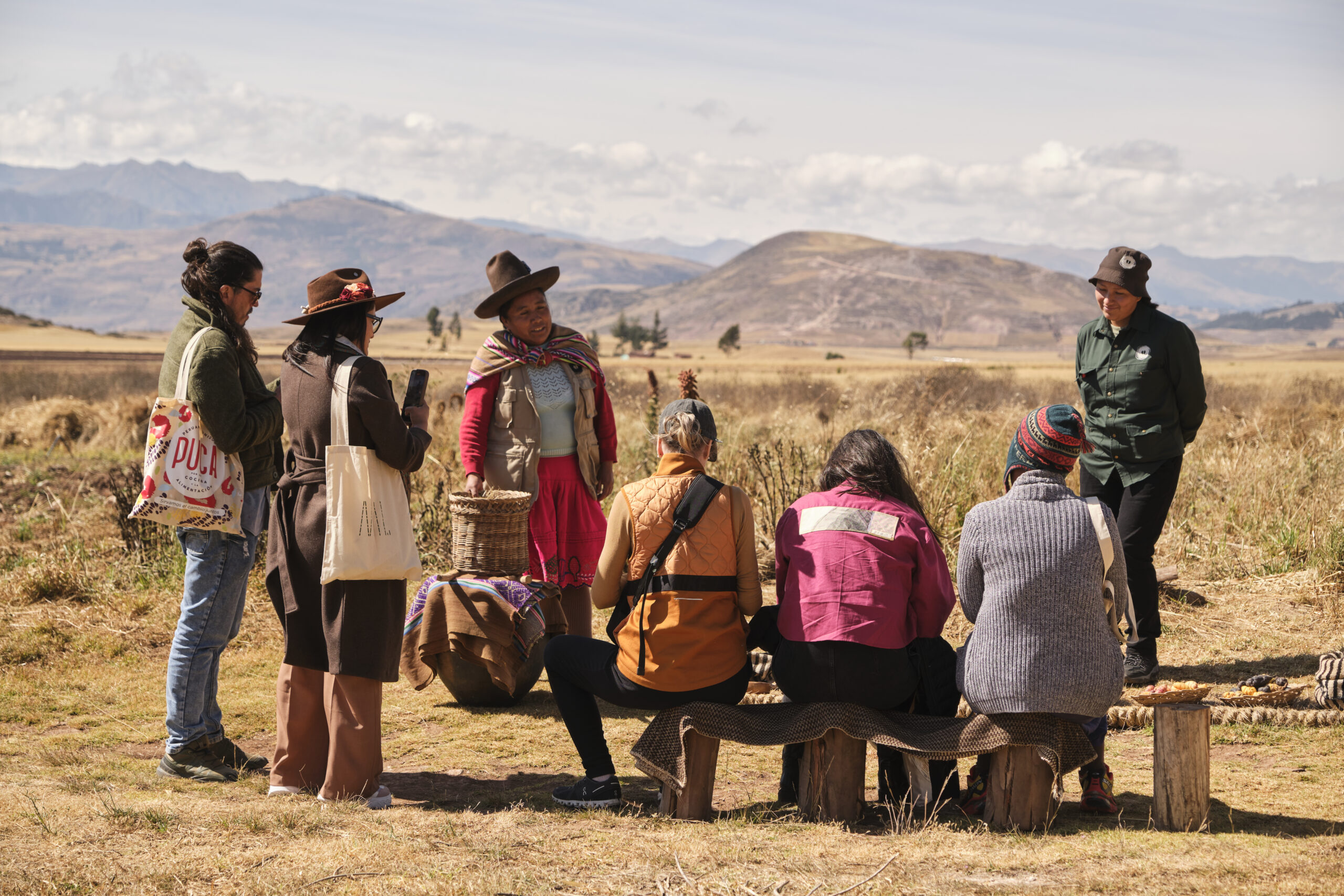
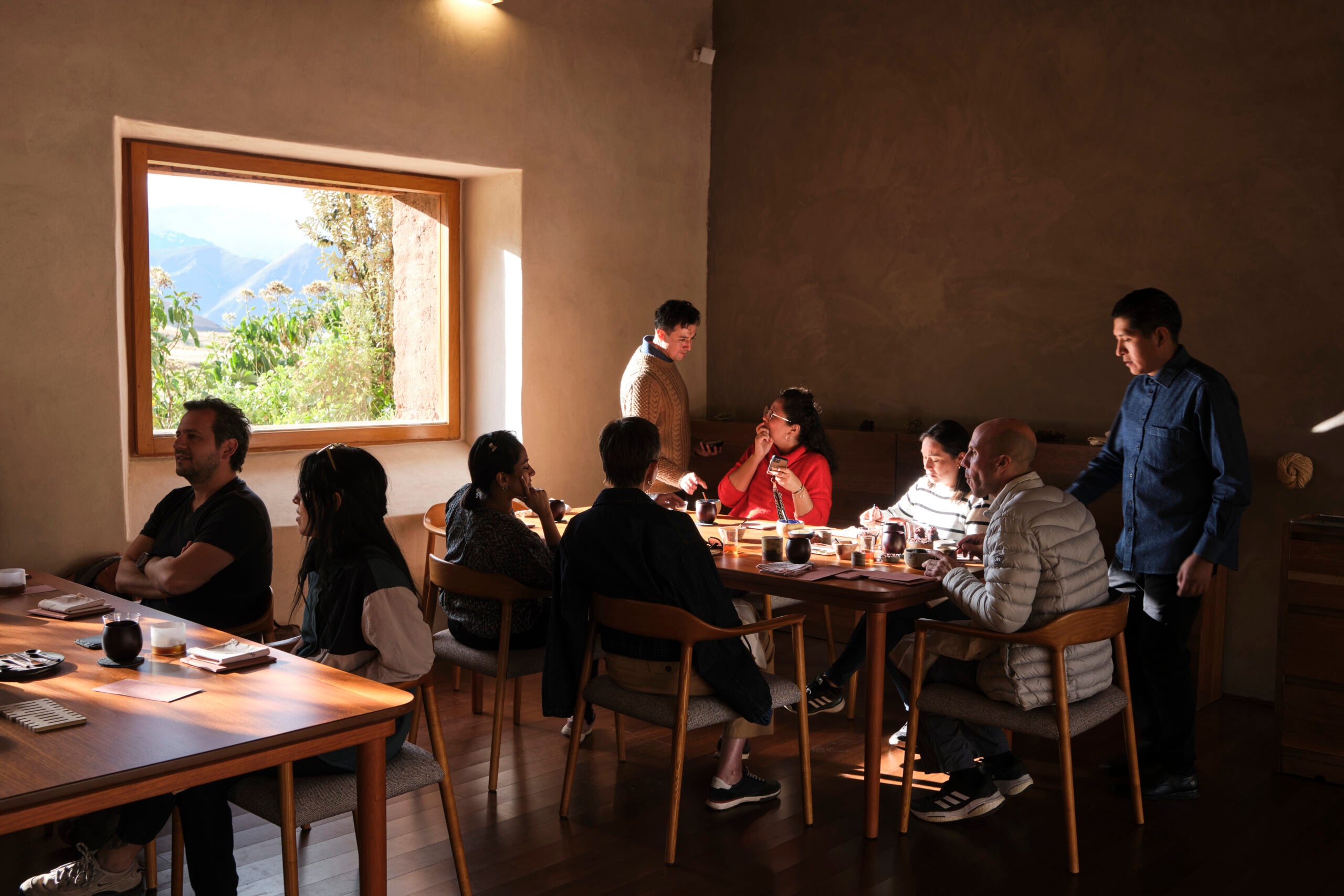
Guided by preservation leaders and Indigenous producers from the region, the participants foraged for medicinal plants and enjoyed a multi-course meal at Virgilio Martinez and Pia Leon’s MIL Centro. They learned expert techniques from a women’s weaver collective in an Andes mountain village, and took part in a workshop with famed sculptors Pablo Seminario and Marilú Behar of Cerámicas Seminario. They saw the circular economy in action at El Albergue Ollantaytambo, an ecolodge encompassing a farm, school, fire prevention brigade, coffee roaster, and Andean distillery.
For the past 10 years, the team behind Murmur Ring has been curating global immersions like Reclaiming Value to explore emergent issues through direct experience and design mindsets. We connect the people working on the world’s most pressing issues through intimate encounters, collective discourse, and storytelling, allowing them and their sponsoring organizations to see, feel, and clarify their vision. By seeking out often overlooked sources of inspiration and places to learn, we counterbalance American and Eurocentric perspectives on innovation and progress.
We developed Reclaiming Value with LATAM design and innovation firm Empathy, and offered it in collaboration with the Institute of Design. The decision to travel to Peru was inspired by Rodrigo Isasi, a partner and managing director at Empathy, after his experience participating in Murmur Ring’s 2024 Making and Identity immersion in Oaxaca. And, of course, the people of the Sacred Valley were our partners, passing on ideologies that will inform our future design work (and this series).
The bridge between innovation and tradition
As with all our immersions, our goal with Reclaiming Value was not to arrive with answers or impose solutions but to instead listen, observe, and learn, in this case from people who see the Earth as a being, time as cyclical, and reciprocity as a way of life. Our aim? To generate creative solutions for addressing a thorny design paradox: we transform our environment with knowledge and technology, and those very transformations end up shaping our behavior and social dynamics.
Today, in the midst of the artificial intelligence revolution, we can create countless artifacts that shape our lives, but deciding whether and what we should make, and how, will help determine whether we thrive. With this tension in mind, and the Sacred Valley principles at hand, the immersion’s central finding became clear: To create the future, we must learn to inhabit two frontiers at once: the emergent (rapid technological advancement) and the established (enduring natural wisdom).
Four guiding principles
We took away four guiding principles for our future design work, informed by the region’s centuries-old Indigenous philosophies:
- Earth is a subject, not an object. Pachamama, as the Indigenous people of the Andes call their Earth Mother goddess, is not a resource we use, but a relationship we nurture. It’s not about extracting resources but coexisting with nature as another being.
- Time is not linear but circular. For the Incas, the future was behind and the past in front: the past is visible, and the future unfolds step by step, repeating patterns and cycles. Recognizing cycles makes us wiser than clinging to the illusion of endless linear progress.
- Reciprocity comes before competition. Life is not about keeping accounts balanced, but about knowing that sometimes we must give more than we receive, in the name of fairness and long-term coexistence. Survival depends less on winning than on sustaining relationships where all can endure.
- Intelligence is multigenerational. We live in a world shaped by the decisions of those before us, and we are responsible to design for those who will follow. We are not an isolated link but part of a chain of care and legacy.
Design for the future
With these principles in mind, the role of design and designers becomes even more significant: artisans of a new world, crafters of possibilities. Participants in the experience walked away prepared to apply these insights to their own work, determining how the systems they create or engage can be reciprocal or adaptive. (More on specific outcomes later in this series.)
The future does not need more speed; it needs more meaning. And meaning arises when we unite creativity with ethics, empathy with wisdom, and innovation with memory. That is the true revolution of our time: to design futures that are livable, human, and just.
More from this series:
Arts + Culture
Ellen McGirt|Peru’s Sacred Valley
Ashley Lukasik is designing a more meaningful way to convene
Introducing a series on design lessons learned from a multi-disciplinary immersion in Peru’s Sacred Valley
Arts + Culture
Masha Safina|Peru’s Sacred Valley
The layers of value creation
Our modern perception of value is shaped by scarcity. Alternative systems that center abundance and relational exchange offer a more hopeful future.
Arts + Culture
Laura Sofia Cardozo|Peru’s Sacred Valley
The value of multigenerational memory in design practice
Attendee at the Reclaiming Value convening on ways Indigenous knowledge frameworks can be responsibly borrowed and applied in design work
Observed
View all
Observed
Share on Social


By Ashley Lukasik & Rodrigo Isasi
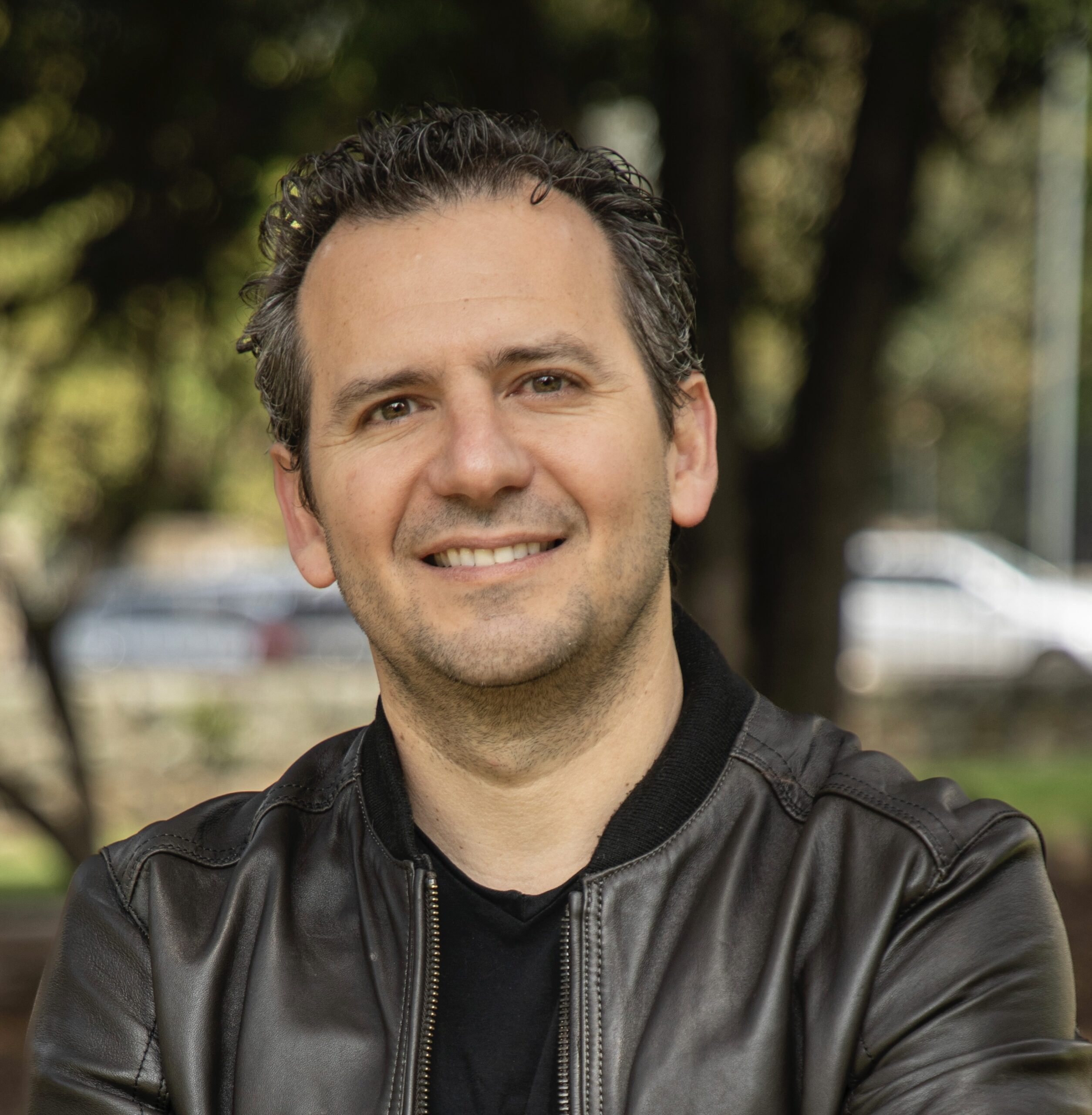 Rodrigo Isasi builds sustainable businesses through people-driven culture and innovation. He believes that leadership is the central catalyst for corporate transformation. This belief led him to Delosi, the largest restaurant company in Peru, where he served as the CEO and led a transformational recovery post-Covid. A graduate of the Institute of Design (MDM ’13), Rodrigo is committed to catalyzing the impact of good businesses in society through Empathy, an impact-driven international design firm.
Related Posts
Arts + Culture
Wayne Suiter Matamoros|Peru's Sacred Valley
Looking to Latin America for the future of design innovation
Arts + Culture
Martín Zabaleta|Peru's Sacred Valley
Designing with the Andean principle of Ayni: “What will we choose to give back?”
Arts + Culture
Laura Sofia Cardozo|Peru's Sacred Valley
The value of multigenerational memory in design practice
Arts + Culture
Masha Safina|Peru's Sacred Valley
The layers of value creation
Subscribe to The Observatory
Related Posts
Arts + Culture
Wayne Suiter Matamoros|Peru's Sacred Valley
Looking to Latin America for the future of design innovation
Arts + Culture
Martín Zabaleta|Peru's Sacred Valley
Designing with the Andean principle of Ayni: “What will we choose to give back?”
Arts + Culture
Laura Sofia Cardozo|Peru's Sacred Valley
The value of multigenerational memory in design practice
Arts + Culture
Masha Safina|Peru's Sacred Valley